When it comes to choosing the best flooring for sports halls, facility managers and architects are often faced with two popular choices: wood flooring and PP (Polypropylene) flooring. Each offers distinct benefits and drawbacks depending on the needs of the sports hall. Whether you’re looking for something that provides a traditional aesthetic or a modern, low-maintenance solution, this article will compare wood and PP flooring to help you make the best decision. By evaluating aspects such as durability, performance, cost-effectiveness, and ease of maintenance, we aim to find out which flooring offers the best value for your sports facility.
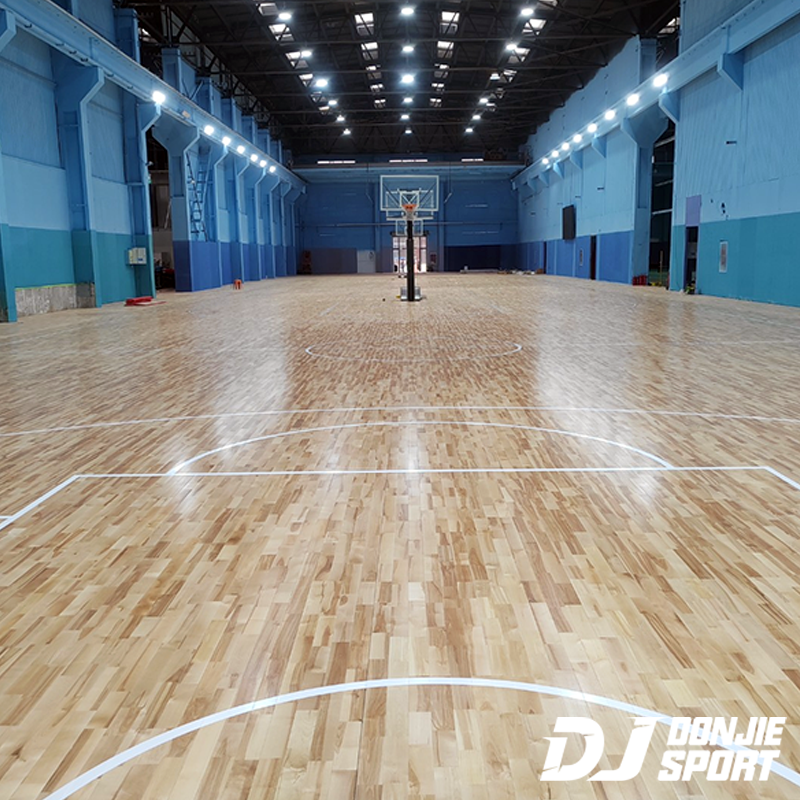
Understanding the Basics of Wood Flooring
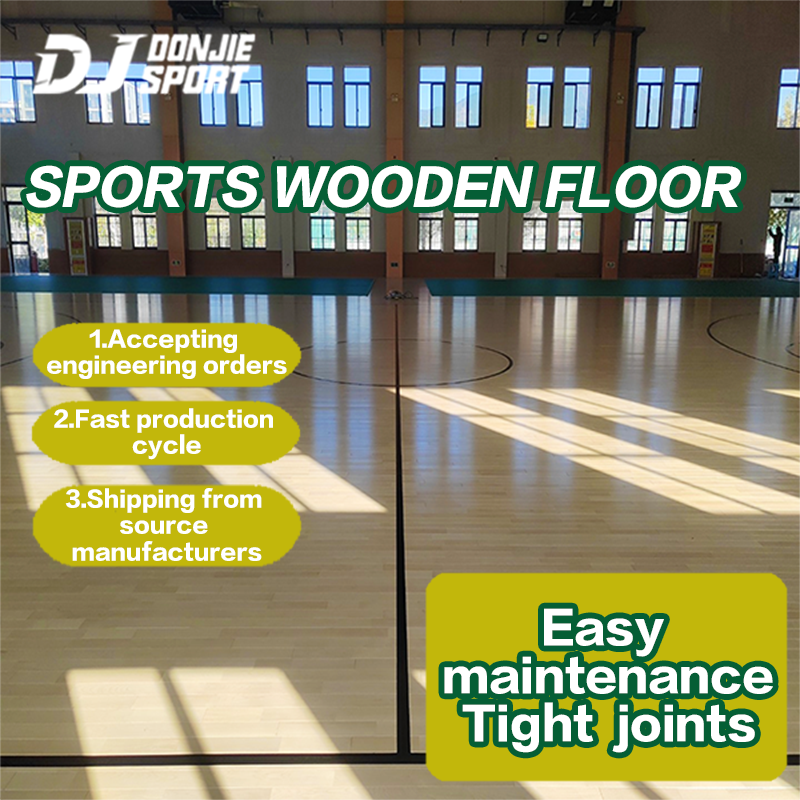
Wood flooring has been a staple in sports halls for decades, prized for its aesthetic appeal and proven performance in a variety of sports environments. Typically, wood floors used in sports halls are made from hardwoods such as maple or oak, which are known for their durability and smooth surface. The wood’s natural grain provides a consistent playing surface, often preferred by athletes for its responsiveness.
In terms of longevity, wood flooring is highly durable, but its lifespan can vary depending on the type of wood and the frequency of use. A well-maintained hardwood floor can last for decades. However, it does require periodic sanding and refinishing to maintain its appearance and smoothness, especially in high-traffic areas.
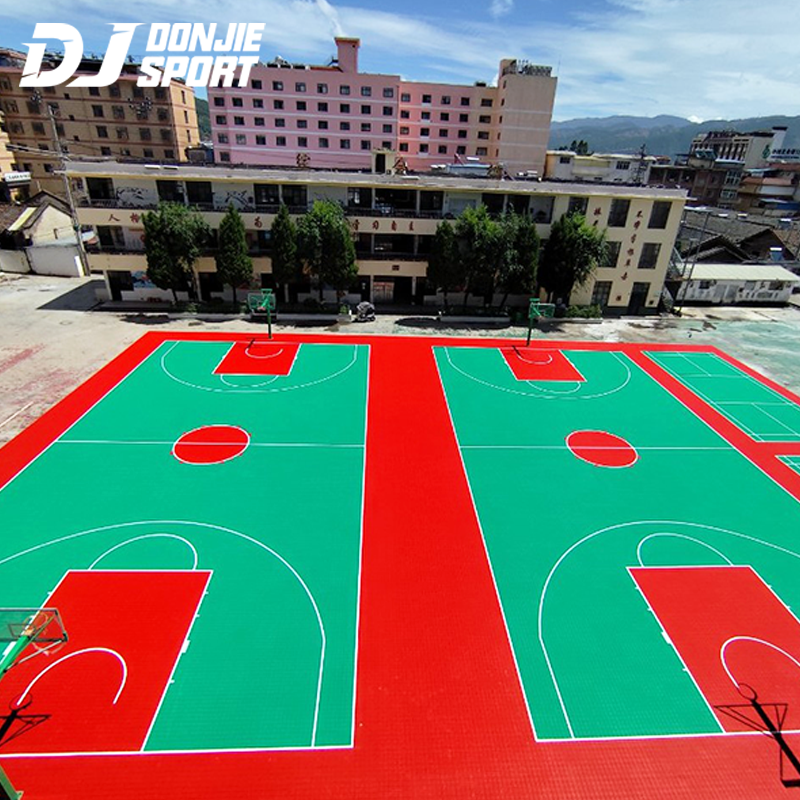
Understanding the Basics of PP Flooring
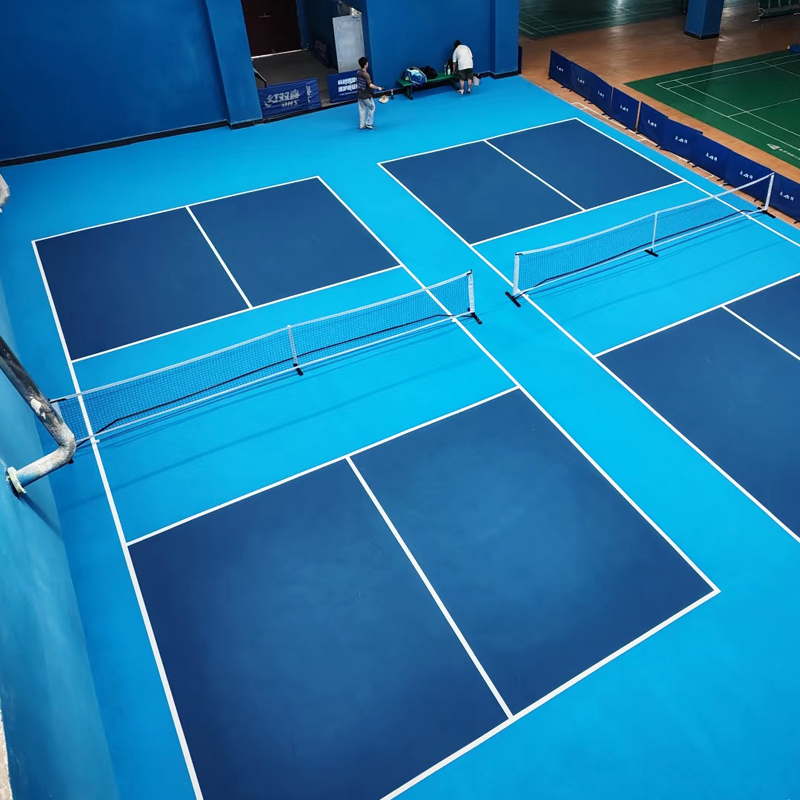
Polypropylene (PP) flooring has become increasingly popular for sports halls in recent years due to its durability, ease of installation, and versatility. PP flooring is typically manufactured as interlocking tiles or rolls, which makes it an attractive option for sports facilities that require quick installation or frequent renovations.
PP flooring is designed to resist wear and tear, offering excellent resistance to impacts, chemicals, and stains. Its flexible properties allow it to recover quickly from heavy use, making it ideal for multi-purpose sports halls. PP flooring is also lightweight, reducing the overall cost of transportation and installation.
Durability and Maintenance Comparison
When it comes to durability, both wood and PP flooring offer significant advantages, but they differ in how they hold up under various conditions.
Wood Flooring: While wood floors can last a long time, they are more susceptible to damage from impacts such as heavy equipment or sharp objects. Scratches and dents can develop over time, especially in high-traffic areas. Additionally, wood floors require regular maintenance, such as sanding, refinishing, and recoating, which can add to long-term costs. If not properly maintained, wood floors can also lose their smoothness and become uneven, potentially affecting player safety and performance.
PP Flooring: One of the major advantages of PP flooring is its resilience. This material can withstand heavy impacts, chemical spills, and abrasion without showing significant wear. Unlike wood, PP flooring doesn’t require sanding or refinishing, which means lower maintenance costs over time. Cleaning is also straightforward, as PP tiles or rolls can be easily wiped down or scrubbed, making it an excellent choice for high-use environments.
In conclusion, PP flooring tends to have an edge when it comes to long-term durability and ease of maintenance, particularly for facilities with heavy usage.
Performance: Which Flooring Supports Better Playability?
When evaluating performance, the type of flooring you choose can greatly influence the playing experience of athletes.
Wood Flooring: Wood floors provide a smooth, consistent, and predictable surface, which is essential for many sports. They offer a natural shock absorption that helps reduce the risk of injury, making them a preferred choice for activities like basketball and volleyball. The elasticity of the wood allows athletes to have good traction and grip, supporting fast, fluid movements. However, the hardness of wood may not be ideal for sports that involve constant running or intense impact, as it may not absorb shock as well as some synthetic options.
PP Flooring: While PP flooring may not provide the exact same traditional feel as wood, it offers impressive shock absorption properties that make it suitable for various sports. PP tiles often have an additional foam or rubber backing that enhances cushioning, reducing the impact on athletes’ joints. Additionally, the interlocking design of PP flooring provides a stable and resilient playing surface, even in multi-purpose facilities where various sports are played. Its traction is also generally reliable, but it can vary based on the specific brand or design.
In summary, wood flooring excels for traditional sports like basketball and volleyball, where consistency and grip are crucial. However, PP flooring is highly versatile and provides excellent shock absorption for a wide range of sports, including activities that may require more joint protection.
Aesthetic Appeal and Customization Options
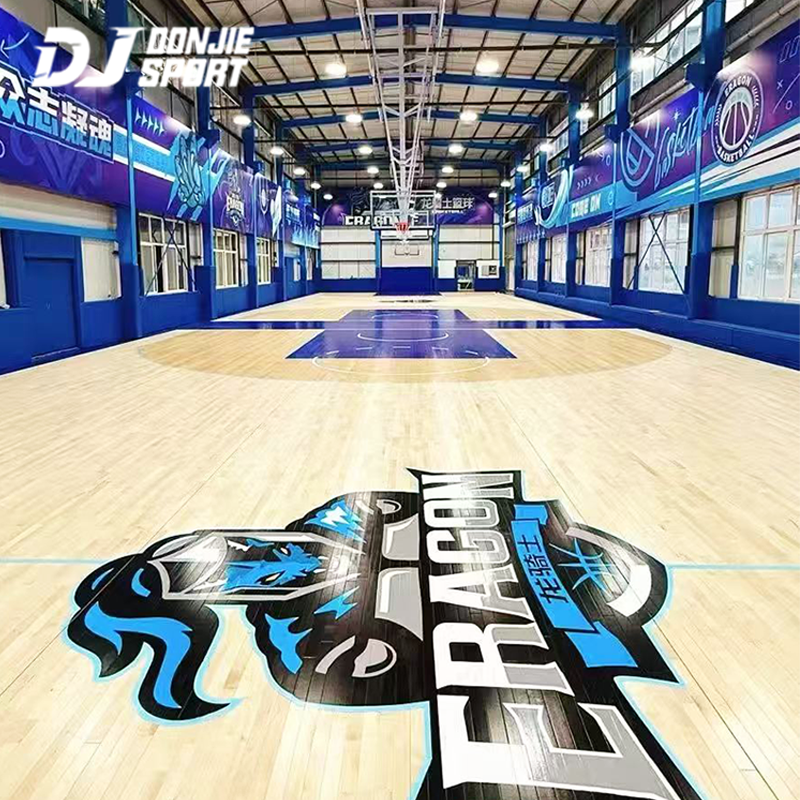
For sports halls that want a traditional look, wood flooring is a natural choice. The warm, classic appeal of wood is hard to beat, particularly in larger sports arenas. Wood floors can be customized with different stains, logos, and even painted lines, providing a unique aesthetic tailored to the venue’s design.
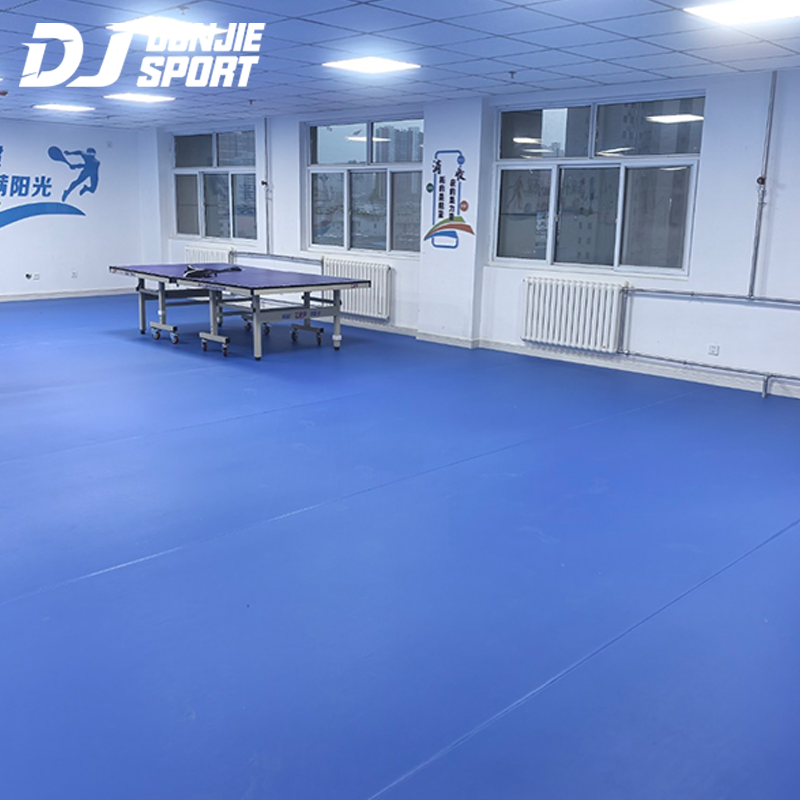
PP Flooring, on the other hand, offers a more modern look. Available in a wide variety of colors and patterns, PP flooring is perfect for creating a contemporary feel in a sports facility. Many manufacturers offer customizable designs, including the ability to incorporate team logos or branding elements. PP flooring can also be easily replaced if tiles get damaged or need updating, offering flexibility that wood floors cannot match.
Both materials offer opportunities for customization, but the choice comes down to whether you prefer the timeless elegance of wood or the modern adaptability of PP flooring.
Cost-Effectiveness: Which Flooring Provides More Bang for Your Buck?
Initial Cost: In terms of initial installation, wood flooring tends to be more expensive than PP flooring. The high-quality wood required for sports halls, along with the labor-intensive process of installation and finishing, can add to the overall cost. PP flooring, on the other hand, is typically less expensive to purchase and install, especially for larger areas, due to its easier installation process.
Long-Term Value: While the initial investment in wood flooring may be higher, its long lifespan can make it a more cost-effective choice in the long run, provided that regular maintenance is performed. However, the cost of maintenance, such as refinishing and repairs, should be considered over time. PP flooring requires less upkeep, which can reduce the overall cost of ownership. Additionally, its durability means it is less likely to require costly repairs or replacements.
In conclusion, PP flooring offers a more budget-friendly solution for sports halls, especially when considering installation and maintenance costs. However, if you prioritize aesthetic appeal and the long-term value of a high-quality surface, wood flooring may justify the initial investment.
Sustainability and Environmental Considerations
In today’s world, environmental impact is an important factor when choosing flooring for any facility.
Wood Flooring: Wood, when sourced sustainably, can be a renewable resource, and many manufacturers offer FSC-certified wood options. However, the process of harvesting, transporting, and finishing wood can have a significant environmental impact. Properly maintaining wood flooring to ensure its longevity can help mitigate some of these concerns.
PP Flooring: While PP flooring can be recycled, it is derived from plastic, which is a petroleum-based product. This gives it a higher environmental footprint compared to wood. However, many brands are now focusing on producing more eco-friendly PP tiles by using recycled materials or offering recyclability at the end of the flooring’s life cycle.
Both materials have their environmental considerations, but sustainable wood sourcing and eco-friendly PP options are becoming more widely available.
Installation Process: Ease and Time of Setup
The installation process for wood flooring can be quite time-consuming. Each board needs to be individually installed, and often the floor must be finished once it’s laid. This can take a considerable amount of time, especially for larger spaces.
In contrast, PP flooring is often installed using an interlocking tile system, making it much faster and more convenient. Installation can usually be completed in a matter of days, depending on the size of the area, and it doesn’t require special finishing. This makes PP flooring ideal for sports halls that need to be operational quickly or undergo frequent renovations.
Which Flooring Offers the Best Value for Sports Halls?
Both wood flooring and PP flooring offer unique advantages for sports halls, and the choice depends largely on your specific needs and priorities. If aesthetic appeal and long-term value are most important to you, then wood flooring is an excellent option. It provides a classic look, exceptional performance, and durability—but at a higher cost.
On the other hand, if you are looking for a budget-friendly solution that offers easy maintenance and quick installation, PP flooring is the more cost-effective choice. It also provides superior shock absorption and is an excellent option for multi-purpose sports halls.
Ultimately, both materials can provide great value, but your decision should be based on your specific budget, maintenance capabilities, and aesthetic preferences.