When selecting flooring for high-traffic areas, whether it’s for commercial spaces, gyms, or even busy homes, the material you choose plays a crucial role in both the appearance and functionality of the space. Two popular choices that often come up in discussions are wood flooring and PP (Polypropylene) flooring. While both materials offer distinct advantages, the question of which performs best in high-traffic areas is something many facilities must carefully consider.
In this article, we’ll compare wood flooring and PP flooring based on factors like durability, maintenance, aesthetics, and cost-effectiveness to help you determine which is the ideal option for spaces with heavy foot traffic.
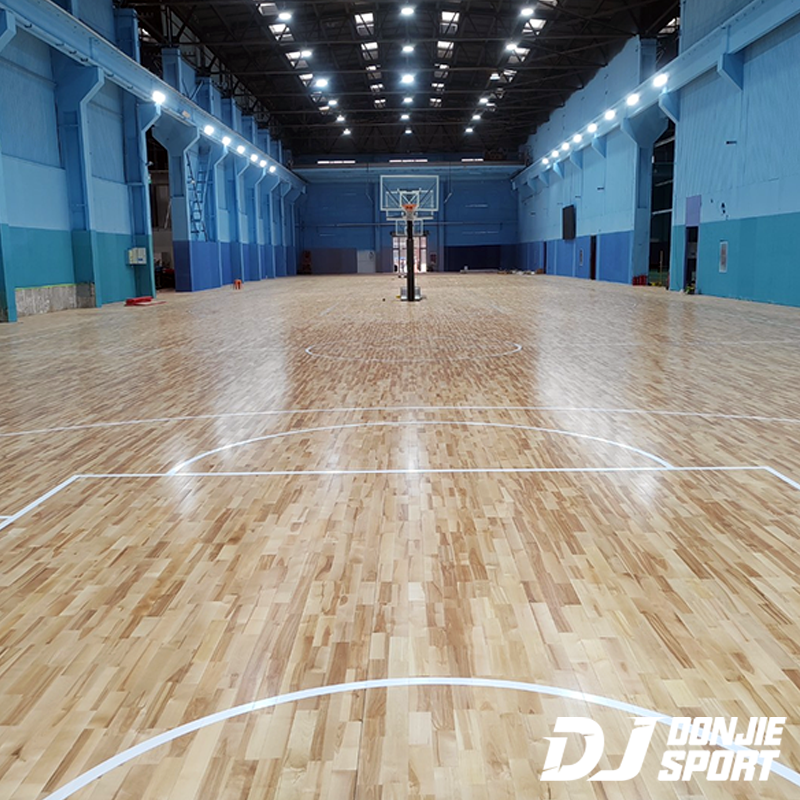
What Makes High-Traffic Areas Challenging for Flooring?
High-traffic areas are constantly exposed to stress. Whether it’s foot traffic, wheeled carts, spills, or dirt and debris, the floor must withstand a significant amount of wear over time. The main concerns for flooring in these environments include:
-
Durability: Can the flooring maintain its integrity under pressure?
-
Maintenance: How easy is it to clean and repair?
-
Aesthetic Longevity: Will the flooring retain its beauty over time?
These challenges are important to consider when selecting the right material for spaces like hallways, gyms, offices, or public areas.
Wood Flooring in High-Traffic Areas
Wood flooring has long been a classic choice for interior spaces due to its timeless appeal and natural beauty. However, when it comes to high-traffic areas, wood flooring faces several challenges.
Durability Concerns
Wood is naturally susceptible to scratching, denting, and fading, especially when exposed to heavy foot traffic. While hardwood floors can last for decades with proper care, high-traffic environments increase the risk of visible damage. In some cases, even with protective finishes, wood floors may begin to show signs of wear more quickly.
Maintenance Requirements
Wood floors require more frequent maintenance than other materials. They must be refinished regularly to restore their appearance and protect the surface. Cleaning wood floors also demands careful attention, as water and harsh chemicals can cause damage.
While wood flooring can be restored, it often comes at a higher long-term cost due to refinishing and repair needs.
PP (Polypropylene) Flooring: A Modern Solution
PP flooring is an engineered solution designed to withstand the wear and tear of high-traffic environments. Unlike wood, which is organic and prone to aging, PP is a synthetic material known for its durability and resistance to damage.
Durability and Wear Resistance
PP flooring is highly resistant to scratches, dents, and fading. It can handle heavy foot traffic without showing signs of wear for much longer than wood flooring. The material’s durability comes from its flexible, non-porous surface, which allows it to absorb impacts and maintain its integrity over time.
Maintenance Benefits
One of the biggest advantages of PP flooring in high-traffic areas is its ease of maintenance. The material is easy to clean, often requiring only a simple sweep or mop. Unlike wood, there’s no need for refinishing or specialized care, making PP flooring a cost-effective option in the long run.
Aesthetic Versatility
Although PP flooring doesn’t have the same natural look as wood, it offers a wide range of colors and textures. Manufacturers can design it to mimic the appearance of wood or other materials, providing the aesthetic appeal of natural surfaces without the associated maintenance.
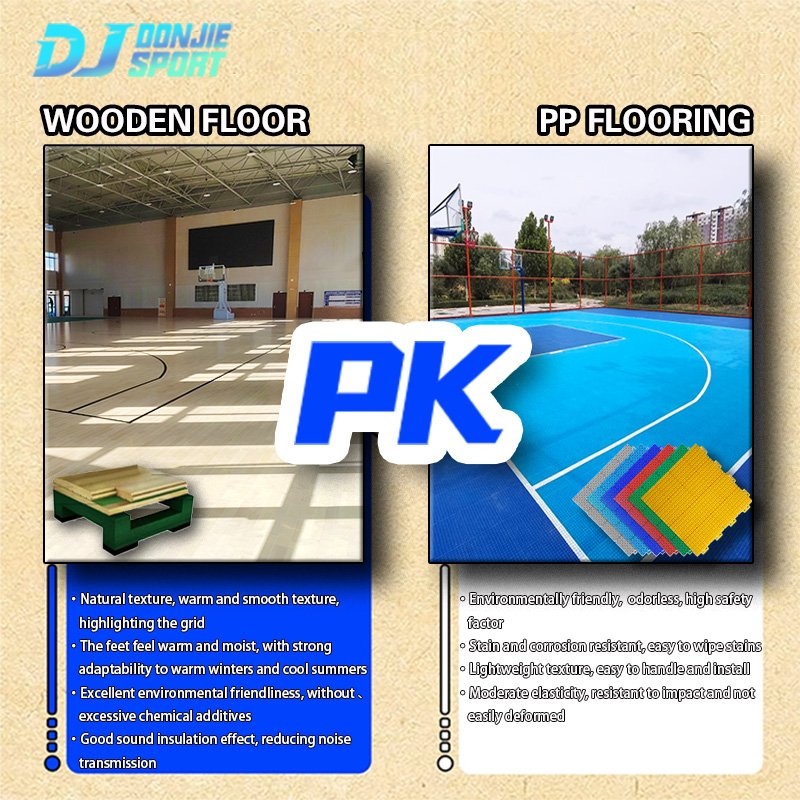
Performance Comparison: Wood Flooring vs. PP Flooring
When evaluating which material performs better in high-traffic areas, it’s essential to consider key performance metrics such as durability, ease of maintenance, aesthetic appeal, and safety.
Durability: Comparing Resistance to Scratches, Dents, and Fading
Wood flooring, though strong, can suffer significant damage from the constant pressure of heavy foot traffic. Scratches, dents, and fading are common over time, especially if the flooring is not properly protected with finishes or sealants. The natural grains and beauty of wood may lose their luster, leaving behind visible signs of wear.
On the other hand, PP flooring is engineered to be highly durable. Its resistance to scratches, dents, and fading makes it a much better option for environments that experience constant foot traffic. The synthetic nature of PP allows it to absorb impacts better, preventing it from showing visible damage easily. This makes PP a top contender in spaces like gyms, office buildings, and commercial establishments, where floors are subjected to constant use.
Maintenance: Ease of Care and Long-Term Cost Analysis
One of the biggest factors in choosing a flooring material for high-traffic areas is the ease of maintenance. Wood flooring requires ongoing care, including regular cleaning, refinishing, and re-oiling. While the aesthetic appeal of a well-maintained wood floor is undeniable, the time and cost spent maintaining it in a high-traffic environment can quickly add up. Over time, wood floors may require sanding and resealing, which can be costly.
PP flooring, on the other hand, is virtually maintenance-free. It doesn’t require refinishing, polishing, or oiling. Its smooth, non-porous surface resists dirt and stains, making cleaning a breeze with just basic sweeping or mopping. In the long run, PP flooring’s low maintenance needs can significantly lower costs, making it an attractive option for budget-conscious businesses or high-traffic environments.
Aesthetic Appeal: Natural Beauty vs. Versatility
Wood flooring is often regarded as the gold standard in interior design due to its timeless beauty. The natural variations in wood grain and its warm tones provide a unique and sophisticated look that many people prefer. However, this aesthetic comes at a cost—especially when it’s exposed to heavy traffic.
PP flooring may not have the same organic charm as wood, but it can be designed to mimic various textures and colors, including wood-like patterns. This versatility allows it to fit a wide range of design preferences while maintaining the durability required for high-traffic areas. Whether you’re looking for a modern, minimalist look or a more rustic design, PP flooring can offer plenty of options to suit your style, without the risk of damage from heavy use.
Safety and Comfort: Slip Resistance and Comfort for Prolonged Standing or Movement
When it comes to high-traffic areas, safety and comfort are paramount. Wood flooring, while elegant, can become slippery, especially when wet, which poses a risk in busy environments such as gyms or restaurants.
PP flooring, however, is designed with safety in mind. Many types of PP flooring include slip-resistant properties that make it safer for areas exposed to moisture, like entryways or gyms. Additionally, PP flooring is often softer underfoot, providing more comfort during extended periods of standing or movement. This cushioning effect makes it a preferred option in places like fitness centers or commercial spaces where people are likely to be on their feet for long durations.
Environmental Impact and Sustainability
Sustainability has become an important consideration when choosing building materials, and both wood and PP flooring come with their own environmental considerations.
Wood Flooring
Wood is a renewable resource, especially when sourced from sustainably managed forests. However, the process of harvesting, processing, and finishing wood can have significant environmental impacts, especially if not sourced responsibly. Additionally, the use of chemical treatments, finishes, and sealants can reduce the material’s overall eco-friendliness.
PP Flooring
While PP flooring is made from synthetic materials, it is often recyclable, and its durability means that it doesn’t need to be replaced as often as other materials. Furthermore, many manufacturers are now focusing on creating more eco-friendly versions of PP flooring by reducing harmful chemicals in production and promoting the use of recyclable materials. However, the environmental impact of production is still something to consider when opting for PP over natural materials like wood.
Cost Analysis: Which Flooring Material Offers Better Value?
In terms of initial costs, wood flooring can be significantly more expensive than PP flooring. The cost of high-quality hardwood, along with installation fees, can add up quickly, especially when factoring in future refinishing and maintenance costs.
PP flooring, while having a lower initial cost, offers substantial long-term value due to its durability and low maintenance needs. Although the upfront investment may be less than wood, PP flooring’s extended lifespan without the need for refinishing or repairs makes it a more cost-effective solution in the long run.
Ideal Scenarios for Each Flooring Type
Best Applications for Wood Flooring in High-Traffic Areas
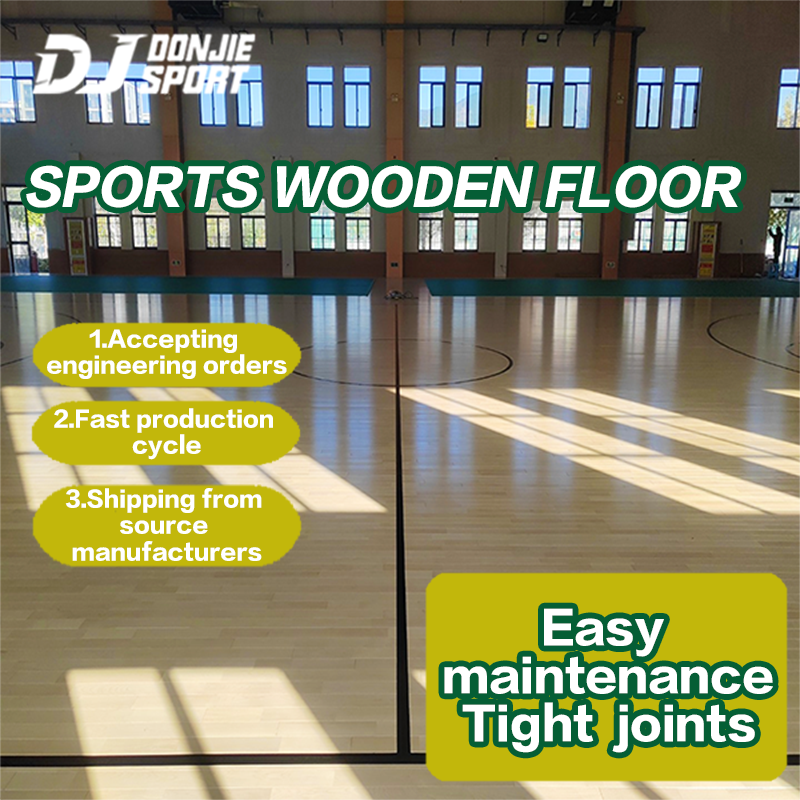
Wood flooring works best in spaces where aesthetic appeal is the primary concern, and the volume of foot traffic is moderate to low. It is ideal for offices, retail spaces, and high-end homes where the natural beauty of wood is a selling point. In these cases, the higher maintenance needs of wood can be justified by its elegance and timeless appeal.
Where PP Flooring Excels
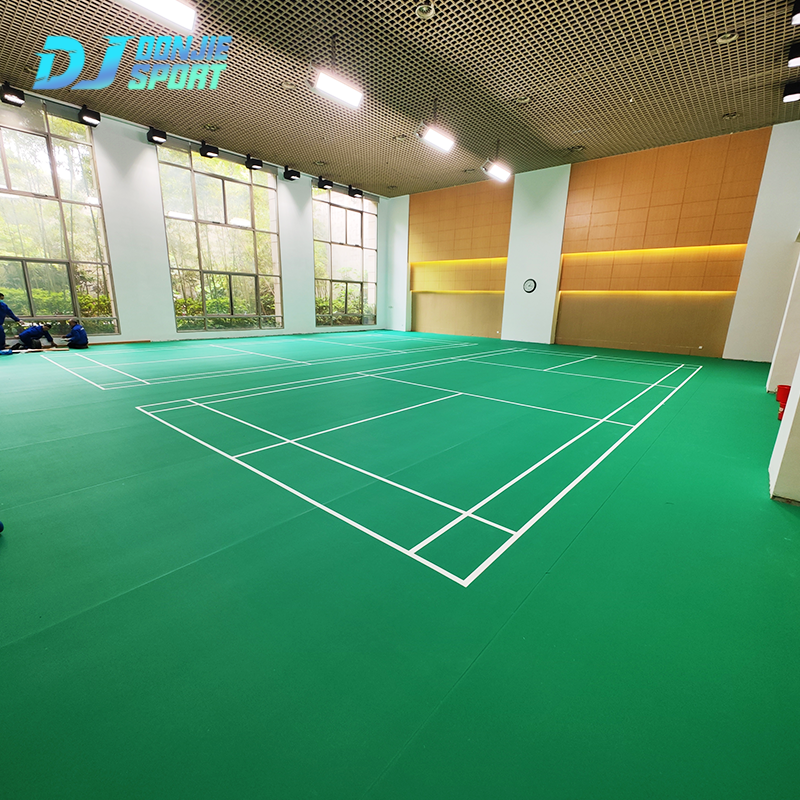
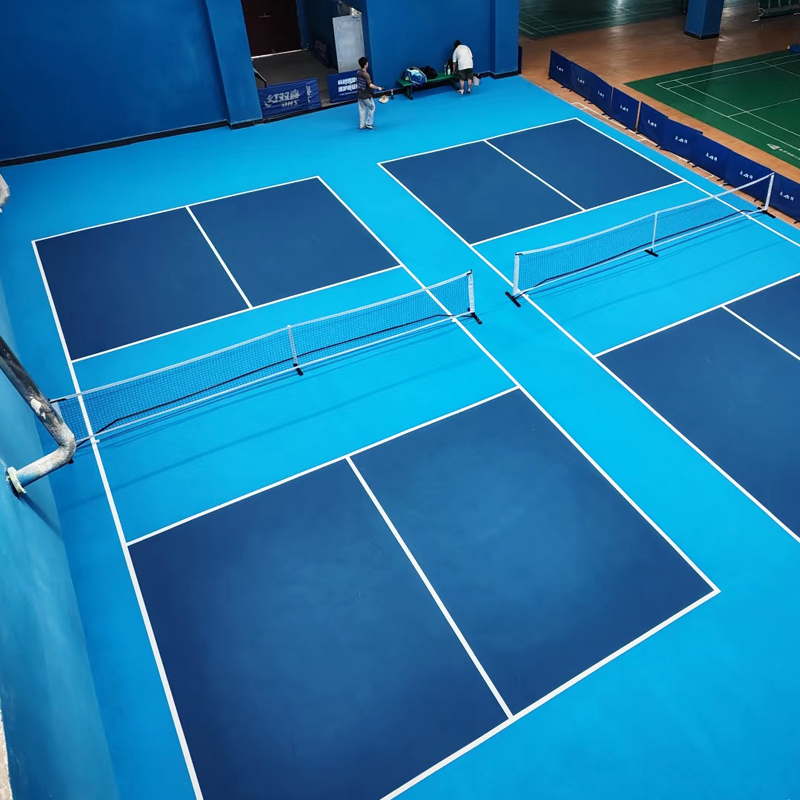
PP flooring is best suited for areas that see high traffic or frequent activity, such as gyms, fitness centers, commercial establishments, and public spaces. Its superior durability, ease of maintenance, and resistance to wear and tear make it a perfect choice for high-traffic zones that require both functionality and safety.
Conclusion
Both wood and PP flooring have their merits, but when it comes to high-traffic areas, PP flooring stands out as the more practical option. Its durability, ease of maintenance, and slip-resistant properties make it an ideal choice for busy environments. While wood flooring remains a top choice for its aesthetic appeal, its maintenance demands and susceptibility to damage under heavy use make it less suitable for high-traffic spaces. For those seeking a long-lasting, cost-effective, and low-maintenance solution, PP flooring is the winner.