When it comes to designing a pickleball court, the choice of flooring is crucial for ensuring optimal performance, comfort, and safety. Whether you’re building a court for a recreational facility, school, or competitive arena, selecting the right surface plays a significant role in the quality of play. Pickleball floor mats and tiles are two popular options, each with its unique benefits and characteristics. But which one offers the best combination of performance and comfort?
In this article, we will compare pickleball floor mats and tiles to help you make an informed decision. From shock absorption and traction to long-term costs and ease of maintenance, we will explore everything you need to know about these flooring options to ensure your pickleball court meets the needs of both casual players and competitive athletes.
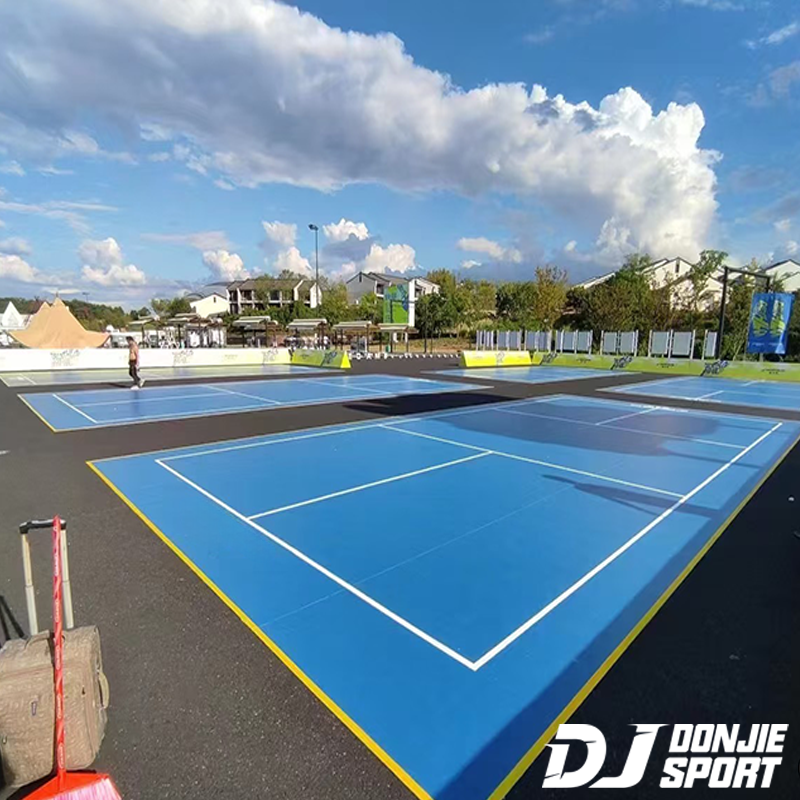
Understanding Pickleball Floor Mats
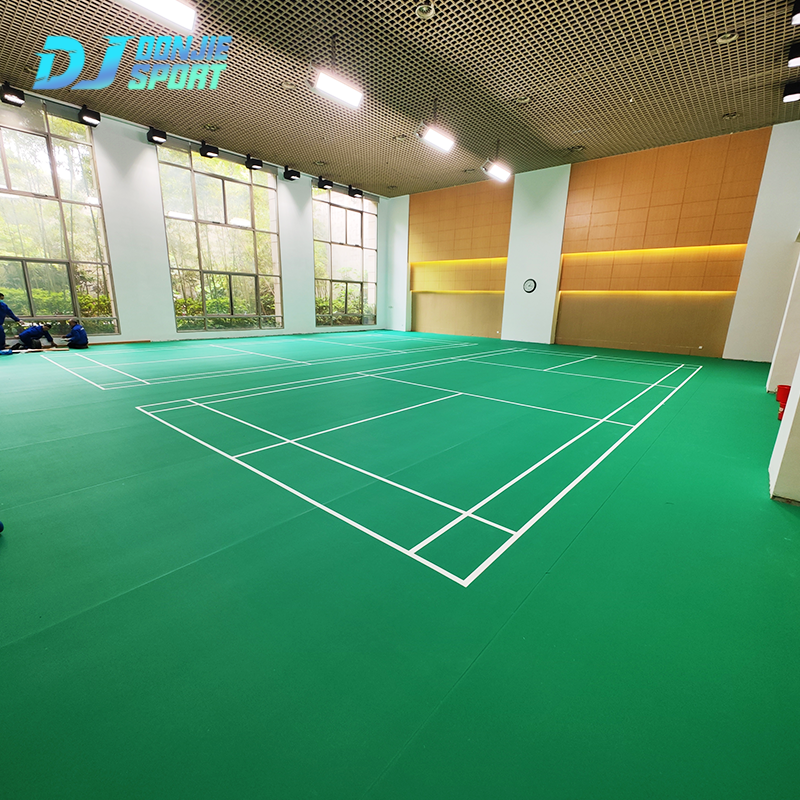
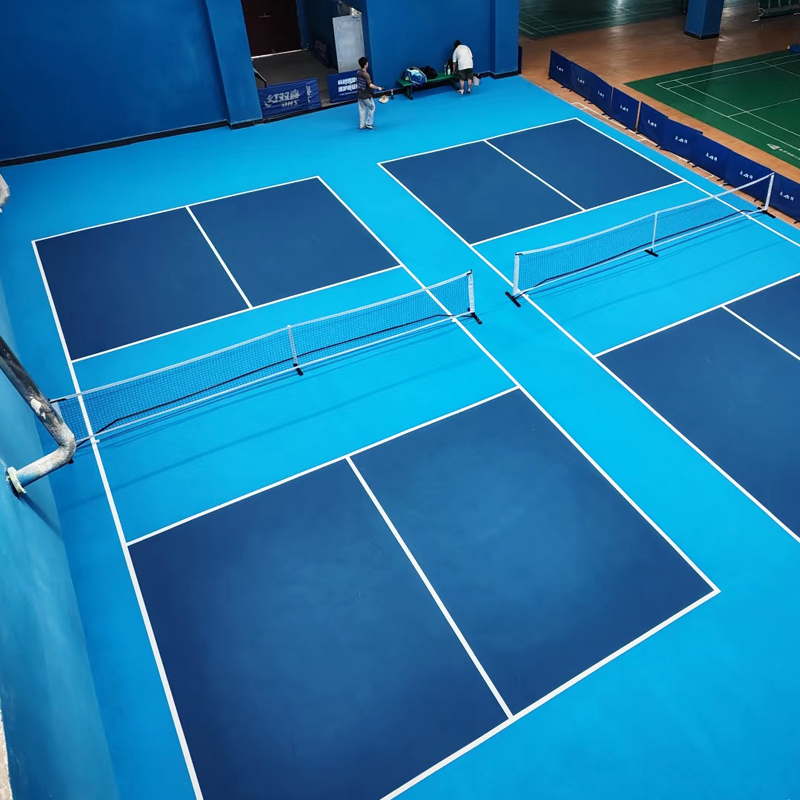
Pickleball floor mats are a popular flooring option for indoor and recreational courts. These mats are often made from durable materials like rubber, PVC, or foam composites, offering players a comfortable and safe surface to play on.
Key Features and Benefits of Using Floor Mats for Pickleball Courts
Floor mats are typically designed with convenience and comfort in mind. They provide excellent shock absorption, making them a great choice for reducing impact stress on players’ joints. This is especially important for pickleball, which involves a lot of lateral movement and quick directional changes.
The interlocking design of most floor mats makes them easy to install, allowing for a quick setup and adjustment if necessary. This modular design is also ideal for areas that require temporary or mobile courts, such as gymnasiums or multi-use sports facilities.
In addition to their comfort benefits, floor mats offer excellent sound dampening qualities, which can help reduce the noise level on a busy court, making them a good choice for environments where noise control is important.
Types of Materials Used in Floor Mats
Floor mats are available in several different materials, each with its own benefits:
-
Rubber Mats: Known for their durability and non-slip qualities, rubber mats are great for providing strong grip and minimizing risk of slipping during play.
-
PVC Mats: Lightweight, flexible, and easy to clean, PVC mats are a popular choice for indoor pickleball courts. They also offer good durability and long-lasting performance.
-
Foam Mats: Often used for indoor courts, foam mats provide the highest level of shock absorption, ensuring comfort for players during long hours of play.
Durability and Ease of Maintenance
Floor mats generally require minimal maintenance. Most can be easily cleaned with a broom or mop, making them perfect for environments that need a low-maintenance option. However, over time, heavy use may cause wear and tear on the surface, particularly in high-traffic areas, so it’s important to regularly check the mats for any signs of damage.
Exploring Pickleball Court Tiles
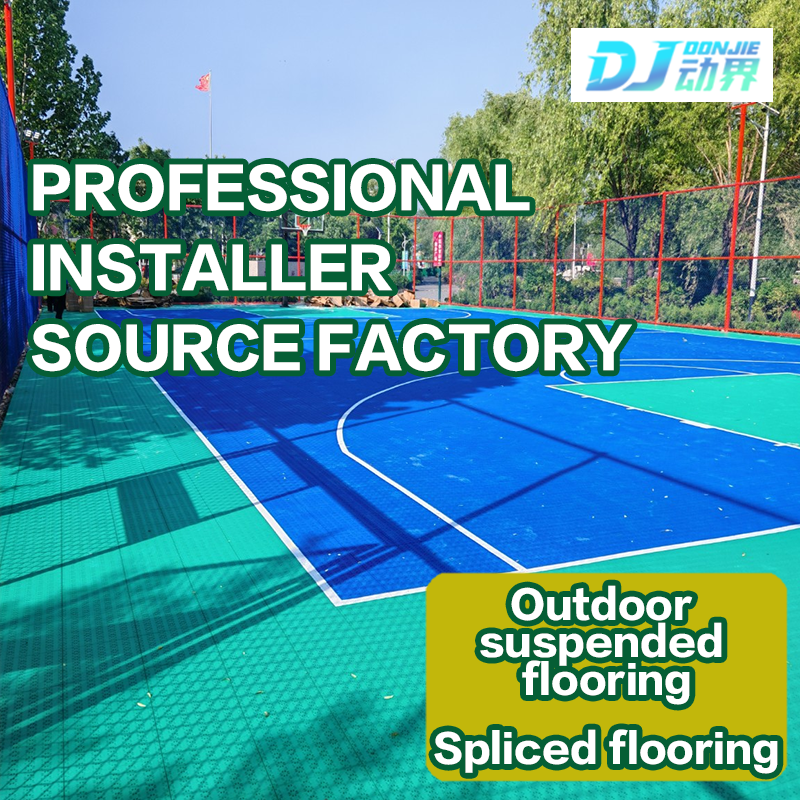
Pickleball court tiles, unlike floor mats, are individual, interlocking pieces that form the entire court surface. They are often made from high-density polyethylene (HDPE) or polypropylene, which offers superior strength and long-term performance.
Types of Interlocking Tiles Used in Pickleball Courts
Court tiles come in two main types: outdoor and indoor tiles. Outdoor tiles are designed to withstand various weather conditions, including sun, rain, and temperature fluctuations. Indoor tiles tend to be more lightweight and come in different textures to provide enhanced grip.
Advantages of Tiles in Terms of Installation and Customization
One of the biggest advantages of court tiles is their easy installation. Interlocking tiles snap together without the need for adhesives, making them a DIY-friendly option. They can be customized in various colors, designs, and patterns to create a visually appealing court.
Tiles also allow for easy replacement. If a section of the court gets damaged, individual tiles can be swapped out, which makes repairs quicker and more cost-effective than replacing an entire mat surface.
Performance Aspects
-
Shock Absorption: Tiles generally offer a slightly firmer surface than mats, but they still provide good shock absorption. The interlocking structure helps to minimize vibrations, offering comfort to players while also ensuring consistency across the court.
-
Stability and Traction: The textured surface of tiles offers better traction than some floor mats, which is essential for pickleball’s fast-paced nature. Players can expect stable footing, which helps prevent slips and falls.
Comparing Performance Factors: Mats vs. Tiles
Now, let’s dive into a side-by-side comparison of the key performance factors for both floor mats and tiles.
Shock Absorption
-
Floor Mats: Known for superior shock absorption, particularly foam mats, which make them ideal for players who need extra joint protection.
-
Tiles: Although tiles offer some shock absorption, they tend to be firmer, which may not provide as much cushioning as mats.
Traction and Grip
-
Floor Mats: Rubber and PVC mats provide a non-slip surface that works well in maintaining traction, but the level of grip may vary depending on the material.
-
Tiles: Tiles offer excellent traction due to their textured surface, which helps to prevent sliding during play.
Consistency
-
Floor Mats: Mats are generally more consistent, offering a smooth, seamless surface with fewer gaps.
-
Tiles: While tiles are interlocked for a continuous surface, small gaps between them may lead to slight inconsistencies. However, this can be minimized by proper installation.
Maintenance
-
Floor Mats: Mats are easy to maintain and clean, but excessive wear in high-traffic areas can cause surface damage.
-
Tiles: Tiles are generally low-maintenance, and individual tiles can be replaced if damaged. They may require more frequent cleaning to keep the gaps between tiles free from dirt and debris.
Comfort for Players: Which Surface is Better?
Comfort is a key consideration when selecting flooring for pickleball courts, especially for players who spend extended periods on the court. Both mats and tiles provide comfort in different ways.
Foot Pressure and Joint Health
-
Floor Mats: Mats, particularly foam mats, offer superior cushioning that helps reduce foot pressure, making them more comfortable for long matches.
-
Tiles: While tiles are firm, they still offer adequate comfort due to their shock-absorbing properties, though they might not be as cushioned as mats.
Long Play Durability
-
Floor Mats: Floor mats, especially those made from rubber or foam, offer a more forgiving surface, reducing strain on the body.
-
Tiles: Tiles may feel firmer, but the added traction and support they provide help maintain stability, making them ideal for players who prioritize a stable surface.
Cost Comparison: Mats vs. Tiles
When choosing flooring for a pickleball court, budget is always a consideration.
Initial Cost
-
Floor Mats: Floor mats generally have a lower initial cost, especially for foam and rubber options. They are a more affordable solution for temporary courts.
-
Tiles: Tiles tend to have a higher initial cost, especially high-quality interlocking ones. However, they are more durable in the long term.
Long-Term Costs
-
Floor Mats: Mats might need to be replaced more often, especially in high-use areas. However, maintenance costs are low.
-
Tiles: Although the upfront cost is higher, tiles are incredibly durable, reducing the need for replacement. Their modular design also makes repairs easier and cheaper.

Which is Better for Your Facility?
Choosing between pickleball floor mats and tiles depends on your facility’s needs. Here are some key factors to consider:
-
High Traffic vs. Low Traffic: If your facility hosts a lot of pickleball games, tiles may offer better long-term durability. Mats may be more suitable for smaller, less used courts.
-
Comfort and Safety: If player comfort and joint protection are priorities, floor mats (especially foam) will provide a better playing experience.
-
Budget: Floor mats are more affordable upfront but may need replacing sooner, while tiles are an investment that can last for years.
Conclusion
Both pickleball floor mats and tiles offer distinct advantages when it comes to court performance, comfort, and durability. Mats provide superior shock absorption, making them ideal for joint health, while tiles excel in offering stability and easy customization. Consider your facility’s needs, budget, and how frequently the court will be used to make the best decision.
For recreational centers and schools, floor mats might be the best option due to their lower cost and easy installation. For competitive arenas or facilities with high-traffic courts, tiles may be the superior choice due to their long-term durability and performance.