The quality of sports hall flooring plays a pivotal role in the safety, comfort, and overall performance of athletes. While the right flooring material ensures a smooth, durable surface for different types of sports, the installation process is just as crucial. Whether you’re installing new flooring in a gym, basketball court, or multi-purpose sports hall, overlooking key installation details can lead to costly mistakes that affect the floor’s lifespan, maintenance needs, and performance.
In this article, we’ll discuss common mistakes that often occur during sports hall flooring installation, providing you with the essential tips to avoid them. By following these best practices, you can ensure your sports hall flooring is not only functional but also long-lasting and safe for athletes.
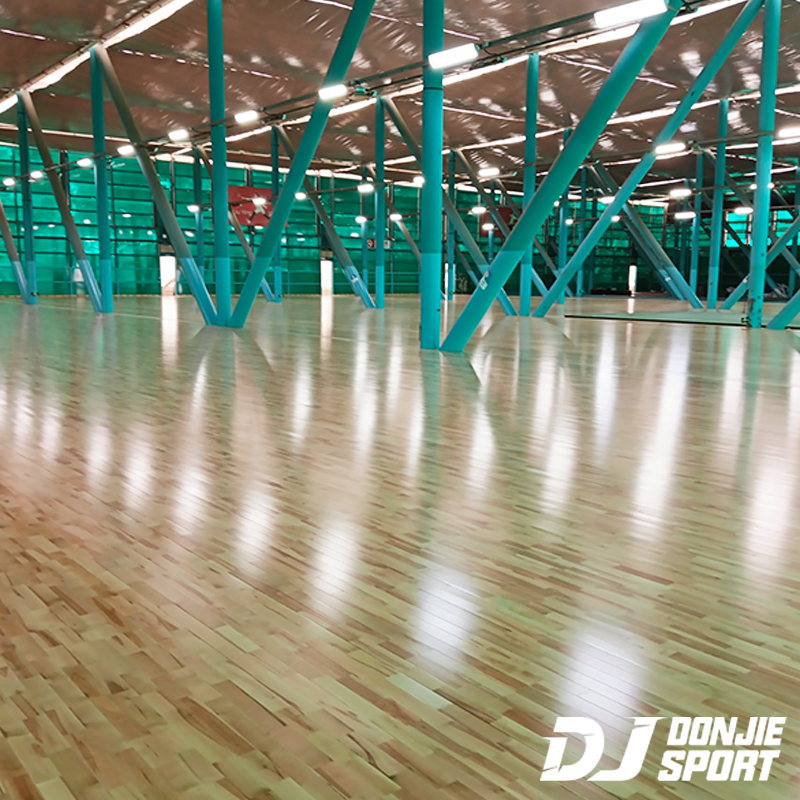
Understanding Different Sports Hall Flooring Options
When it comes to sports hall flooring, choosing the right material is essential for both performance and safety. There are several types of flooring options available, each with its unique advantages and potential drawbacks. Popular materials include wood, vinyl, rubber, and synthetic sports flooring, each designed for specific sports and levels of activity.
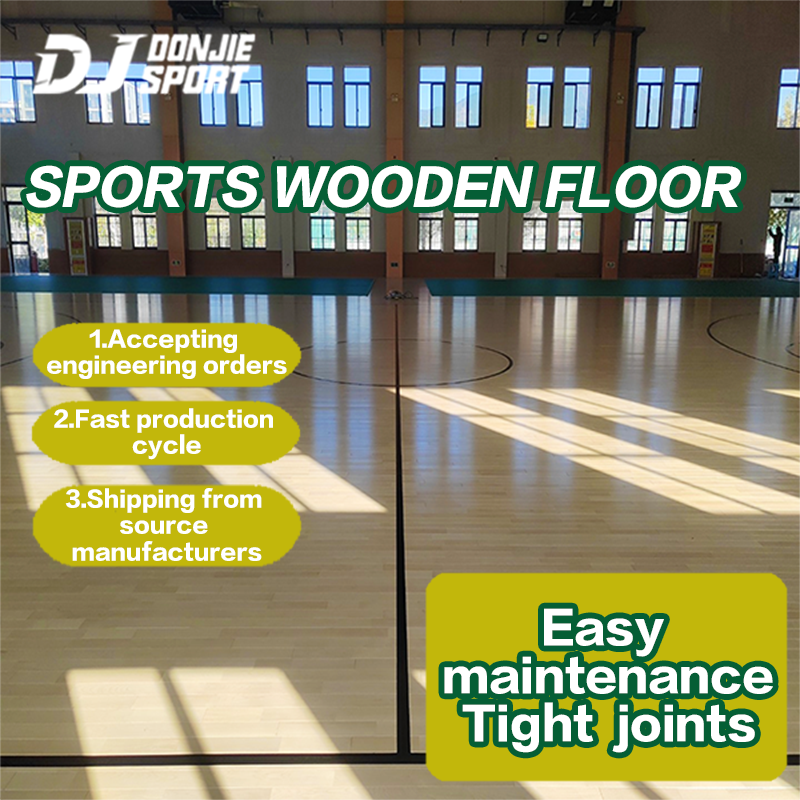
Wooden flooring, often chosen for basketball and volleyball courts, provides an authentic feel and a resilient surface that is ideal for high-impact sports. On the other hand, rubber and vinyl are more commonly used for multi-purpose sports halls due to their versatility and durability. While wood flooring offers a classic aesthetic, rubber and vinyl can often withstand more wear and tear and are easier to maintain.
Each flooring type comes with its installation requirements, so understanding the best material for the activity in your facility is key to avoiding installation mistakes. For instance, vinyl or rubber may require different preparation steps compared to wood, and each material may have specific subflooring needs that must be addressed before installation.
Mistake #1: Failing to Choose the Right Flooring for the Activity
One of the most common mistakes in sports hall flooring installation is failing to choose the right flooring for the specific activities that will take place in the facility. Different sports require different flooring characteristics to enhance both performance and safety. For example, basketball and volleyball courts need a resilient surface that offers shock absorption, while badminton or table tennis courts require a smoother, more consistent surface to ensure accurate play.
Before starting the installation, it’s essential to evaluate the types of sports and activities that will occur in the space. This step will help you select a flooring material that can handle the specific stresses and needs of those activities. For example, if your sports hall will host heavy-impact sports like basketball or indoor soccer, a durable wood or synthetic flooring with ample cushioning is necessary to protect athletes’ joints. On the other hand, if your hall is for multipurpose use, more versatile materials like vinyl or rubber might be more appropriate.
Mistake #2: Poor Subfloor Preparation
Subfloor preparation is an often overlooked aspect of the flooring installation process. A poor or uneven subfloor can cause serious issues such as cracking, warping, or shifting of the finished flooring. Ensuring the subfloor is clean, dry, level, and smooth is crucial for a long-lasting and functional flooring system.
Start by thoroughly inspecting the subfloor for any damage or irregularities, and take steps to correct any issues. If you’re installing vinyl or rubber flooring, make sure that the surface is smooth and free of debris or moisture. For wood flooring, it’s essential to ensure that the subfloor is both level and structurally sound to prevent any issues with the installation of the flooring.
Subfloor preparation is not just about aesthetics; it’s about creating a stable foundation that can support the weight and impact of the activities taking place on the sports hall floor. Take time to address any subfloor issues, and your new flooring will perform better in the long run.
Mistake #3: Ignoring Professional Installation
While DIY installation can seem like a cost-effective option, attempting to install sports hall flooring without professional help can lead to costly mistakes. Flooring installation requires technical expertise, especially when working with complex materials like wood or rubber that demand specific techniques for cutting, fitting, and sealing.
Professional flooring installers are trained to handle all aspects of the installation process, ensuring that the job is done correctly the first time. They can also identify potential issues early in the process and make recommendations for a more efficient installation.
Additionally, professional installers have access to the best tools and equipment, which ensures the precise installation of your flooring material. Investing in professional installation will save you time, money, and effort in the long run by avoiding the need for repairs or replacements caused by improper installation.
Mistake #4: Skipping Proper Acclimatization of Flooring Material
Acclimatization is an important but often overlooked part of the installation process. Flooring materials, especially wood, rubber, and vinyl, need time to adjust to the temperature and humidity levels of the installation environment before they can be laid down. Failing to acclimatize the flooring can lead to expansion, contraction, or warping after installation, resulting in an uneven surface that may require costly repairs.
To avoid this, always follow the manufacturer’s guidelines for acclimatization. For wood flooring, this means allowing the planks to adjust to the room’s temperature and humidity for 48 to 72 hours before installation. For synthetic flooring like vinyl or rubber, the material should be kept in the installation area for at least 24 hours to adapt to the room’s conditions.
Mistake #5: Inadequate Maintenance Planning
Proper maintenance is key to extending the lifespan of your sports hall flooring. Many facility owners fail to establish a maintenance plan, assuming that the flooring will remain in top condition without any additional care. However, different flooring materials require different types of maintenance to maintain their appearance and functionality.
Wooden flooring, for instance, requires regular refinishing and cleaning to prevent wear from foot traffic and equipment. Rubber and vinyl floors, while easier to maintain, still need periodic cleaning to remove dirt, grime, and moisture. Be sure to set up a regular maintenance schedule, including cleaning, repairs, and refinishing, to keep your sports hall flooring in excellent condition.
Mistake #6: Underestimating the Importance of a High-Quality Adhesive
Choosing the right adhesive is crucial for ensuring that the flooring stays in place over time. Using a low-quality or incorrect adhesive can lead to peeling, bubbling, or uneven flooring that may need to be replaced. It’s important to choose an adhesive that is compatible with the type of flooring material you’re using and the subfloor surface.
Consult with flooring professionals to determine which adhesive is best suited for your flooring material and the specific conditions of your sports hall. High-quality adhesive will ensure that your flooring remains securely in place, enhancing its durability and performance.
Mistake #7: Not Taking Local Climate Conditions Into Account
The local climate plays a significant role in the installation and performance of sports hall flooring. High humidity, extreme temperature fluctuations, or direct sunlight can all affect the integrity of flooring materials. For example, wooden floors can expand or contract in high humidity, while vinyl and rubber may become brittle or warp in extreme temperatures.
Before installation, it’s important to understand the environmental factors of your location. Take steps to control the indoor climate with proper ventilation, humidity control, and temperature regulation. By doing so, you can avoid problems like warping or cracking that could shorten the lifespan of your flooring.
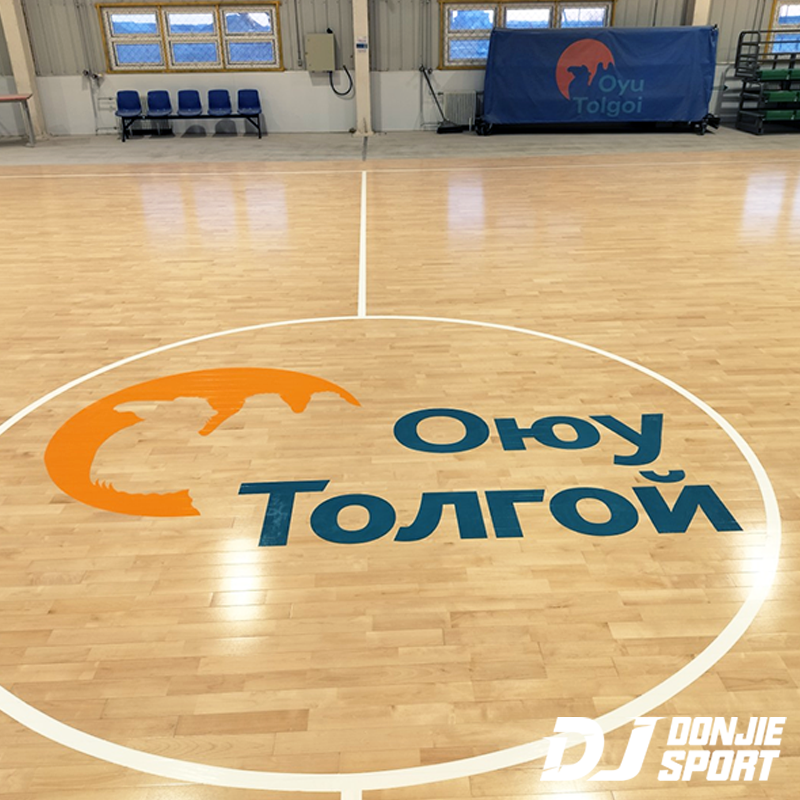
Ensuring Long-Lasting Sports Hall Flooring
Avoiding the common mistakes outlined in this article is essential for ensuring the longevity, safety, and performance of your sports hall flooring. Whether you’re installing a new floor or refurbishing an existing one, taking the time to choose the right material, prepare the subfloor correctly, and hire professional installers will pay off in the long run. Proper maintenance and attention to climate factors will also extend the life of your sports hall flooring, ensuring that it remains in top condition for years to come.