When setting up a table tennis court, the flooring choice is crucial for both player performance and safety. The right flooring can significantly affect speed, control, and overall gameplay quality. Table tennis is a fast-paced sport, requiring rapid movements, precise footwork, and high levels of agility. Therefore, the surface underfoot must provide the right amount of traction, cushioning, and durability to support these needs. As a result, understanding the impact of table tennis flooring on performance is essential for designing a court that enhances the playing experience while reducing the risk of injury. Whether for a professional setting or a recreational venue, selecting the right material and construction for the floor is foundational to achieving optimal results.
The Role of Floor Material in Performance
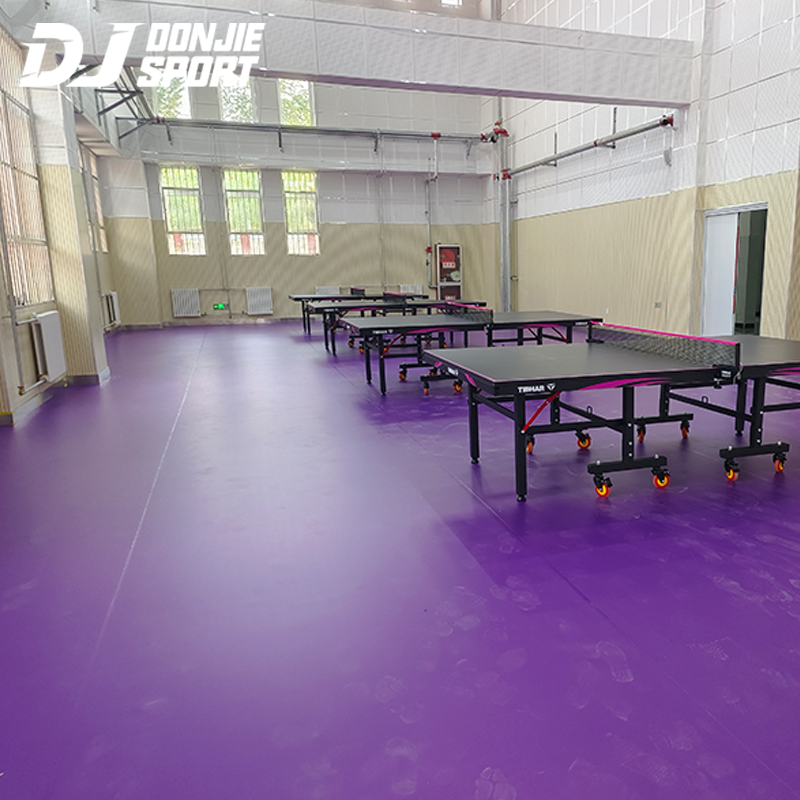
When it comes to table tennis flooring, the material choice plays a pivotal role in player performance. Different materials offer varying levels of traction, bounce, and durability, which directly affect gameplay. Commonly used materials for table tennis flooring include PVC, wood, and rubber, each offering distinct advantages.
-
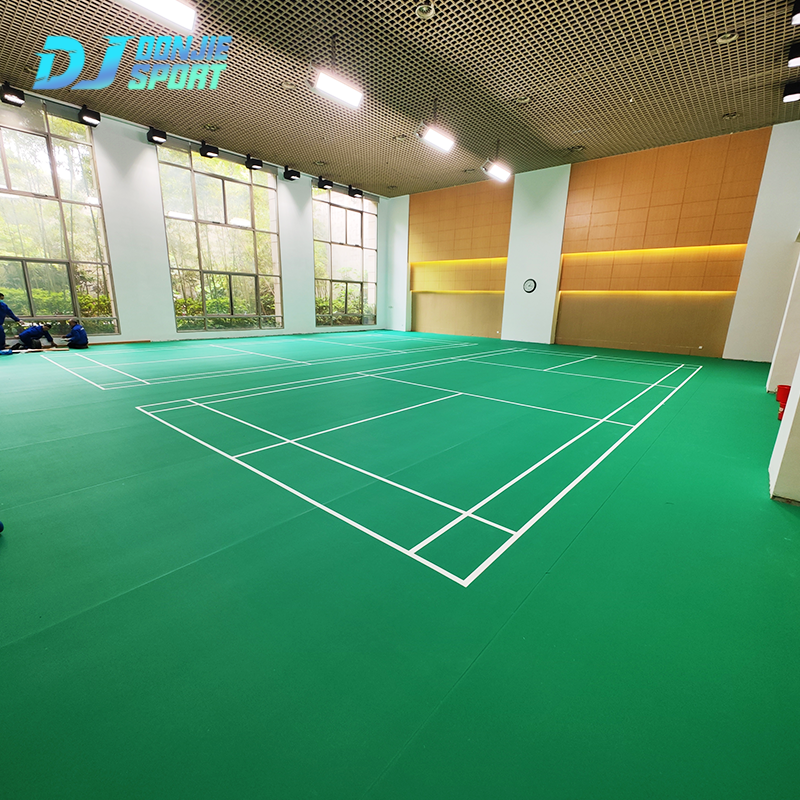
PVC Flooring: PVC is one of the most popular materials for table tennis courts. It provides excellent shock absorption and traction, which helps players maintain balance during fast movements. Its durability ensures that it can withstand the rigors of both recreational and professional use. Additionally, PVC flooring is relatively easy to maintain and offers a smooth, even surface, ideal for consistent ball bounce.
-
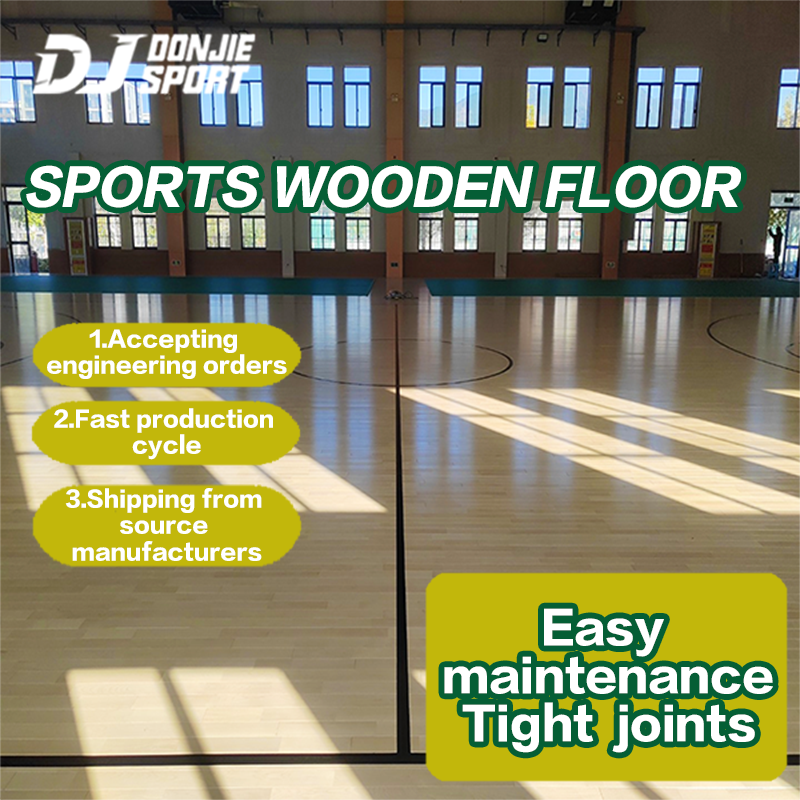
Wood Flooring: Wood is often used in professional or high-end venues, as it provides a traditional, aesthetic appeal while offering superb ball bounce. Wooden floors are highly favored in international competitions due to their consistent performance. However, wood can be more susceptible to wear and moisture, requiring more maintenance compared to synthetic options.
-
Rubber Flooring: Rubber is another viable option, particularly in environments where cushioning is essential. Rubber floors provide excellent shock absorption, reducing the risk of player injuries and minimizing joint strain. This makes rubber flooring a great choice for training facilities and schools.
Each material influences the dynamics of the game, so understanding the impact of the floor material on player movement and ball behavior is key to making the right decision.
Thickness and Cushioning
The thickness of the flooring also affects player performance, especially when it comes to shock absorption and comfort. Thicker floors tend to provide better cushioning, which is essential for preventing injuries during high-intensity games.
-
Shock Absorption: A well-cushioned floor helps absorb the shock of each step and jump, reducing the strain on players’ knees, ankles, and hips. This is particularly important in training environments, where players are often on the court for extended periods. For competitive play, a slight cushioning effect also helps players maintain their energy and stamina throughout the game.
-
Floor Thickness Recommendations: The ideal thickness can vary depending on the type of play. For professional courts, a thickness of around 5–8mm is commonly recommended, as it offers an optimal balance of performance and protection. For school or recreational courts, a slightly thinner floor may be appropriate (around 4–5mm), especially if the primary goal is ease of maintenance and budget considerations.
Choosing the right thickness ensures that players can perform at their best while also maintaining long-term health and safety.
Surface Texture and Traction
The surface texture of the flooring plays a critical role in traction, which affects player movement and control. Proper traction allows players to quickly change direction, stop abruptly, and execute fast footwork with precision.
-
Textured Surfaces: Flooring with a textured surface provides the necessary grip to avoid slipping, which is crucial for table tennis, where rapid lateral and forward movements are common. A smooth, slippery surface can hinder a player’s ability to perform complex maneuvers, leading to mistakes and potential injuries.
-
Optimal Traction: The flooring texture should offer a balance between providing grip and not being too abrasive. For professional courts, the floor texture must allow for fast movements while ensuring that players don’t lose their footing. In recreational settings, the flooring should be less aggressive, as it caters to players with varying skill levels.
Choosing the right surface texture enhances not only the safety of players but also their overall performance, enabling them to execute their moves efficiently and with confidence.
Shock Absorption and Player Comfort
Beyond preventing injury, shock absorption also contributes to overall player comfort. Table tennis players are constantly on the move, jumping, lunging, and pivoting, so flooring that reduces joint impact is crucial for long-term health and comfort.
-
Reduced Impact on Joints: Flooring with high shock absorption properties helps minimize the impact of each step, jump, or fall. This reduces the risk of chronic injuries, such as knee and back problems, which can arise from repetitive stress. It also contributes to overall player comfort, allowing them to focus on the game rather than being distracted by joint pain.
-
Comfort for Extended Play: For training facilities or amateur players who may spend hours on the court, comfort becomes a significant factor. Floors with sufficient cushioning allow players to play longer without discomfort, enhancing both their performance and enjoyment of the sport.
Durability and Maintenance
A table tennis floor must be durable enough to withstand heavy use while maintaining consistent performance. The durability of the flooring affects not only the lifespan of the court but also the level of maintenance required.
-
Durable Materials: Flooring materials like PVC are particularly favored for their durability. They are resistant to wear and tear and can handle constant foot traffic and the impact of the ball. For competitive or high-traffic venues, flooring must endure frequent use without losing its quality.
-
Maintenance Considerations: A flooring material that is easy to clean and maintain will ensure that the court remains in top condition for longer. PVC and rubber floors are relatively low-maintenance, requiring occasional cleaning and resurfacing to retain their properties. In contrast, wood floors may need periodic refinishing to maintain optimal play conditions.
Flooring for Professional vs. Amateur Players
The needs of professional and amateur players can differ greatly when it comes to table tennis flooring. Professional courts demand the highest standards in terms of material quality, consistency, and performance.
-
Professional Courts: High-quality wood or PVC flooring is typically used in professional competitions due to the need for precise ball bounce and consistent traction. These courts are designed to meet international standards, ensuring a fair playing surface for all competitors.
-
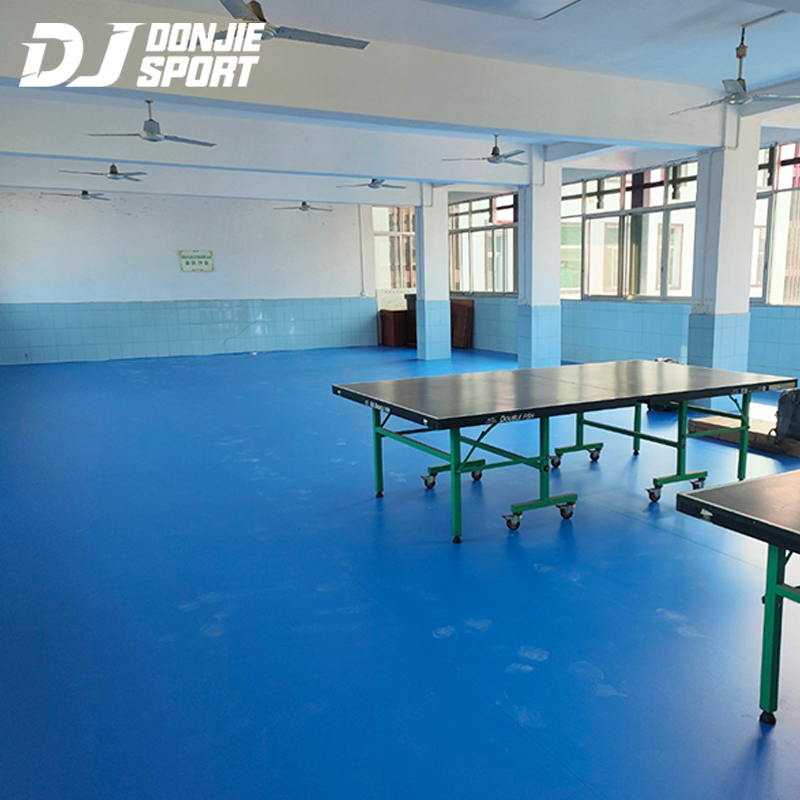
Amateur and School Courts: For recreational or school environments, cost-effectiveness and ease of installation are often prioritized. PVC and rubber flooring options are commonly used for these types of venues, as they offer a good balance of durability, safety, and affordability.
Conclusion
In conclusion, the choice of table tennis flooring plays a significant role in determining player performance. Material selection, thickness, surface texture, and durability all contribute to how well a player can perform on the court. By understanding these key factors, you can ensure that the flooring chosen is not only functional but also enhances the overall playing experience. Whether for a professional venue or a school gym, investing in the right table tennis flooring can improve both player safety and performance.