Dance Flooring plays a foundational role in how dancers move, train, and perform. Beyond aesthetics, the right Dance Flooring directly affects balance, joint protection, energy return, and overall confidence. Whether a studio specializes in classical ballet or offers a wide range of dance disciplines, selecting the appropriate Dance Flooring is a strategic decision that influences safety, longevity, and teaching quality.
What Defines Ballet Floors Within Professional Dance Flooring Systems
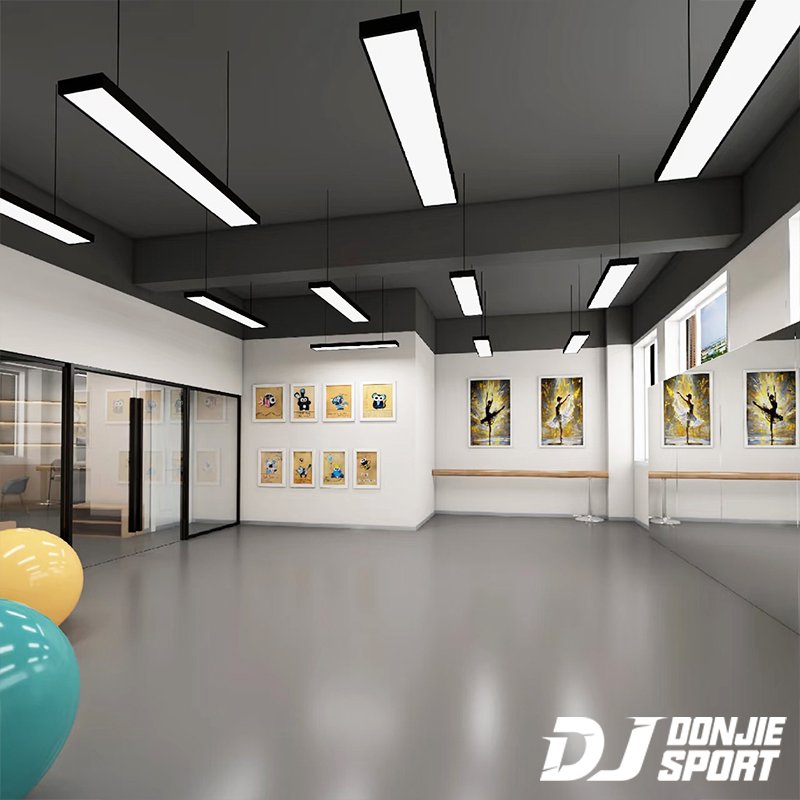
Ballet Floors are a specialized category of Dance Flooring designed to support precise footwork, controlled turns, and extended pointe work. Typically installed over sprung subfloor systems, Ballet Floors offer consistent shock absorption and a smooth, semi-matte surface that allows for controlled glide without excessive slip. This type of Dance Flooring is engineered to meet the biomechanical demands of classical ballet technique.
Key Characteristics of General Dance Flooring for Multi-Style Studios
General Dance Flooring is designed for versatility. It accommodates multiple dance styles such as jazz, contemporary, hip-hop, ballroom, and fitness-based movement. Unlike Ballet Floors, general Dance Flooring prioritizes balanced traction and durability across varied movement patterns. This makes it an ideal solution for studios offering diverse class schedules or shared spaces.
Surface Texture Differences Between Ballet Floors and General Dance Flooring
Surface texture is one of the most noticeable distinctions in Dance Flooring. Ballet Floors typically feature a smoother finish to support clean pirouettes and seamless transitions. General Dance Flooring often has a slightly higher grip level to support dynamic movements, slides, and quick directional changes. Choosing the right Dance Flooring texture helps dancers maintain control without compromising fluidity.
Shock Absorption and Subfloor Requirements in Dance Flooring Selection
Both Ballet Floors and general Dance Flooring benefit from proper subfloor systems, but the requirements differ. Ballet Floors often rely on advanced sprung subfloors to reduce impact during jumps and landings. General Dance Flooring may use modular or cushioned backing systems that balance comfort with cost efficiency. Proper shock absorption in Dance Flooring significantly reduces the risk of overuse injuries.
How Ballet Technique Influences Specialized Dance Flooring Design
Ballet technique demands precision, alignment, and repetition. Ballet Floors are designed to support these needs through uniform surface response and predictable energy return. This specialized Dance Flooring helps dancers maintain stability during relevés, pointe work, and adagio movements, ensuring consistency across the studio floor.
Versatility and Adaptability of General Dance Flooring Across Dance Styles
General Dance Flooring excels in adaptability. Studios that host multiple disciplines benefit from Dance Flooring that can withstand varied footwear, movement intensity, and choreography styles. This type of Dance Flooring supports both barefoot and sneaker-based dancing, making it a practical solution for modern, mixed-use studios.
Injury Prevention Considerations When Choosing Dance Flooring
Injury prevention is a critical factor when evaluating Dance Flooring. Ballet Floors focus on minimizing stress to ankles and knees during repetitive classical movements. General Dance Flooring emphasizes overall joint protection across a wider range of activities. Choosing the right Dance Flooring ensures dancers train safely while maintaining peak performance levels.
Durability and Maintenance Expectations for Different Dance Flooring Types
Maintenance requirements vary between Ballet Floors and general Dance Flooring. Ballet Floors may require more frequent cleaning to preserve surface consistency, while general Dance Flooring is often designed for high-traffic use with minimal upkeep. Durable Dance Flooring reduces long-term maintenance costs and keeps studios operating efficiently.
Cost Comparison and Long-Term Value of Ballet Floors vs. Dance Flooring
Initial costs for Ballet Floors are often higher due to specialized materials and subfloor systems. However, for ballet-focused studios, this investment in Dance Flooring delivers long-term value through enhanced performance and reduced injury risk. General Dance Flooring typically offers a more budget-friendly solution with broad functionality, making it ideal for studios prioritizing flexibility.
Choosing the Right Dance Flooring Based on Studio Focus and Class Offerings
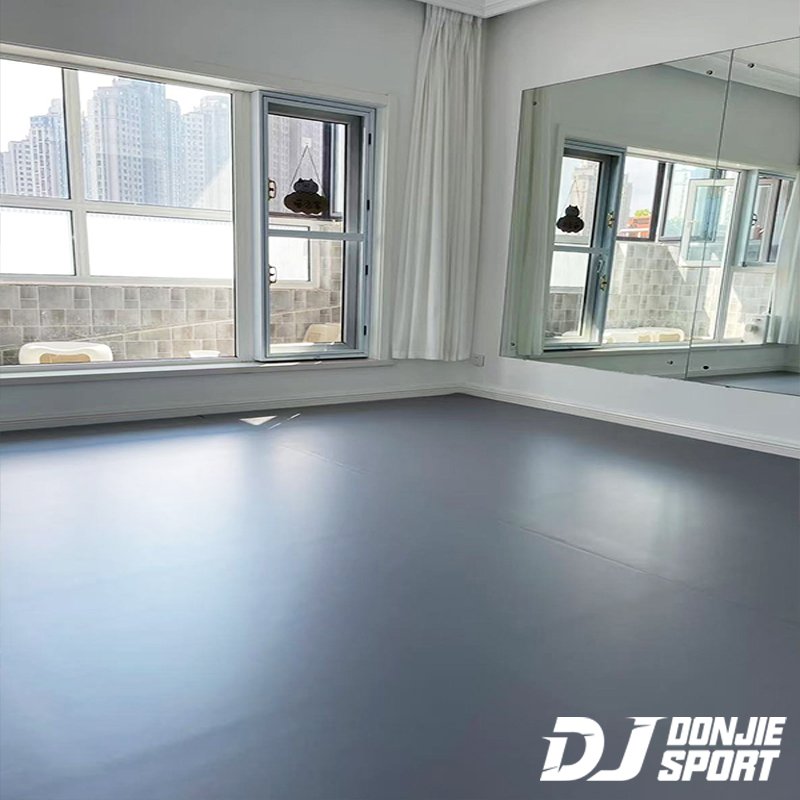
The right Dance Flooring depends on a studio’s primary focus. Ballet-centric studios benefit from Ballet Floors designed for classical technique. Studios offering multiple styles may find general Dance Flooring to be the most practical choice. Aligning Dance Flooring selection with teaching goals ensures optimal results for both instructors and students.
How Professional Dance Flooring Impacts Student Experience and Studio Reputation
High-quality Dance Flooring enhances the overall learning environment. Dancers feel more confident, instructors can teach more effectively, and studios project professionalism. Whether choosing Ballet Floors or general Dance Flooring, investing in the right solution strengthens studio reputation and supports long-term growth.