When it comes to dance, the right flooring is essential to the success of both practice sessions and live performances. Dance floors are not just surfaces to dance on; they directly affect a dancer’s technique, safety, and overall experience. Whether you’re training for hours at a studio or preparing for a high-stakes performance, the flooring you choose can make all the difference.
In a dance studio, the primary goal of the flooring is to support dancers during long hours of rehearsal and training. It needs to provide adequate cushioning to prevent injuries and ensure comfort. On the performance stage, however, the flooring must not only meet functional needs but also contribute to the overall aesthetic of the production. The flooring should enhance the beauty of the performance while ensuring the safety of the dancers.

Understanding the Different Stages: Practice vs. Performance
When selecting dance flooring, it’s important to understand that the needs for practice and performance environments are quite different. The flooring in your practice space needs to prioritize durability, safety, and comfort, whereas flooring on the performance stage must also consider aesthetics and stage dynamics.
Practice Flooring Needs
In the studio, dancers spend hours perfecting their technique. The flooring must withstand constant use and provide enough cushion to reduce the impact of high-intensity movements, jumps, and landings. It should be easy to maintain and resistant to wear, ensuring that it lasts through frequent use.
Performance Flooring Needs
In contrast, performance floors need to have an optimal balance of comfort and aesthetics. They must provide enough cushioning to prevent injuries during high-impact moves, but they should also be designed to create the perfect visual setting for a show. Grip, smoothness, and stage-specific features, like reflectivity and sound, also play an essential role.
Understanding these differences will help you decide on the right type of flooring for each environment.
Key Considerations for Practice Dance Flooring
Choosing the right flooring for a practice environment involves several important factors. A well-chosen practice floor can support long training hours while minimizing the risk of injury and fatigue.
Durability
Since practice floors experience heavy usage, they need to be durable enough to withstand constant movement and contact with shoes, feet, and props. Vinyl flooring, for example, is highly resistant to damage from high-impact activity and is easy to maintain.
Comfort
Cushioning is crucial in practice floors. Dancers spend hours moving, jumping, and performing intense steps, so the floor needs to provide ample shock absorption. Floors with a cushioned underlayer (like sprung floors) are ideal, offering comfort without compromising the performance of the dance moves.
Flexibility
Different dance styles require different levels of flexibility in flooring. Ballet requires a smooth, stable surface, while hip-hop demands a more resilient floor that can handle sharper, quicker movements. A versatile floor that can accommodate various dance styles will save both time and money.
Maintenance
The practice floor needs to be easy to clean and maintain. Floors that are highly resistant to dirt, scuff marks, and stains, such as vinyl or rubber, ensure that the space remains clean and functional without extensive upkeep.
Choosing Performance Dance Flooring: The Show Must Go On
When it comes to performance, the flooring needs to elevate the dancers’ experience and ensure that their movements are both safe and impressive. The right flooring can make a show more enjoyable for both the dancers and the audience.
Aesthetic Appeal
For performances, the look of the floor is just as important as its functionality. Dance floors in performance spaces are often selected to match the overall theme and ambiance of the show. For instance, wooden floors can add a classic, elegant touch, while glossy vinyl can offer a modern, sleek finish.
Shock Absorption
While aesthetics are important, safety is paramount. A performance floor must absorb shock effectively, especially in high-energy routines that involve jumps or stunts. Sprung floors are the go-to choice for reducing impact, but these should still offer a stable, firm surface for complex choreography.
Grip and Traction
The grip of the floor is another critical factor. Too much grip can slow dancers down, while too little can lead to slipping. A good performance floor should offer just enough traction to allow for quick movements without the risk of sliding.
Flooring Material Options
For performance, flooring materials should be chosen based on the type of event and the specific needs of the performance. Wood floors provide a rich, classic look but require more maintenance. Vinyl is easier to clean and offers a more affordable, flexible option. Marley flooring, a popular choice for professional touring dancers, is another ideal option as it’s portable and can be rolled up for transport.
Popular Dance Flooring Materials: Pros and Cons
Different types of dance flooring materials offer unique benefits. Choosing the right one depends on the dancer’s style, the frequency of use, and the specific environment. Here’s a closer look at some of the most popular options:
Wood Flooring
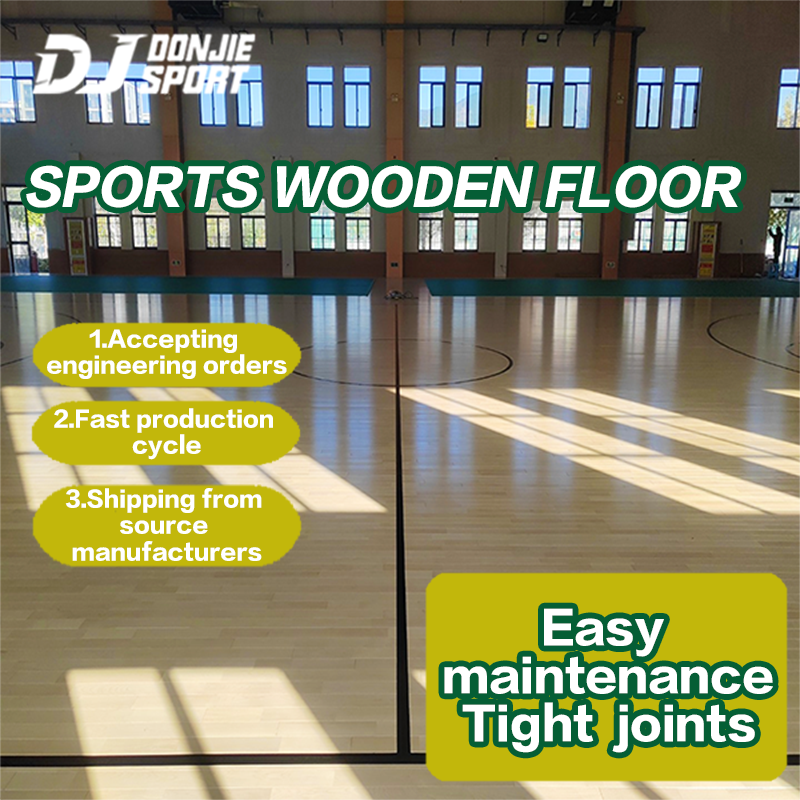
Wooden dance floors are traditional, elegant, and offer excellent durability. They provide a firm, stable surface ideal for ballet and other classical dance forms. However, wood floors are susceptible to scratches and require regular maintenance.
Vinyl Flooring
Vinyl is a versatile and affordable flooring material that can be used in both practice and performance spaces. It’s available in various finishes and thicknesses, providing cushioning and durability. However, vinyl can wear out faster if not maintained properly.
Sprung Floors
Sprung floors are often used in professional studios and performance venues because they offer superior shock absorption. These floors are made with a cushioned base that reduces impact, making them ideal for high-impact movements like jumps and turns.
Marley Flooring
Marley flooring is a portable, temporary solution often used in dance studios and during performances. It’s designed to provide excellent grip and durability. While it may not offer the same level of cushioning as sprung floors, it’s easy to install and maintain.
The Importance of Flooring in Creating a Safe and Comfortable Environment
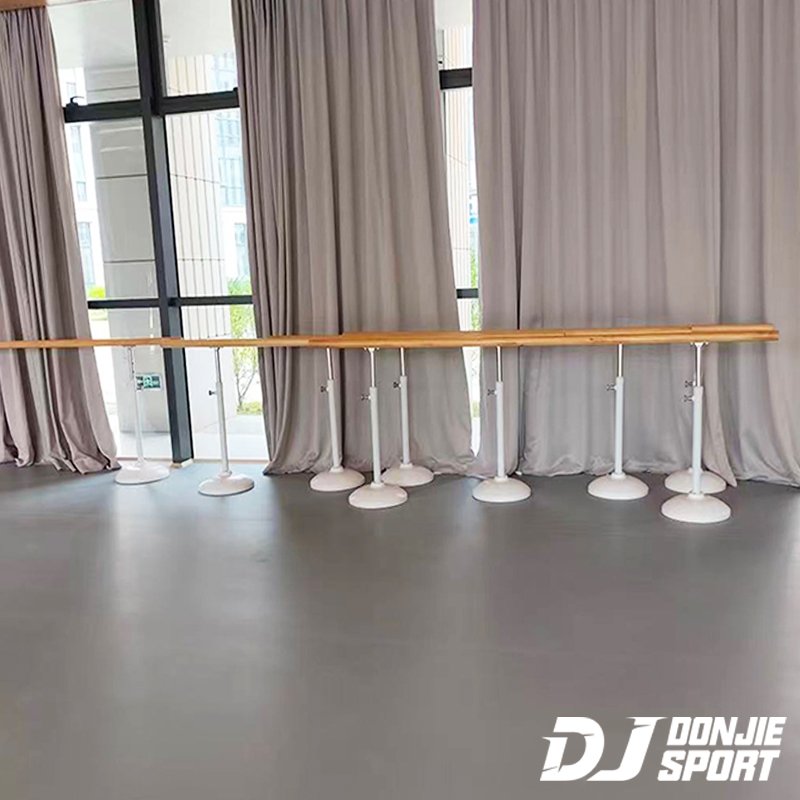
The right dance floor ensures that dancers are protected from injury and can perform their best. Without proper cushioning, dancers risk suffering from joint pain, strains, and sprains. In addition to reducing impact, the floor should be non-slip to prevent accidents during high-speed movements. For both practice and performance, a quality floor creates a safe, supportive environment that helps dancers reach their full potential.
Factors to Consider for Both Practice and Performance
While practice and performance environments have distinct flooring needs, there are several factors that are essential in both settings.
Cost-effectiveness
Budget is always a consideration, and you’ll want to balance cost with quality. While sprung floors and high-end materials like hardwood may offer the best performance, there are more affordable alternatives like vinyl that can still provide solid functionality without breaking the bank.
Adaptability
Dance flooring should ideally be adaptable to various environments. A versatile floor that transitions easily from practice to performance will save on costs and make your space more functional.
Longevity
The right flooring should last for years, even with regular use. Choose a material that will stand the test of time and maintain its appearance and functionality for both daily practice and performance events.
Finding the Perfect Dance Flooring for Your Studio and Stage
Choosing the right dance flooring is an investment in the success and safety of your dance studio and performances. Whether you’re outfitting a practice space or selecting flooring for a grand stage, it’s crucial to find the perfect balance of durability, comfort, and performance. By understanding the differences between practice and performance needs, you’ll be able to make a well-informed decision that supports your dancers, enhances their craft, and elevates every performance.
Remember to consider factors such as material, cost, maintenance, and safety to choose the ideal floor for both training and showcasing talent. With the right flooring, dancers will have the ideal foundation to take their craft from practice to performance, ensuring a smooth, safe, and successful journey.