Dance floors are not just a physical surface in a studio; they are an integral part of a dancer’s training and performance. Whether you are teaching ballet, hip-hop, contemporary dance, or any other style, the right flooring plays a crucial role in the safety, comfort, and overall performance of the dancers. A professional studio requires high-quality dance floors that offer the perfect balance of shock absorption, durability, and comfort. The right flooring ensures that dancers can perform their best while reducing the risk of injury. This article explores what makes a dance floor ideal for professional studios, from the materials and features to the impact on performance and safety.
The Core Features of Ideal Dance Floors
Material Matters: Choosing the Right Dance Floor Material
When it comes to choosing the right dance floor, the material is paramount. The flooring should provide the proper balance between comfort, durability, and performance. Common materials include wood, vinyl, and marley, each offering unique benefits.
-
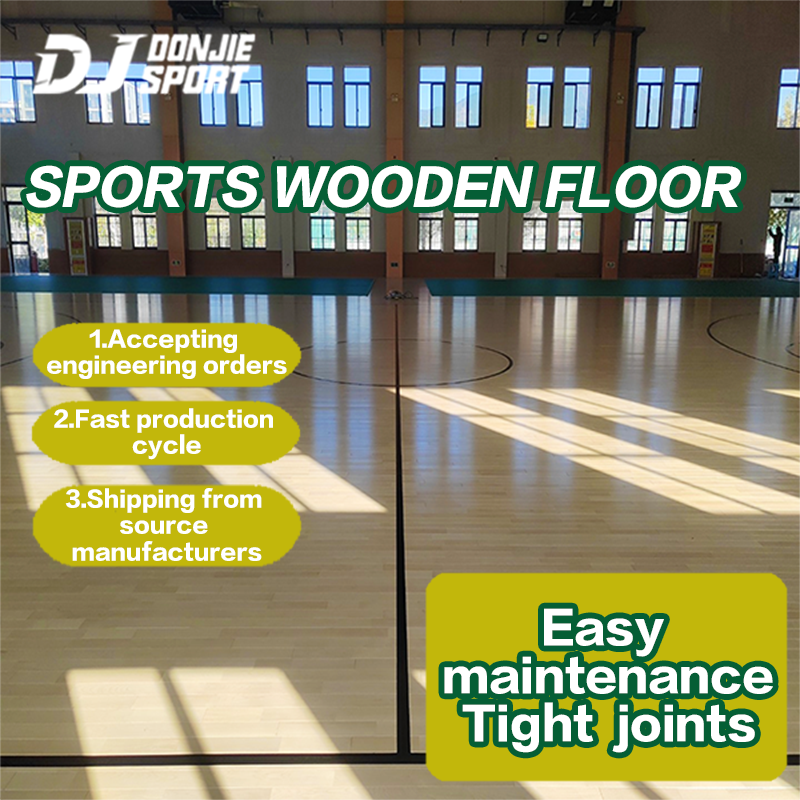
Wood: Known for its aesthetic appeal and classic feel, wood is often used in ballet and other traditional dance forms. Its natural elasticity provides some give to help absorb shock and reduce the impact on joints. However, it requires proper maintenance and can be slippery if not treated correctly.
-
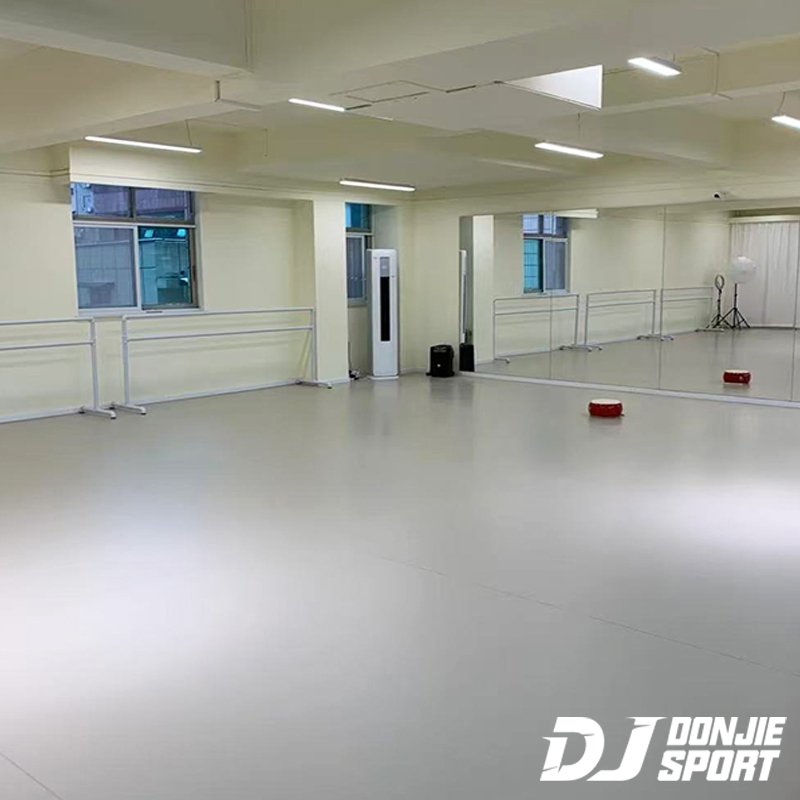
Vinyl/Marley: Popular for versatility and affordability, vinyl flooring offers durability and is easy to clean. It provides a consistent, smooth surface ideal for various dance styles like contemporary, jazz, and hip-hop. Marley floors, a form of vinyl, are commonly used in professional dance studios due to their flexibility and non-slip surface.
-
Sprung Floors: These are typically a combination of materials designed for shock absorption. A sprung floor, usually layered with plywood and other cushioning elements, reduces the impact on dancers’ joints and provides better support for high-impact movements.
Choosing the right material depends on the style of dance being practiced, the type of performance required, and budget considerations. Each type of flooring will influence how the dancers move and perform on it, so it’s important to match the material to the specific needs of the studio.
Shock Absorption and Resilience
One of the most critical features of an ideal dance floor is shock absorption. Dancers perform high-impact movements like jumps, turns, and leaps that place strain on the joints, particularly the knees, ankles, and hips. Flooring with proper shock absorption helps mitigate this strain by reducing the impact force transmitted to the dancer’s body.
A sprung floor or cushioned vinyl is designed to absorb some of the force from jumps, protecting the dancer from injury while maintaining the necessary resilience to support fast movements. The more shock-absorbent the floor, the better it is for long-term health and performance. In fact, floors with poor shock absorption can lead to fatigue and long-term injuries, making this feature non-negotiable for any professional studio.
Slip Resistance for Safety
Safety should always be a top priority when choosing dance floors for a professional studio. Slippery surfaces can lead to dangerous falls and injuries, particularly during fast or intricate movements. A high-quality dance floor must provide the right level of slip resistance—neither too slippery nor too sticky.
The ideal dance floor offers just enough traction to prevent slipping while allowing for smooth movement. For example, marley floors are specifically designed to balance friction and slip resistance, making them perfect for a wide range of dance styles. The texture and finish of the floor should support dancers as they pivot, turn, and slide without causing them to feel stuck or restricted.
Durability and Longevity of Dance Floors
Dance studios are high-traffic environments, and floors undergo significant wear and tear. Therefore, durability is another key factor in selecting the ideal dance floor. High-quality floors should last for years without losing their performance characteristics.
Wooden floors, for instance, can be refinished if they become worn, but they require regular upkeep to maintain their surface. Vinyl floors are typically more durable and resistant to everyday wear, though they may need to be replaced after years of heavy use. A properly maintained floor should be able to withstand thousands of hours of practice without compromising its functionality or aesthetic appeal.
How Dance Floors Contribute to Dancer Performance
Enhanced Movement Flow and Flexibility
The right dance floor allows dancers to flow seamlessly through their movements. Whether it’s a soft plié or a rapid spin, the floor should offer a balance of flexibility and support. A floor that is too hard or too soft can disrupt the flow of movement, affecting the dancer’s performance.
Wooden floors are often favored for their slightly springy quality, which gives dancers the necessary bounce for jumps while maintaining a stable surface for intricate footwork. Vinyl floors, on the other hand, provide a uniform surface that allows for smooth sliding and consistent traction. The ability of a floor to accommodate different styles—whether it’s the light, airy leaps of ballet or the quick, dynamic footwork of tap—is crucial for maximizing performance.
Floor Responsiveness for Precision in Dance
Precision is key in many forms of dance. A floor’s responsiveness—the way it reacts to a dancer’s movement—can have a significant impact on the performance. For instance, ballet dancers rely on the floor’s ability to “push back” just enough to aid in their jumps and turns. Floors with too much give may not provide the required firmness for precision, while those that are too rigid can limit the dancer’s control.
The ideal floor offers enough feedback to help dancers maintain proper technique and execution. This balance of resilience and responsiveness is what allows dancers to perform complex choreography with confidence and control.
Maintenance and Care: Keeping Dance Floors in Top Condition
Regular Maintenance and Cleaning Guidelines
Maintaining dance floors is crucial for both safety and longevity. Regular cleaning helps prevent the build-up of dust, dirt, and moisture, which can lead to slipping hazards and surface damage. For wood floors, sweeping and using a damp mop with a specialized wood cleaner is recommended. Vinyl floors typically require less effort but still need to be cleaned with appropriate solutions to avoid residue build-up that can affect traction.
Dirt and grime can also wear down the surface over time, so it’s essential to implement a cleaning routine to preserve the floor’s appearance and performance.
Preventing Wear and Tear Over Time
To prevent damage, especially to high-traffic areas, it’s important to use floor protectors and mats when not in use. Footwear also plays a role in the wear of the flooring. Dance shoes with rubber soles or hard tips can leave marks or scratches on vinyl or wood floors. Proper footwear should be encouraged, and any scuff marks should be cleaned immediately to avoid permanent damage.
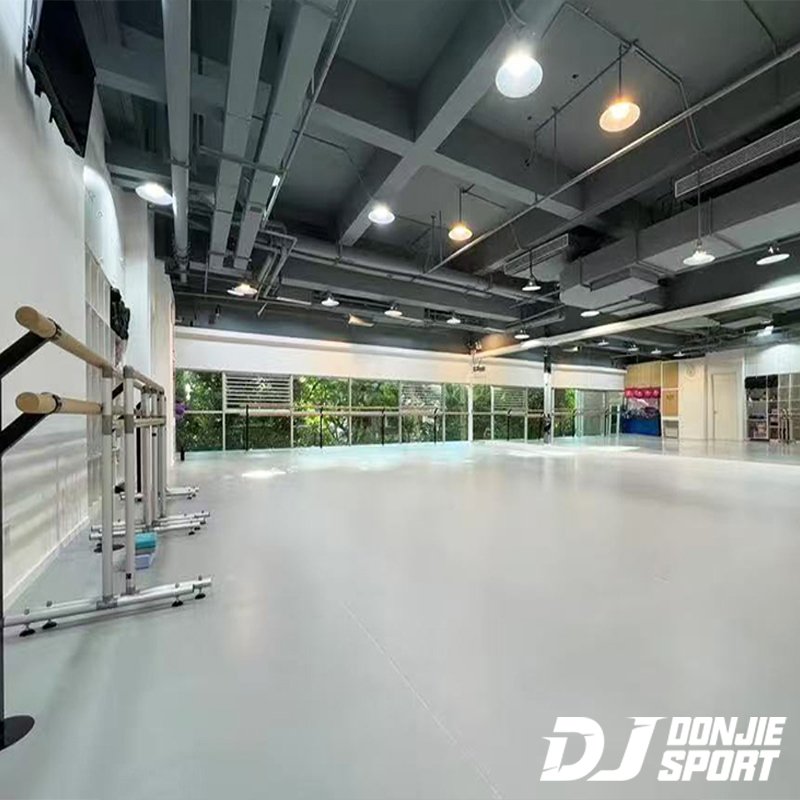
Customization and Aesthetic Considerations
Personalizing Dance Floors to Fit Studio Themes
A dance studio is not just a place for practicing; it’s a space for inspiration. The look of the floor can enhance the atmosphere and provide a sense of professionalism and identity to the studio. Customizing the design of the floor—whether through logos, colors, or patterns—can contribute to the branding and aesthetic appeal of the studio.
Custom floor options like printed marley or patterned vinyl allow studios to stand out and create a unique environment that reflects their style and philosophy.
Acoustic and Visual Considerations
For certain dance styles, especially tap, the acoustics of the floor are just as important as its texture. A well-constructed floor can help amplify the sound of tap shoes or other percussive movements, making it an important factor for performance studios. The visual appeal also plays a significant role; a clean, polished floor not only enhances the look of the studio but also creates a motivating atmosphere for dancers.
Choosing the Right Dance Floor for Your Studio’s Needs
Matching Floor Selection to Dance Style
Not all floors are suited for every style of dance. Ballet dancers, for example, need a smooth, non-slip surface with enough spring for jumps. Hip-hop dancers often require a more durable floor that can handle the stress of intense, high-impact movements. Tap dancers, on the other hand, need a responsive floor that amplifies the sound of their shoes.
It’s crucial to choose the floor based on the types of classes and performances that will take place. Some studios may require versatile flooring that accommodates multiple styles, while others might benefit from specialized floors tailored to one specific type of dance.
Budget vs. Quality: Finding a Balance
High-quality dance flooring is an investment, but it’s essential to balance quality with budget. While premium options may seem costly upfront, they offer long-term benefits, including better dancer performance and reduced injury risk. Studios should weigh the initial cost of the flooring against the durability and performance it will provide over time. In many cases, investing in a high-quality floor can save money in repairs and replacements in the future.
Conclusion
When it comes to professional dance studios, the quality of the floor is fundamental to both the performance and well-being of the dancers. From shock absorption to aesthetic customization, the ideal dance floor supports a dancer’s technique, enhances safety, and contributes to the overall studio environment. Whether you’re looking for the right material, the perfect balance of responsiveness, or a floor that fits your studio’s unique needs, careful selection and maintenance will ensure that your dance floors remain a valuable asset for years to come.