When it comes to designing a dance studio, one of the most critical decisions you’ll make is selecting the right flooring. The floor of a dance studio directly impacts the comfort, safety, and performance of dancers. Whether you’re building a professional space or creating a practice area at home, understanding the benefits and drawbacks of different flooring types is essential. In this article, we’ll explore popular flooring options such as wood, vinyl, and other alternatives to help you choose the best flooring for your dance studio needs.

Factors to Consider When Choosing Dance Studio Flooring
Before diving into specific types of flooring, it’s essential to understand the key factors that influence the decision-making process for dance studio flooring. Choosing the right floor requires careful consideration of multiple elements to ensure that dancers are safe, comfortable, and able to perform at their best.
Durability and Maintenance
Dance floors face heavy wear and tear. Dancers are constantly moving, jumping, and sliding across the surface, so durability is a key consideration. A good dance floor should be able to withstand constant use without showing signs of damage or wear too quickly. Maintenance is also important. Some floors require more frequent maintenance, while others are low-maintenance and long-lasting.
Safety and Injury Prevention
Injuries are a serious concern in dance. Proper flooring helps to minimize the risk of injury by providing the right balance of cushioning and support. A floor that’s too hard or too soft can increase the risk of injuries, especially for high-impact activities. The right flooring will absorb shock and reduce strain on the joints, offering a safer experience for dancers.
Acoustic Properties
For many dance studios, acoustics play a significant role in both performance and rehearsal. Some floors help to reduce noise, which is important in busy studios where several classes may be running simultaneously. Proper acoustics also ensure that the dancers can hear the music clearly, which is vital for timing and synchronization.
Aesthetic Considerations
The appearance of the flooring can significantly impact the overall look and feel of the studio. Whether you’re going for a modern, sleek aesthetic or a classic, elegant feel, the floor you choose should complement your studio’s design. It should also align with the style of dance you teach to create the right environment for your students.
Cost and Installation Requirements
The cost of flooring can vary widely depending on the material you choose. While some options are more affordable, others may require a larger initial investment but prove to be more durable in the long term. Installation costs are another consideration. Some types of flooring are easier to install and can be done as a DIY project, while others require professional help, which adds to the overall cost.
Wood Flooring: A Timeless Classic for Dance Studios
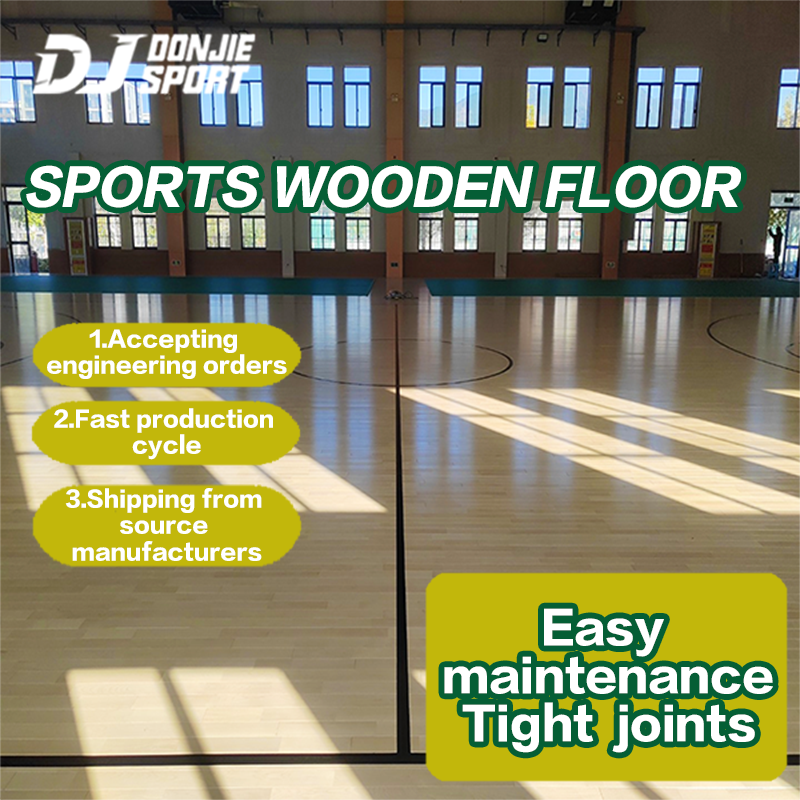
Wood flooring is a traditional and highly popular choice for dance studios. Its timeless appeal and natural aesthetic make it a top contender for various dance styles. Here’s a deeper look at why wood flooring is a great choice:
Benefits of Wood Flooring for Various Dance Styles
Wooden floors are known for their resilience and versatility, making them suitable for a range of dance styles from ballet to hip-hop. The smooth surface allows for a comfortable glide, and the natural elasticity of wood provides a bit of cushioning, reducing strain on the body. It is an excellent option for ballet, contemporary, and jazz, where precision and fluid movement are key.
Types of Wood Commonly Used in Dance Studios
Different types of wood are used in dance studio floors, including maple, oak, and birch. Maple is often preferred due to its durability and smooth finish, making it ideal for professional studios. Oak is another solid choice, known for its strength, while birch is slightly softer but still provides the necessary support for most dance activities.
Maintenance and Care for Wooden Floors
Wooden floors require regular maintenance to preserve their appearance and performance. Routine cleaning is essential to avoid buildup of dust and dirt, which can affect the dancers’ grip and comfort. Periodic refinishing may also be needed to restore the floor’s smoothness and sheen.
Pros and Cons of Wood Flooring
Pros:
-
Natural look and feel
-
Highly durable and long-lasting
-
Great for a variety of dance styles
-
Ideal for high-impact activities
Cons:
-
Requires maintenance and refinishing
-
Can be costly, especially high-quality options
-
Susceptible to moisture damage in high-humidity environments
Vinyl Flooring: A Modern Alternative for Dance Studios
Vinyl flooring has become a popular choice for many dance studios due to its affordability and low-maintenance nature. It’s a more modern alternative to wood, and it offers several advantages for certain types of dance.
Why Vinyl Is a Popular Choice for Many Studios
Vinyl flooring is ideal for studios that want a durable, budget-friendly option. It’s versatile and comes in various designs and finishes, allowing you to replicate the appearance of wood or other materials without the high cost. Its smooth surface also provides a solid foundation for dancers, though not as much cushioning as wood.
Types of Vinyl Flooring Available for Dance Studios
Vinyl flooring comes in different forms, including sheets, tiles, and planks. Many dance studios opt for sheet vinyl, which is seamless and prevents any interruptions in the flooring’s surface. There are also vinyl rolls available, which are easy to install and relatively inexpensive.
Advantages and Disadvantages of Vinyl Floors
Advantages:
-
Budget-friendly option
-
Easy to clean and maintain
-
Available in various designs and finishes
-
Smooth, flat surface for dancing
Disadvantages:
-
Lacks the natural feel of wood
-
Can become slippery when wet, increasing the risk of injury
-
Not as durable as wood in the long run
How to Maintain Vinyl Flooring
Vinyl flooring is relatively easy to maintain. Routine sweeping and mopping are usually sufficient to keep it looking clean. However, it’s important to avoid harsh chemicals that can damage the surface. Vinyl floors are also more prone to scratching than wood, so care should be taken to avoid damage from heavy equipment or furniture.
Other Flooring Options for Dance Studios
While wood and vinyl are the most popular choices, there are several other flooring materials that may be suitable for specific dance styles or needs.
Rubber Flooring: Ideal for Specific Dance Styles
Rubber flooring offers excellent shock absorption, making it ideal for hip-hop, breakdancing, or other high-impact dance styles. It’s durable, slip-resistant, and provides a cushioned surface that reduces the risk of injury.
Foam Flooring: Best for Temporary Setups and Rehearsals
Foam flooring is a flexible and portable option for temporary dance setups. It’s lightweight, easy to install, and provides adequate comfort for rehearsals. However, it’s not as durable as other options and may not be suitable for professional studios.
Marley Floors: A Specialized Option for Ballet and Modern Dance
Marley flooring is a vinyl-based material specifically designed for dance. It’s the standard flooring in many professional ballet and modern dance studios. It’s slip-resistant, durable, and easy to maintain, providing a smooth surface for dancers to perform on.
Cork Flooring: Eco-Friendly and Cushioned
Cork flooring is an eco-friendly alternative that offers natural cushioning. It’s a great option for studios that want to maintain a sustainable environment. However, cork flooring can be more expensive than vinyl and requires proper maintenance to avoid damage.
Comparing the Costs of Different Dance Studio Floors
Choosing the right flooring is an investment, and cost is a major factor. The initial price of the flooring material can vary significantly depending on the type you choose. Wood and specialty flooring options tend to be more expensive, while vinyl and foam are more budget-friendly.
Initial Investment vs. Long-Term Value
While cheaper flooring options might be more affordable upfront, they could require more frequent maintenance and repairs. Investing in high-quality flooring like wood or Marley floors might have a higher initial cost but will often last longer, making them a better value in the long run.
Hidden Costs: Maintenance and Repairs
Consider not only the installation cost but also the ongoing maintenance and potential repairs. For example, wood floors need to be refinished periodically, while vinyl might need to be replaced more frequently. Factor in these costs when deciding on a flooring material.

Choosing the Right Flooring Based on Dance Style
The type of dance practiced in your studio is crucial in determining the right flooring. Certain dance styles require specific features from the flooring material.
Ballet, Tap, and Jazz: Best Flooring Options
For ballet, tap, and jazz, wood and Marley floors are generally the best choices. Wood provides a solid, smooth surface that is perfect for intricate movements and jumps. Marley floors are ideal for ballet because they offer a non-slip surface that’s both durable and easy to maintain.
Hip-Hop, Contemporary, and Other Urban Styles
For hip-hop and contemporary dance, vinyl or rubber flooring may be more suitable. These options provide better shock absorption, which is important for the dynamic, high-energy movements common in these styles.
How Different Floors Impact Performance
The right floor can enhance a dancer’s performance by providing the necessary grip, cushioning, and durability. A floor that is too soft may hinder movement, while one that is too hard may increase the risk of injury. Choosing the right material based on the dance style ensures maximum comfort and performance.
Installation Considerations and Professional Help
DIY vs. Professional Installation
While some flooring options, like vinyl tiles, can be installed as a DIY project, others, such as wood or Marley floors, require professional installation to ensure the best results. Professional installation can ensure that the floor is properly laid out, reducing the risk of future problems.
How to Ensure Proper Installation for Long-Lasting Performance
Proper installation is crucial to ensure that your dance floor performs well over time. Be sure to follow the manufacturer’s instructions and consider hiring professionals for more complex flooring types. A well-installed floor will last longer and perform better, providing a safe and comfortable environment for dancers.
Conclusion
Choosing the right flooring for your dance studio is a decision that requires careful thought and planning. Whether you opt for the traditional appeal of wood, the practicality of vinyl, or another specialized material, the most important factor is ensuring that the floor meets the needs of both your dancers and your budget. By taking into account factors like durability, safety, cost, and performance, you can create a space that supports your dancers and enhances their experience.