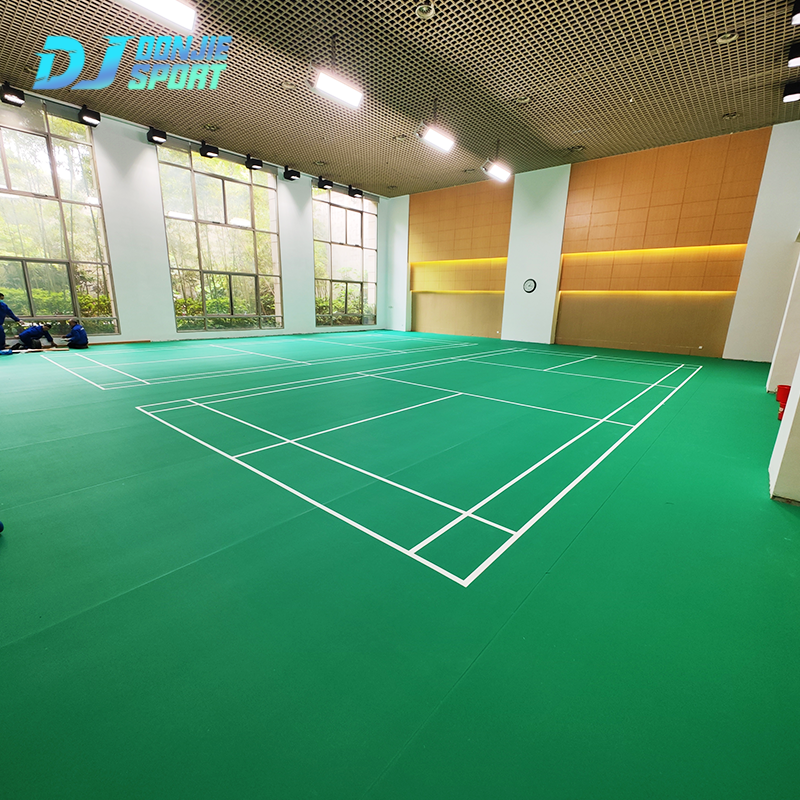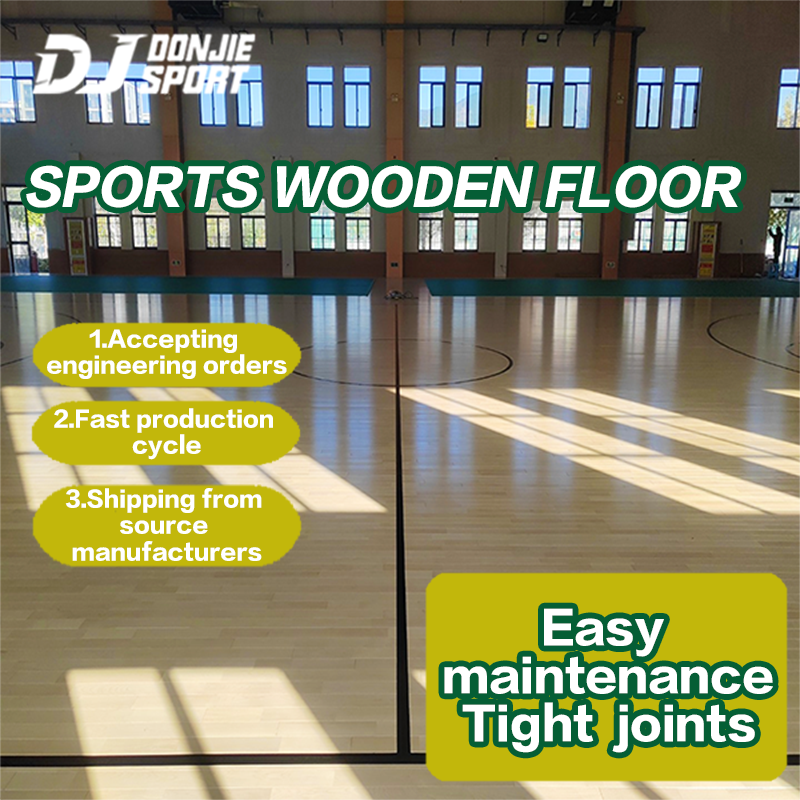
When it comes to setting up a professional dance studio, one of the most crucial decisions is choosing the right flooring. The flooring is not only the foundation for each dance move but also significantly impacts the dancers’ safety, performance, and overall experience. A well-chosen floor can enhance the dancer’s technique, prevent injuries, and provide an aesthetically pleasing space that elevates the entire studio atmosphere.
Dance studios host a variety of dance styles, each with its own specific flooring requirements. Whether you’re opening a new professional studio or upgrading an existing one, it’s essential to carefully consider the needs of your dancers and the type of dance performed. High-quality flooring will help absorb the shock of jumps, support the dancers’ joints, and ensure safe and smooth movement.
Selecting the best flooring option requires understanding the different types of dance floors available and how each material aligns with specific dance disciplines. In this guide, we’ll explore the best flooring options for professional dance studios, helping you make an informed decision that balances performance, durability, and safety.
Key Factors to Consider When Choosing Dance Studio Floors
Choosing the right flooring for your dance studio is more than just about aesthetics. There are several important factors that need to be considered to ensure the floor is suitable for both the dancers and the space itself. Below are the key factors to take into account:
Durability and Longevity of the Flooring Material
Professional dance studios experience heavy foot traffic daily, making durability one of the top priorities. The flooring material should be strong enough to withstand the wear and tear caused by constant movement, jumps, and rehearsals. You want a floor that can handle long-term use without deteriorating quickly or losing its performance capabilities.
Slip-Resistance for Safety During Performances
Safety is paramount in any dance studio, and the flooring should provide a good level of slip resistance. Dance floors that are too slippery can cause dancers to lose balance, increasing the risk of accidents and injuries. On the other hand, floors that are too sticky can hinder fluid movement, making it difficult for dancers to glide through their routines. Therefore, finding a balance between traction and smoothness is essential.
Comfort and Support for Dancers’ Joints
Dancers often endure intense physical strain on their bodies, especially on their joints. The right flooring can significantly reduce the impact on knees, ankles, and hips, helping to prevent injuries like sprains, strains, or long-term joint damage. Floors with good shock-absorption properties ensure a safer, more comfortable dancing experience, especially for dancers who perform high-impact movements.
Acoustic Properties and Noise Reduction
The acoustics of a dance studio can affect both the atmosphere of the space and the comfort of dancers during practice. A floor with excellent sound-dampening properties will help to reduce the noise generated from dancers’ movements, creating a quieter and more focused environment. This is especially important for studios that host ballet, contemporary, or other dance styles that require precision and quietness.
Types of Dance Studio Floors
When selecting the ideal flooring for a professional dance studio, it’s important to consider the type of dance and its specific requirements. Here are the most popular flooring options:
Wood Flooring: Timeless Elegance and Performance Benefits
Wood flooring is a traditional and elegant choice for dance studios, particularly for ballet, jazz, and other classical dance forms. Wood floors offer a level of stiffness that provides support while allowing dancers to feel the floor beneath them, which is vital for technique-based dances. They also provide excellent slip-resistance, preventing slips during pirouettes and jumps.
Advantages:
-
Perfect for classical dance styles like ballet and jazz
-
Attractive aesthetic appeal
-
Durable and long-lasting
-
Supports intricate footwork
Disadvantages:
-
Requires regular maintenance (e.g., refinishing)
-
Can be more expensive than other materials
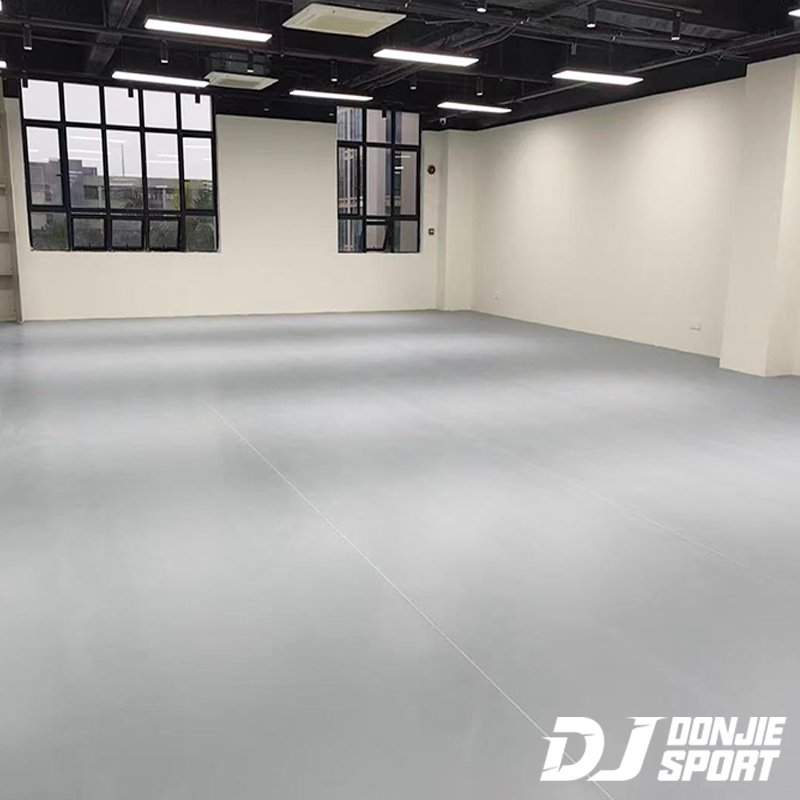
Vinyl Flooring: Modern, Versatile, and Budget-Friendly
Vinyl flooring is a flexible and affordable option for dance studios. It is ideal for contemporary, hip-hop, and fitness-based dance styles due to its ability to withstand heavy foot traffic. Vinyl floors are also easier to maintain compared to wood and provide a cushioned surface that helps protect dancers’ joints.
Advantages:
-
Budget-friendly
-
Low maintenance
-
Available in a wide range of colors and designs
-
Suitable for various dance styles
Disadvantages:
-
Can lack the aesthetic appeal of wood
-
May not offer the same level of support for classical dance as wood or Marley floors
Marley Flooring: A Popular Choice for Professional Studios
Marley flooring, also known as dance vinyl, is a specialized surface often used in professional dance studios, especially for modern, contemporary, and ballet. It is known for its slip-resistance and smoothness, making it ideal for both performance and rehearsal settings.
Advantages:
-
Slip-resistant and smooth for various dance styles
-
Easy to roll out and store
-
Often used in performance settings (e.g., competitions, theater performances)
Disadvantages:
-
Requires a cushioned underlayment to enhance shock absorption
-
Can wear out faster in high-traffic areas without proper maintenance
Rubber Flooring: Shock-Absorbent and Durable
Rubber flooring offers excellent shock absorption, making it perfect for contemporary dance, hip-hop, and fitness classes that involve heavy, high-impact movements. It is durable and resistant to wear and tear, offering long-lasting performance in busy studios.
Advantages:
-
Provides excellent joint protection
-
Durable and resistant to damage
-
Ideal for high-impact and fitness-based dance styles
Disadvantages:
-
Heavier and less aesthetically versatile than other options
-
May not offer the smoothness needed for ballet or jazz
How to Choose the Right Flooring Based on Dance Style
Different dance styles have different requirements when it comes to flooring. Understanding how each flooring option aligns with specific dance disciplines is essential to ensure the best performance and safety for your dancers.
Ballet and Classical Dance Floors
For ballet and other classical dance forms, a wooden floor or Marley flooring is often the best option. The stiffness and smoothness of these floors support precise movements, making them ideal for pirouettes, jumps, and delicate footwork. The slight slip-resistance of wood also allows dancers to maintain control and stability during complex movements.
Hip-Hop, Jazz, and Contemporary Dance Floors
For dance styles like hip-hop and contemporary, which often involve dynamic and high-impact movements, vinyl or rubber flooring is preferred. These materials offer better shock absorption, reducing the strain on dancers’ joints. Vinyl also provides the durability and versatility needed for fast-paced footwork and athletic movements.
Tap Dance and Ballroom Flooring Requirements
Tap dancers require a firm, resilient surface that allows the distinct tapping sound to be heard. Wood is often the ideal flooring material, providing the necessary resistance for clear tap sounds. For ballroom dancing, a smooth and slightly cushioned floor is essential to support graceful, gliding movements.
Multi-Purpose Dance Studios: Finding a Versatile Option
If your studio hosts a variety of dance styles, choosing a versatile flooring option is key. Vinyl or Marley floors are often suitable for multi-purpose studios since they offer flexibility and comfort for different types of movements. Additionally, they are relatively easy to maintain, making them a great all-around option.
Installation and Maintenance of Dance Studio Floors
Proper installation and ongoing maintenance are crucial to keeping your dance floors in optimal condition.
Professional Installation vs. DIY Options
While DIY installation may seem cost-effective, it’s best to hire professionals for the installation of your dance floors to ensure they are laid correctly. A professional installation will guarantee that your floors are level and safe, which is especially important for certain types of flooring like Marley or wood.
Regular Maintenance to Preserve Floor Quality
Different flooring materials require different types of care. Wood floors need periodic sanding and refinishing to maintain their quality, while vinyl floors require less maintenance, often just regular cleaning. Be sure to follow the manufacturer’s guidelines for cleaning and care to prolong the life of your floors.
Tips for Preventing Wear and Tear Over Time
-
Use protective mats or area rugs in high-traffic areas.
-
Regularly clean floors to remove dirt and debris that can cause scratches.
-
Refinish or replace damaged sections promptly to avoid further damage.
How to Customize Your Dance Studio Flooring
Customization is one of the many ways you can make your dance studio unique. Many flooring options, such as vinyl and Marley, come in a variety of colors, patterns, and designs, allowing you to choose a look that matches your studio’s aesthetic.

Color Options and Customization to Match Studio Aesthetics
From bold, vibrant colors to more neutral tones, you can choose the perfect floor color to match your studio’s branding or interior design. Custom logos and branding can also be added to certain flooring materials, giving your studio a personalized touch.
Personalized Features for Different Dance Needs
Some dance studios may require specialized flooring, such as adjustable shock-absorbing layers or extra slip-resistance for specific dance styles. Customization ensures that your flooring not only looks great but also provides the necessary functionality for your dancers.
Making the Right Investment for Your Dance Studio’s Future
Investing in the right flooring for your professional dance studio is one of the most important decisions you’ll make. The flooring you choose will directly affect the safety, performance, and overall atmosphere of your studio. By understanding the unique needs of your dancers and the specific demands of each dance style, you can select a flooring option that enhances both the aesthetic appeal and functional performance of your space.
Whether you choose wood for its timeless elegance, vinyl for its versatility, or Marley for its specialized properties, the right floor will make a significant impact on your studio’s success. By considering factors like durability, safety, and comfort, and customizing the floor to fit your studio’s specific needs, you’re ensuring that your investment will pay off in the long term, helping both dancers and studio owners thrive.