Ballet is a highly technical form of dance that demands precision, balance, and strength. To perfect these elements, dancers need the right environment—one that supports their movements and minimizes the risk of injury. This is where ballet flooring comes into play. While many may overlook its importance, the type of flooring used in ballet studios plays a pivotal role in enhancing technique and preventing injuries.
In this article, we will explore how ballet flooring directly affects a dancer’s performance, the different types of flooring available, and how proper maintenance can make a significant difference in both technique and safety.

The Role of Ballet Flooring in Dance Technique
The flooring in a ballet studio can greatly influence the dancer’s technique. Ballet movements, such as jumps, pirouettes, and pliés, require a specific kind of surface to maintain the fluidity and precision of each step. A floor that is too hard can impede a dancer’s ability to move smoothly, while one that is too soft can compromise balance and stability.
Ballet flooring is designed to provide the right level of resistance. A properly sprung floor, for example, helps the dancer’s body “bounce” in sync with their movements, which can enhance their overall performance. When dancers perform jumps, the floor should offer enough cushion to absorb some of the shock, reducing the impact on their joints. This elasticity allows for higher and more controlled jumps, improving technique.
Furthermore, the right flooring can help in the execution of delicate balance movements. The surface must be firm enough to support a dancer’s weight while providing just enough “give” to assist with transitions and fluidity between steps.
Types of Ballet Flooring
Not all ballet flooring is created equal, and choosing the right type for your studio is critical for both performance and safety. The two main types of ballet flooring are sprung floors and synthetic options.
-
Wood vs. Sprung Floors
Traditional wooden floors have been the choice for many dance studios, providing a solid surface with a natural look. However, when combined with a sprung subfloor, these floors offer excellent shock absorption, which is ideal for ballet. The sprung design allows the floor to “bounce” slightly, which not only enhances performance but also reduces the risk of injury. -
Synthetic and Cushioned Options
Synthetic floors, such as vinyl or rubberized surfaces, are increasingly popular due to their durability and low maintenance. These options also offer cushioning, which is important for reducing strain on a dancer’s legs and feet. While they may not replicate the feel of a wooden sprung floor, modern synthetic materials are designed with injury prevention in mind.
Each type of flooring offers distinct advantages and disadvantages. For example, wood floors may require more maintenance but provide a more authentic experience. On the other hand, synthetic floors are often easier to maintain but may not have the same natural aesthetics.
Injury Prevention Through Proper Flooring
Injuries are an unfortunate part of any dancer’s life, but the risk can be minimized with the right flooring. Ballet dancers are prone to injuries like sprains, stress fractures, and tendonitis, many of which stem from repetitive strain on their joints and muscles.
The proper ballet flooring can significantly reduce the risk of such injuries by offering optimal shock absorption. When dancers jump or land, the right flooring absorbs much of the impact, easing the pressure on their ankles, knees, and hips. A hard surface, on the other hand, can exacerbate the risk of injury by sending the shock back into the body, leading to joint pain and long-term damage.
In addition, the right floor helps in stabilizing the dancer during turns and balances, reducing the likelihood of slipping or falling. By preventing injuries, ballet flooring helps dancers extend their careers and maintain high performance levels over time.
Comfort and Support for Ballet Dancers
A dancer’s comfort and well-being are directly linked to their ability to perform at their best. Floors that provide the right amount of support are essential in preventing overuse injuries. Dancers often spend hours practicing their technique, and a floor that is too hard or uncomfortable can lead to fatigue, strain, and chronic pain.
Proper support also influences a dancer’s performance. When the floor provides a cushioned yet stable surface, dancers can execute their movements with greater ease and precision. A comfortable floor promotes longer training sessions and better overall results.
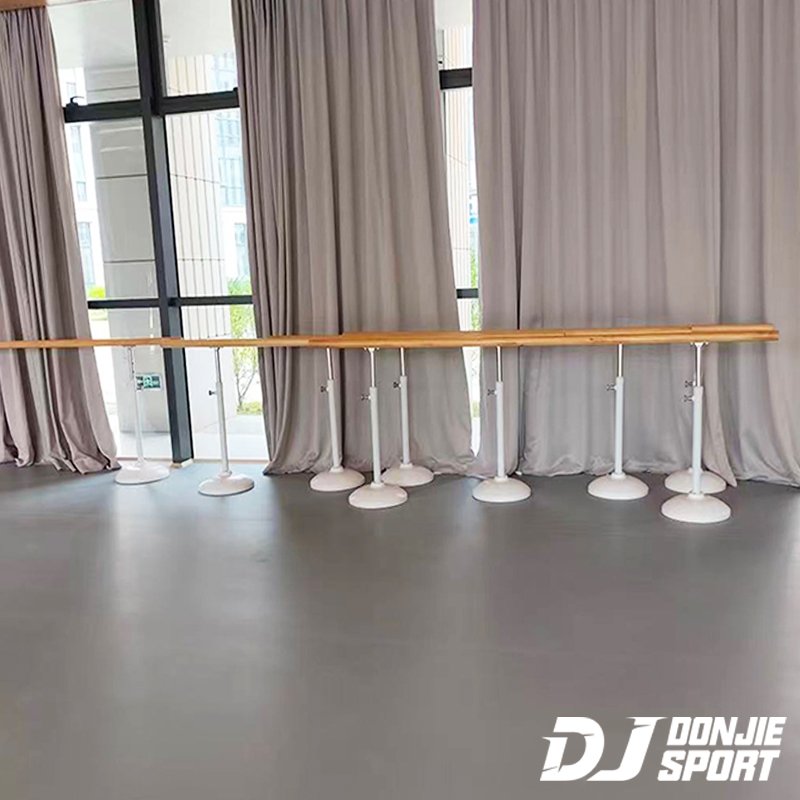
Maintaining Ballet Flooring for Optimal Performance
To ensure that ballet flooring continues to provide the support and protection dancers need, proper maintenance is key. Regular cleaning and inspection of the floor will help prevent damage that could lead to accidents. For example, if the floor becomes slippery or the surface is uneven, it could compromise a dancer’s safety.
Ballet floors should be checked for any signs of wear and tear, especially in high-traffic areas. In the case of sprung wood floors, it is important to check the elasticity of the spring system periodically to ensure that it is providing the proper bounce.
Additionally, cleaning should be done with non-abrasive products to avoid damaging the floor’s surface, and any necessary repairs should be carried out promptly to maintain the floor’s safety and performance.
Conclusion
The right ballet flooring is more than just an aesthetic choice—it is an essential aspect of enhancing dance technique and preventing injuries. Whether you choose a traditional wood floor or a modern synthetic option, the key is to ensure that the surface supports the dancer’s movements, minimizes impact, and provides a comfortable and stable platform for training. Investing in high-quality flooring is an investment in both the performance and safety of every dancer.