When designing or renovating a dance studio, one of the most important decisions you’ll make is choosing the right flooring. The flooring you select plays a vital role in both the safety and performance of your dancers. The right surface will support your dancers’ movements, reduce the risk of injury, and enhance their overall performance. But with so many options on the market, how do you choose the best one?
In this post, we’ll explore the factors you need to consider when selecting flooring for a dance studio. From safety and performance to aesthetics and budget, understanding your needs will ensure you make the best decision for your studio.
Whether you’re outfitting a ballet studio, a hip-hop dance space, or a multi-style venue, the right flooring can transform your studio into a place that supports both your dancers and your business goals. Let’s take a look at what you need to know to choose the perfect floor for your dance studio’s performance needs.
Understanding the Needs of Different Dance Styles
When choosing the right flooring for your dance studio, it’s essential to consider the specific demands of each dance style. Different styles of dance have varying needs in terms of surface texture, shock absorption, and support. Here’s how flooring impacts some of the most popular dance styles:
Ballet: Ballet dancers require a floor that provides just the right amount of grip and slide. Floors that are too slippery can cause instability, while overly sticky floors can impede smooth movements. Hardwood or Marley flooring is commonly used in ballet studios because it offers a smooth yet slightly grippy surface, ideal for turning and pirouettes.
Hip-Hop: For hip-hop and other street styles, dancers need flooring that can withstand high-impact movements, quick footwork, and sudden stops. Vinyl dance flooring or a sprung floor system is often ideal for hip-hop. These floors provide cushioning to absorb the shock from jumping and quick foot movements, while also offering enough traction to prevent slipping during fast-paced routines.
Contemporary/Modern Dance: Contemporary and modern dance demand a floor that balances smoothness for sliding with enough grip for intricate footwork. A Marley floor or a sprung vinyl floor system is often the best choice here, providing both the support and slip resistance needed for fluid, expressive movements.
Jazz and Tap: Tap dancers require floors that produce sound when struck. For tap dance, a smooth hardwood floor or a vinyl surface designed for tap can help amplify the sound while maintaining the necessary durability. The flooring must also offer some flexibility to minimize impact on joints during jumping and tapping.
Ballroom Dance: Ballroom dancers need a floor that facilitates smooth gliding and fluid turns. Hardwood floors, often finished with a smooth lacquer, are typically preferred. The right finish ensures dancers can glide effortlessly while maintaining stability, especially during spins and footwork.
Other Specialty Styles: Different forms of dance like Latin, flamenco, and aerial arts may require customized flooring solutions. A sprung floor system paired with specialized surface materials, such as a textured vinyl or wood, can provide the flexibility, durability, and grip needed for these unique performances.
Types of Flooring for Dance Studios
Choosing the right flooring material is a critical factor in creating the ideal environment for dance. Each type of flooring offers distinct advantages, depending on the style of dance and the level of performance. Here’s a closer look at some of the most common flooring options for dance studios:
Hardwood Flooring: A Timeless Classic
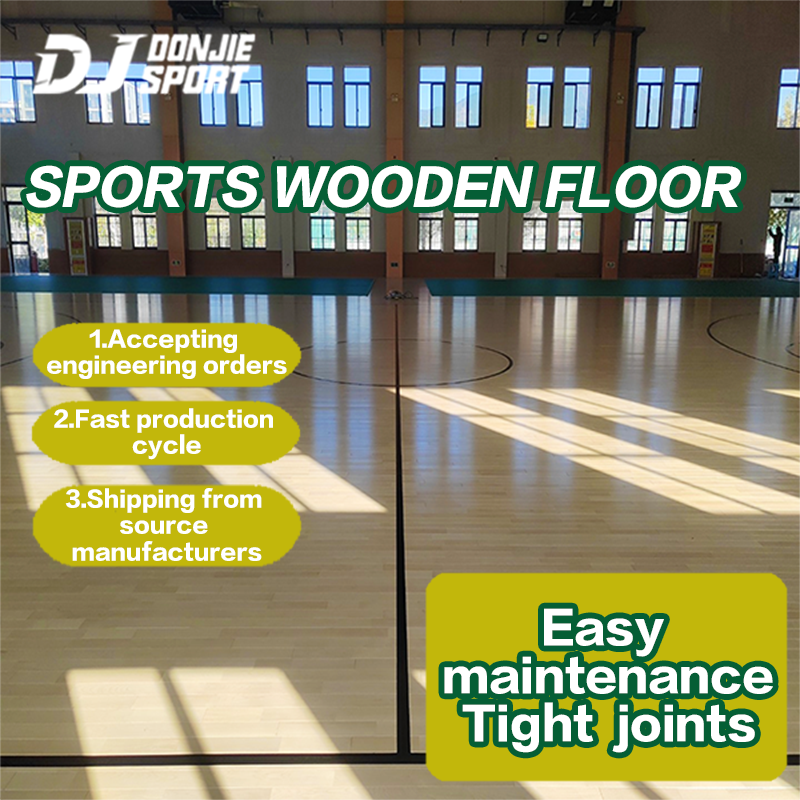
Hardwood flooring is a classic choice for many dance studios, especially those focusing on ballet or traditional dance styles. It provides a sturdy, natural surface that can support a wide range of movements. However, it’s important to choose high-quality, properly finished hardwood to avoid the risks of splinters or wear. Additionally, hardwood flooring is durable and adds an elegant aesthetic to the studio.
-
Pros: Timeless, elegant look; durable; ideal for ballet.
-
Cons: Can be slippery without the proper finish; can be hard on joints without a sprung floor system.
Vinyl Dance Flooring: A Modern and Versatile Choice
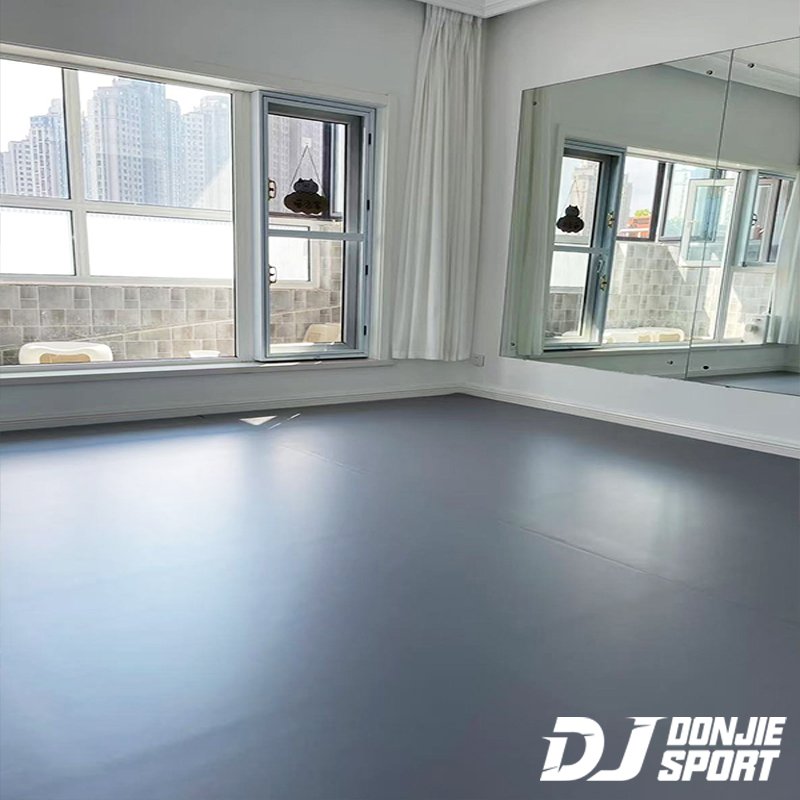
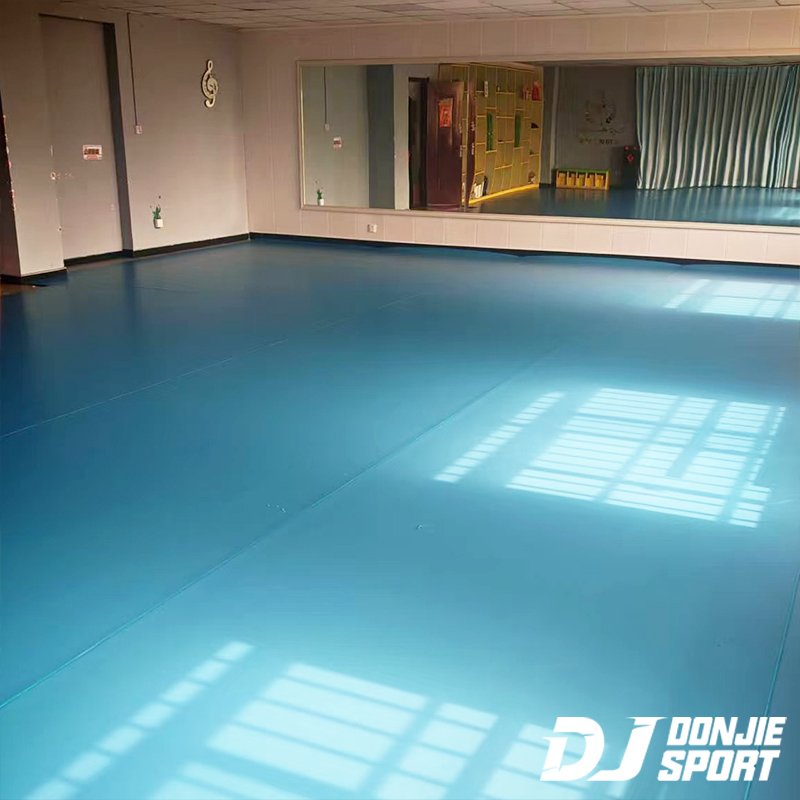
Vinyl dance flooring is a versatile, budget-friendly option that can work for a wide variety of dance styles. It’s often used in multi-purpose studios due to its durability and ease of maintenance. Vinyl floors are available in rolls or tiles, and some are even designed specifically for tap or hip-hop styles. The key benefit of vinyl flooring is that it can be paired with a sprung system for added cushioning and injury prevention.
-
Pros: Durable; available in various styles; easy to clean; works for multiple dance styles.
-
Cons: Can feel less natural than hardwood; may wear over time with heavy use.
Sprung Floors: Why They’re Crucial for Impact Protection
A sprung floor system is designed to absorb shock, reducing the stress on dancers’ joints during high-impact movements like jumps. This type of flooring consists of layers that include a cushioned base, often made of foam or plywood, topped with a hard surface like wood or vinyl. Sprung floors are especially beneficial for ballet, modern dance, and other styles where impact on the body is a concern.
-
Pros: Protects against injuries; reduces strain on joints; enhances performance.
-
Cons: Can be expensive to install; may require periodic maintenance.
Marley Flooring: A Popular Choice for Dance Studios
Marley flooring is a vinyl-based floor commonly used in dance studios, particularly for ballet, modern dance, and tap. It is lightweight, easy to roll out, and provides a perfect balance of traction and slide. It is often used in combination with a sprung floor to provide comfort and reduce the risk of injury.
-
Pros: Durable; provides good grip and smoothness; easy to install and maintain.
-
Cons: May need to be replaced periodically, especially in high-traffic areas.
Performance Considerations: What You Need to Know
Performance is at the heart of why you select specific flooring for your dance studio. How a floor feels underfoot will directly impact the execution of movements and overall comfort.
-
Grip and Slip Resistance: A floor that is too slippery can cause accidents and poor performance. However, flooring that’s too sticky can prevent smooth movements and fluidity. It’s crucial to strike the right balance based on the type of dance being performed.
-
Shock Absorption: Shock absorption is essential for protecting dancers from joint injuries. Floors with built-in cushioning, such as sprung floors, help reduce the impact during jumps and high-impact movements. It’s vital to ensure that the floor can support the dancers without compromising their technique or comfort.
-
Surface Texture: The texture of the flooring will influence how dancers perform specific moves. For example, tap dancers need a surface that produces sound, while ballet dancers prefer a floor that allows for smooth turns and jumps.
Durability and Maintenance
While performance is crucial, durability and ease of maintenance are equally important considerations when selecting flooring for your dance studio. A floor that is easy to maintain will save you time and money over the long run.
-
Routine Maintenance Tips: Hardwood floors require periodic refinishing, while vinyl flooring needs to be cleaned and re-sealed. Sprung floors should be inspected regularly to ensure the cushioning layers remain intact.
-
How to Ensure Longevity: Regular cleaning and care are essential for extending the lifespan of your dance floor. In addition, you may need to use floor protectors to minimize wear and tear in high-traffic areas.
Budget Considerations: Finding the Right Balance
Cost is always a factor when selecting flooring, but it’s important to remember that investing in the right floor can save you money in the long term. Here’s how to assess the best value for your budget:
-
Cost Breakdown: Hardwood floors, especially when combined with a sprung system, can be expensive. Vinyl flooring and Marley options tend to be more affordable, while still providing high performance for most dance styles.
-
Long-Term Investment: Don’t forget that cheaper flooring may wear out faster and require more frequent repairs or replacements. Investing in higher-quality flooring could save you in maintenance costs over time.
Conclusion
Choosing the right flooring for your dance studio is a decision that requires careful thought and planning. Consider the needs of your dancers, the style of dance, performance requirements, and your budget. Whether you choose hardwood, vinyl, or sprung floors, ensure that the flooring supports both the safety and performance of your dancers. With the right flooring in place, your studio will be set up for success, providing a safe and inspiring space for dancers of all levels.