When setting up a dance studio, the flooring choice is one of the most important decisions to make. The right type of flooring can have a profound effect on the dancers’ performance, safety, and comfort. Whether you’re training in ballet, contemporary, or other dance styles, each form has its own unique requirements that should be addressed by the flooring material. In this article, we’ll explore the differences between ballet flooring and dance studio floors, helping you understand which option suits your needs.
What is Ballet Flooring?
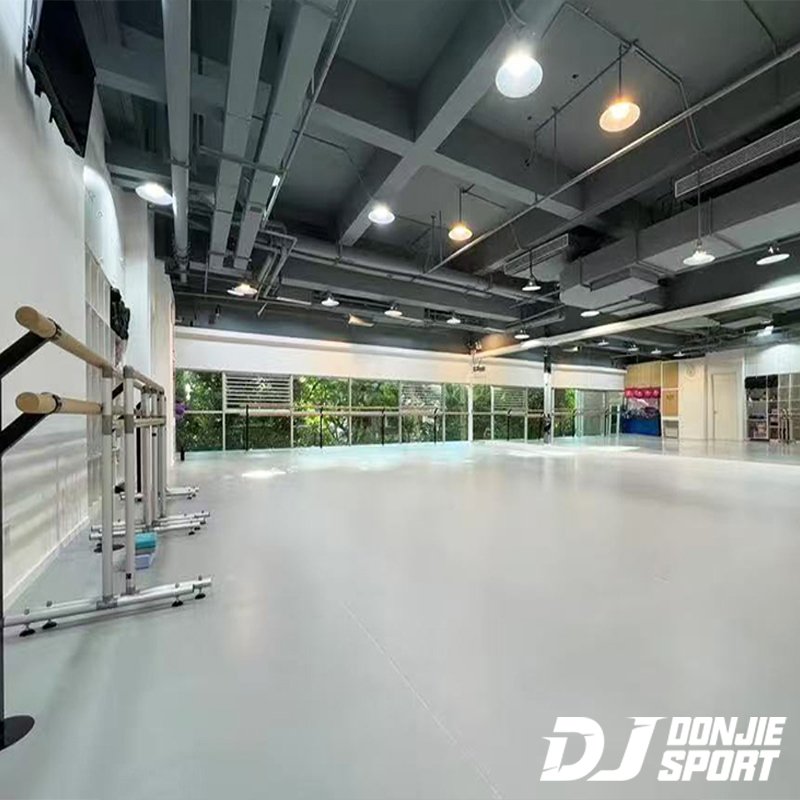
Ballet flooring is a specialized surface designed to meet the unique demands of ballet dancers. It is intended to provide the ideal balance of support, comfort, and flexibility, which are essential for the intricate movements and jumps performed in ballet.
Characteristics of Ballet Flooring
-
Sprung Flooring: One of the most popular options, sprung floors are made with a resilient layer that absorbs impact. This reduces the stress on a dancer’s joints during jumps and turns.
-
Marley Vinyl: Often used on top of a sprung floor, Marley vinyl offers a smooth, non-slip surface that helps dancers maintain control while performing. It is commonly used in ballet studios due to its consistency and durability.
-
Wooden Floors: Traditional wooden floors are another choice for ballet, though they tend to be less forgiving than sprung systems. However, they are still used in many professional settings.
Ballet flooring is specifically designed to protect dancers and enhance their performance, allowing for safe execution of demanding ballet techniques.
What are Dance Studio Floors?
Dance studio floors, on the other hand, are not limited to any one style of dance. These floors must accommodate a variety of dance forms, each with their own set of needs. While the right flooring will vary based on the types of dance practiced, dance studio floors are typically designed to offer durability, flexibility, and support for a wide range of movements.
Types of Dance Studio Floors
-
Vinyl Flooring: Often used for versatility, vinyl flooring works well for a variety of dance styles. It is durable, easy to clean, and provides a smooth surface for movement.
-
Laminate Flooring: Laminate floors are cost-effective and can work well for less intense forms of dance. They provide a stable surface, but may not offer the same level of impact absorption as sprung floors.
-
Hardwood Flooring: A common choice for traditional studios, hardwood floors are especially suitable for jazz, modern, and tap dancing. They provide a sturdy surface but may require additional mats or cushioning for higher-impact styles like ballet.
Key Differences Between Ballet Flooring and Dance Studio Floors
While both ballet flooring and dance studio floors serve similar purposes, their differences lie in the materials, construction, and specific use cases.
Materials and Construction
-
Ballet Flooring: Often consists of multi-layered sprung floors that combine wood or composite materials with foam or rubber layers to absorb shock. This construction is ideal for ballet as it reduces joint strain and provides the right amount of flexibility for dancers.
-
Dance Studio Floors: Dance studio floors can be made from a wider range of materials such as vinyl, laminate, or wood. While they can be designed to suit various dance styles, they may lack the specialized cushioning found in ballet flooring.
Performance and Safety
-
Ballet Flooring: The combination of a sprung system with Marley vinyl or wood allows ballet dancers to perform leaps and pirouettes with less risk of injury. The flooring absorbs the shock from jumps, which helps prevent stress on the legs and feet.
-
Dance Studio Floors: Depending on the material, dance studio floors may not offer the same level of shock absorption. While vinyl and laminate can work for several styles, they don’t always provide the necessary support for high-impact ballet moves.
Durability and Comfort
-
Ballet Flooring: With its specialized construction, ballet flooring is built to last under the demands of professional training and performances. The comfort factor is higher, particularly for dancers who spend long hours on their feet.
-
Dance Studio Floors: While durable, dance studio floors may require more frequent maintenance, especially if the studio hosts a variety of dance styles. They tend to offer a more neutral comfort level and may not be as well-suited for intensive ballet practice.
Factors to Consider When Choosing Between Ballet Flooring and Dance Studio Floors
When choosing between ballet flooring and dance studio floors, several factors should guide your decision:
-
Type of Dance Practiced: If ballet is the primary focus of your studio, investing in specialized ballet flooring is crucial. For studios that offer a mix of dance styles, a more versatile dance studio floor may be better suited.
-
Budget: Ballet flooring can be more expensive due to its complex construction. Dance studio floors, particularly vinyl or laminate, can be more cost-effective.
-
Maintenance: Ballet floors require specific maintenance, particularly when it comes to preserving the sprung system. Dance studio floors may be easier to maintain but might need more frequent cleaning, depending on the material.
-
Studio Size and Layout: Larger studios may benefit from sprung ballet flooring, which can handle more extensive use. For smaller spaces or multi-purpose studios, a more adaptable dance studio floor might be more practical.
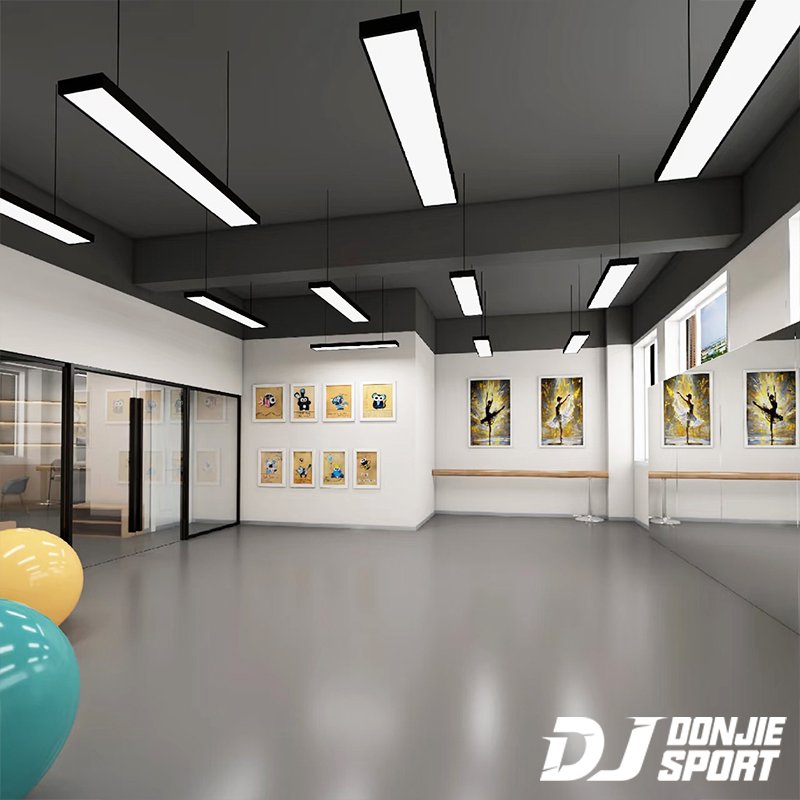
How to Choose the Right Flooring for Your Needs
Choosing the right flooring depends on your studio’s primary purpose. If you’re running a professional ballet school, high-quality ballet flooring is essential for safety and performance. For studios that cater to multiple dance styles, a multi-purpose dance studio floor may be the best option. Weigh the pros and cons of each option, keeping in mind factors such as cost, durability, and dancer comfort.
Selecting the Perfect Flooring for Your Dance Studio
The decision between ballet flooring and dance studio floors comes down to understanding the specific needs of your dancers and the type of dance practiced in your studio. Ballet flooring offers the best support for ballet dancers, with its shock-absorbing features and smooth surface. Dance studio floors, however, provide versatility for a range of dance styles but may not offer the same level of performance enhancement for ballet. By considering your studio’s needs, budget, and maintenance requirements, you can choose the best flooring solution that supports both performance and safety.