When it comes to building or renovating a basketball court, one of the most crucial decisions is choosing the right flooring. Among various options, basketball court wood flooring stands out as a top choice for professional courts. The iconic hardwood floor, with its smooth, polished surface, is synonymous with basketball at all levels. But is it the right fit for every court? In this article, we’ll dive into the advantages and disadvantages of basketball court wood flooring, providing a complete overview of what it offers and what you should consider before installing it.
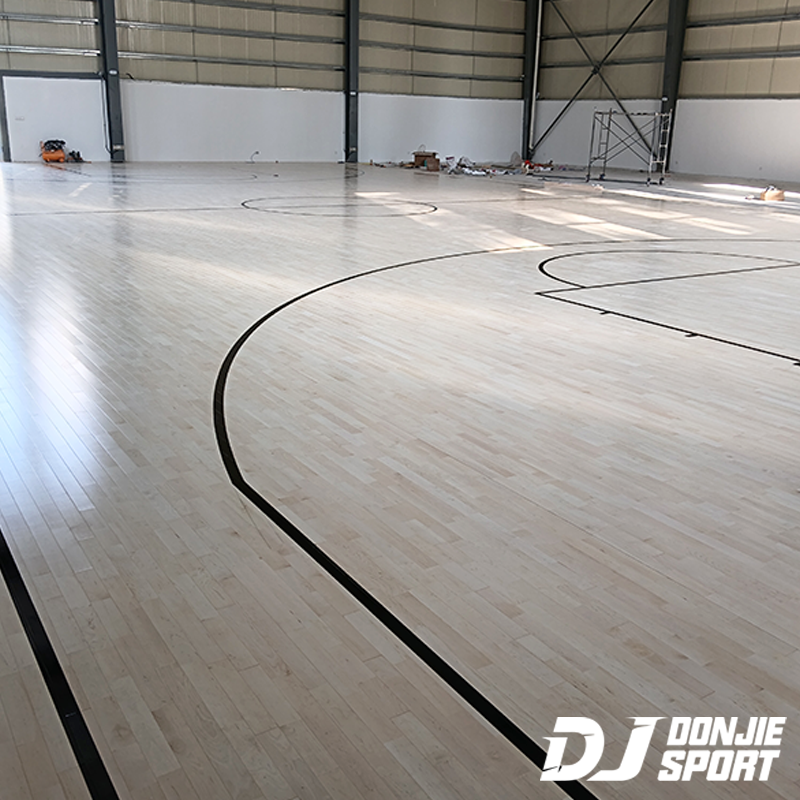
What Is Basketball Court Wood Flooring?
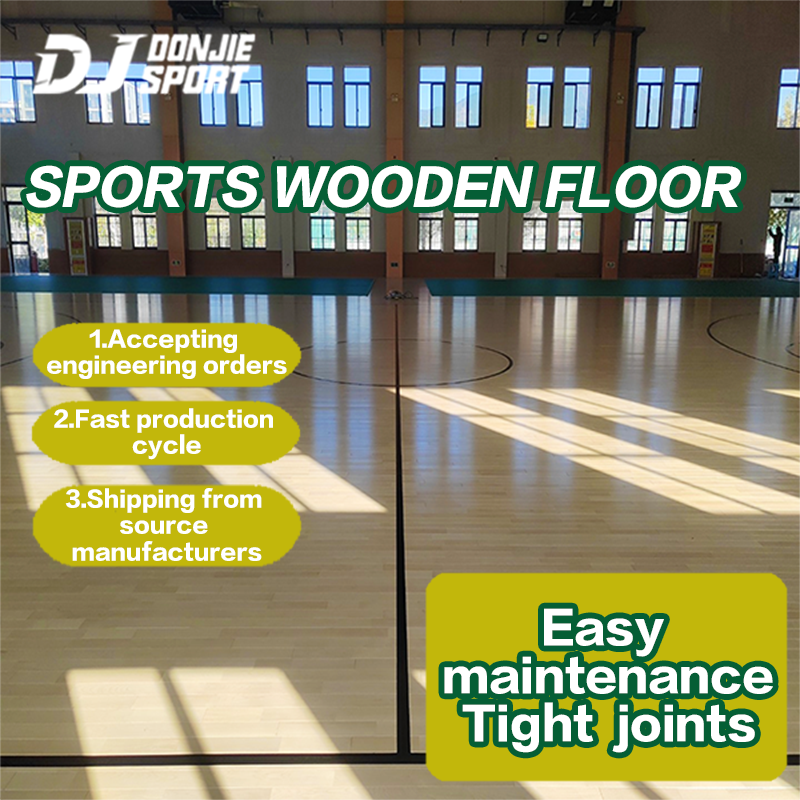
Basketball court wood flooring is specifically designed for high-impact sports like basketball. The most common type used is maple wood, prized for its durability and smooth surface. Other woods like oak and birch may also be used, depending on budget and performance requirements. Unlike regular hardwood flooring, which is more suitable for residential spaces, basketball court wood flooring is engineered to withstand the physical demands of professional basketball games, including constant foot traffic, quick movements, and heavy equipment.
The floor’s design incorporates layers of wood to ensure strength, while maintaining a smooth, shock-absorbent surface that benefits both players and the integrity of the court. The unique construction of these floors ensures a high-quality, responsive surface that enhances gameplay. The finishes, often polyurethane-based, provide a durable, glossy surface while protecting the wood from damage and moisture.
Advantages of Basketball Court Wood Flooring
Durability and Longevity
One of the biggest reasons why basketball court wood flooring is a preferred choice for high-traffic courts is its exceptional durability. When installed and maintained correctly, wood flooring can last for decades. The wear resistance of wood, especially when treated with the right sealants and finishes, ensures it holds up under intense usage. A professional installation, combined with routine maintenance such as refinishing and sanding, can significantly extend its lifespan.
Performance Enhancement
Wood flooring is designed to optimize player performance. Its smooth, even surface provides a consistent bounce and traction, which is essential for fast-paced games like basketball. The shock-absorbent nature of wood helps reduce the impact on players’ joints, minimizing the risk of injury and allowing for better agility and speed. The bounce of the basketball on a wood court is unrivaled by other flooring options, making it ideal for professional-level gameplay.
Aesthetic Appeal
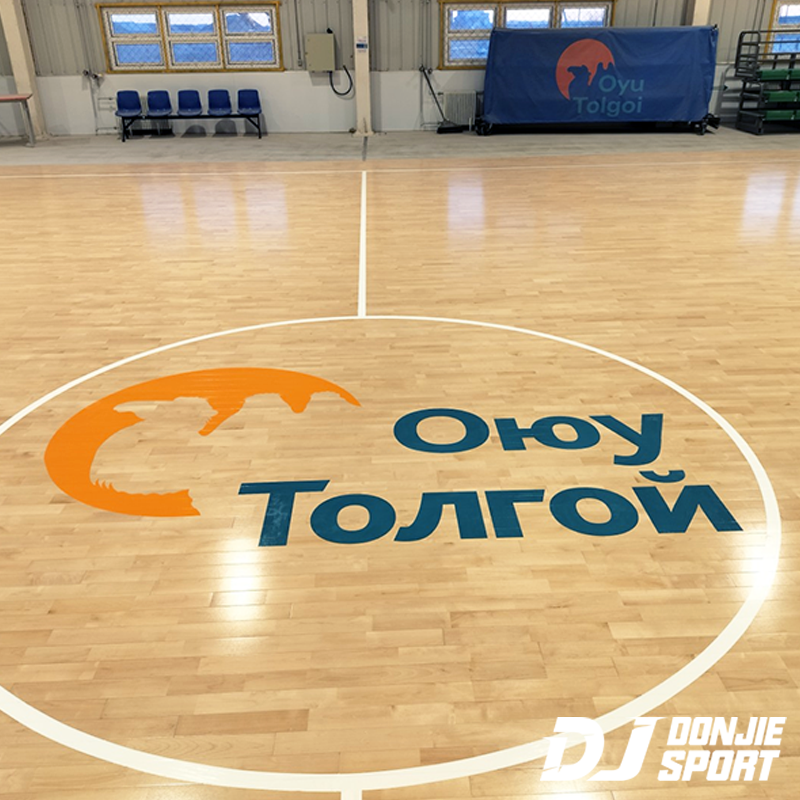
A wood basketball court offers a sleek, polished appearance that adds professionalism and visual appeal to any venue. The natural grain of the wood, combined with a high-gloss finish, creates an inviting atmosphere that enhances the overall aesthetic of the facility. Additionally, the flexibility of customizing wood flooring allows courts to feature logos, team names, or custom colors, which is why many professional and college-level courts favor this option.
Safety Considerations
Wood flooring provides excellent shock absorption, which plays a key role in player safety. It reduces the risk of ankle injuries and other joint-related issues caused by high-impact landings. The resilience of the wood, coupled with its ability to “give” slightly during intense movements, makes it a safe choice for athletes who perform sudden stops, jumps, and directional changes.
Resale Value
A basketball court with high-quality wood flooring can increase the resale value of a facility. Whether it’s a school gymnasium, a professional sports arena, or a community recreation center, wood flooring enhances the value and appeal of the venue. This long-term investment is especially valuable for those looking to attract future tenants or buyers, as wood courts are considered a premium feature.
Disadvantages of Basketball Court Wood Flooring
High Installation and Maintenance Costs
While wood flooring offers several benefits, it also comes with significant costs. Installation can be expensive due to the materials required and the labor-intensive process. Wood flooring also demands ongoing maintenance to preserve its appearance and performance. Regular refinishing, sanding, and protective coatings are necessary to keep the wood from showing signs of wear and tear. These upkeep costs can add up over time, making it a less affordable option for some facilities.
Vulnerability to Environmental Factors
Wood is highly sensitive to environmental changes, especially humidity and moisture levels. Excess moisture can cause the wood to warp or buckle, while extreme dryness can lead to cracking or splitting. To maintain the integrity of the court, a climate-controlled environment is necessary. This can increase the overall maintenance effort and cost, particularly for facilities located in regions with extreme temperature fluctuations or high humidity.
Slippery When Wet
Another downside to wood flooring is that it can become slippery when wet. Whether due to spilled drinks, sweat, or rainwater tracked in from the outside, moisture on a wood floor creates a slip hazard for players. This requires immediate action to clean up any water or liquid spills to avoid accidents. Regular inspection and quick response are crucial to maintaining player safety.
Prone to Scratches and Damage
Despite its durability, basketball court wood flooring is not immune to scratches and gouges. Sharp objects, heavy equipment, or high-heeled shoes can cause damage to the surface. Although minor wear can be buffed out with sanding, more significant damage requires costly repairs or even replacement of the affected sections of the court.
How to Maintain Basketball Court Wood Flooring
Proper maintenance is essential to keep your basketball court wood flooring in optimal condition. Regular cleaning is a must—using a dust mop or a soft cloth to remove dirt, debris, and moisture helps preserve the finish. Additionally, periodic refinishing is recommended to restore the floor’s smooth surface and prevent damage from repetitive use. Sanding may be needed every few years to remove scratches and imperfections, followed by applying a fresh protective layer.
Protective measures such as using floor covers during non-game days or avoiding heavy equipment contact can also help minimize wear. Climate control systems should be used to regulate the temperature and humidity of the space to protect the wood from environmental damage.
Alternatives to Basketball Court Wood Flooring
While basketball court wood flooring is a top-tier option, it’s not the only choice. Synthetic flooring materials, such as rubber and vinyl, are becoming increasingly popular for sports courts. These materials are typically more affordable and easier to maintain than wood floors. However, they don’t offer the same level of performance in terms of player safety and bounce quality.
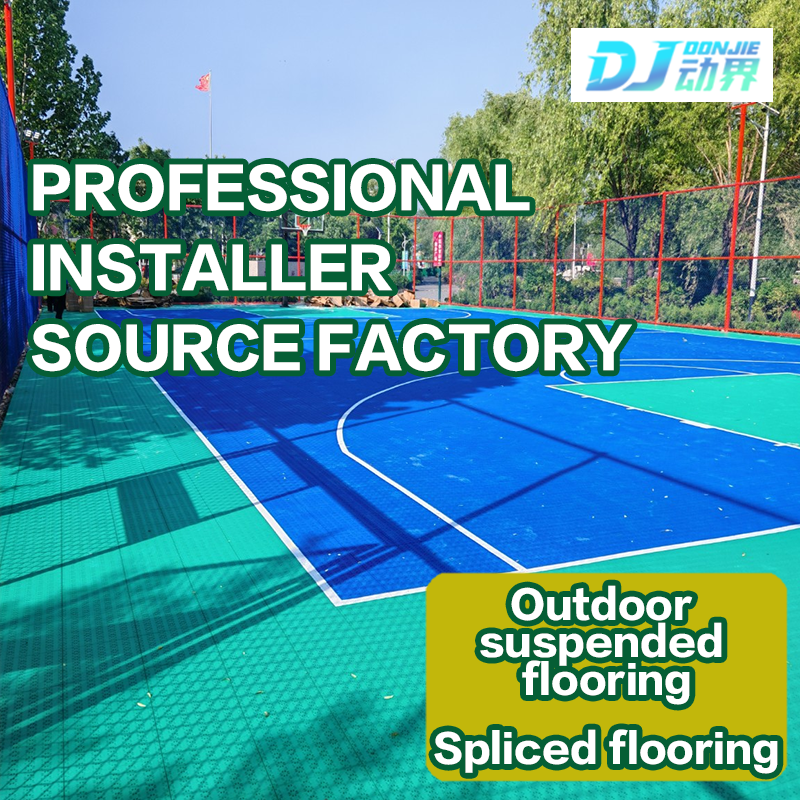
Synthetic alternatives can be a suitable option for recreational courts or schools with limited budgets, but they lack the aesthetic appeal and performance characteristics that come with wood flooring. For venues seeking a balance between affordability and performance, interlocking modular flooring tiles can be a compromise.
Conclusion
Basketball court wood flooring remains the gold standard for professional and high-performance courts due to its durability, performance, aesthetic value, and safety benefits. However, it’s essential to consider the higher installation and maintenance costs, as well as its sensitivity to environmental factors. For facilities that prioritize player safety and long-term durability, the investment in wood flooring is worthwhile. However, if budget and ease of maintenance are more pressing concerns, alternative flooring options might be worth exploring.