When it comes to building or renovating a gymnasium, one of the most crucial decisions you’ll make is choosing the right basketball flooring. The surface you select for your basketball court plays a significant role in player safety, performance, and the longevity of your facility. High-quality basketball flooring not only impacts the game but also the maintenance and aesthetic appeal of your gym.
With several types of basketball flooring available, it can be overwhelming to determine which one best suits your needs. Should you go for the traditional hardwood option that offers a classic feel and excellent performance, or opt for synthetic materials that are cost-effective and durable? Understanding the differences between these materials, along with the factors to consider, is essential in making an informed choice.
In this guide, we will explore the various types of basketball flooring, key factors to consider when making your selection, and the best practices for installation and maintenance to ensure your court remains in top condition. Whether you’re designing a professional sports facility or setting up a school gymnasium, this article will help you find the perfect flooring solution for your needs.
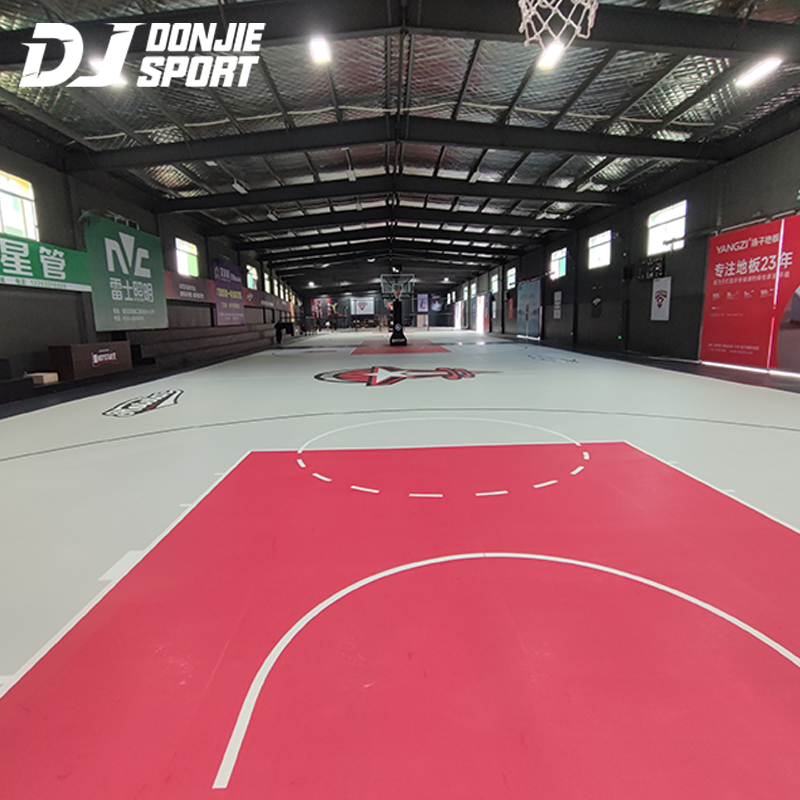
Types of Basketball Flooring: Which One is Best for You?
Choosing the right type of basketball flooring is crucial for ensuring the court’s performance and durability. Each option has its own set of advantages and disadvantages. Let’s take a closer look at the most common flooring types used in gymnasiums.
Wooden Flooring
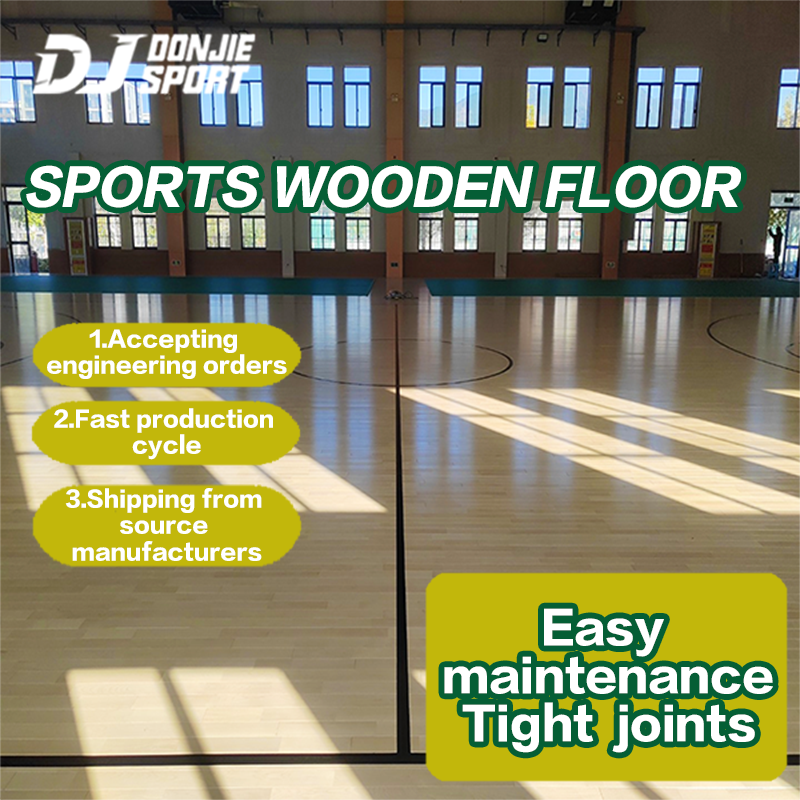
Wooden floors, particularly hardwood, have long been the go-to choice for basketball courts, especially in professional settings. This type of flooring provides a smooth and responsive surface, which is ideal for quick foot movements and jumping.
Characteristics of Hardwood Basketball Flooring
-
Hardwood flooring is typically made from maple, which is known for its durability and resilience under pressure.
-
It offers a natural, polished finish that adds an aesthetic appeal to any gymnasium.
-
Hardwood floors are ideal for indoor courts because of their ability to handle the intense activity of basketball without wearing down quickly.
Pros
-
Excellent shock absorption, which helps reduce player injury.
-
Great aesthetic appeal; it adds a classic, professional look to your gym.
-
High-performance surface that enhances player experience and ball bounce.
-
Can be resurfaced multiple times to maintain a smooth, clean appearance.
Cons
-
Higher upfront cost compared to synthetic options.
-
Requires regular maintenance (e.g., refinishing) to maintain its condition.
-
Prone to damage from moisture or excessive humidity.
Synthetic Flooring
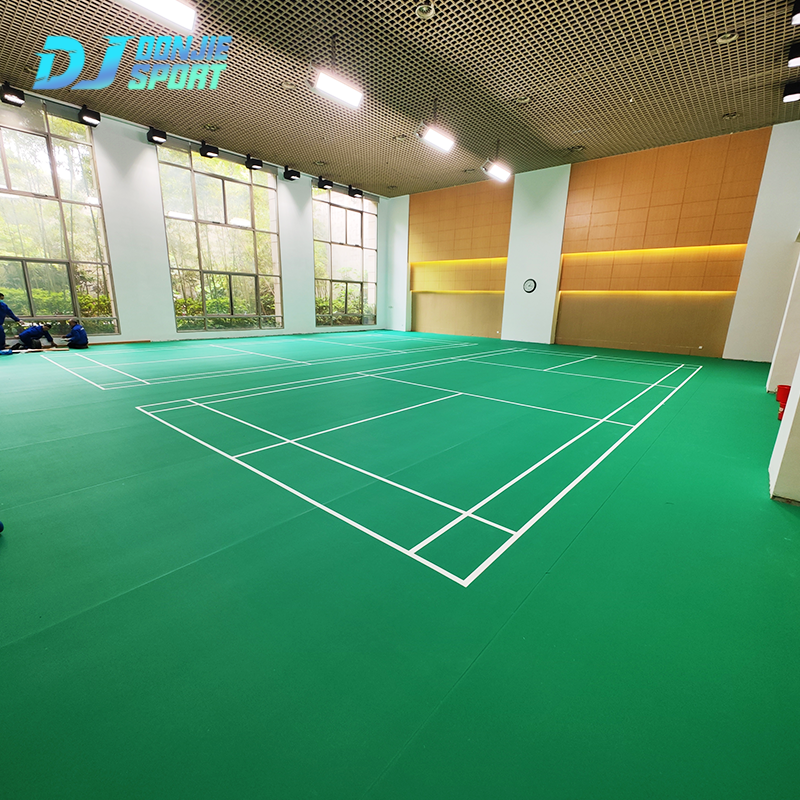
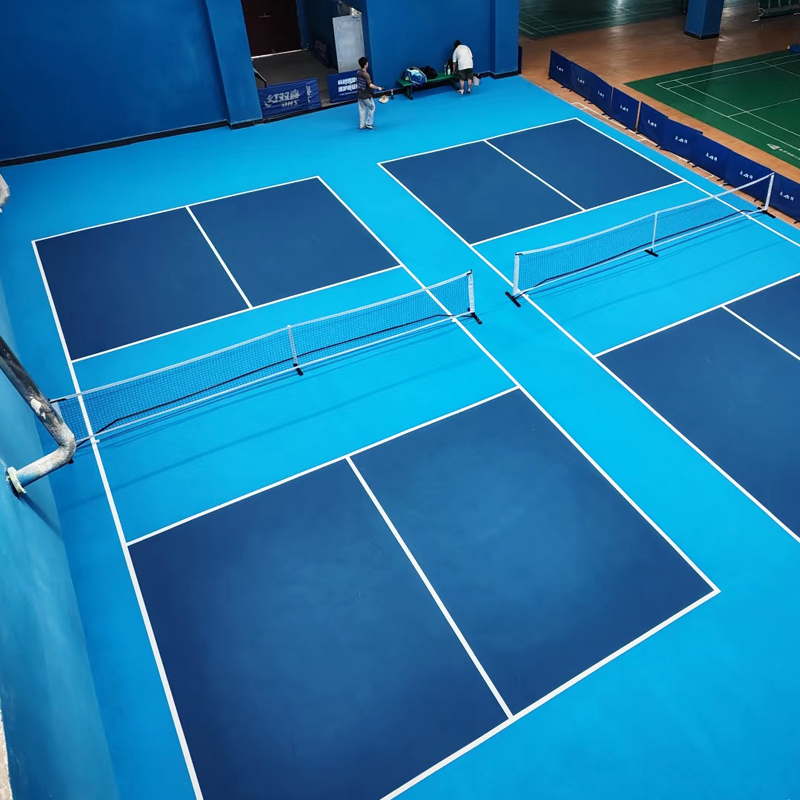
Synthetic flooring is becoming increasingly popular due to its lower cost and ease of maintenance. Common materials include polyurethane, PVC, and other plastic-based products.
Materials Used in Synthetic Basketball Flooring
-
Synthetic floors are made from various materials such as vinyl, rubber, or resilient tiles.
-
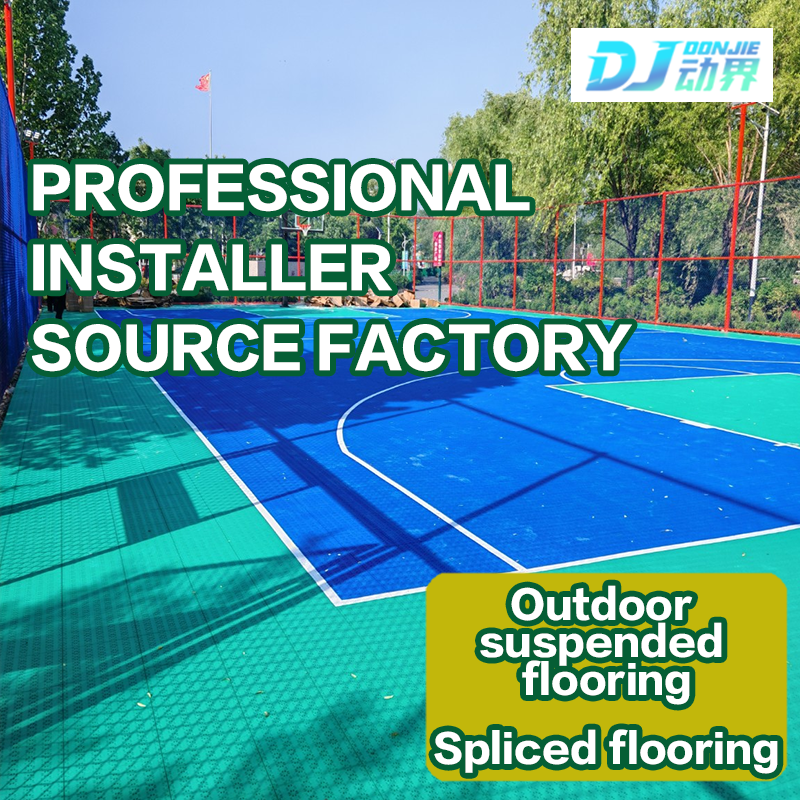
Many synthetic options come in modular tiles, making installation easier and faster.
Advantages of Synthetic Flooring
-
Lower initial installation cost compared to hardwood.
-
Requires less maintenance, making it more budget-friendly in the long run.
-
Available in a variety of colors and styles for aesthetic customization.
-
Resistant to moisture, making it ideal for areas with high humidity or potential water damage.
Disadvantages of Synthetic Flooring
-
May not provide the same level of shock absorption and bounce as hardwood.
-
Can feel less natural underfoot, which may affect players’ performance.
-
Limited lifespan compared to hardwood; may need to be replaced sooner.
Rubber Flooring
Rubber flooring is another synthetic alternative that offers durability and safety. It’s an excellent choice for gyms that prioritize safety and long-term durability.
Benefits of Rubber Basketball Flooring
-
Offers superior grip, which helps prevent slips and falls.
-
More resilient than other synthetic options, making it highly durable.
-
Easy to maintain and clean.
-
Ideal for multi-purpose gymnasiums, as it can withstand a variety of activities beyond basketball.
Comparison with Wood and Synthetic Flooring
-
While rubber flooring provides excellent traction and shock absorption, it does not offer the same aesthetic appeal or bounce as hardwood.
-
It’s a cost-effective and durable solution but might not provide the ideal basketball experience for professional players.
Factors to Consider When Choosing Basketball Flooring
When selecting the best basketball flooring for your gymnasium, several factors must be taken into account to ensure you make the right choice. Here are the most important aspects to consider:
Budget
The cost of basketball flooring can vary significantly depending on the type you choose. Hardwood floors tend to have a higher upfront cost due to installation and maintenance requirements. Synthetic and rubber options are more affordable, but they may need to be replaced more frequently. Consider both your initial budget and long-term expenses when making your decision.
Durability and Maintenance
Durability is a key consideration, as your gymnasium’s flooring will experience heavy use. Hardwood floors can last for many years if properly maintained, but they require regular care, such as refinishing and resealing. Synthetic and rubber floors generally require less upkeep but may need to be replaced after a few years, depending on the material.
Safety
Safety is crucial in any sporting environment, and the flooring you choose plays a significant role in reducing injuries. Hardwood floors provide excellent shock absorption, which helps protect players’ joints, while rubber and synthetic floors offer non-slip surfaces, preventing accidents. When choosing flooring, ensure that it offers both comfort and safety for players.
Aesthetics
The visual appeal of your gymnasium should not be overlooked. Hardwood flooring offers a professional, polished look, often associated with elite basketball courts. Synthetic and rubber floors can also be customized in terms of color and branding, but they might not achieve the same aesthetic quality as wood.
Installation Process: What You Need to Know
The installation process of basketball flooring can vary depending on the type of surface you choose. Here’s what you should know:
Steps Involved in Installing Basketball Flooring
-
Preparation: The subfloor must be prepared to ensure a smooth and level base for the flooring. Any irregularities in the subfloor can affect the final product.
-
Installation: Hardwood floors are typically installed as a single, large surface, while synthetic and rubber floors may be installed in modular tiles or sheets.
-
Sealing and Finishing: For wood floors, sealing and finishing are crucial to protect the wood from moisture and wear. Synthetic and rubber floors often don’t require sealing but must be secured tightly to prevent shifting.
DIY vs. Professional Installation
-
While DIY installation is possible with certain flooring types like modular rubber tiles, it’s recommended to hire professionals for hardwood or large synthetic flooring installations. Improper installation can lead to significant issues down the road.
Timeline and Challenges
-
Hardwood floors can take several weeks to install, including drying and finishing times. Synthetic and rubber floors are quicker to install but may require special tools or equipment for a smooth finish.
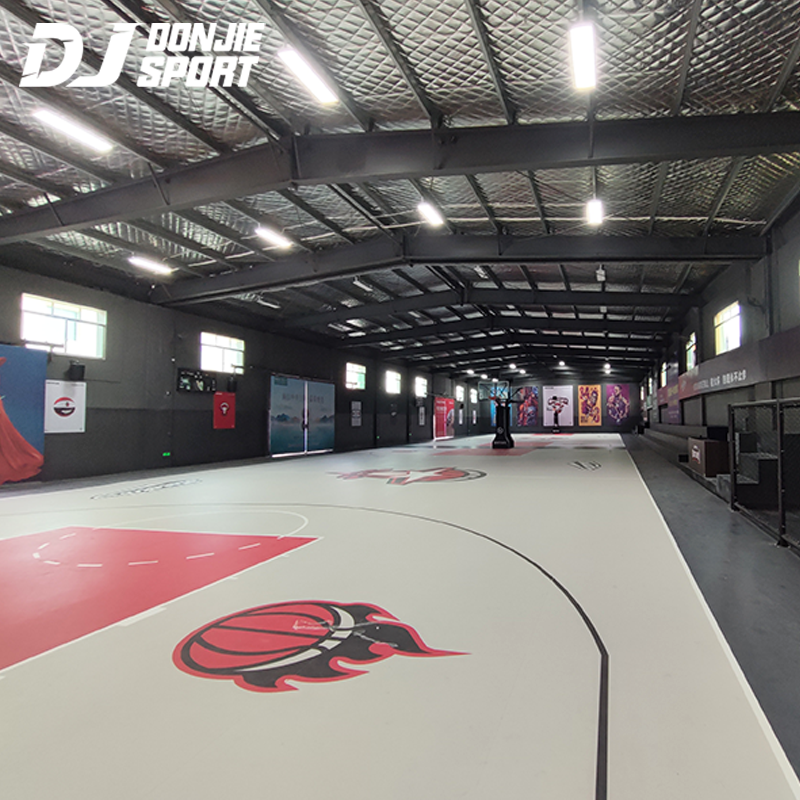
How to Maintain Your Basketball Flooring
Proper maintenance is essential for prolonging the lifespan of your basketball flooring. Here are some tips for keeping your court in top shape:
Routine Maintenance Tips
-
Wooden Flooring: Sweep regularly to remove dirt and debris, and use a damp mop to clean the surface. Periodically, you’ll need to refinish and reseal the wood to prevent damage.
-
Synthetic and Rubber Flooring: These types of floors require minimal maintenance. Clean with a damp mop and remove any stains promptly to prevent long-term damage.
Addressing Damage and Repairs
-
Minor scratches on wood floors can be sanded and refinished. Synthetic floors may require replacing individual tiles or sections, while rubber floors can be patched if damaged.
Best Practices for Extending the Lifespan
-
Regularly inspect your flooring for signs of wear and tear.
-
Place mats at the entrance to avoid dirt and moisture from entering the gym.
-
Invest in a floor cover to protect the surface when the gym is not in use.
Choosing the Right Basketball Flooring for Your Gymnasium: Final Thoughts
In conclusion, selecting the right basketball flooring for your gymnasium requires careful consideration of factors like budget, durability, safety, and aesthetics. Whether you choose hardwood, synthetic, or rubber flooring, ensure it meets the needs of your athletes and the demands of your facility. Always prioritize quality and long-term performance to create a safe, functional, and attractive space for basketball and other activities.