When building or upgrading a basketball court, the choice of flooring is a crucial decision that impacts both the performance and aesthetic appeal of the court. Among the most popular options for basketball court flooring are hardwood and parquet floors. Each type of flooring offers unique advantages, but understanding the differences between them can help you make the right decision for your court.
In this article, we’ll explore the key differences between hardwood basketball floors and parquet floors, focusing on factors like durability, cost, aesthetics, and maintenance. Whether you’re outfitting a professional basketball arena or building a recreational court, knowing which flooring option suits your needs will ensure long-lasting quality and performance.
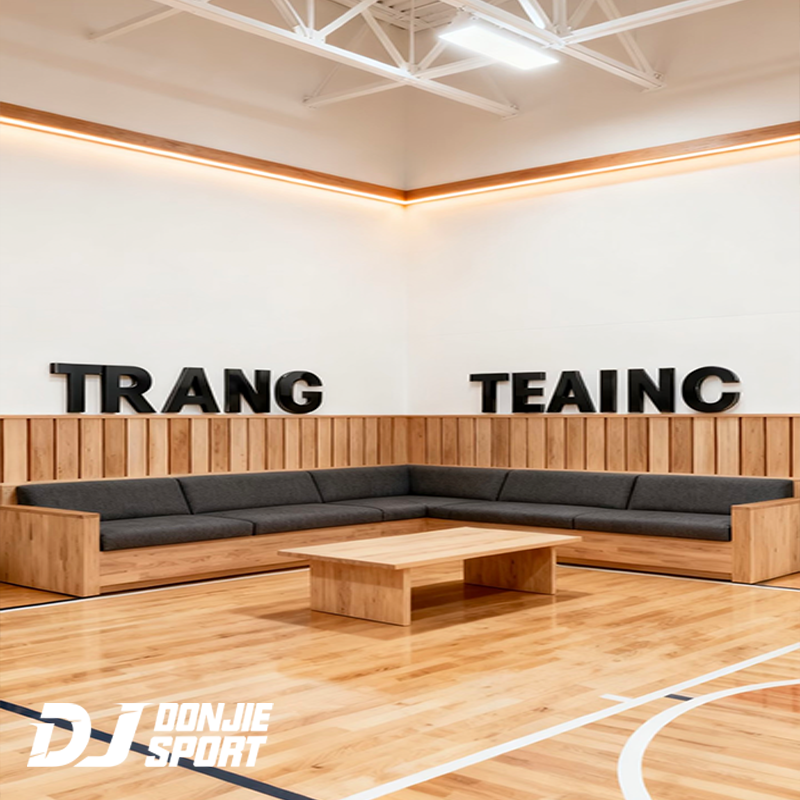
Understanding Hardwood Basketball Floors
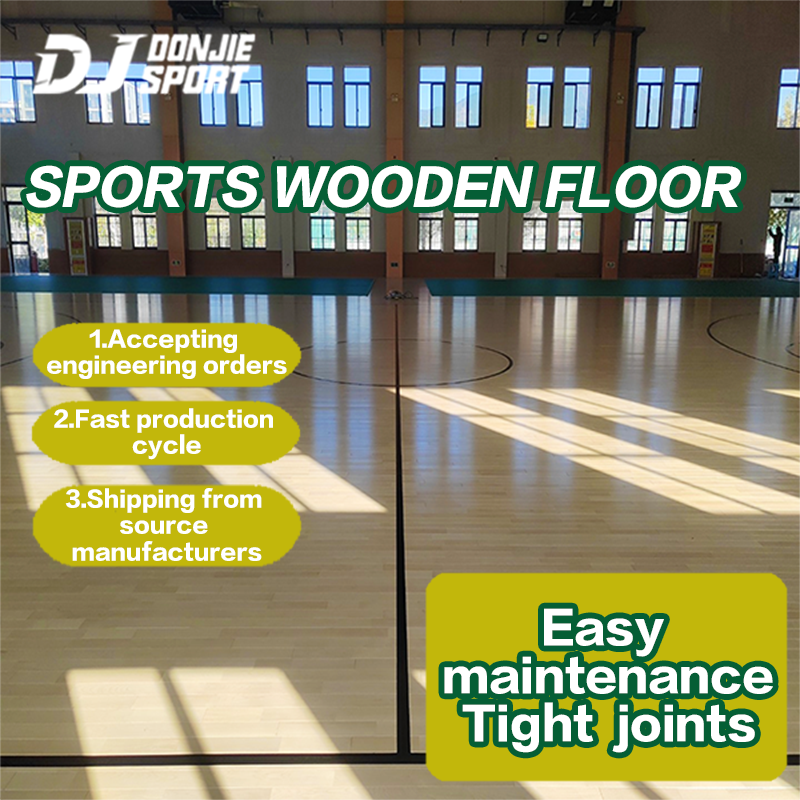
Hardwood basketball floors have long been the standard choice for professional and high-end basketball courts. Typically made from durable hardwoods like maple or oak, these floors are known for their natural beauty and exceptional performance.
What Are Hardwood Basketball Floors?
Hardwood basketball floors are solid wood floors, crafted from thick planks of wood that are sanded and polished to a smooth, even finish. Maple is the most popular choice due to its resilience and ability to withstand heavy foot traffic while offering an excellent bounce for the basketball. Other hardwoods like oak may also be used but are less common in professional settings.
Advantages of Hardwood Floors: Durability, Feel, and Performance
Hardwood floors provide a superior playing surface that’s ideal for competitive play. The wood is resilient enough to endure the constant pounding of basketball players, and its surface has a natural springiness that allows for better ball bounce and player comfort. Moreover, hardwood flooring provides excellent grip, reducing the risk of injury.
Another major advantage is longevity. With proper care and maintenance, hardwood basketball floors can last for decades, making them a long-term investment for your court.
Maintenance Requirements for Hardwood Floors
Hardwood floors require regular maintenance to keep them in optimal condition. This includes periodic sanding and refinishing to remove scuffs and scratches, as well as regular cleaning to prevent dirt buildup. While maintenance can be labor-intensive, the durability and performance make it worthwhile for professional settings.
Cost Considerations for Hardwood Basketball Floors
The cost of installing hardwood basketball flooring can vary significantly based on the quality of the wood and the size of the court. Maple, being the most popular choice, can be costly, and the installation process requires expertise to ensure the flooring is properly laid. Additionally, maintenance costs over time—such as sanding, refinishing, and repairs—should be factored into the overall cost.
Exploring Parquet Floors for Basketball Courts
Parquet floors, on the other hand, offer a distinct aesthetic and can be an excellent choice for certain types of basketball courts. Parquet is a pattern of wood blocks or strips arranged in geometric shapes, typically in a herringbone or basket weave design.
What Are Parquet Basketball Floors?
Parquet basketball floors consist of small wooden pieces that are arranged into intricate patterns. These patterns can give the court a unique and stylish look, which is particularly appealing for basketball courts in schools or recreational settings where design plays a significant role.
Advantages of Parquet Floors: Aesthetics, Versatility, and Unique Design Patterns
One of the most appealing features of parquet flooring is its visual appeal. The ability to choose from various design patterns—whether classic or modern—allows you to customize the look of your court. The pattern of parquet flooring gives the court an upscale and luxurious appearance.
In addition to aesthetics, parquet floors are relatively easy to install compared to solid hardwood floors. They can be cut into smaller pieces and arranged on site, which speeds up the installation process.
Parquet Flooring Maintenance Needs
Like hardwood floors, parquet floors also require care to maintain their quality over time. While they might not need as much sanding and refinishing, regular cleaning and ensuring that the wood blocks are securely in place are essential. One challenge is that if a single section of the parquet becomes damaged, it may require the replacement of individual blocks, which can be a bit more cumbersome than fixing a larger hardwood plank.
Pricing and Cost Factors for Parquet Basketball Floors
Parquet floors tend to be more affordable than solid hardwood floors, especially when using less expensive wood varieties. The installation process is also quicker, which can reduce overall costs. However, if you opt for high-end wood options or intricate patterns, costs can quickly increase.
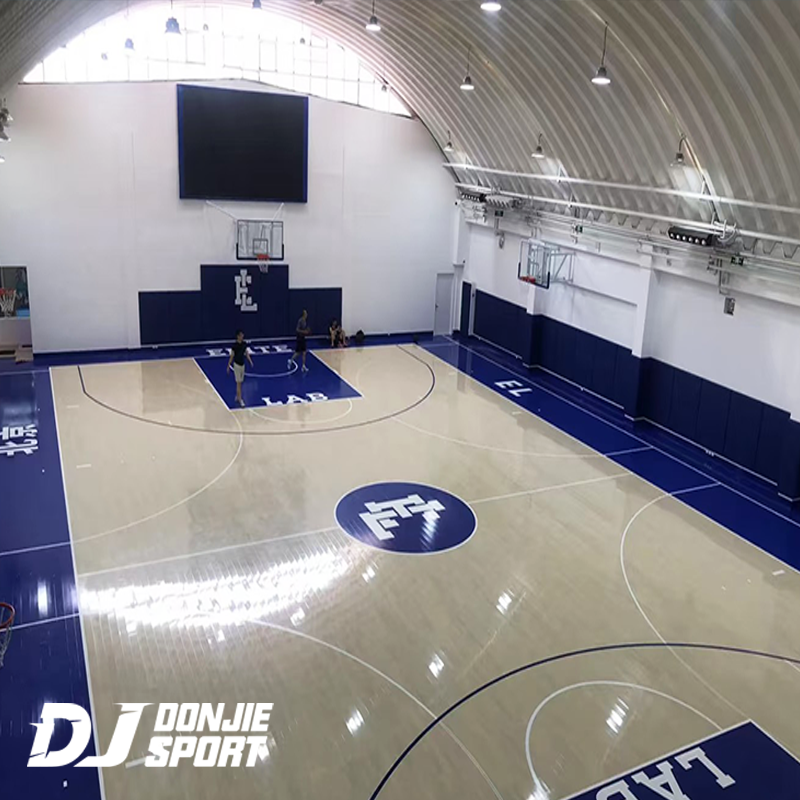
Key Differences Between Hardwood and Parquet Basketball Floors
Both hardwood and parquet flooring offer distinct benefits, but they also come with different considerations depending on the type of court you’re building. Below are some of the most important factors to consider when choosing between the two.
Aesthetic Differences: Design, Visual Appeal, and Court Customization
When it comes to aesthetics, parquet floors offer more versatility with their intricate patterns, while hardwood floors have a classic and timeless look. Hardwood gives a more uniform and seamless appearance, while parquet’s geometric designs can make a statement. The choice depends on whether you prefer a traditional or more contemporary design for your court.
Durability and Wear Resistance
Hardwood floors are known for their durability and longevity, making them the best option for high-traffic areas such as professional basketball courts. Parquet floors, while still durable, may not withstand wear and tear as effectively as hardwood in very high-usage scenarios.
Performance and Player Experience: Bounce, Grip, and Comfort
Hardwood floors generally provide a better playing experience, offering more consistent bounce and player comfort. The smooth surface ensures optimal ball bounce and player movement. Parquet floors, while functional, may not provide the same level of performance due to the smaller wood blocks and the possibility of slight unevenness in the surface.
Maintenance Requirements: Cleaning, Refinishing, and Repairs
Both types of floors require regular maintenance to maintain their best appearance and performance. Hardwood floors require sanding and refinishing every few years to restore their smooth surface, while parquet floors may only require occasional repairs to replace individual blocks. However, due to the intricate patterning of parquet, the repair process can sometimes be more complicated.
Installation Time and Costs: Which Is Quicker and Cheaper?
Generally, parquet floors are easier and faster to install, as the wood is cut into smaller pieces that can be arranged more easily on-site. Hardwood floors, on the other hand, require precise installation and may take longer to set up, especially when large, solid pieces of wood are involved. While parquet may have a lower initial cost, installation costs for hardwood can be higher due to the specialized labor required.
Factors to Consider When Choosing Between Hardwood and Parquet
The choice between hardwood and parquet basketball floors depends on various factors, including the type of court, budget, and design preferences.
Court Usage: Professional vs. Recreational Settings
For professional basketball courts, hardwood is the preferred choice due to its durability and performance. However, for schools or recreational facilities, parquet flooring may be a better option if you’re looking to balance cost, aesthetics, and performance.
Budget: Initial Investment and Long-Term Costs
While hardwood floors are typically more expensive upfront, they can last much longer, which may make them a more cost-effective option in the long run. Parquet floors are more affordable initially but may require more repairs or replacements over time.
Aesthetic Preferences and Design Needs
If visual appeal is important, parquet floors offer more design options with their custom patterns. Hardwood, while elegant, provides a more uniform and classic look.
Durability and Long-Term Performance
If your court will be used heavily, such as in a professional setting, hardwood flooring is the more durable option. For lower-traffic areas, parquet can perform adequately, but it may not last as long as hardwood in high-use environments.
Environmental Impact and Sustainability
If sustainability is a concern, both hardwood and parquet floors can be sourced from environmentally responsible suppliers. However, hardwood floors tend to have a longer lifespan, which may make them a more sustainable option in the long run.
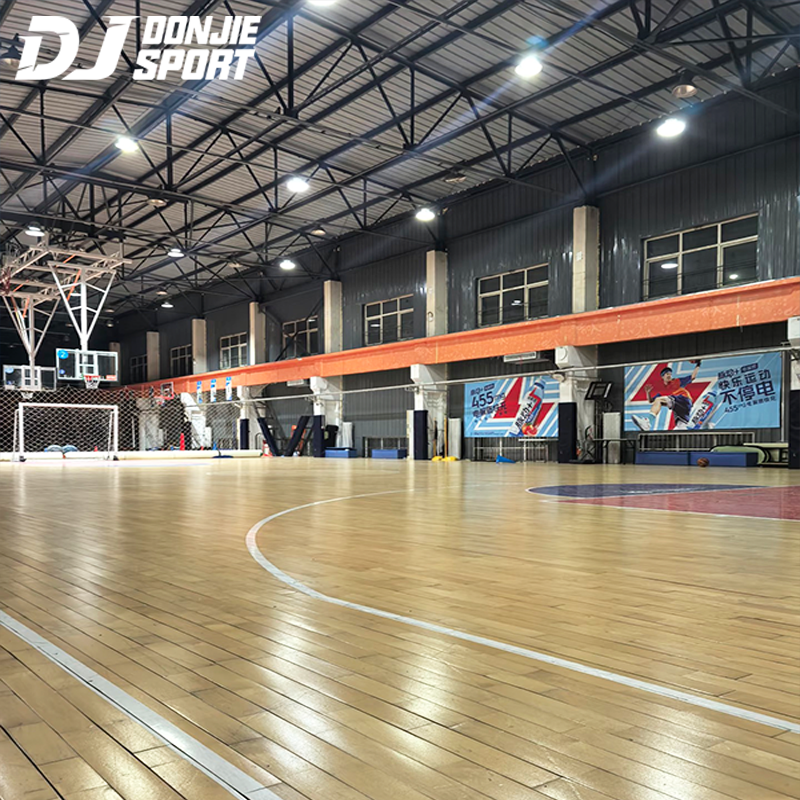
Pros and Cons of Hardwood Basketball Floors
Pros:
-
Classic look that enhances the appeal of any court.
-
Extremely durable and long-lasting with proper maintenance.
-
Superior performance in terms of ball bounce, grip, and player comfort.
-
Highly valued for professional settings, making it a good investment for elite courts.
Cons:
-
High initial cost, both for the material and installation.
-
Requires regular maintenance, including sanding and refinishing.
-
Can be prone to scratches and dents, especially in high-traffic areas.
Pros and Cons of Parquet Basketball Floors
Pros:
-
Affordable and cost-effective, particularly for smaller budgets.
-
Aesthetic flexibility with custom designs and patterns.
-
Faster installation compared to hardwood.
-
Easier to repair, as individual blocks can be replaced if damaged.
Cons:
-
Less durable than hardwood in high-traffic settings.
-
May not provide the same high-quality performance as hardwood.
-
Some patterns can cause unevenness in the floor, which could impact player performance.
How to Maintain Both Hardwood and Parquet Basketball Floors
Hardwood Floors:
-
Sweep or vacuum regularly to remove dirt and debris.
-
Clean with a wood-friendly cleaner and avoid harsh chemicals.
-
Refinish the floor every few years to maintain its smooth, polished surface.
-
Address any dents or scratches immediately to prevent further damage.
Parquet Floors:
-
Regularly clean the surface to prevent dirt from damaging the wood.
-
Inspect the flooring for any loose or damaged tiles and replace them promptly.
-
Avoid excess moisture, which can cause the wood to warp or stain.
-
Use a gentle wood cleaner to preserve the finish and prevent discoloration.
Conclusion
When deciding between hardwood and parquet basketball flooring, it’s essential to consider your court’s specific needs. Hardwood floors offer unparalleled durability, performance, and longevity, making them the ideal choice for professional courts. On the other hand, parquet flooring provides a cost-effective and customizable solution, perfect for schools or recreational spaces with a focus on design.
Ultimately, your decision should be based on your budget, court usage, and aesthetic preferences. Whether you choose hardwood or parquet, investing in the right flooring ensures a functional, attractive, and long-lasting basketball court.