Choosing the right flooring for a basketball court is an essential decision for any sports facility, whether it’s a school gym, a community center, or a professional arena. The quality of the floor can directly affect the gameplay, player safety, and overall aesthetics of the court. Among the various types of basketball court flooring available, two options stand out: Hardwood Basketball Court Flooring and Parquet Flooring. Each comes with its own set of advantages, and making the right choice depends on factors such as performance, budget, and style.
The Basics of Basketball Court Flooring
Before diving into the specifics of Hardwood and Parquet flooring, it’s important to understand what makes a great basketball court floor. A quality court floor should offer optimal performance, ensuring safety for players, providing enough grip, and withstanding heavy use. Durability, ease of maintenance, and overall aesthetic appeal are all critical factors to consider when selecting a basketball court flooring material.
Both Hardwood and Parquet flooring are excellent options, but they differ in structure, performance, and cost. Hardwood has long been the standard for professional basketball courts, offering a classic, polished look. Parquet, on the other hand, provides an elegant and affordable alternative, offering distinct visual patterns that enhance the overall court experience.
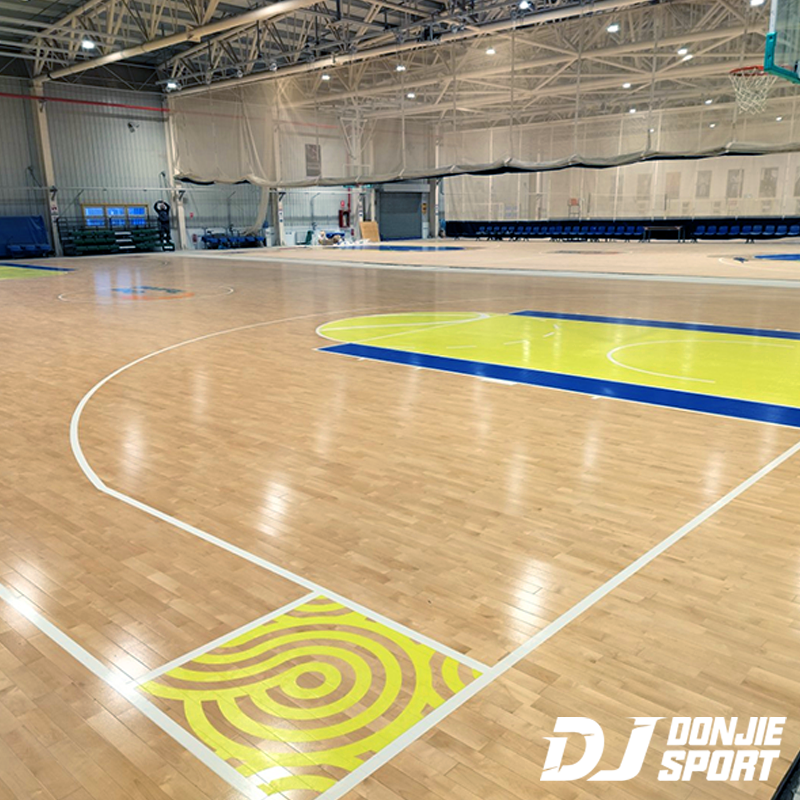
Hardwood Basketball Court Flooring: A Classic Choice
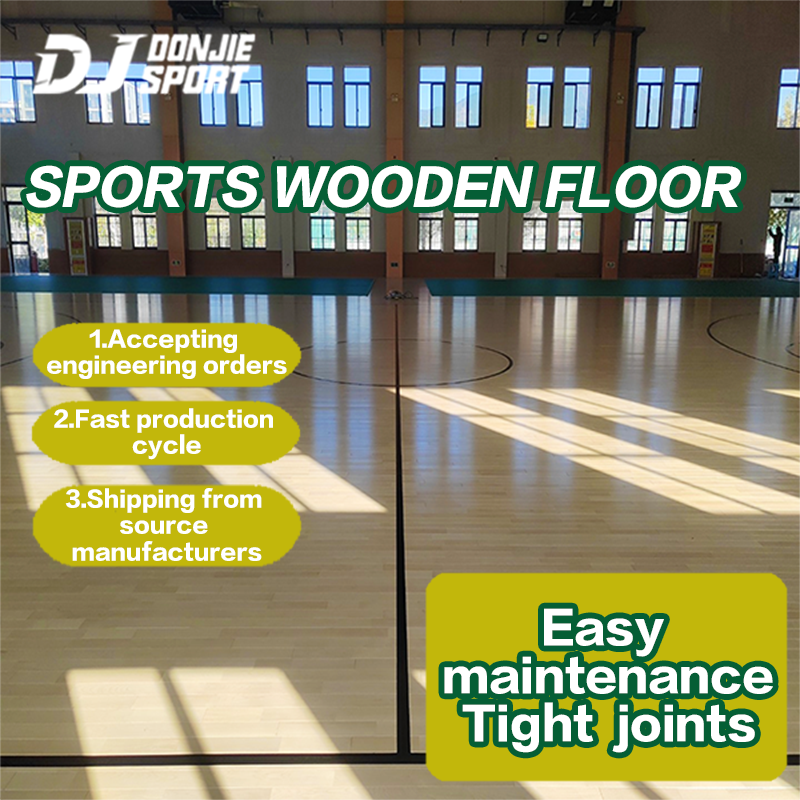
Hardwood has been the gold standard for basketball courts for decades. This flooring material is renowned for its durability, smooth surface, and professional appearance, making it a top choice for high-end sports facilities worldwide.
Durability and Longevity
Hardwood is incredibly strong, making it capable of handling the intense physical demands of basketball. Whether it’s the constant foot traffic or the impact of players’ movements, Hardwood floors are built to withstand heavy use without showing significant wear. With proper care and maintenance, Hardwood basketball floors can last decades, even in high-traffic areas.
Aesthetic Appeal
The classic, rich look of Hardwood flooring contributes to the prestige of any basketball court. The polished surface provides a sleek, professional appearance that appeals to schools, universities, and professional arenas alike. Hardwood floors also offer a wide variety of finishes and stain options, allowing for a customized look.
Pros and Cons
Pros:
-
Exceptional durability and long lifespan.
-
A polished, professional look that enhances court aesthetics.
-
Provides a smooth, safe surface for players.
-
Adds value to the facility due to its premium appeal.
Cons:
-
Higher installation and maintenance costs.
-
Can be susceptible to environmental factors like moisture, leading to potential damage.
-
Requires regular maintenance, including refinishing and sanding, to maintain its pristine condition.
Parquet Flooring: A Stylish and Affordable Option
Parquet flooring is a popular alternative to Hardwood and is commonly used in various types of sports courts, including basketball. Parquet floors are composed of small, individual pieces of wood arranged in geometric patterns, which gives them a unique visual appeal.
Cost-Effectiveness
One of the most significant advantages of Parquet flooring is its affordability. Parquet floors are generally less expensive to install than Hardwood, making them a great option for facilities with budget constraints. While still offering a high-quality playing surface, Parquet flooring can provide substantial savings.
Visual Appeal
Parquet flooring offers a stylish and contemporary aesthetic with its geometric patterns. The visual effect of Parquet can elevate the overall look of the court, giving it a modern and distinctive flair that is perfect for facilities seeking to make a statement.
Pros and Cons
Pros:
-
More affordable than Hardwood, making it an ideal option for budget-conscious facilities.
-
Unique geometric patterns add a distinct visual appeal to the court.
-
Offers good durability, especially when made with quality wood.
-
Easier to maintain and repair in small sections compared to large Hardwood floors.
Cons:
-
Generally less durable than Hardwood, especially with heavier use.
-
Not as prestigious or professional-looking as Hardwood in high-end facilities.
-
Requires some maintenance, such as periodic sanding and resealing, to keep it in good condition.
Comparing Performance: Hardwood vs. Parquet
When it comes to performance, both Hardwood and Parquet flooring provide a solid surface for basketball. However, there are differences in how they affect gameplay, player safety, and maintenance.
Durability
Hardwood is the more durable of the two, able to handle the rigors of basketball more effectively. It can endure the repeated impacts from players without losing its structural integrity. Parquet, though still durable, is more prone to wear and tear, especially in high-traffic areas, and may need to be replaced sooner.
Player Safety and Performance
Both types of flooring offer adequate shock absorption and a firm surface for players to pivot and jump. However, Hardwood flooring generally provides better bounce and grip, which contributes to a more consistent playing experience. Parquet flooring can sometimes feel slightly different due to its smaller sections, but it’s still suitable for recreational and competitive play.
Maintenance
While both flooring types require maintenance, Hardwood floors demand more frequent care. They need periodic sanding, refinishing, and resealing to keep them in top condition. Parquet floors are generally easier to maintain, as individual panels can be repaired or replaced if damaged, without the need to refinish the entire court.
Environmental Considerations and Sustainability
When choosing between Hardwood and Parquet flooring, it’s important to consider the environmental impact of your decision. Both options can be sustainable, but the sourcing of the wood plays a significant role.
Hardwood
Many Hardwood basketball courts use solid wood harvested from trees like maple, which is often sourced from sustainable forests. However, the environmental footprint of cutting down mature hardwood trees for flooring can be significant. Look for certifications such as FSC (Forest Stewardship Council) to ensure the wood is responsibly sourced.
Parquet
Parquet flooring is often made from smaller pieces of wood, which means that less of the tree is used per panel. In some cases, Parquet floors can be made from reclaimed wood or recycled materials, making them a more environmentally friendly choice.
Sustainability
Both options can be sustainable if sourced responsibly, but Parquet floors tend to have a lower environmental impact due to the efficient use of wood and the possibility of using recycled or reclaimed materials.
Cost and Budgeting: Making the Right Investment
The decision between Hardwood and Parquet flooring often comes down to budget. Hardwood, while the more expensive option, is a long-term investment that can increase the value of the facility due to its durability and classic appearance. Parquet, on the other hand, offers a cost-effective solution for facilities on a tighter budget, providing solid performance without the high upfront costs.
Installation Costs
Hardwood flooring requires a more complex installation process, which can increase labor costs. Parquet flooring, due to its modular nature, is generally easier and quicker to install, which can result in lower installation fees.
Long-Term Value
While Hardwood flooring might cost more initially, its longevity means you won’t have to replace it as frequently as Parquet flooring. In the long run, the higher upfront investment in Hardwood may offer better value.

Choosing the Right Flooring Based on Your Needs
Ultimately, the choice between Hardwood and Parquet flooring comes down to the specific needs of your facility.
-
For high-end, professional arenas or universities: Hardwood is the go-to choice due to its durability, aesthetic appeal, and long lifespan.
-
For schools, community centers, or recreational courts: Parquet offers a great balance of affordability, performance, and style, especially for those with budget limitations.
Consider factors such as the intensity of usage, maintenance resources, budget constraints, and desired court aesthetics when making your decision.
Conclusion
Choosing between Hardwood and Parquet basketball court flooring depends on several factors, including budget, durability, performance, and aesthetics. Hardwood remains the classic choice for its superior longevity and professional look, while Parquet provides a stylish and cost-effective alternative for facilities looking to save on installation costs. Both flooring types offer excellent playing surfaces, but your decision should align with your facility’s needs and goals.