When it comes to designing or upgrading a basketball court, one of the most important decisions you’ll face is choosing the right type of flooring. Basketball court flooring plays a crucial role in the game, affecting everything from player performance to the overall aesthetic of the space. Among the many options available, hardwood and laminate basketball court flooring stand out as two of the most popular choices. But which one is better for your specific needs?
In this article, we’ll explore both hardwood and laminate basketball court flooring, comparing their performance, durability, cost, aesthetics, and more. Whether you’re outfitting a professional gym or creating a home basketball court, understanding the pros and cons of each flooring type will help you make an informed choice.
Understanding Basketball Court Flooring Materials
What is Hardwood Flooring for Basketball Courts?
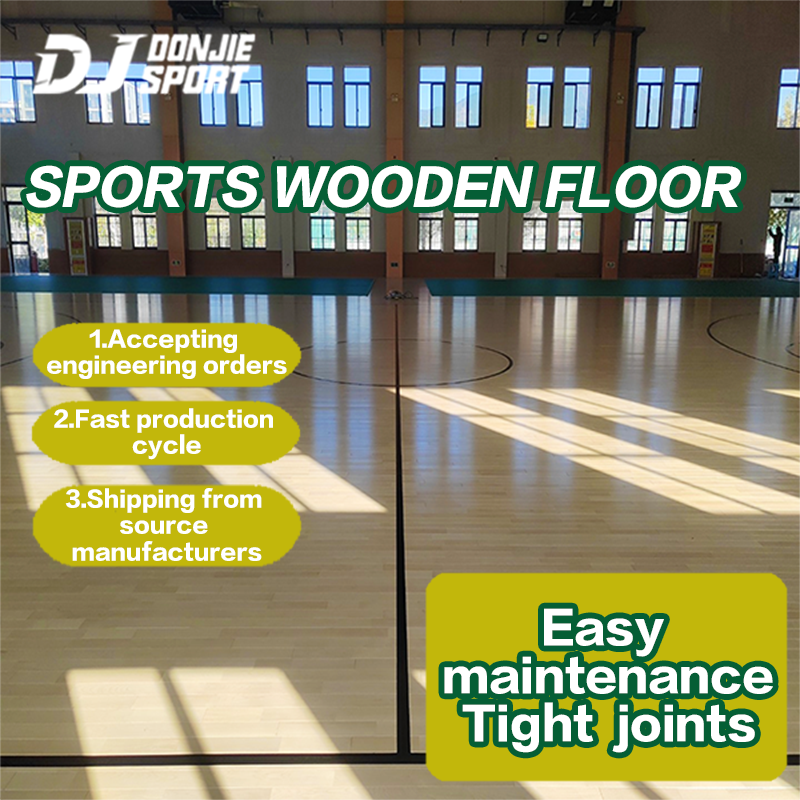
Hardwood flooring has been the go-to choice for professional basketball courts for decades. It is made from solid wood, typically maple, which offers a perfect balance between performance and aesthetics. Hardwood floors are durable, resilient, and known for their ability to provide a consistent bounce and superior traction, making them ideal for high-performance sports like basketball.
Historically, hardwood has been the standard in arenas and gyms, with many professional leagues, including the NBA, using hardwood floors in their courts. The familiarity of hardwood not only provides optimal playing conditions but also helps preserve the authenticity of the game.
What is Laminate Flooring for Basketball Courts?
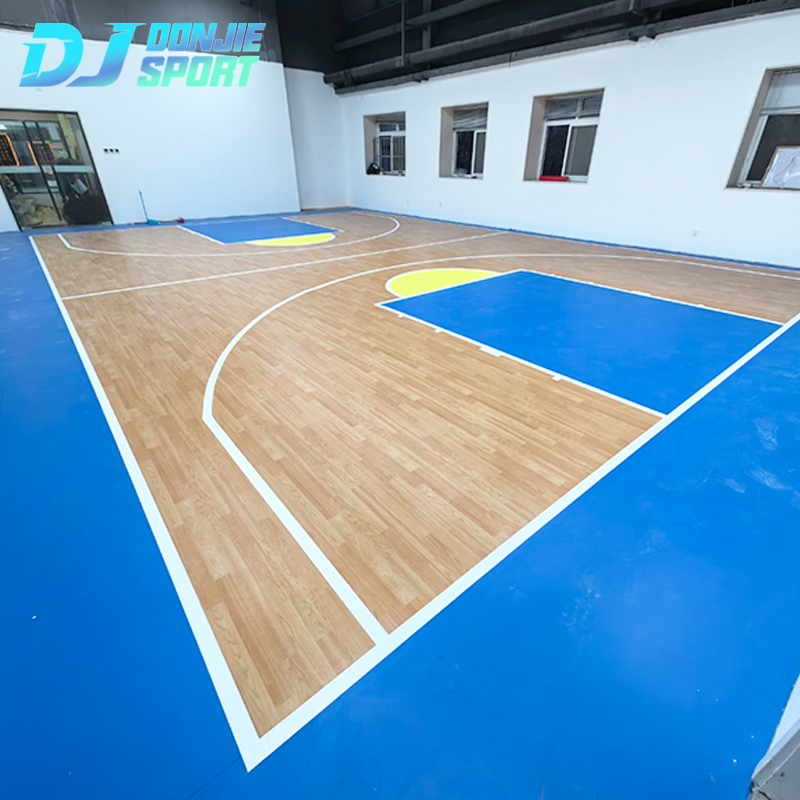
Laminate flooring, on the other hand, is a synthetic product made to mimic the appearance of wood. It consists of multiple layers, including a photographic layer that gives the floor its wood-like appearance. Laminate basketball court flooring is often used as a budget-friendly alternative to hardwood, offering a similar look but at a significantly lower price.
While laminate may not replicate the exact feel and performance of hardwood, it still offers a decent level of functionality. It’s widely used in home gyms, recreational centers, and budget-conscious installations.
Performance Comparison
Impact on Player Performance
The performance of basketball court flooring directly affects the players’ experience. Hardwood flooring is renowned for its excellent grip and consistent bounce. Its firm yet forgiving surface provides the perfect traction, reducing the risk of injuries while offering smooth, responsive play.
Laminate, while often visually similar to hardwood, does not always perform at the same level. It’s less flexible, meaning it may not provide the same level of grip or cushion. The floor can feel harder and may contribute to more wear and tear on a player’s joints over time. Although laminate has evolved in recent years, it still lacks the responsiveness of hardwood flooring.
Bounce and Ball Rebound
For any basketball game, a consistent ball bounce is crucial. Hardwood floors are specifically designed to enhance the ball’s rebound, giving players predictable and reliable ball control during gameplay.
Laminate floors, in contrast, may not offer the same level of rebound consistency. The synthetic nature of laminate flooring means that the ball’s bounce can feel less predictable, affecting gameplay dynamics. While some high-quality laminate options attempt to address this issue, they still fall short compared to the natural properties of hardwood.
Durability and Maintenance
One of the most significant advantages of hardwood basketball court flooring is its longevity. When properly maintained, hardwood floors can last for decades, with periodic refinishing to restore their smoothness and durability.
Laminate flooring, while durable, is more susceptible to wear and tear, especially under the constant impact of basketball shoes. It can scratch and dent more easily, and the surface is not as resilient to heavy use. Laminate is also less forgiving when it comes to moisture, as it can warp if exposed to water over time.
Cost and Installation
Initial Costs of Hardwood vs. Laminate Flooring
When it comes to cost, laminate basketball court flooring is the clear winner. Hardwood floors are a more significant investment upfront, with the cost per square foot significantly higher than laminate. On average, hardwood flooring can range between $4 to $8 per square foot, while laminate costs about $1 to $3 per square foot.
However, the initial cost of hardwood may be justified by its long lifespan and the added value it brings to a gym or sports facility. Over time, the durability of hardwood will often outweigh the lower upfront cost of laminate, especially in high-traffic environments.
Installation Process
The installation of hardwood flooring is more labor-intensive and requires specialized expertise. Hardwood needs to be carefully installed to ensure the floor is level and secure, and additional finishing or sealing may be necessary once the installation is complete. It is also important to leave room for expansion due to changes in temperature and humidity.
Laminate flooring is much easier and faster to install. It often comes with a click-lock system, making it ideal for DIY installations or less experienced installers. Laminate does not require finishing, sealing, or complex maintenance post-installation, making it a more convenient option for those on a tight budget or timeline.
Aesthetics and Appeal
Visual Appeal of Hardwood Flooring
Hardwood basketball court flooring is undoubtedly the more aesthetically pleasing option. The natural wood grain and rich tones provide a premium and professional look that can enhance any basketball facility. The clean, polished surface is iconic in high-end gyms and stadiums, helping to create a refined atmosphere.
The visual appeal of hardwood flooring is a big reason why many professional basketball courts, including NBA arenas, continue to choose it despite the higher cost.
Aesthetics of Laminate Flooring
While laminate flooring can mimic the look of wood, it often lacks the same depth and authenticity. While you can find laminate designs that resemble hardwood, the overall visual effect may not be as high-quality as genuine wood. For some, this might be a dealbreaker, especially in spaces where aesthetics play a significant role.
However, laminate has the advantage of being available in a wider range of designs, including modern finishes and various textures, which may appeal to some gym owners. The variety of options allows you to customize the look of your court more easily than you can with hardwood.
Pros and Cons of Hardwood Flooring
Pros:
-
Authentic Look and Feel: Hardwood provides an unmatched visual appeal that enhances the professional look of any court.
-
Durability: When well-maintained, hardwood floors last for decades, making them a solid investment for long-term use.
-
Performance: Superior bounce, grip, and player safety due to its natural properties.
-
Resurfacing: Hardwood can be refinished multiple times, extending its life and maintaining its performance.
Cons:
-
High Initial Cost: Hardwood flooring can be expensive to install and maintain.
-
Maintenance: Requires periodic refinishing and careful cleaning to maintain its performance.
-
Moisture Sensitivity: Hardwood can be affected by humidity and moisture, causing it to warp or discolor.
Pros and Cons of Laminate Flooring
Pros:
-
Affordable: Laminate is significantly cheaper than hardwood, making it a budget-friendly option for home gyms and recreational spaces.
-
Easy Installation: Can be installed quickly and easily, often without professional help.
-
Low Maintenance: Requires minimal upkeep, typically just regular cleaning.
Cons:
-
Less Authentic: Despite its appearance, laminate lacks the genuine feel and performance of hardwood.
-
Less Durable: Susceptible to scratches, dents, and other signs of wear, especially under heavy use.
-
Lower Performance: Offers less grip and bounce, which could affect the quality of the game.
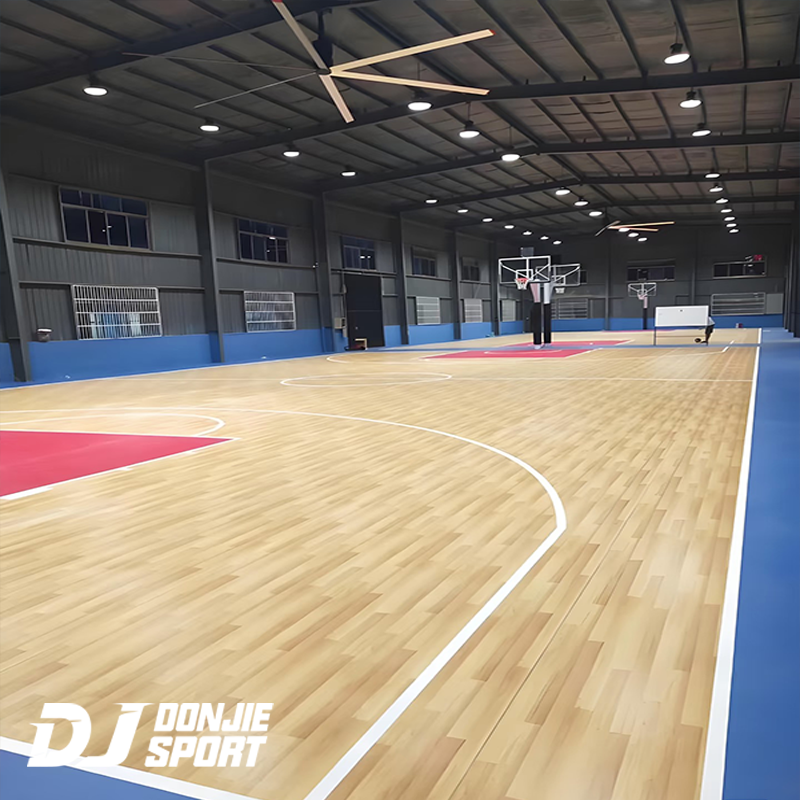
Which Flooring is Better for Your Basketball Court?
For Professional and High-Performance Courts
If you’re outfitting a professional basketball arena or a high-performance gym, hardwood is generally the better choice. Its unparalleled performance, durability, and aesthetic value make it a top-tier flooring option for serious basketball players and competitive sports facilities.
For Home or Budget-Conscious Courts
If you’re building a home gym or working within a limited budget, laminate flooring may be the better option. It provides a functional and affordable solution without compromising on the visual appeal too much. However, if you’re serious about performance and longevity, it might be worth investing in hardwood.
When to Consider Both
In some cases, hybrid solutions may work. For example, laminate flooring can be used for recreational courts or less intense environments, while hardwood could be reserved for the main playing area. This combination allows you to enjoy the benefits of both materials.
Conclusion
Choosing the right flooring for your basketball court depends on various factors, including budget, performance requirements, and the overall look you desire. Hardwood flooring is the ideal choice for professional environments and long-term durability, offering superior performance, aesthetics, and longevity. However, for home gyms or those with limited budgets, laminate flooring provides a more affordable yet functional alternative.