Choosing the right badminton court flooring is a critical decision for any sports facility, whether it’s a professional gym, community center, or home badminton setup. The flooring directly impacts player performance, comfort, and safety. An inappropriate surface can lead to injuries, uneven bounce, and accelerated wear, which affects long-term maintenance costs. Understanding the options available and the factors influencing your decision is essential before making a purchase. This guide will walk you through everything you need to know to select the best badminton court flooring for your facility.
Understanding Badminton Court Flooring Types
Wooden Flooring for Badminton Courts: Classic Appeal and Performance Benefits
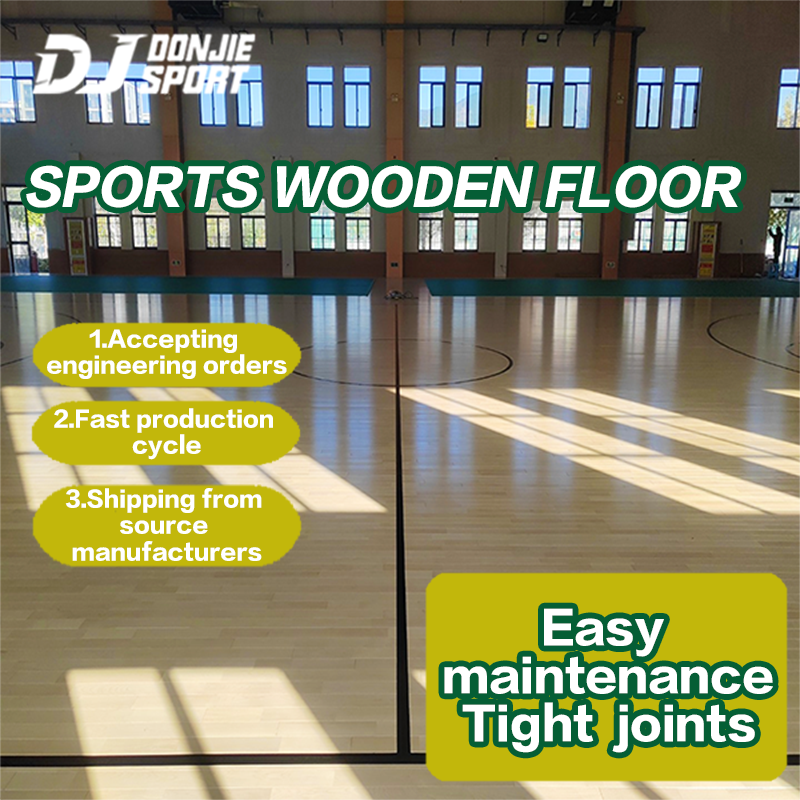
Wooden flooring is a traditional choice for professional badminton courts. Its natural elasticity provides excellent shock absorption, reducing the risk of injuries to knees and ankles. Wooden courts offer consistent shuttle bounce, ideal for competitive play. While the initial investment can be higher, high-quality hardwood floors are durable and offer a professional aesthetic that enhances your facility’s appeal.
Synthetic Flooring for Badminton Courts: Modern Solution for Comfort and Durability
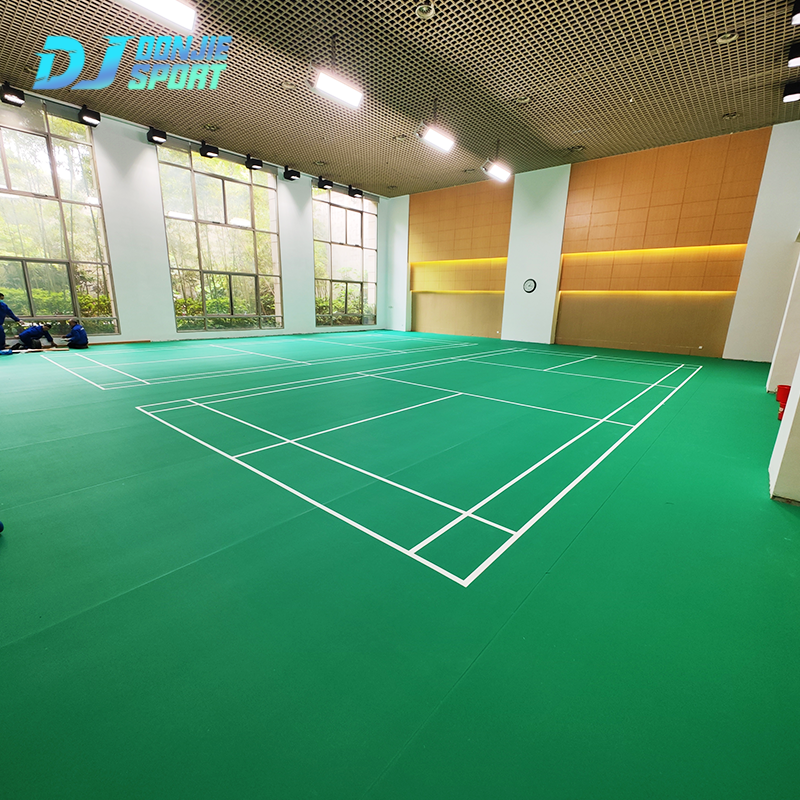
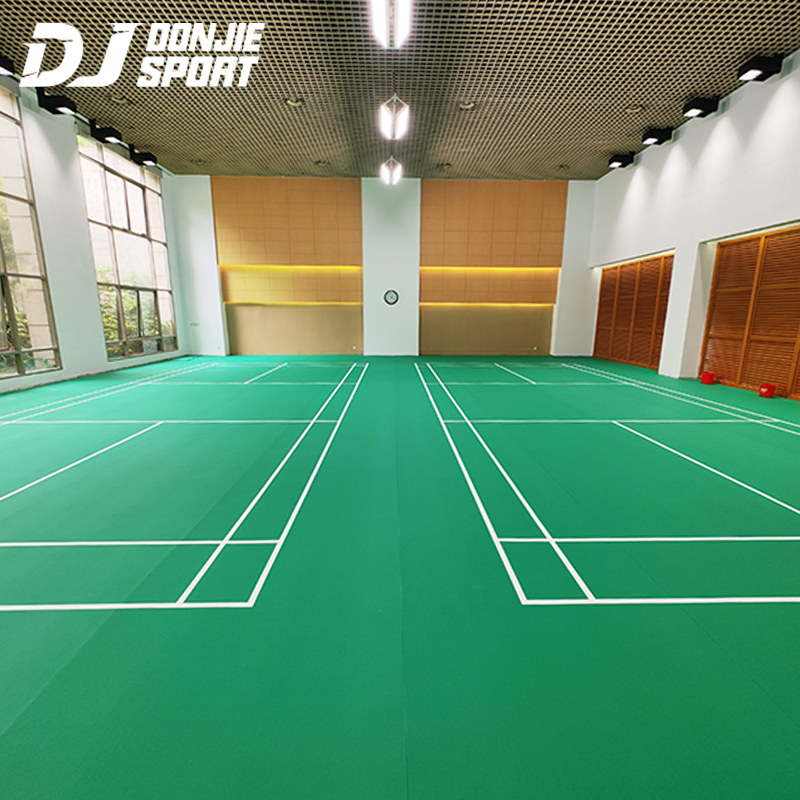
Synthetic flooring for badminton courts has grown in popularity due to its versatility and durability. Made from materials like polyurethane or vinyl, synthetic floors are easier to maintain than wood and provide good grip and shock absorption. They are suitable for high-traffic areas, offer resistance to moisture, and can be installed over existing surfaces, making them a flexible option for gyms and multi-purpose courts.
PVC Flooring for Badminton Courts: Cost-Effective and Long-Lasting Option
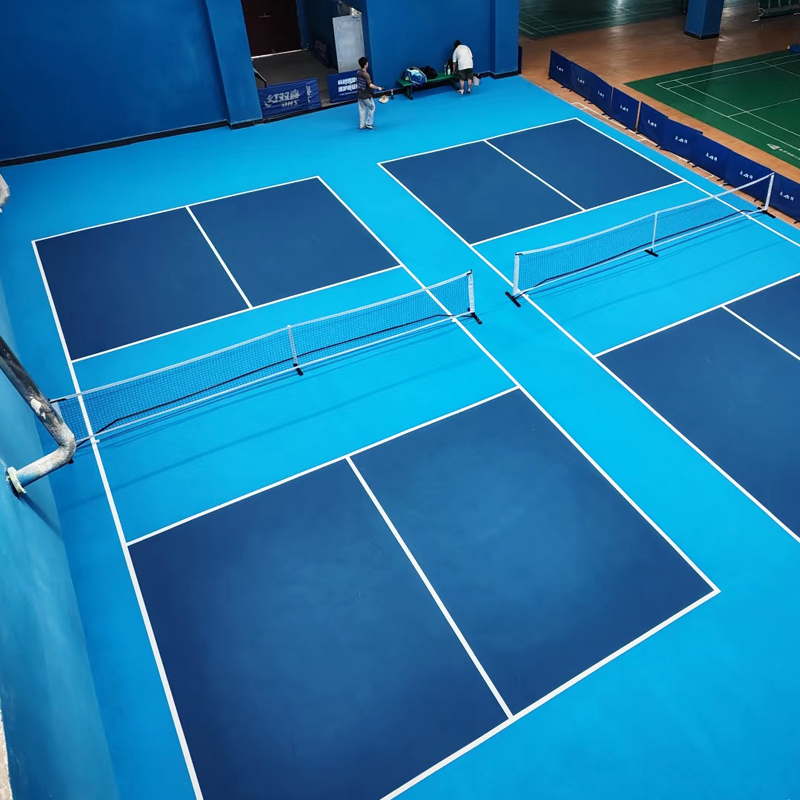
PVC flooring is an affordable alternative that still delivers reliable performance. Lightweight and easy to install, PVC mats are commonly used in recreational or school courts. They provide decent shock absorption and can withstand frequent use without significant wear. For facilities on a budget, PVC badminton court flooring combines cost-effectiveness with satisfactory durability.
Interlocking Tiles for Badminton Courts: Easy Installation and Maintenance
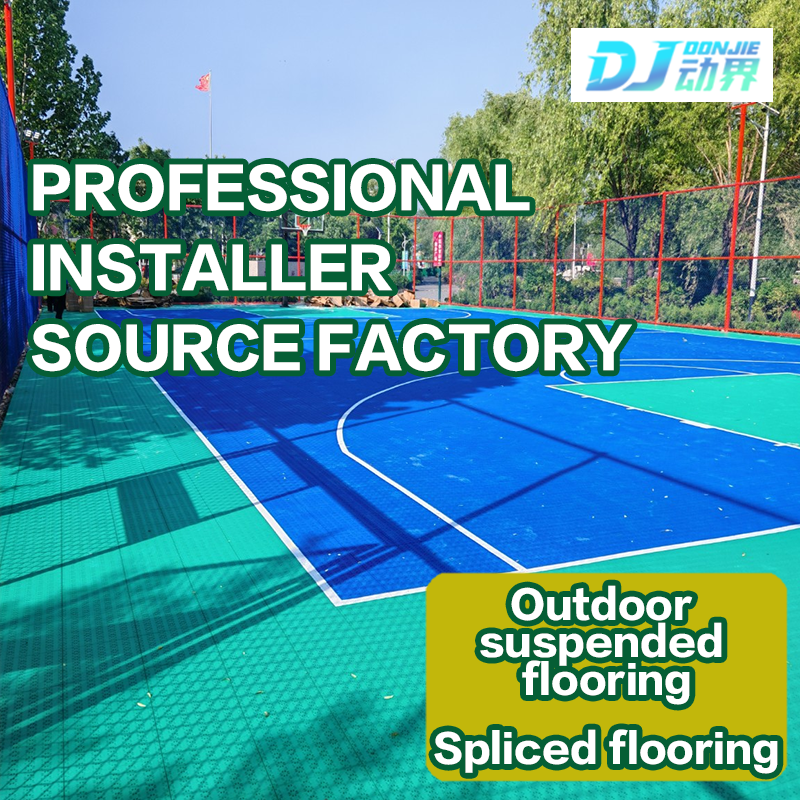
Interlocking badminton court tiles are designed for quick setup and maintenance. They often feature modular designs that allow individual tiles to be replaced if damaged, which reduces long-term maintenance costs. These tiles are commonly made of polypropylene or PVC, offering adequate grip and comfort for casual and semi-professional play.
Key Factors to Consider Before Buying Badminton Court Flooring
Playing Surface Requirements: Grip, Shock Absorption, and Bounce
The primary factor is how the floor performs during play. A good badminton court surface provides stable grip to prevent slips, sufficient shock absorption to protect joints, and consistent shuttle bounce for predictable gameplay. Evaluate your players’ needs and the level of play your facility caters to before choosing a surface.
Durability and Maintenance Needs
Some floors, like hardwood, require periodic sanding, polishing, and moisture control, while synthetic or PVC floors need regular cleaning and occasional replacement of tiles. Consider how much time and resources you can allocate to maintenance.
Installation Costs and Long-Term Investment
High-quality wooden courts may have a higher upfront cost but offer longevity, while synthetic and PVC floors may be cheaper initially but might need replacement sooner. Balance initial budget with long-term value.
Indoor vs. Outdoor Suitability
Most wooden floors are suitable for indoor courts only, while synthetic and PVC options can sometimes be used outdoors. Ensure your chosen badminton court flooring matches your venue’s environment.
Aesthetic and Facility Design Considerations
Flooring contributes to the overall look of your facility. Wooden courts provide a classic, premium feel, while synthetic floors can come in various colors and patterns to match your design preferences.
Comparing Different Badminton Court Flooring Options
Pros and Cons of Wooden Flooring
Pros: Excellent shock absorption, professional look, long-lasting
Cons: High cost, requires maintenance, sensitive to moisture
Pros and Cons of Synthetic Flooring
Pros: Durable, moisture-resistant, low maintenance, flexible installation
Cons: Slightly less natural feel, initial cost can vary
Pros and Cons of PVC Flooring
Pros: Affordable, easy installation, low maintenance
Cons: Moderate durability, may not feel as premium
How to Match Flooring Choice to Your Facility’s Usage
Professional clubs may prefer hardwood or high-grade synthetic floors for competition-level play, while schools and community centers might opt for PVC or interlocking tiles for cost efficiency and easy maintenance.
Installation and Maintenance Tips
Preparing the Base Surface for Installation
Ensure the base is clean, level, and free from moisture. For wooden floors, a proper subfloor is essential to prevent warping. Synthetic and PVC floors also require smooth, dry surfaces for optimal adhesion.
Professional vs. DIY Installation: What Works Best
Professional installation guarantees performance and durability, especially for large courts. DIY installation can work for smaller setups or interlocking tiles but requires careful attention to alignment and surface preparation.
Routine Maintenance Practices to Extend Flooring Life
Sweep and mop regularly, avoid harsh chemicals, and promptly address spills. Wooden floors may require periodic resealing, while synthetic and PVC surfaces need inspections for any loose or damaged tiles.
Safety Checks and Periodic Inspection Guidelines
Check for wear and tear, uneven sections, or slippery areas. Regular inspections prevent injuries and ensure the court remains safe and playable.
Budgeting for Badminton Court Flooring
Understanding Price Ranges for Various Flooring Materials
Wooden floors can range from $40 to $100 per square foot, synthetic floors from $20 to $60, and PVC or interlocking tiles from $10 to $30. Prices vary based on quality, brand, and installation complexity.
Cost vs. Performance: Finding the Best Value
Balance affordability with long-term usability. A higher upfront investment may reduce replacement frequency and maintenance costs.
Hidden Costs: Installation, Maintenance, and Repairs
Factor in installation labor, subfloor preparation, maintenance supplies, and potential repair costs when planning your budget.

Frequently Asked Questions About Badminton Court Flooring
How Long Does a Badminton Court Floor Last?
Wooden floors can last 15–25 years with proper care, synthetic floors 10–20 years, and PVC tiles around 8–15 years depending on usage.
Can You Replace Only Sections of the Flooring?
Yes, especially for interlocking tiles or PVC mats, which allow section replacement without redoing the entire court.
What Flooring Provides the Best Shock Absorption for Players?
Hardwood and high-grade synthetic floors offer the best joint protection, while PVC and basic tiles provide moderate shock absorption.
Is Professional Installation Always Necessary?
For large or competitive-level courts, professional installation ensures optimal performance and durability. DIY installation may suffice for smaller, non-professional setups.
Conclusion
Selecting the right badminton court flooring requires careful consideration of material, performance, durability, and budget. Wooden floors offer professional aesthetics and comfort, synthetic options provide modern durability and flexibility, and PVC or interlocking tiles deliver affordability and convenience. Evaluate your facility’s needs, the level of play, and long-term investment before making a purchase. Proper installation and maintenance will ensure your badminton court remains safe, playable, and visually appealing for years to come.