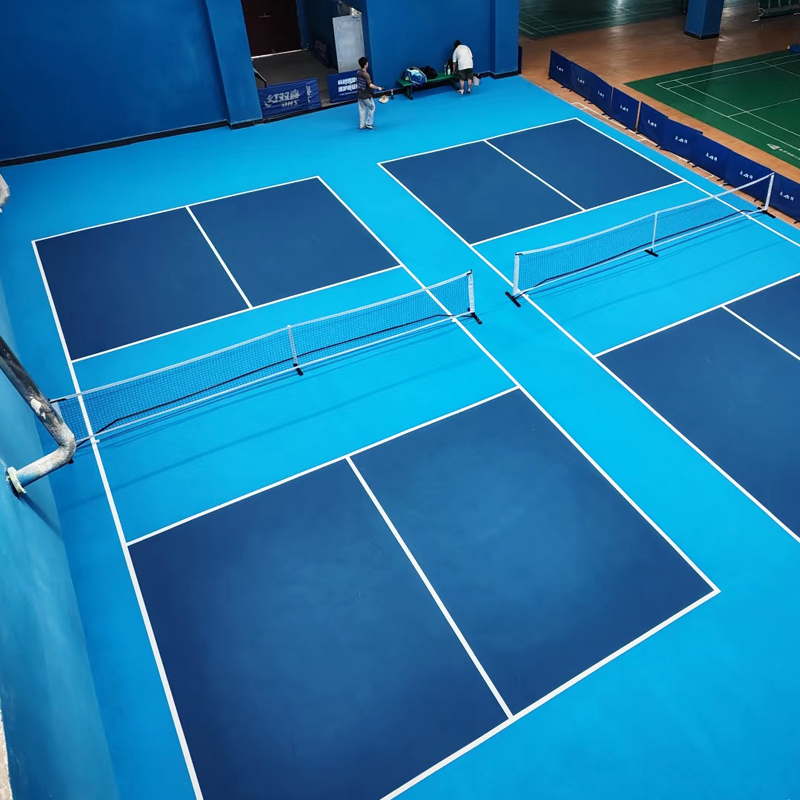
Choosing the right flooring for your outdoor pickleball court is crucial for both performance and longevity. Unlike indoor courts, outdoor pickleball courts are exposed to the elements, which means the flooring material must withstand various weather conditions such as intense sunlight, rain, and fluctuating temperatures. Not only should the flooring provide a safe and comfortable playing surface, but it should also offer durability over time. In this article, we’ll explore the pros and cons of different outdoor pickleball court flooring materials to help you make an informed decision.
What is Outdoor Pickleball Court Flooring?
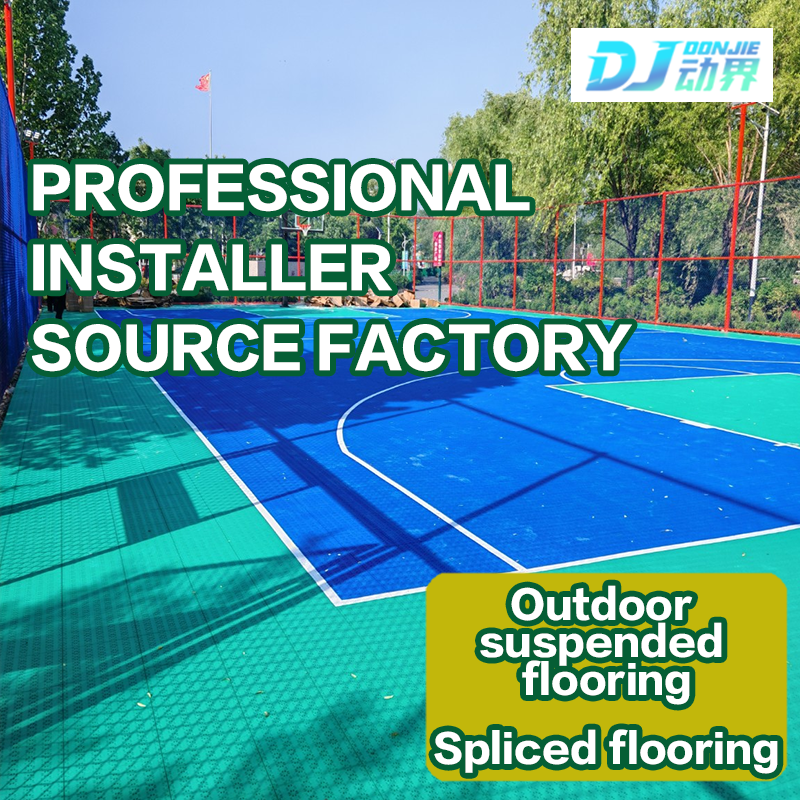
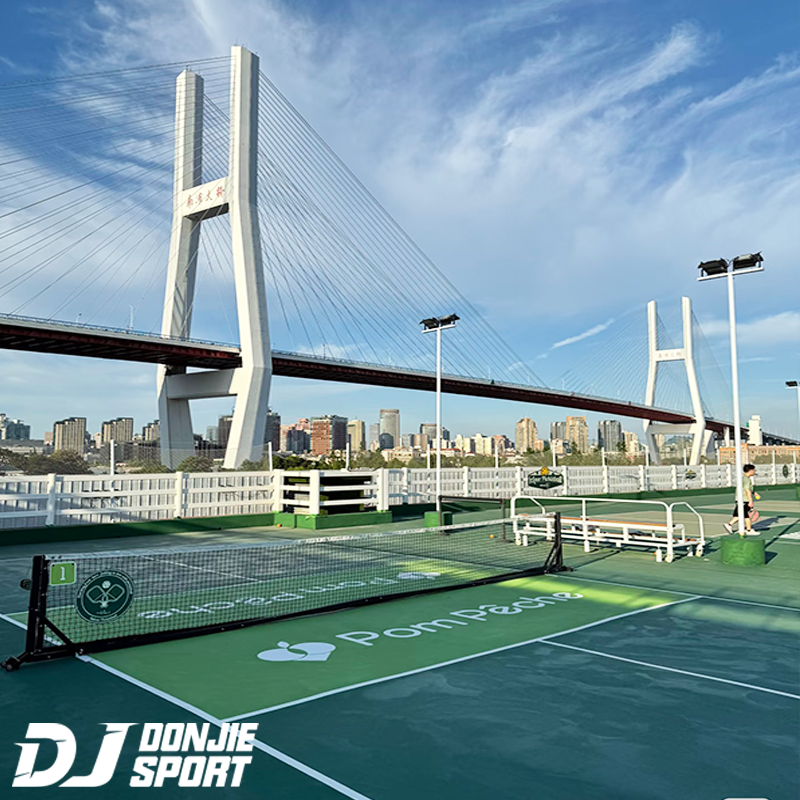
Outdoor pickleball court flooring refers to the surface material specifically designed to withstand outdoor conditions while providing a safe and playable surface. Unlike indoor courts, which are often made from wood or synthetic materials, outdoor courts require more durable materials to cope with exposure to weather elements. The most common types of flooring used for outdoor pickleball courts include asphalt, concrete, rubber, and modular tiles.
Asphalt and concrete are popular for their long-lasting nature, while rubber surfaces are chosen for their shock absorption and comfort. Modular tiles offer versatility and ease of installation, making them a go-to choice for many players. Each type of flooring comes with its own set of characteristics, and the ideal choice depends on factors like the local climate, budget, and the court’s usage frequency.
Pros of Outdoor Pickleball Court Flooring
Durability and Longevity
One of the main advantages of outdoor pickleball court flooring is its ability to endure tough conditions. Flooring materials like asphalt and concrete are highly durable and can last for many years with proper maintenance. They are resistant to wear and tear, which is crucial for high-traffic courts. Whether it’s intense sunlight or heavy rainfall, these materials hold up better in the long run compared to indoor court surfaces.
Cost-Effectiveness
Outdoor pickleball court flooring can be a cost-effective option in the long term. While the initial investment may vary based on the material, many outdoor flooring options require minimal upkeep compared to indoor surfaces. Asphalt and concrete, for instance, require only occasional resealing or cleaning, which makes them a budget-friendly choice for many pickleball enthusiasts and clubs.
Variety of Flooring Options
Outdoor pickleball courts come with a wide array of flooring materials to choose from, each with its own unique advantages. Asphalt and concrete are favored for their affordability and long-lasting nature, while rubber and modular tiles provide additional comfort and easier installation. Modular tiles, in particular, offer great flexibility because they can be replaced individually if damaged, saving you money on repairs.
Maintenance and Cleaning
Maintenance plays a key role in extending the life of outdoor pickleball flooring. Materials such as rubber and modular tiles are generally easy to clean and maintain, requiring only periodic cleaning to remove debris. Asphalt and concrete, while also low-maintenance, may need occasional resealing or resurfacing to ensure they stay in good condition. Keeping the court free of leaves, dirt, and moisture is essential for safety, particularly in regions with heavy rainfall or snow.
Cons of Outdoor Pickleball Court Flooring
Weather Vulnerabilities
One of the most significant drawbacks of outdoor pickleball court flooring is its vulnerability to extreme weather conditions. Materials like asphalt and concrete can crack or degrade due to prolonged exposure to intense heat, cold, or moisture. Rubber surfaces may also soften or harden depending on the temperature, leading to wear over time. It’s essential to account for your region’s weather patterns when choosing the flooring material to ensure it can withstand local conditions.
Slipperiness and Safety Concerns
Another downside of outdoor flooring is the risk of slipperiness, particularly after rain or snow. Concrete and asphalt surfaces, while sturdy, can become slippery, increasing the chances of player injuries. Even rubber flooring, although softer and more slip-resistant, can retain water on its surface. To mitigate this, many court owners opt for flooring with anti-slip coatings or choose rubberized surfaces for improved grip. However, proper drainage is essential for maintaining a safe playing surface.
Initial Cost and Installation Time
While outdoor pickleball court flooring can be cost-effective over time, the initial investment for high-quality surfaces like modular tiles or rubber flooring can be expensive. Additionally, certain flooring options may take longer to install, especially if professional assistance is required. Concrete and asphalt courts may take several weeks to set up, including curing time. Depending on the material and installation process, court owners must be prepared for the upfront costs and waiting periods.
Factors to Consider When Choosing Outdoor Pickleball Court Flooring
Climate and Weather Conditions
When selecting outdoor pickleball court flooring, it’s crucial to consider the local climate. Areas that experience heavy rainfall or extreme temperatures may require more resilient materials such as asphalt or concrete. Rubber and modular tiles are more suitable for moderate climates where heat isn’t a significant concern. Always take the local weather conditions into account to ensure your flooring will last.
Frequency of Play
The frequency of play on your pickleball court also impacts the choice of flooring. If the court will be used daily or by multiple people, opting for more durable options like asphalt or concrete makes sense. If the court is for occasional use, modular tiles or rubber surfaces may suffice. The wear and tear on the court increases with frequent use, so ensure your flooring can handle high traffic without needing constant repairs.
Budget and Aesthetic Preferences
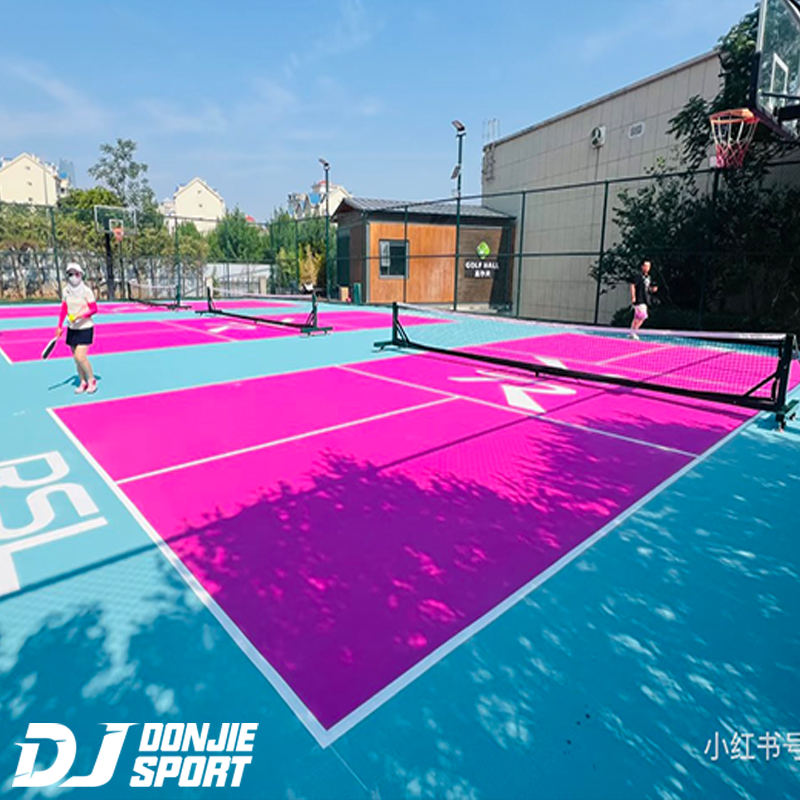
Outdoor court flooring varies widely in price, so it’s essential to establish a budget before making a decision. Asphalt and concrete are often more affordable upfront, but higher-end options like modular tiles or rubber flooring may offer better performance in terms of comfort and longevity. Aesthetic preferences also play a role, as some players may prefer the classic look of concrete, while others might opt for the modern appeal of modular tiles.
Conclusion
Choosing the right outdoor pickleball court flooring is a balance between durability, safety, cost, and aesthetics. While materials like asphalt and concrete provide long-lasting performance, they may be prone to weather-related damage. Rubber surfaces and modular tiles offer comfort and flexibility, but come with higher initial costs. By considering factors such as climate, court usage, and budget, you can select the flooring that best suits your needs.