Pickleball is a rapidly growing sport that demands both high performance and safety on the court. The quality of the flooring is an often overlooked but crucial aspect of the game. Choosing the right type of flooring—whether for an indoor or outdoor court—can significantly impact gameplay, player safety, and the overall experience. This article explores the differences between indoor and outdoor pickleball court flooring, offering a comprehensive guide to help you make the best decision based on your needs.
The type of flooring you choose plays a vital role in determining not just the aesthetic of your court, but also the durability, maintenance requirements, and player performance. Whether you’re building a new court or renovating an existing one, understanding the factors involved in selecting the right flooring is key to maximizing the court’s functionality and lifespan.
Understanding Pickleball Court Flooring
Before diving into the specifics of indoor vs. outdoor pickleball court flooring, it’s essential to first understand the role that flooring plays in the sport. Pickleball is a fast-paced game, requiring flooring that provides the right balance of traction, comfort, and durability. A good court surface enhances player performance, helps prevent injuries, and ensures longevity of the court itself.
While indoor and outdoor courts share some common flooring characteristics, their requirements differ due to environmental factors like weather, exposure to sunlight, and usage intensity. Flooring choices for pickleball courts are often made based on the setting in which the court is located, each bringing unique considerations.
In the following sections, we’ll explore the factors that impact flooring choices for both indoor and outdoor courts. We’ll also evaluate the pros and cons of each to help you decide which is best suited for your court.
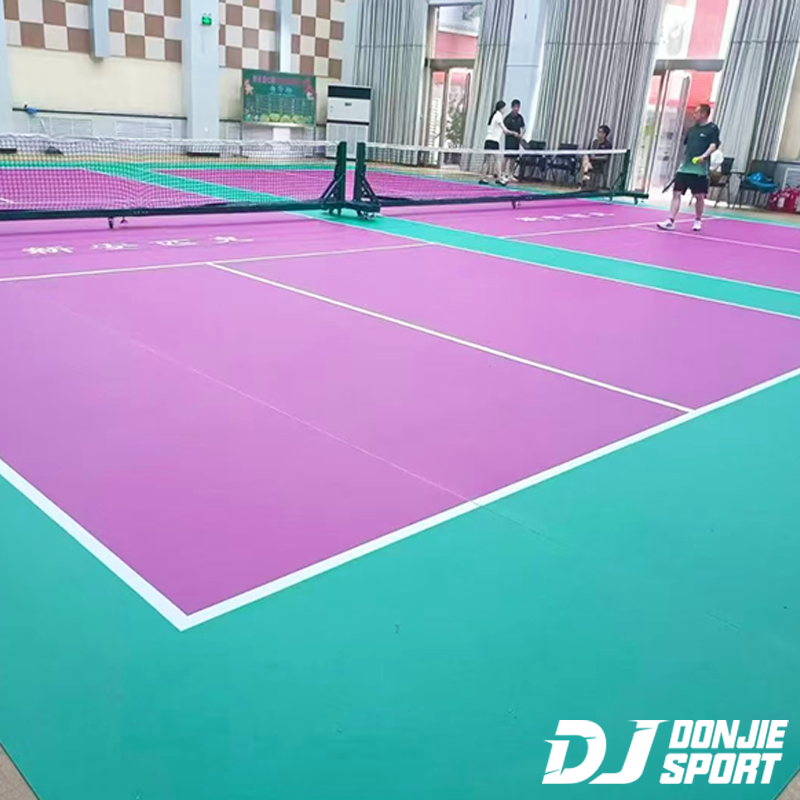
Factors to Consider for Indoor Pickleball Court Flooring
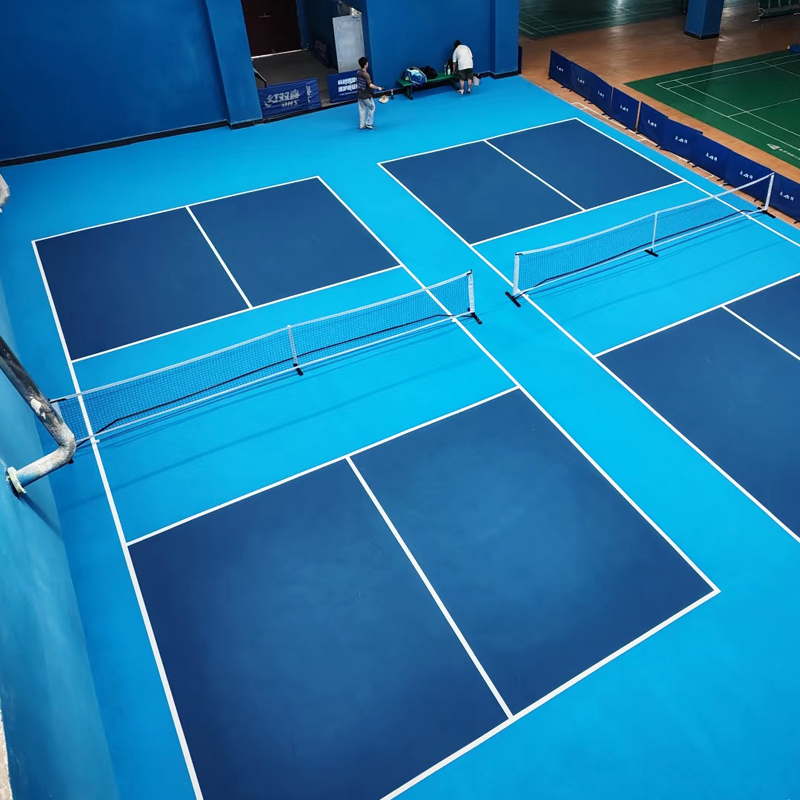
Indoor pickleball courts are subject to different conditions than outdoor courts. Since they are protected from the elements, the flooring selection focuses more on performance and aesthetic aspects, as well as comfort and maintenance. Here are the key factors to consider when choosing indoor flooring:
Durability and Wear
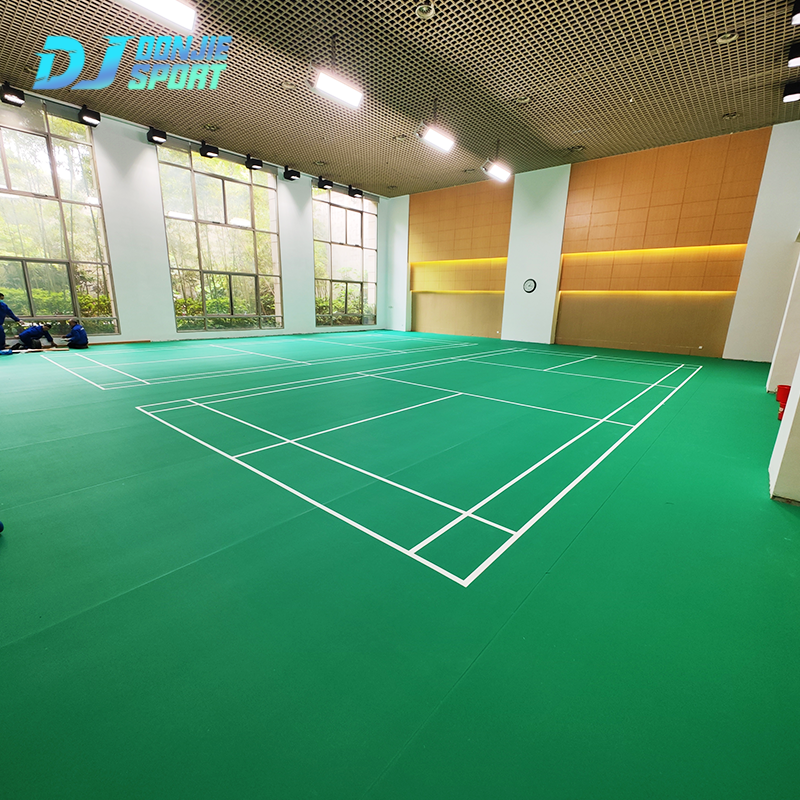
Indoor courts typically experience a lower level of wear and tear compared to outdoor courts, but the flooring must still stand up to frequent use. Synthetic materials like vinyl and cushioned flooring are common choices for indoor courts, as they offer both durability and comfort. However, wood is another popular option for its classic appearance and smooth playing surface.
Surface Type
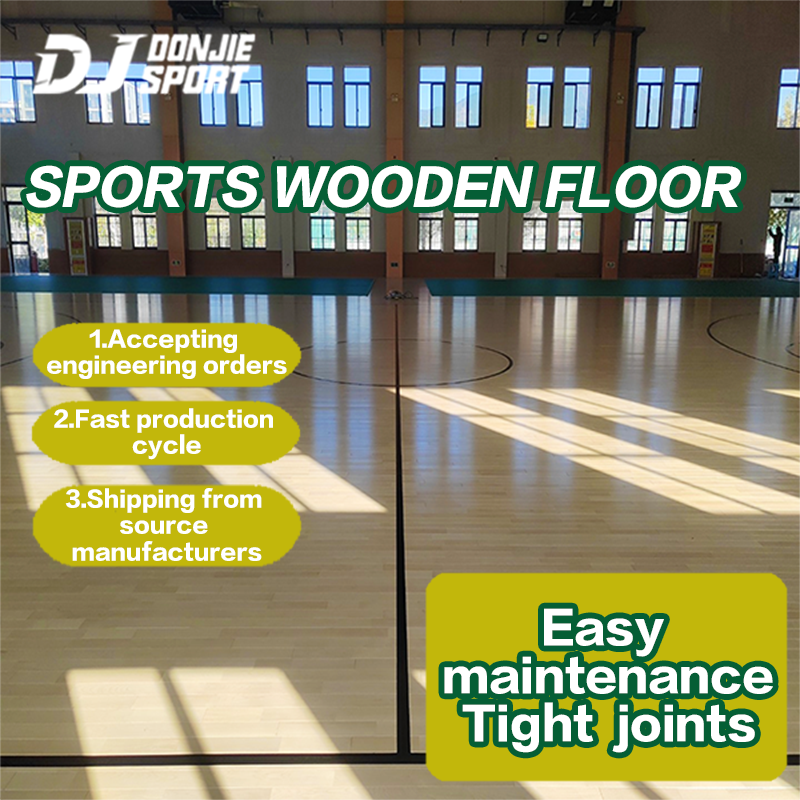
The surface of indoor pickleball courts is often designed to provide excellent grip and comfort. Hardwood, particularly maple or oak, is one of the top choices for indoor pickleball courts, as it offers a consistent bounce, ideal traction, and a pleasing aesthetic. Other materials like cushioned vinyl or modular sports tiles provide enhanced shock absorption, ideal for reducing impact on joints during long matches.
Grip and Traction
Indoor court flooring needs to provide a solid grip for players, ensuring they don’t slip while moving quickly. Many indoor surfaces are treated to provide optimal traction, which is especially important for fast-paced sports like pickleball. The right level of grip is necessary to maintain player stability without being too sticky, allowing for smooth movements and quick pivots.
Aesthetic and Noise Reduction
Indoor courts benefit from the aesthetic appeal of wood and other high-quality surfaces. Beyond looks, these surfaces also offer noise reduction, which is essential for creating a more comfortable playing environment. The quiet nature of wood and vinyl flooring reduces the echoes often heard on hard surfaces, creating a more pleasant atmosphere for players.
Maintenance and Upkeep
Indoor flooring generally requires less maintenance than outdoor flooring, but it still needs to be kept in good condition. Wood floors need regular polishing and refinishing to maintain their smoothness, while vinyl or modular surfaces may require occasional cleaning and re-coating. Proper maintenance ensures the longevity of the court and keeps it looking good for years.
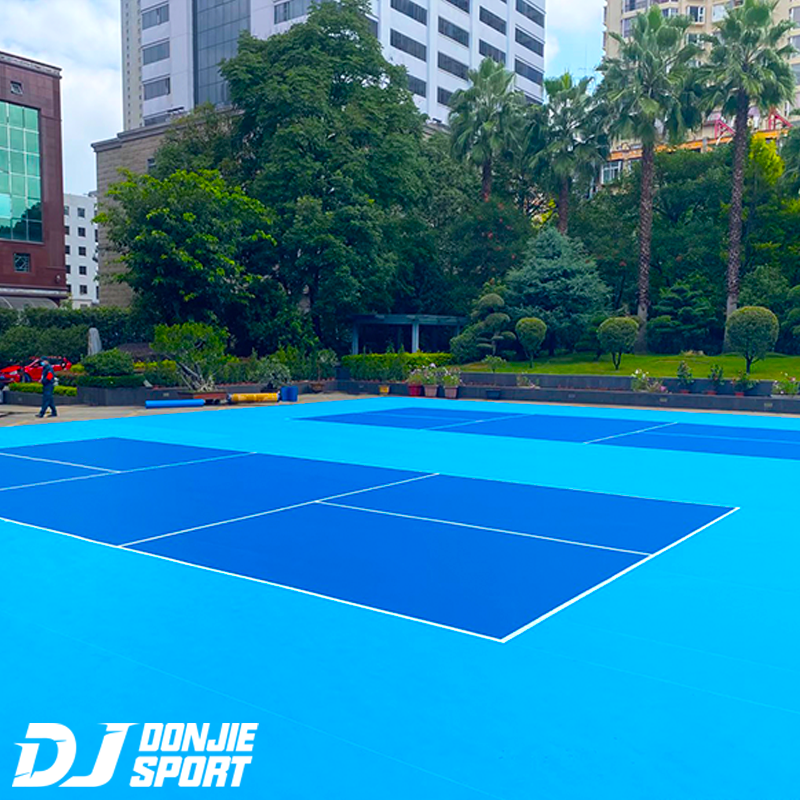
Factors to Consider for Outdoor Pickleball Court Flooring
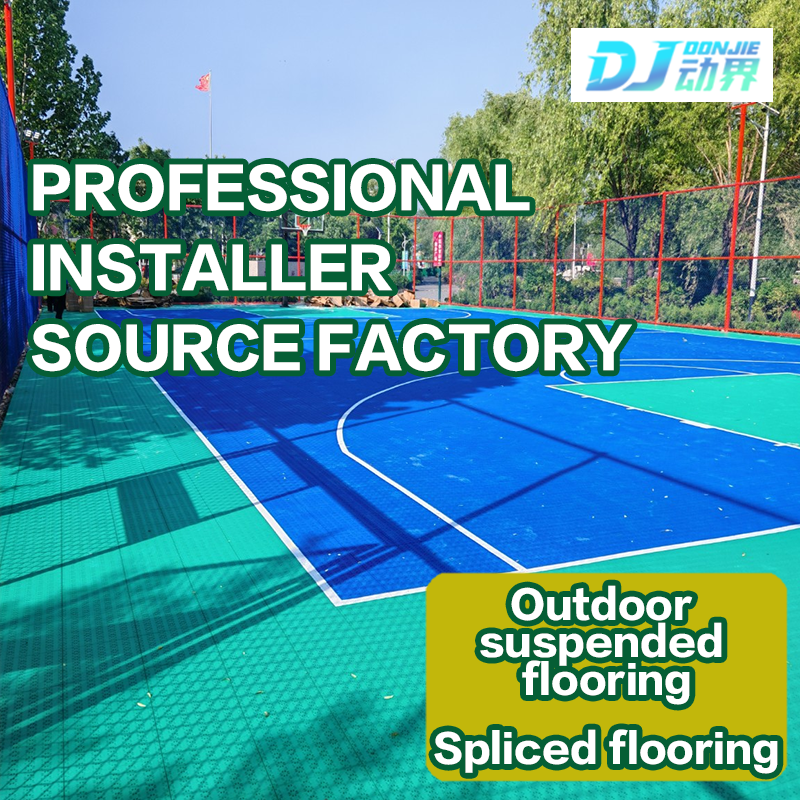
Outdoor pickleball courts are subject to various weather conditions, so the flooring materials used must be durable and resistant to the elements. Exposure to sun, rain, and temperature fluctuations means that outdoor flooring must be able to withstand the stress of constant change without losing its performance.
Weather Resistance and UV Stability
Outdoor flooring must be resistant to UV rays, which can cause discoloration, cracking, and general wear over time. Materials like acrylic coatings or rubberized flooring are popular choices for outdoor pickleball courts, as they are specially designed to withstand exposure to sunlight without deteriorating quickly.
Surface Materials
Outdoor courts are often made from hard surfaces like concrete or asphalt, which are both affordable and durable. Acrylic coatings are applied to these surfaces to create a smooth, playable court. Alternatively, rubberized flooring is sometimes used for outdoor courts to provide better shock absorption and comfort. Each material comes with its own set of benefits, but they all need to be weather-resistant and durable.
Traction, Cushioning, and Player Comfort
Since outdoor courts are exposed to temperature fluctuations, the flooring needs to provide good traction and cushioning regardless of the season. Concrete or asphalt courts with acrylic coatings can be slick when wet, but they provide consistent traction when dry. Rubberized flooring offers more cushioning, which can reduce player fatigue and the risk of injury.
Impact of Temperature Changes
Temperature changes can affect outdoor pickleball flooring, especially in regions that experience extremes in weather. Cold temperatures can cause cracks in concrete, while hot temperatures may cause certain surfaces to become too slippery. Choosing flooring materials that can handle these shifts is crucial for ensuring a safe and playable surface year-round.
Long-Term Maintenance and Lifespan
Outdoor pickleball court flooring typically requires more maintenance than indoor flooring due to exposure to the elements. Regular cleaning and re-coating are necessary to protect the surface from UV rays, moisture, and wear from play. With proper care, outdoor flooring can last many years, but it may require more frequent repairs and upkeep compared to indoor surfaces.
Comparing Indoor vs. Outdoor Flooring: Pros and Cons
Durability: Which Flooring Lasts Longer?
Indoor flooring generally lasts longer due to the protection from the elements. However, outdoor flooring must be built to endure exposure to UV rays, rain, and temperature extremes, so it requires more robust materials. The lifespan of both types of flooring depends largely on the material and the level of maintenance provided.
Cost Considerations: Which Flooring is More Expensive?
Indoor pickleball court flooring tends to be more expensive, especially if you opt for high-quality wood or cushioned vinyl options. However, outdoor flooring requires more preparation and weatherproofing, making it more costly to install upfront. In the long run, both types of flooring come with ongoing maintenance costs, but outdoor flooring may require more frequent repairs.
Player Experience: Which Flooring Enhances Performance?
Wooden flooring for indoor courts provides the most classic, smooth surface for pickleball, offering excellent traction and a consistent bounce. Rubberized or acrylic flooring for outdoor courts tends to offer less bounce but better cushioning, which can be more forgiving on joints. Player preferences will vary, but both types of flooring are designed to enhance gameplay in different ways.
Installation Complexity and Time
Installing indoor flooring is often more complex due to the need for precision and leveling, particularly with wood or vinyl. Outdoor flooring, while easier to install, still requires proper base preparation to ensure it lasts. Both types of flooring require some level of expertise for installation, but outdoor courts often take longer to complete due to the weatherproofing process.
Maintenance: Which Requires More Effort?
Indoor flooring requires less ongoing maintenance, with regular cleaning and refinishing as the main tasks. In contrast, outdoor courts require more frequent cleaning and re-coating due to the exposure to dirt, rain, and UV rays. Proper care of both types of flooring will ensure longevity, but outdoor flooring demands more attention to stay in top condition.
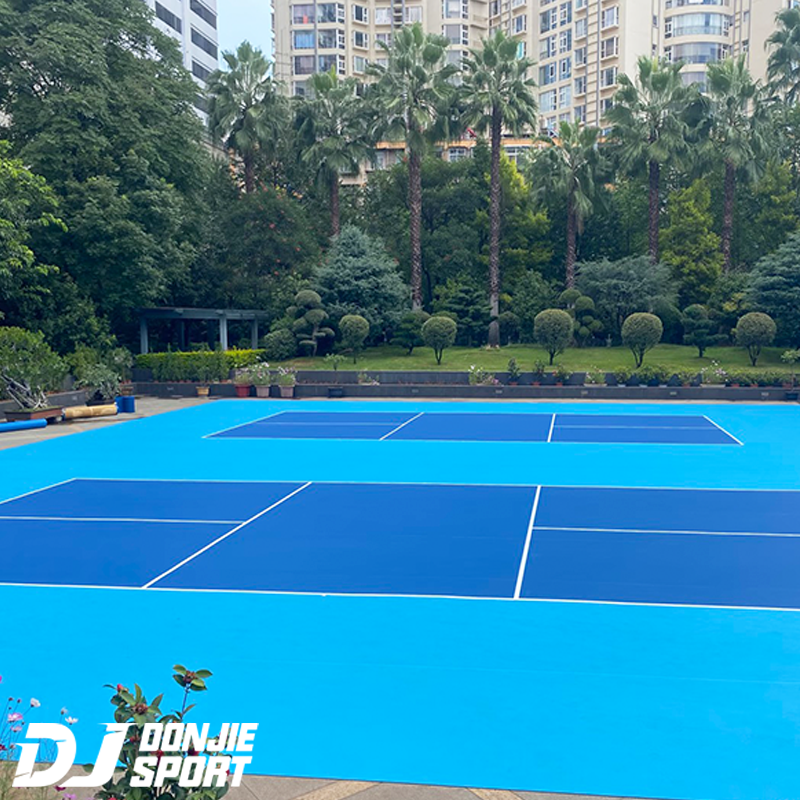
Choosing the Right Flooring for Your Pickleball Court
The decision between indoor and outdoor pickleball court flooring depends on various factors including your budget, location, and intended usage. If you’re installing a court indoors, you have the freedom to choose from wood, vinyl, or cushioned surfaces that enhance player comfort. On the other hand, outdoor courts require more durable, weather-resistant materials such as concrete or rubberized flooring that can handle exposure to the elements.
It’s important to consider the frequency of use, the environmental conditions, and the type of gameplay you expect when making your decision. If possible, consult with professionals who specialize in court installation to ensure you make the best choice for your space.
Conclusion
Choosing between indoor and outdoor pickleball court flooring is a critical decision that impacts both the performance of your court and the safety of the players. By understanding the unique characteristics and maintenance needs of both flooring types, you can make an informed decision that aligns with your priorities, whether that’s durability, comfort, or aesthetic appeal. Whether you’re building a new court or upgrading an existing one, the right flooring choice will ensure your pickleball court remains functional, safe, and enjoyable for years to come.