When it comes to building a pickleball court, the type of flooring you choose plays a crucial role in both performance and long-term maintenance. Flooring isn’t just about aesthetics—it’s about creating a surface that enhances the gameplay experience, improves player safety, and ensures the longevity of your court. The right flooring can provide the ideal balance of traction, comfort, and durability, helping players perform at their best.
Whether you’re constructing an indoor or outdoor pickleball court, understanding the different flooring options available and how they affect the game is vital. In this guide, we’ll break down the most popular types of pickleball court flooring, discuss key factors to consider, and help you make the best choice for your space.
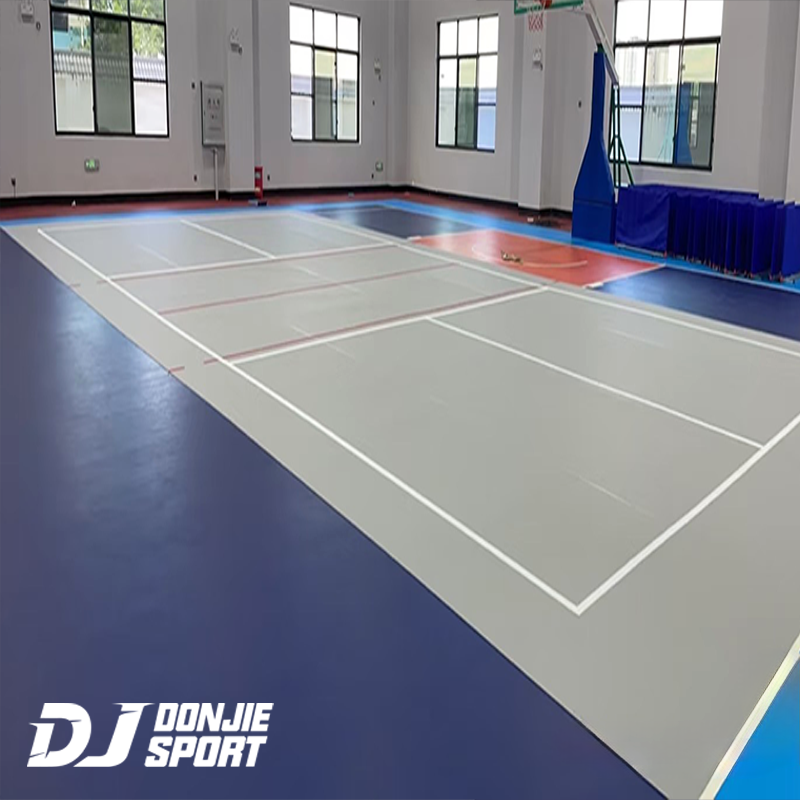
Key Factors to Consider When Choosing Pickleball Court Flooring
Type of Court (Indoor vs Outdoor)
The first thing to consider is whether your court will be indoor or outdoor. Indoor courts require flooring that offers a smooth, consistent surface to minimize the impact on players’ joints, while outdoor courts need to withstand the elements, such as rain, humidity, and temperature fluctuations. Choosing the right material for each setting ensures durability and optimal performance.
Expected Usage (Professional vs Recreational)
If your pickleball court is for recreational use, cost-effective flooring options might work just fine. However, for professional or high-traffic courts, it’s worth investing in premium flooring that provides better durability, performance, and comfort. Professional courts often require materials that can withstand daily use without showing signs of wear.
Climate Considerations for Outdoor Courts
For outdoor pickleball courts, the climate in your region is a critical factor. Some materials, like rubber and PVC, may degrade more quickly under intense sun exposure, while others like concrete are more weather-resistant. It’s essential to choose a flooring option that can handle your local climate without losing its quality.
Maintenance Requirements and Longevity
Different flooring materials have varying maintenance needs. Wooden courts, for example, require more upkeep than rubber or PVC options. Some materials, like rubber flooring, are highly resistant to wear and tear, while others may need periodic re-coating or refinishing. Factor in how much maintenance you’re willing to perform to keep your court in top condition.
Popular Pickleball Court Flooring Options
Rubber Flooring
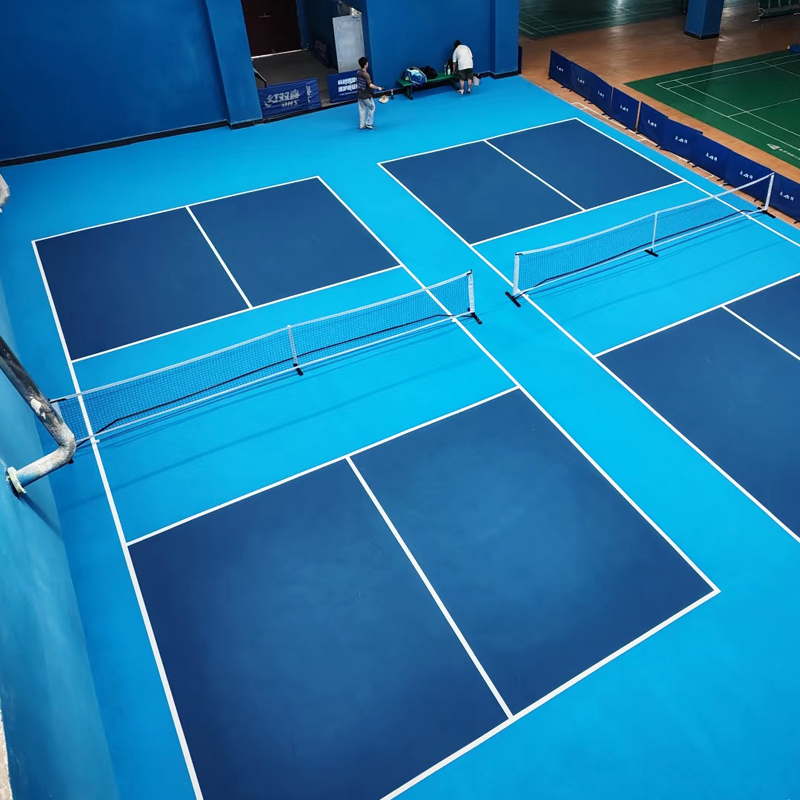
Durability and Shock Absorption: Rubber flooring is one of the most popular choices for both indoor and outdoor pickleball courts. It provides excellent durability, absorbs shock, and offers a comfortable playing surface. Its ability to handle high-impact sports makes it a great option for recreational and professional courts.
Benefits for Both Indoor and Outdoor Courts: Rubber flooring is versatile enough for both indoor and outdoor use. For outdoor courts, it can resist UV rays, moisture, and temperature changes, making it an ideal material for courts exposed to the elements.
PVC Flooring
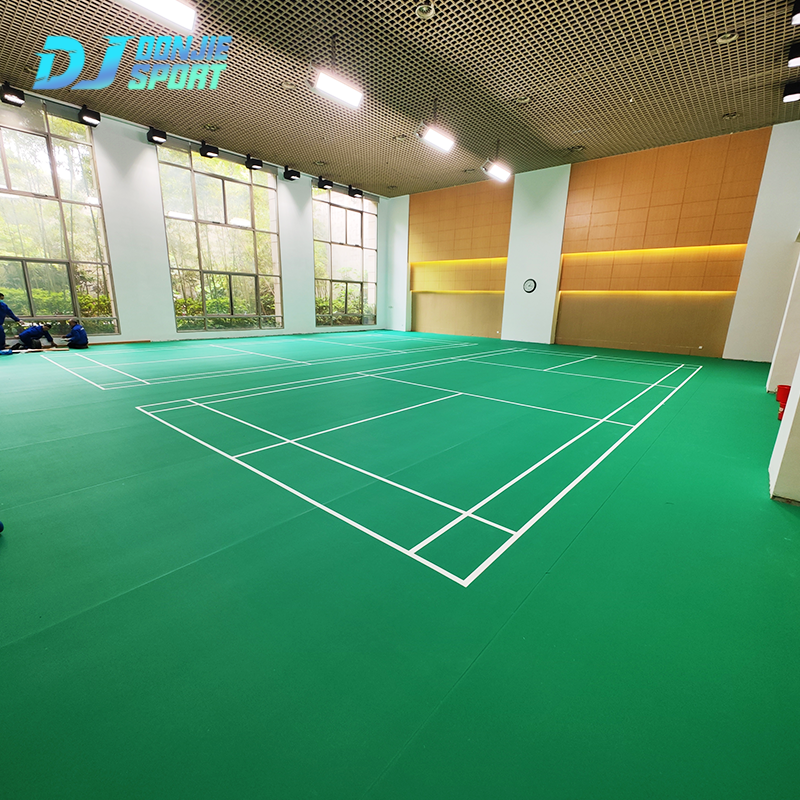
Advantages in Terms of Flexibility and Cost-Efficiency: PVC flooring is a cost-effective and easy-to-install option for indoor pickleball courts. It’s available in interlocking tiles, which makes installation quick and simple, and offers a smooth, even surface. PVC flooring is also available in various colors and textures to enhance the aesthetic appeal of your court.
Ideal for Indoor Courts: PVC flooring excels indoors, as it is resistant to moisture and doesn’t require the same level of maintenance as wood. Its shock-absorption qualities also provide a comfortable surface for long hours of play.
Wooden Flooring
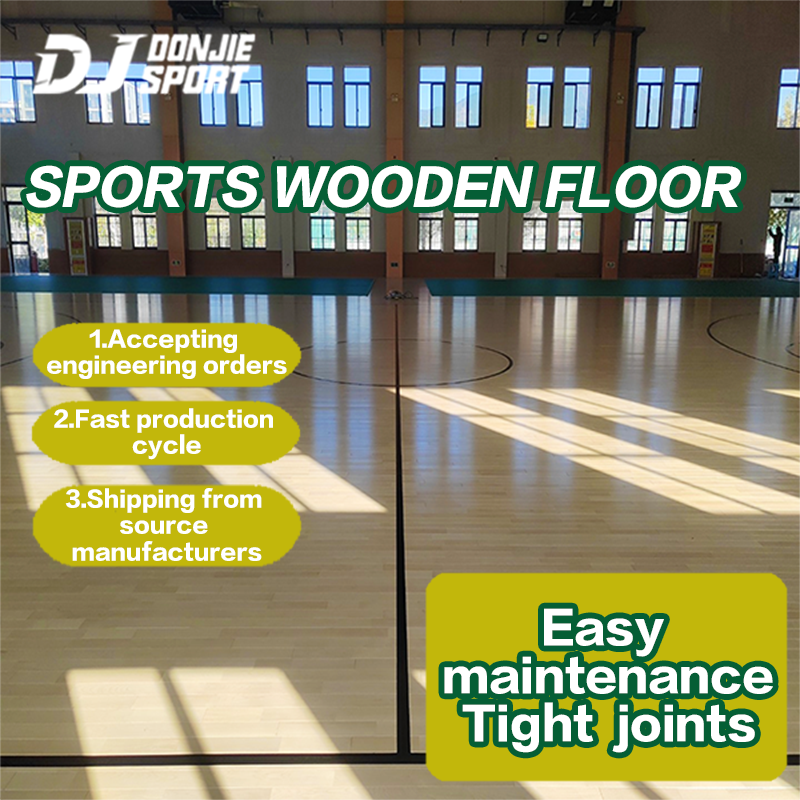
Classic Appeal for Indoor Courts: Wooden flooring offers a traditional and aesthetically pleasing surface for indoor pickleball courts. Known for its timeless beauty, wooden floors provide a solid and responsive surface, ideal for players who prefer a firm feel during their games.
Impact on Player Performance: Wood is often favored by competitive players due to its consistent bounce and stable surface. The natural wood finish also provides a comfortable, non-slippery surface with good traction.
Concrete and Asphalt
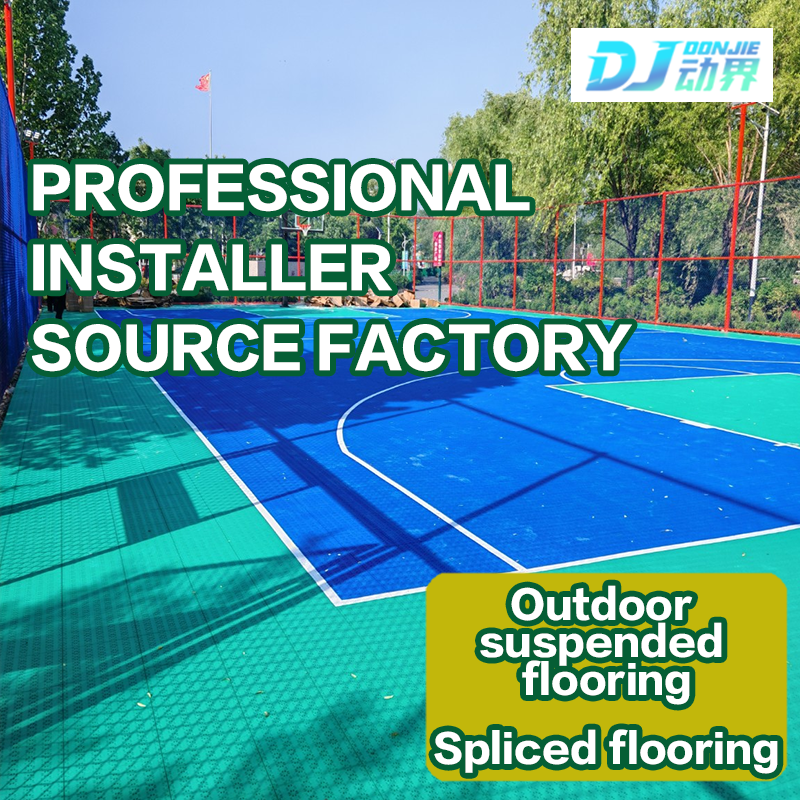
Cost-Effective Options for Outdoor Courts: Concrete and asphalt are popular for outdoor pickleball courts due to their low initial cost and easy availability. These materials are durable and long-lasting, making them an ideal option for courts with heavy usage.
How to Enhance Performance with These Materials: Although concrete and asphalt provide a solid base, they can be hard on the joints and might lack the grip needed for optimal gameplay. Adding a layer of cushioned coating or resurfacing with a synthetic material can improve comfort and traction, enhancing player performance.
Performance Features to Look for in Pickleball Court Flooring
Grip and Traction
Grip is essential in pickleball courts to prevent players from slipping and sliding. The flooring you choose should provide sufficient traction, especially during fast movements or sudden stops. Rubber and PVC flooring typically offer excellent grip, while wooden floors are naturally slip-resistant when properly maintained.
Ball Bounce Consistency
The consistency of the ball bounce can significantly impact the quality of gameplay. Choose a flooring material that ensures even bounce across the entire surface of the court. Materials like rubber and wood tend to provide more predictable bounce patterns, while concrete can vary depending on its texture and surface coating.
Comfort for Players (Shock Absorption)
Comfort is a critical factor, especially for players who spend long hours on the court. Flooring with adequate shock absorption reduces the risk of injuries and minimizes the impact on players’ joints. Rubber flooring is known for its superior shock absorption, followed by PVC, which provides a slightly firmer but still comfortable surface.
Budgeting for Your Pickleball Court Flooring
Price Range for Different Materials
The cost of pickleball court flooring can vary widely depending on the material. Budget-friendly options like PVC and concrete tend to be less expensive upfront, while premium options like wooden floors or high-quality rubber flooring might have a higher initial investment. However, it’s essential to consider long-term durability and maintenance costs to determine the true value of your flooring.
Long-Term Cost-Effectiveness
While cheaper options may seem like the best choice initially, they may require more maintenance or replacements over time. Investing in higher-quality flooring might involve a larger upfront cost but will likely save money in the long run due to its durability and low maintenance requirements.
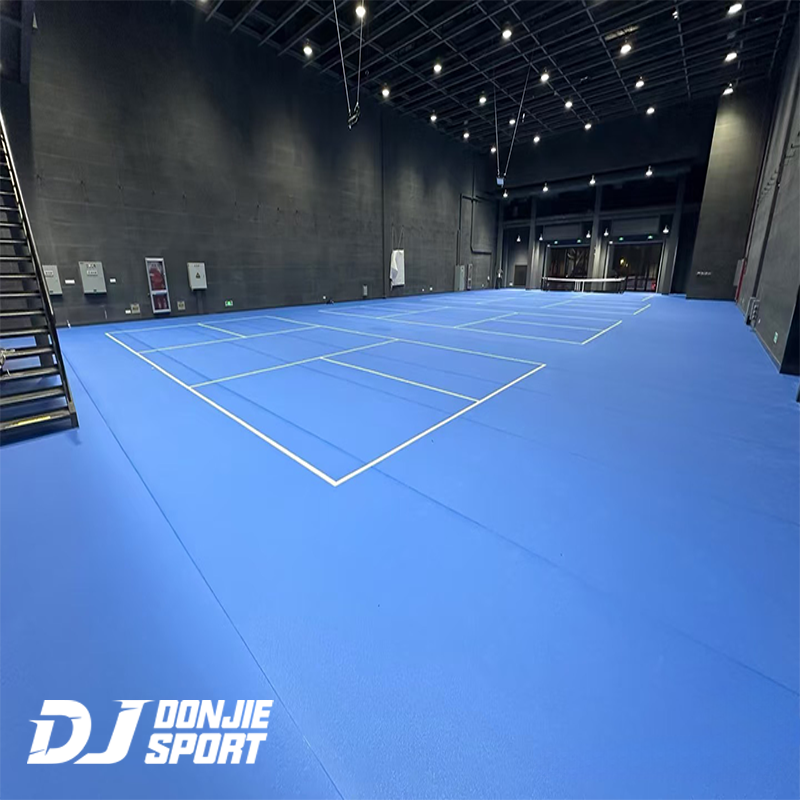
How to Install Pickleball Court Flooring
DIY vs. Professional Installation
Installation methods vary depending on the type of flooring. Some materials, like interlocking PVC tiles or rubber mats, can be installed by DIY enthusiasts. However, for wooden floors or professional-grade outdoor courts, you may want to hire a professional to ensure the flooring is installed correctly and meets all safety standards.
Step-by-Step Overview of Installation Process for Each Type of Flooring
-
Rubber Flooring: Typically involves rolling out large mats or tiles. For outdoor courts, the surface should be prepped to ensure proper adhesion.
-
PVC Flooring: Interlocking tiles can be arranged and connected without the need for adhesives, making it one of the easiest flooring types to install.
-
Wooden Flooring: Requires a stable subfloor and proper sealing to prevent warping. Professional installation is recommended to achieve the desired results.
-
Concrete and Asphalt: While these surfaces are durable, adding a layer of synthetic coating or a cushioned finish might require specialized equipment for proper application.
Making the Right Choice for Your Pickleball Court
Choosing the right flooring for your pickleball court is more than just about appearance—it’s about enhancing player performance, reducing the risk of injury, and ensuring the court remains durable for years to come. Whether you opt for the comfort and shock absorption of rubber, the sleek look of PVC, or the classic appeal of wood, the right flooring material will elevate your court experience. Consider factors like climate, maintenance, and budget to make an informed decision that fits your needs.