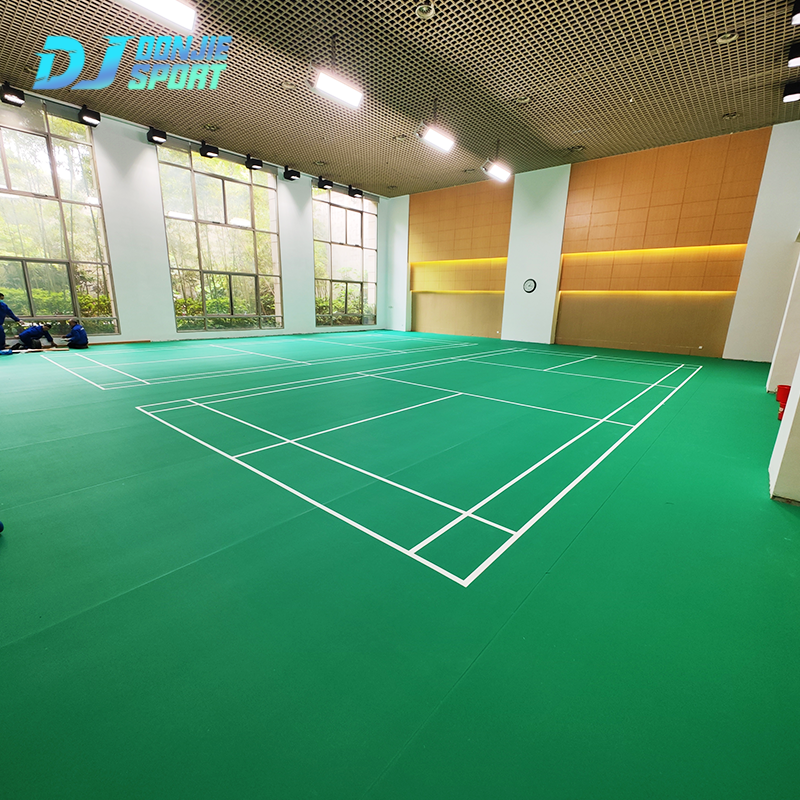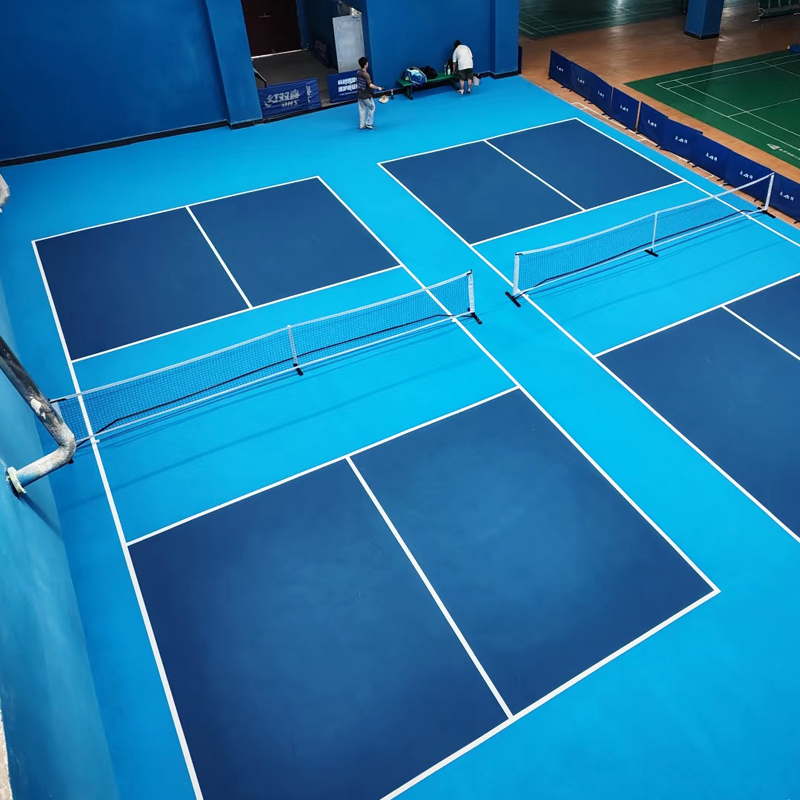
When it comes to choosing flooring for sports facilities, PVC sport flooring stands out as a top contender for its unique combination of durability, safety, and affordability. Whether you’re outfitting a gym, basketball court, badminton hall, or multi-sport arena, PVC sport flooring offers the versatility and performance needed to meet the demands of active environments.
PVC sport flooring is designed to withstand high-impact activities and heavy foot traffic, making it ideal for facilities with intense usage. Additionally, it provides superior comfort and safety for athletes, reducing the risk of injuries while enhancing overall performance. With advancements in manufacturing technology, PVC sport flooring has become even more durable and visually appealing, making it a smart investment for any sports venue.
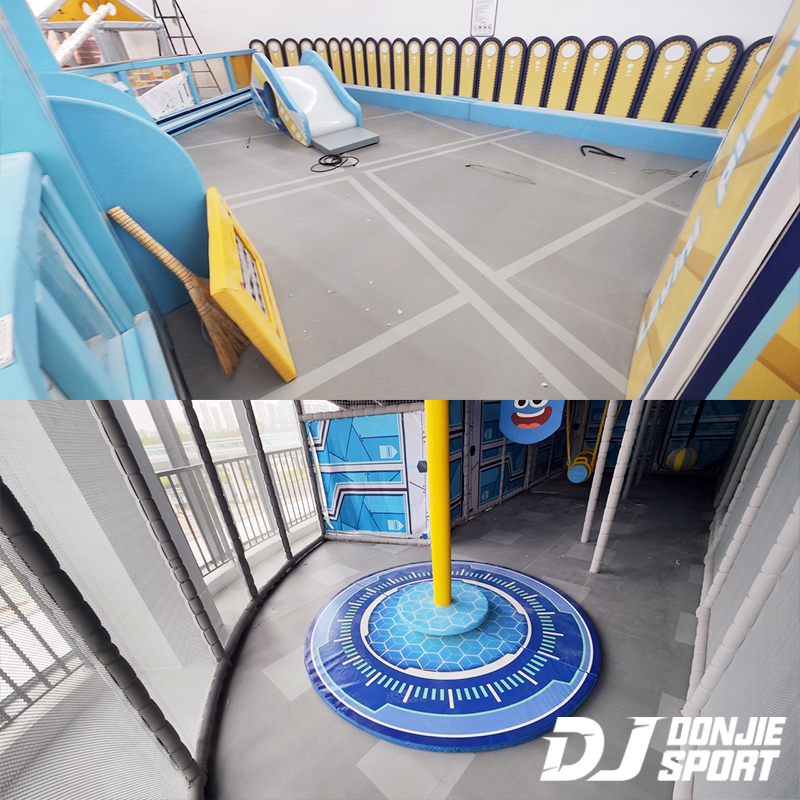
Planning Your PVC Sport Flooring Installation
Before you begin installing PVC sport flooring, proper planning is essential to ensure a smooth and efficient installation process. This stage will lay the foundation for a flawless outcome and ensure that the flooring fits your facility’s specific needs.
Understanding the Layout of Your Facility
Start by carefully evaluating your facility’s layout. Consider the dimensions of the space and the type of sports that will be played on the floor. Different sports have varying requirements, so it’s crucial to account for things like court markings, borders, and special areas for seating or equipment storage. If your facility will host multiple sports, ensure that the PVC sport flooring you choose can support diverse activities.
Choosing the Right Type of PVC Sport Flooring for Different Sports
PVC sport flooring comes in various styles, each designed to meet the specific needs of different sports. Some options are better for indoor sports like basketball, badminton, and table tennis, while others are tailored for multi-purpose environments. When selecting flooring, consider factors like:
-
Shock absorption: Some sports require more cushioning to reduce impact on joints.
-
Grip: Sports such as basketball need flooring with a high level of traction.
-
Durability: High-traffic sports courts require more robust materials to prevent wear and tear.
Choosing the right type of PVC sport flooring based on these factors will help ensure optimal performance and safety.
Measuring the Space for an Accurate Flooring Installation
Accurate measurements are critical for a proper fit. Take precise measurements of your facility’s dimensions, paying close attention to any irregular shapes or obstacles, such as columns or vents. If your space is large, consider dividing the installation into sections, ensuring the flooring fits perfectly without gaps or overlaps. Double-check all measurements to avoid any costly mistakes during installation.
Preparing Your Facility for PVC Sport Flooring Installation
Preparation is key to achieving a professional finish. The better your preparation, the easier the installation process will be.
Importance of Cleaning and Leveling the Subfloor
The subfloor must be clean, dry, and level before installing PVC sport flooring. Any debris, dirt, or dust will interfere with the adhesive and may cause the flooring to lift or develop bubbles. Clean the subfloor thoroughly using a broom or vacuum, followed by mopping to remove any residual dirt. Once clean, use a leveling compound if the subfloor is uneven. A smooth surface will ensure the PVC flooring adheres properly.
How to Check for Moisture Levels in the Subfloor
Moisture is one of the most common issues that can affect PVC sport flooring installation. Too much moisture can cause the flooring to warp or peel over time. Use a moisture meter to check the moisture levels in the subfloor. The optimal moisture level should be under 3%, depending on the type of flooring. If necessary, use a vapor barrier to prevent moisture from seeping through.
Ensuring Proper Ventilation and Temperature Conditions for Installation
PVC sport flooring should be installed in a well-ventilated area with a temperature range between 65°F and 85°F (18°C to 29°C). Installing flooring in conditions that are too cold or too hot may affect the adhesive’s effectiveness and cause expansion or contraction of the material. Ensure the room temperature is stable before installation begins.
Tools and Materials Needed for Installation
Having the right tools and materials on hand is crucial for a smooth installation process. Here’s a list of what you will need:
-
Measuring tape and pencil for marking the floor
-
Utility knife or flooring cutter to cut the PVC tiles or rolls to size
-
Trowel or notched spreader for applying adhesive evenly
-
Adhesive specifically designed for PVC flooring
-
Rubber mallet to help lock tiles into place
-
Spacers for ensuring even spacing between tiles
Ensure that the PVC sport flooring you choose is of high quality, as this will directly impact its performance, longevity, and aesthetic appeal.
Step-by-Step Installation Process
Once your facility is prepped, it’s time to begin the installation. Follow these steps for a professional and durable finish.
Laying the First Row and Ensuring Correct Alignment
Start by laying the first row of PVC sport flooring along one edge of the room. It’s important to begin in the most visible area to ensure that the rest of the installation follows a straight line. Use a measuring tape and a pencil to mark a reference line on the subfloor to keep the tiles aligned. Check the first row for alignment before continuing.
How to Cut and Fit PVC Sport Flooring Tiles or Rolls
If you are using PVC tiles, cut them to fit the edges and corners of the room using a utility knife or flooring cutter. Be sure to leave a small gap between the tiles and the walls to allow for expansion. If you are using rolls, unroll the material and cut it to fit the room’s dimensions. Ensure the edges are straight and aligned with your reference lines.
Techniques for Securing the Flooring to Ensure Stability and Safety
Once the tiles or rolls are in place, apply adhesive according to the manufacturer’s instructions. Use a notched trowel to spread the adhesive evenly across the subfloor. Press the PVC tiles into place and use a rubber mallet to tap them down securely. For PVC rolls, ensure that the material lies flat and adheres evenly to avoid any air bubbles or lifting.
Dealing with Corners, Edges, and Transitions
When you reach corners and edges, use a sharp utility knife to trim the flooring to fit snugly against the wall or other surfaces. For transitions between different areas, such as doorways or different flooring materials, use transition strips for a smooth and professional finish.
Post-Installation Care and Maintenance
After installation, proper maintenance will help keep your PVC sport flooring looking its best and performing optimally for years.
Cleaning Guidelines to Keep PVC Sport Flooring in Top Condition
Clean your PVC sport flooring regularly with a soft broom or vacuum. Use a mop with a mild cleaning solution to remove dirt and grime. Avoid harsh chemicals that could damage the surface. For deeper cleaning, use a soft cloth or microfiber mop to maintain the flooring’s integrity and shine.
How to Maintain the Floor’s Appearance and Performance Over Time
To extend the life of your PVC sport flooring, avoid using abrasive materials for cleaning. Regularly inspect the flooring for any signs of wear or damage, and address issues promptly to prevent further damage. Reapply a protective coating if necessary to maintain its appearance.
Tips for Handling Wear and Tear in High-Traffic Areas
In high-traffic areas, such as entrances or areas near benches, consider using mats or runners to protect the flooring from excessive wear. Regularly inspect these high-traffic areas for damage and replace tiles or sections of the flooring as needed.
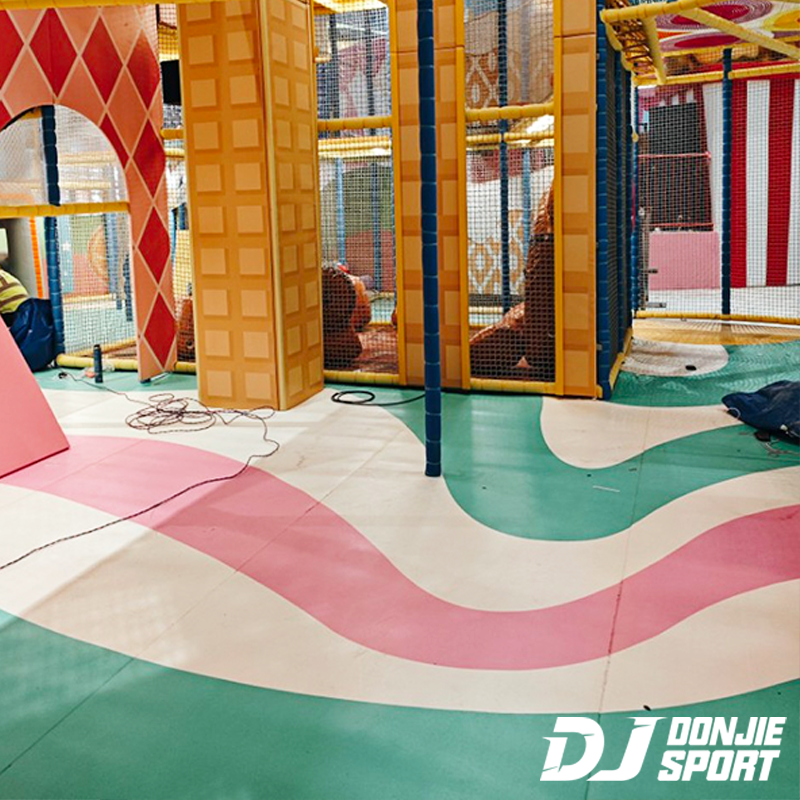
Common Mistakes to Avoid During Installation
To ensure a successful installation, be aware of these common mistakes:
-
Incorrect Adhesive Application: Always follow the manufacturer’s instructions for adhesive application to avoid bonding issues.
-
Misalignment: Check alignment frequently during installation to avoid having to rework large sections of the floor.
-
Improper Subfloor Preparation: Ensure the subfloor is properly cleaned, leveled, and moisture-free to avoid installation issues.
Enhancing Your Facility with PVC Sport Flooring
PVC sport flooring is a durable, safe, and cost-effective solution for sports facilities of all kinds. By following this guide, you can ensure a seamless installation that not only improves the functionality of your space but also enhances the safety and comfort of athletes. With proper planning, preparation, and maintenance, your PVC sport flooring will continue to perform at a high level for years to come.