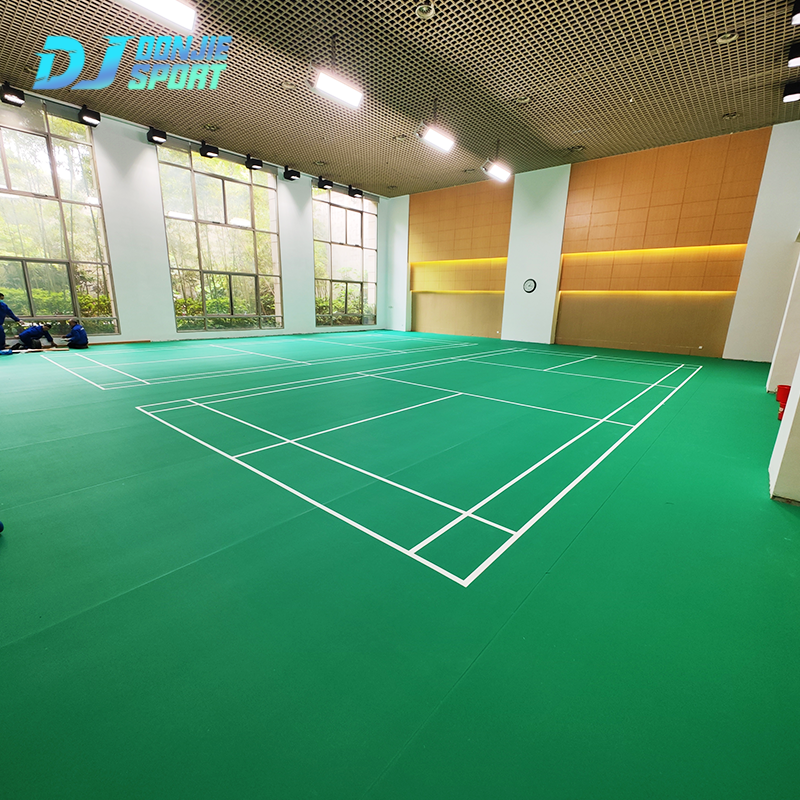
Investing in quality table tennis flooring is more than a matter of aesthetics—it directly impacts player performance, safety, and the longevity of your facility. The right flooring ensures proper traction, reduces fatigue, and prevents injuries during fast-paced games. For professional players and competitive clubs, selecting a suitable surface can mean the difference between optimal performance and unnecessary strain. Consequently, understanding table tennis flooring price becomes essential for both beginners and experienced facility managers looking to balance cost with performance.
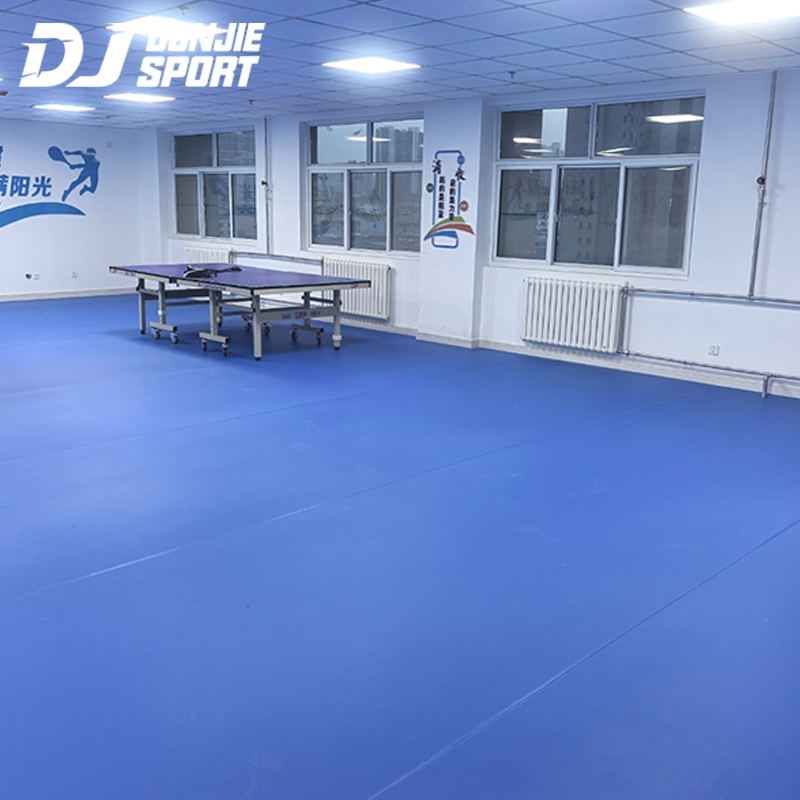
Factors Influencing Table Tennis Flooring Price
Material Types and Their Cost Impact
The type of material used in table tennis flooring is the primary determinant of cost. High-quality PVC and vinyl flooring offer durability, consistent bounce, and shock absorption suitable for competitive play. Wooden flooring, often used in professional arenas, provides superior ball response but comes with a higher price tag due to installation complexity and maintenance requirements. Synthetic options may offer budget-friendly alternatives, but they often sacrifice longevity and performance consistency.
Thickness and Cushioning Levels
The thickness of the flooring significantly affects both performance and cost. Floors with enhanced cushioning provide better shock absorption, reducing strain on players’ joints during long practice sessions. Thicker flooring generally increases material costs, but it offers long-term benefits by extending the lifespan of the floor and enhancing player safety.
Brand Reputation and Manufacturing Standards
Established brands that adhere to international quality standards often command higher prices. These manufacturers invest in advanced production techniques, ensuring uniform thickness, durable surface coatings, and certifications from table tennis federations. Opting for a reputable brand may cost more upfront but reduces the likelihood of premature wear or performance issues.
Flooring Finish and Aesthetics
Professional-grade table tennis flooring is not just functional but also visually appealing. High-quality finishes and surface textures improve ball control and player grip. Additionally, certified color schemes and polished surfaces can influence pricing, as they require additional manufacturing precision and quality assurance processes.
Cost Breakdown by Table Tennis Flooring Type
Professional Indoor Flooring Costs
Competition-level indoor flooring, commonly found in sports halls and professional clubs, ranges from moderate to high in price. Premium PVC or wooden flooring suitable for tournaments typically starts at higher price points, reflecting its superior durability, shock absorption, and professional certification.
Recreational and Home Flooring Costs
For home use or recreational play, budget-friendly options are available without compromising essential safety features. Vinyl or modular interlocking floors offer affordable solutions while still providing sufficient cushioning and traction for casual players. Prices vary depending on material quality and thickness but are generally lower than professional-grade options.
Modular and Interlocking Flooring Price Variations
Modular flooring, including interlocking tiles, provides flexibility in installation and relocation. While slightly more expensive per square foot than basic vinyl mats, these systems reduce installation time and can be replaced individually if damaged, offering long-term cost savings. The versatility and convenience justify the marginally higher price for many facilities.
Installation and Maintenance Considerations
Installation Costs and Methods
Professional installation is recommended for large-scale or competitive facilities to ensure floor flatness, stability, and proper expansion spacing. Installation costs can vary based on floor size and material type. DIY options are available for smaller or modular setups, reducing labor costs but requiring careful adherence to manufacturer guidelines.
Maintenance Expenses Over Time
Maintaining table tennis flooring is crucial to prolong its life and retain optimal performance. Regular cleaning, periodic inspections, and minor repairs are necessary to avoid deterioration. While premium floors may have higher upfront costs, they typically require less frequent maintenance compared to budget options, resulting in lower long-term expenses.
Regional and Market Price Differences
How Location Affects Table Tennis Flooring Price
Geographical location significantly influences flooring costs. Imported materials can increase expenses due to shipping fees and customs duties. Conversely, local production may offer competitive pricing, though quality and availability can vary. Facility managers should consider local supplier options to optimize costs.
Seasonal and Supplier Discounts
Flooring prices may fluctuate based on market demand and season. Many suppliers offer discounts during off-peak periods, bulk orders, or end-of-line product sales. Strategically timing purchases can result in considerable savings without compromising quality.
Making the Right Investment
Evaluating Value vs. Cost
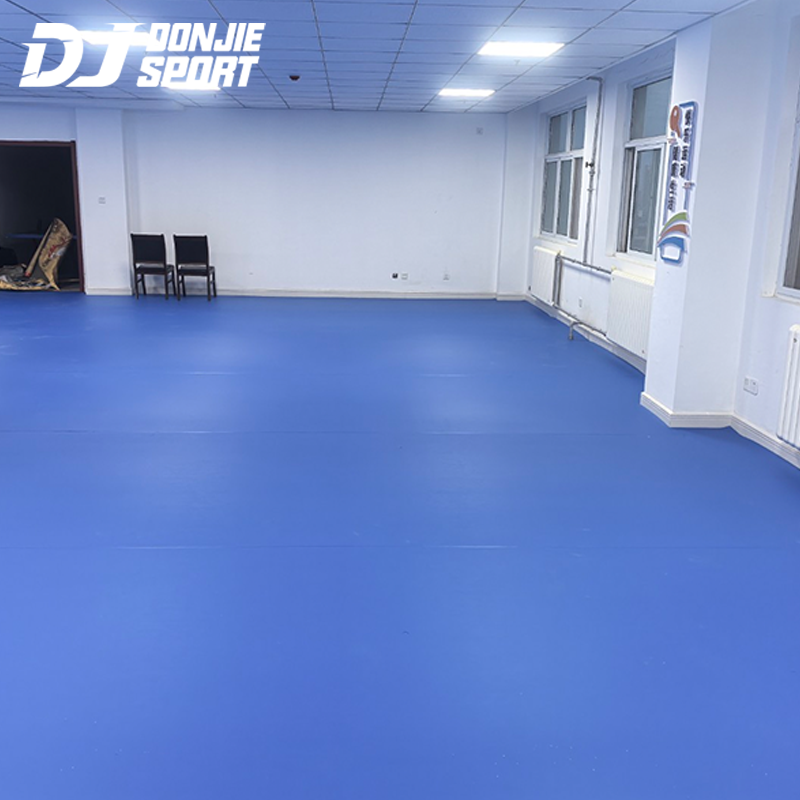
When assessing table tennis flooring price, it is essential to weigh the value against the cost. Investing in high-quality flooring enhances player performance, reduces injuries, and minimizes maintenance over time. Cutting corners on price may lead to additional expenses due to replacements or repairs.
Tips for Budgeting Table Tennis Flooring
Plan your flooring investment by first defining your facility’s needs—professional, recreational, or home use. Compare materials, thickness, and installation methods. Set aside a budget for ongoing maintenance to protect your investment and ensure consistent playing conditions. Prioritizing quality over the lowest price ensures long-term benefits.
Conclusion
Understanding table tennis flooring price requires evaluating multiple factors, including material type, thickness, brand reputation, installation, and maintenance. By considering these aspects, players and facility managers can make informed decisions that balance cost with performance, durability, and safety. Investing wisely in table tennis flooring ensures optimal play conditions, long-lasting surfaces, and a better overall experience for every player.