When it comes to setting up a basketball court, one of the most crucial decisions you’ll make is choosing the right flooring. A high-quality basketball floor isn’t just about aesthetics—it plays a major role in the safety, performance, and longevity of the court. For facility owners, schools, and recreational players, finding a balance between cost and quality can be challenging. However, affordable and durable flooring options are available for those who want the best performance without breaking the bank. In this guide, we’ll explore various basketball flooring options that provide both quality and affordability.
Understanding the Different Types of Basketball Flooring
The first step in choosing the right basketball flooring is understanding the different types available. Each type offers distinct advantages depending on your needs, budget, and the environment where the court will be located.
-
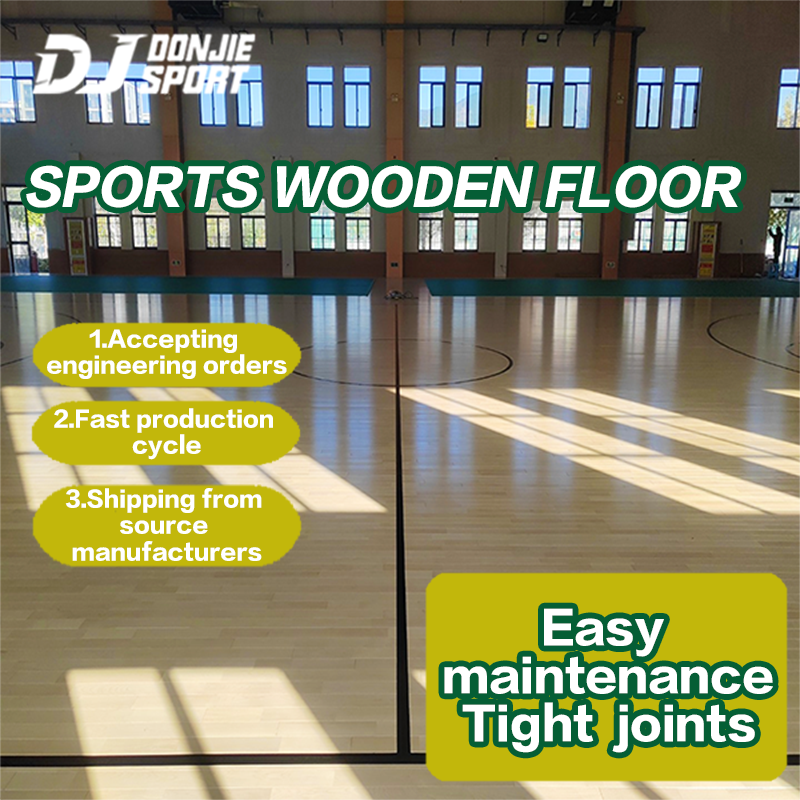
Wood Flooring: Often seen in professional arenas, hardwood floors provide an iconic look and exceptional bounce and traction. They are made from different types of wood such as maple, which is favored for its durability and aesthetic appeal. While offering superior performance, wood flooring comes with a higher upfront cost and requires regular maintenance.
-
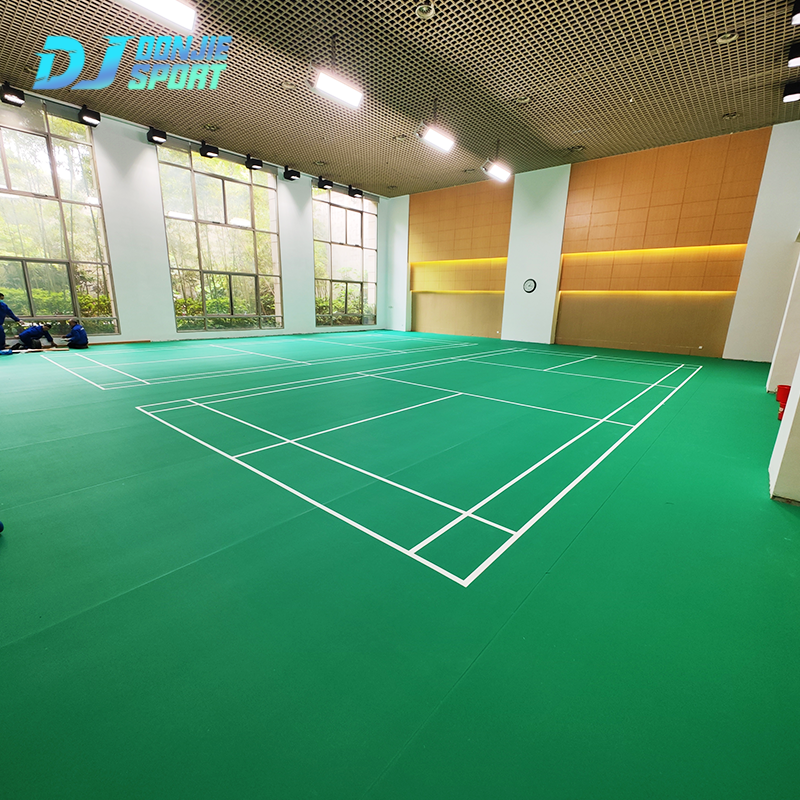
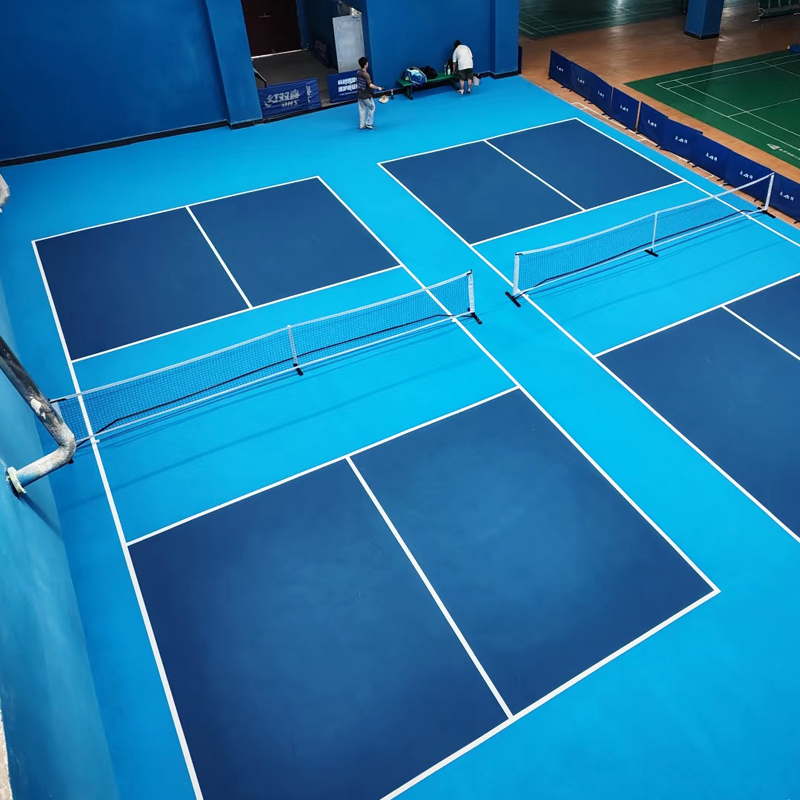
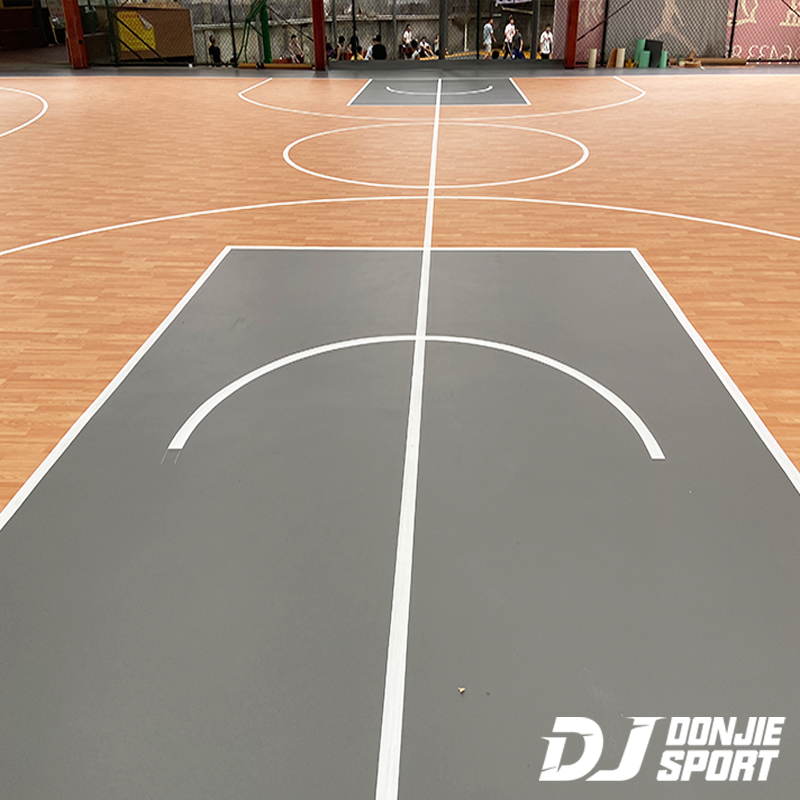
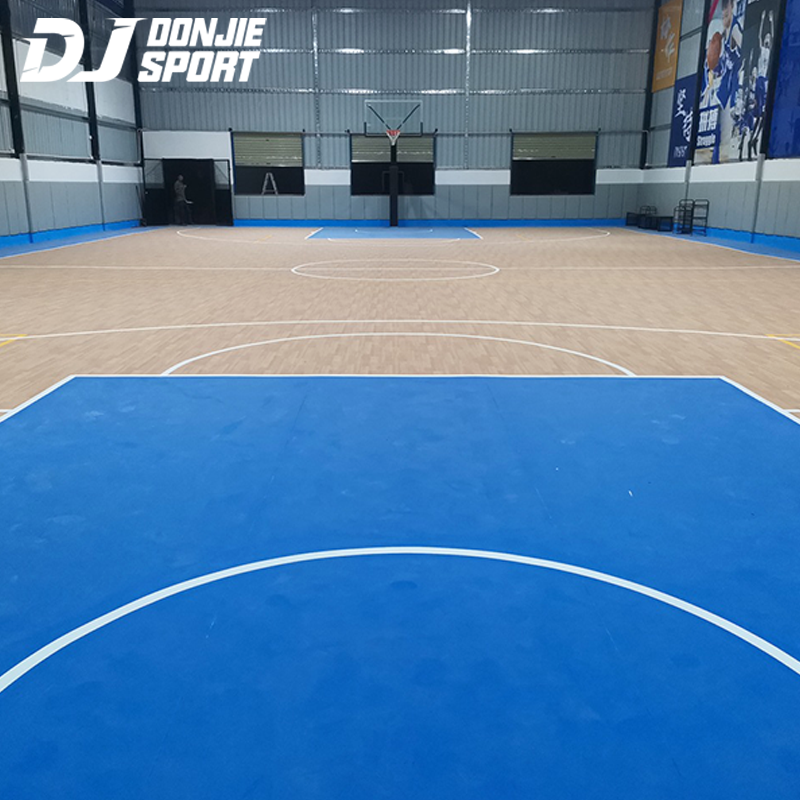
Synthetic Flooring: Synthetic options, such as vinyl and polyurethane, are an affordable alternative to wood floors. These floors mimic the feel of hardwood but are made from durable plastic materials. Synthetic basketball flooring is often used in multi-purpose gymnasiums and is known for being low-maintenance and easy to install.
-
Rubber Flooring: Rubber floors are an excellent choice for both indoor and outdoor courts. These surfaces are highly durable and resistant to wear and tear, making them a popular choice for recreational basketball courts. Rubber flooring can provide a similar feel to wood flooring but is often less expensive and requires minimal upkeep.
Factors to Consider When Choosing Basketball Flooring
Choosing the right basketball flooring involves more than just looking at the price tag. To make an informed decision, it’s important to consider factors like durability, maintenance, performance, and your overall budget.
-
Durability and Longevity: High-quality flooring should withstand heavy use over time. Wooden floors, while luxurious, tend to wear faster if not properly maintained. Synthetic and rubber flooring are typically more durable and can last longer under constant use, especially in high-traffic areas.
-
Maintenance Requirements: The upkeep of your court flooring should factor into your decision. Wooden floors require regular refinishing, cleaning, and sealing. Synthetic flooring is much easier to maintain, often only needing occasional cleaning. Rubber flooring is similarly low-maintenance, with the ability to withstand the outdoor elements without degrading quickly.
-
Budget-Friendly Choices: Budget is often a deciding factor in flooring choices. While wood flooring can be expensive, synthetic and rubber flooring can offer similar benefits at a fraction of the cost. For those on a tight budget, it’s possible to find affordable synthetic materials that still provide excellent performance and durability.
-
Performance Features: The quality of your flooring affects player performance and safety. Wooden floors provide superior traction, bounce, and cushioning, which is important for competitive play. Synthetic and rubber flooring, while lower-cost options, can still provide the necessary support, but may not offer the same level of performance as wood.
Affordable Yet High-Quality Options for Basketball Courts
Now that we’ve covered the types of flooring, let’s dive deeper into the specific options that balance affordability and quality. These floors will give you high performance without the hefty price tag.
-
Wooden Flooring for Budget-Conscious Buyers: While solid hardwood floors can be expensive, engineered wood or plywood options are often more affordable alternatives. These options mimic the look and feel of traditional hardwood but cost less to install and maintain. Engineered wood floors are made by layering plywood with a hardwood veneer, providing the same aesthetic with increased affordability and durability.
-
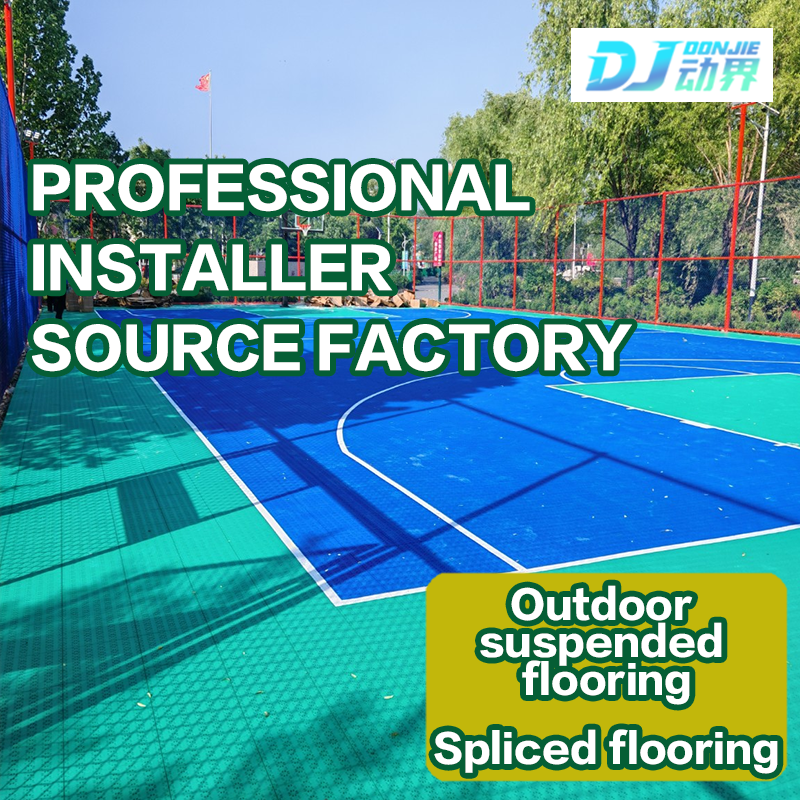
Best Synthetic Flooring Options: Vinyl and polyurethane flooring offer affordable alternatives to wood while maintaining great bounce and traction. These materials are often pre-assembled into interlocking tiles or rolls, making installation easier and faster. They also tend to be low-maintenance and durable under heavy use, making them perfect for schools, gyms, and recreational centers.
-
Top Rubber Flooring Solutions: Rubber flooring is one of the most affordable choices for basketball courts. Rubber is naturally slip-resistant and durable, making it ideal for both indoor and outdoor courts. It also absorbs impact well, reducing the risk of injury during play. Many rubber floors are designed to look similar to traditional wood floors, offering a balance of style and function.
Pros and Cons of Each Flooring Option
It’s essential to weigh the benefits and drawbacks of each type of flooring before making your decision.
-
Wood Flooring Pros & Cons: Wood flooring provides a professional look and an unparalleled playing experience. The advantages include a great aesthetic, excellent traction, and durability when properly maintained. However, the downsides include a higher price point, maintenance requirements, and vulnerability to damage from heavy use or moisture.
-
Synthetic Flooring Pros & Cons: Synthetic floors are cost-effective and come in a variety of options to fit different budgets. They are easy to clean, durable, and often require less maintenance than wood. On the flip side, synthetic floors may not offer the same premium aesthetic and performance as wood, and they can sometimes feel less cushioned underfoot.
-
Rubber Flooring Pros & Cons: Rubber flooring is highly durable and affordable, with minimal maintenance required. It’s also an excellent choice for outdoor courts, providing resistance to weather conditions. The downside is that rubber floors may lack the professional feel and performance of wood flooring, and some players may prefer the bounce of wood over rubber.
How to Find the Best Deals on Basketball Flooring
Once you’ve selected the right type of flooring, it’s time to hunt for the best deal. Here are some tips to get the most value for your money:
-
Where to Buy Quality Flooring: Look for reputable suppliers who specialize in sports flooring. Many manufacturers offer discounts for bulk purchases, and some even provide installation services. Online retailers and local distributors can offer a range of options at competitive prices.
-
Tips for Getting Discounts or Deals: Shopping during off-season months or holiday sales can help you snag better prices. If you’re buying in bulk, consider negotiating with suppliers for a discount. Some manufacturers may offer promotional deals for first-time buyers or long-term contracts.
Maintenance Tips for Long-Term Performance
Proper maintenance will ensure your basketball floor remains in top condition for years to come.
-
Maintaining Wooden Flooring: Regularly clean the court, and apply a protective finish to maintain its shine and prevent damage. Refinishing should be done every few years to keep the surface smooth and free of wear marks. Keep the area dry to prevent water damage and warping.
-
Care for Synthetic and Rubber Flooring: For synthetic floors, simple cleaning with a damp mop is often enough to maintain their appearance. Rubber floors require regular sweeping and occasional deep cleaning to prevent buildup of dirt or debris. Always check for signs of wear and tear to prevent accidents.
Finding the Balance Between Cost and Quality
Choosing the right basketball flooring involves understanding your needs, budget, and the level of performance required. Whether you choose wood, synthetic, or rubber flooring, there are plenty of affordable yet high-quality options available. Always consider factors like durability, maintenance, and player safety to make the best decision for your court.