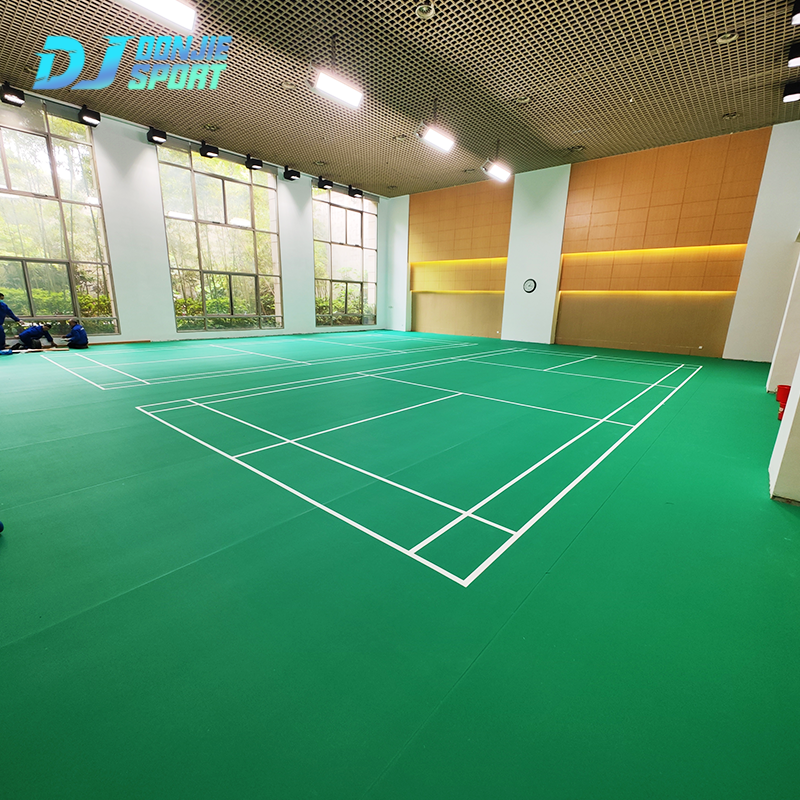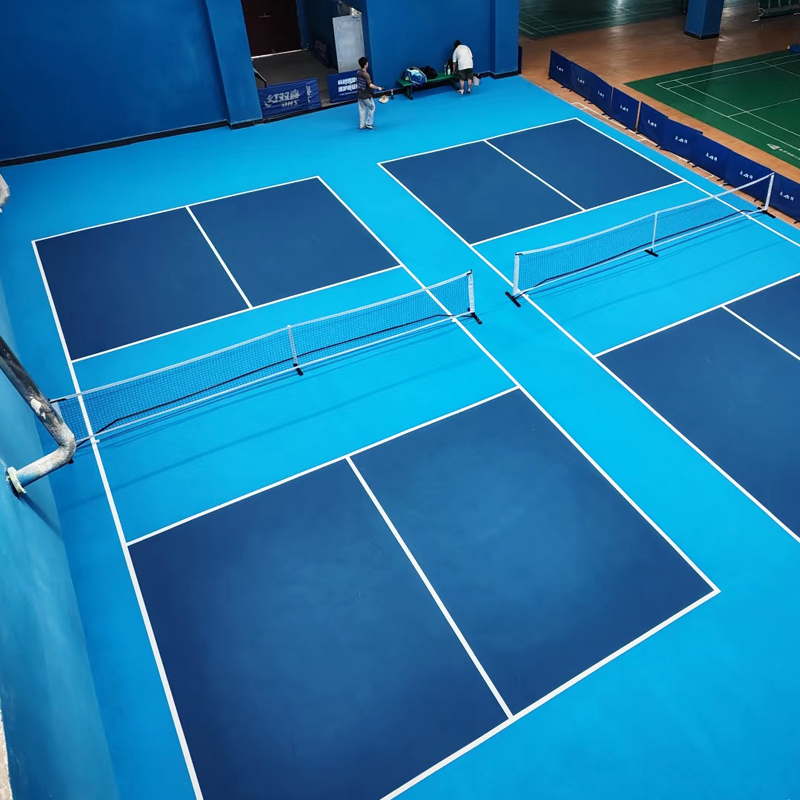
Choosing the right Badminton Court Floor Mats is one of the most crucial decisions when setting up a badminton court, whether for professional play, recreational use, or multi-purpose sports facilities. The type of mat you select not only affects the durability of your court but also has a direct impact on player performance, safety, and comfort. A high-quality mat ensures optimal grip, smooth shuttle bounce, and reduces the risk of injuries caused by slips or uneven surfaces. With a wide range of mats available, understanding their differences and benefits can help court owners and facility managers make informed choices that suit their budget, usage, and environment.
Understanding Badminton Court Floor Mats
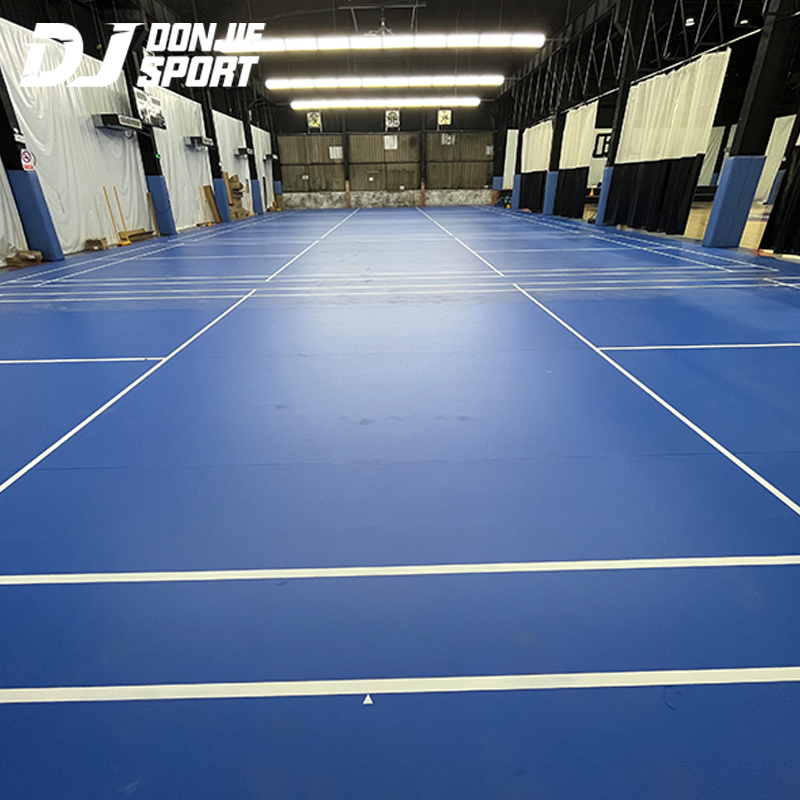
Badminton Court Floor Mats are specially designed surfaces that provide stability, cushioning, and durability for players. These mats are not just flooring; they play a pivotal role in enhancing the overall game experience. Key characteristics to look for include shock absorption to protect joints, consistent grip for safe movement, resistance to wear and tear, and ease of cleaning. Depending on your facility’s needs, mats can be permanent installations or portable solutions, allowing flexibility for temporary setups or events.
Unlike standard flooring, specialized badminton mats are engineered to balance friction and smoothness, ensuring the shuttlecock reacts predictably during play. Choosing the wrong mat can lead to uneven bounce, faster wear, and increased injury risk. Therefore, understanding the core purpose of these mats is the foundation of making the right selection.
Types of Badminton Court Floor Mats
PVC Badminton Court Floor Mats
PVC mats are a popular choice for both indoor and semi-outdoor courts due to their affordability and durability. They are easy to install and maintain, making them ideal for community centers or schools. PVC mats provide moderate shock absorption, suitable for recreational players, and come in various colors and thicknesses to match court specifications.
Synthetic Badminton Court Floor Mats
Synthetic mats are designed for professional and competitive use. They offer superior shock absorption, which reduces strain on knees and ankles, and ensure consistent grip for fast-paced gameplay. High-quality synthetic mats are often made from PU or vinyl composites, providing excellent durability and easy maintenance. They are particularly suitable for facilities hosting frequent tournaments or intensive training sessions.
Wooden Flooring Mats
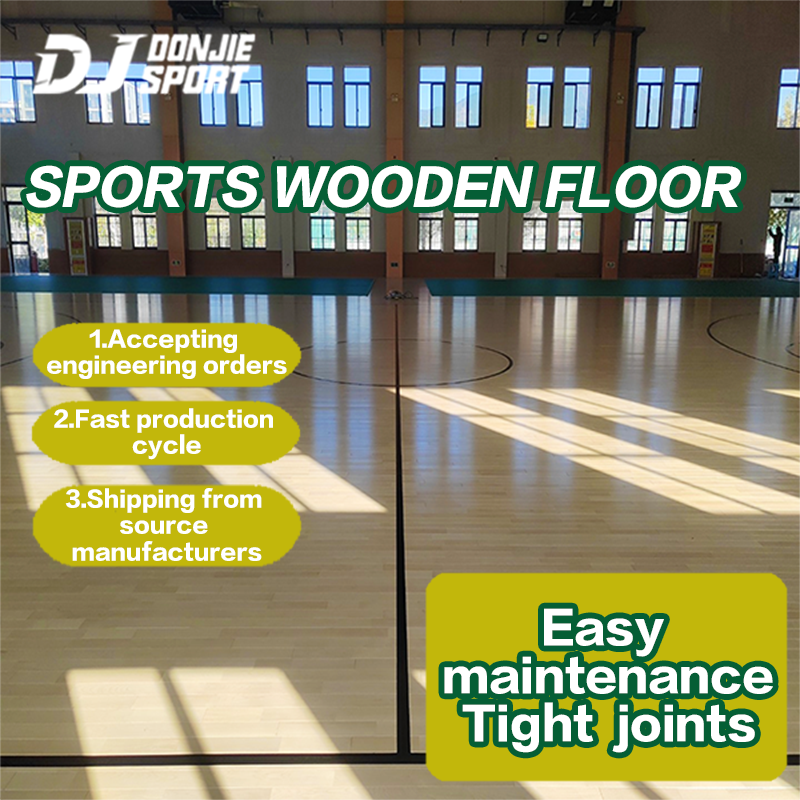
Wooden mats, often made from engineered hardwood, bring a classic aesthetic and smooth playing surface. They provide natural bounce and moderate shock absorption, preferred by many professional clubs. However, wooden mats require regular maintenance, including polishing and moisture control, to prevent warping or surface damage. They are generally a higher-cost option but offer unmatched elegance and performance when properly maintained.
Comparison Table of Mat Types
| Mat Type | Durability | Shock Absorption | Maintenance | Cost | Ideal Use |
|---|---|---|---|---|---|
| PVC Mats | Medium | Moderate | Low | Affordable | Schools, recreational |
| Synthetic Mats | High | High | Low | Mid-High | Professional, training |
| Wooden Mats | High | Moderate | High | High | Professional clubs |
Factors to Consider When Choosing Badminton Court Floor Mats
Court Usage Frequency
For high-traffic courts or professional tournaments, investing in synthetic or wooden mats ensures long-term performance. Recreational courts may prioritize budget-friendly PVC mats without compromising safety.
Indoor vs Outdoor Use
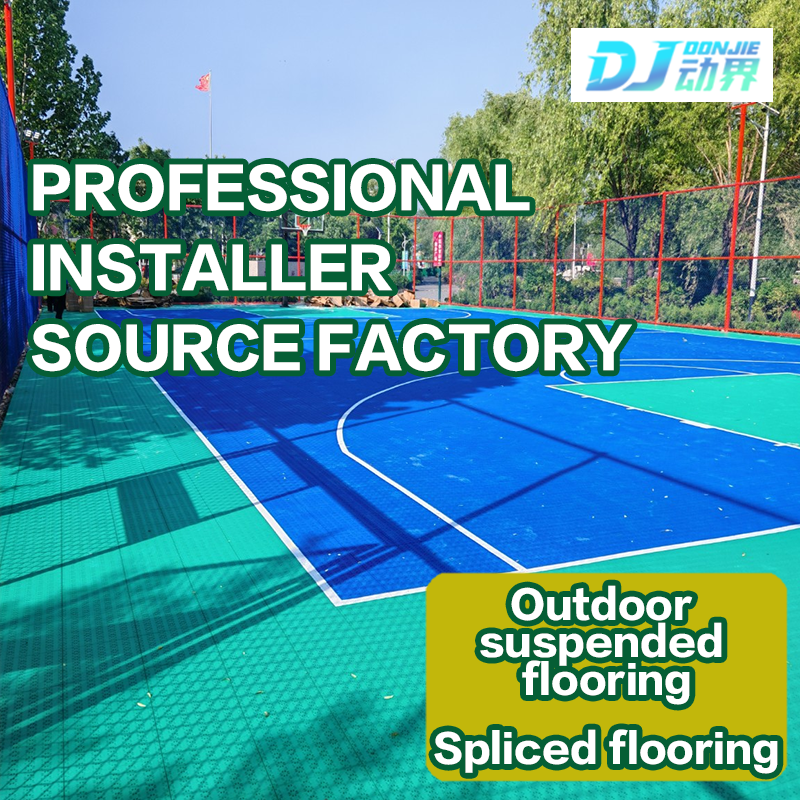
Indoor courts require mats resistant to wear from frequent play, while outdoor mats need to withstand weather conditions such as UV exposure, moisture, and temperature fluctuations. Choosing the right material ensures durability and safety in both settings.
Player Comfort and Injury Prevention
Mats with proper shock absorption and consistent grip reduce the risk of injuries. Facilities hosting youth or senior players should prioritize mats designed for enhanced joint protection.
Budget and Long-Term Investment
While PVC mats are cost-effective upfront, synthetic or wooden mats may provide better value over time due to durability and lower replacement frequency. Balancing initial cost with long-term benefits is crucial when selecting the right mat.
Installation and Maintenance of Badminton Court Floor Mats
Proper installation is essential to maximize the performance and lifespan of Badminton Court Floor Mats. Most mats require a clean, level subfloor, and precise alignment to prevent movement or gaps. Portable mats often come with interlocking designs for easy assembly, while permanent mats may need adhesive or specialized anchoring.
Maintenance includes regular sweeping, cleaning with mild detergents, and inspection for wear or damage. Synthetic and PVC mats are easier to maintain, while wooden mats may require polishing, moisture monitoring, and periodic refinishing. Avoiding common mistakes, such as placing mats on uneven surfaces or neglecting cleaning, ensures safety and extends mat longevity.
Enhancing Court Performance with the Right Mat
The choice of mat affects game speed, shuttle bounce, and player agility. Professional-grade synthetic mats offer consistent response during fast rallies, while wooden mats provide natural bounce for precision play. Properly installed and maintained mats reduce slips, ankle twists, and joint strain, supporting both recreational and competitive athletes. Many facilities have reported improved player satisfaction and fewer injuries after upgrading to high-quality Badminton Court Floor Mats, highlighting the importance of the right mat selection.
Where to Buy Quality Badminton Court Floor Mats
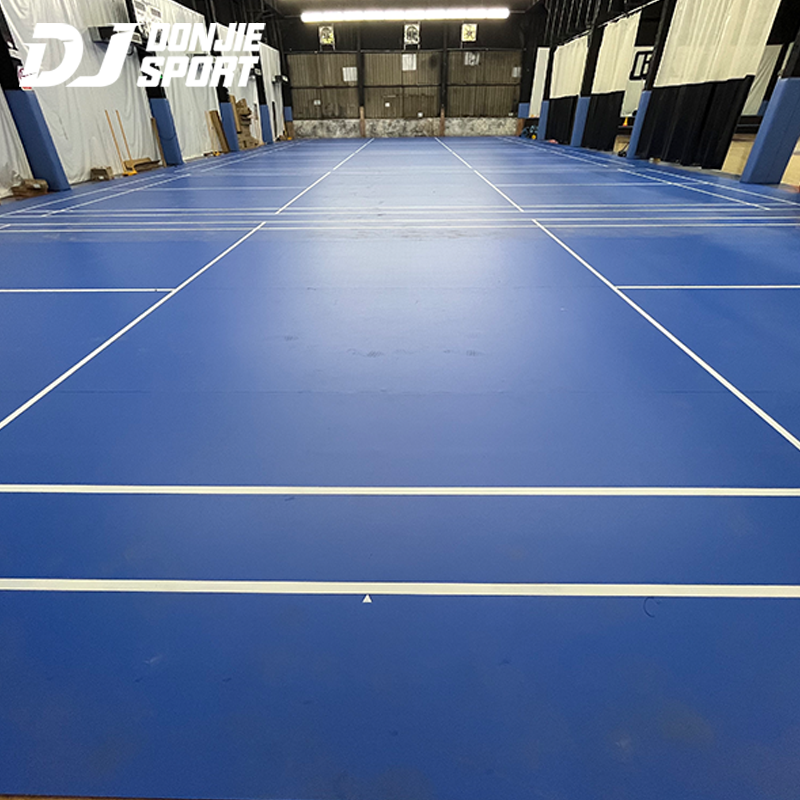
Purchasing mats from trusted suppliers ensures quality, compliance with sports regulations, and long-term durability. Popular options include specialized sports flooring brands, authorized dealers, and verified online retailers. When selecting a mat, consider thickness, material certifications, warranty, and reviews. Verifying mat quality before purchase prevents costly replacements and ensures the court meets performance expectations.
Conclusion
Choosing the right Badminton Court Floor Mats is essential for maximizing player safety, performance, and court longevity. By understanding the differences between PVC, synthetic, and wooden mats, considering court usage, indoor or outdoor environment, player comfort, and budget, facility managers and players can make informed decisions. Proper installation and maintenance further enhance performance, reduce injuries, and ensure the mats last for years. Selecting the ideal mat is not just a flooring decision—it is an investment in the overall badminton experience, balancing functionality, safety, and style.