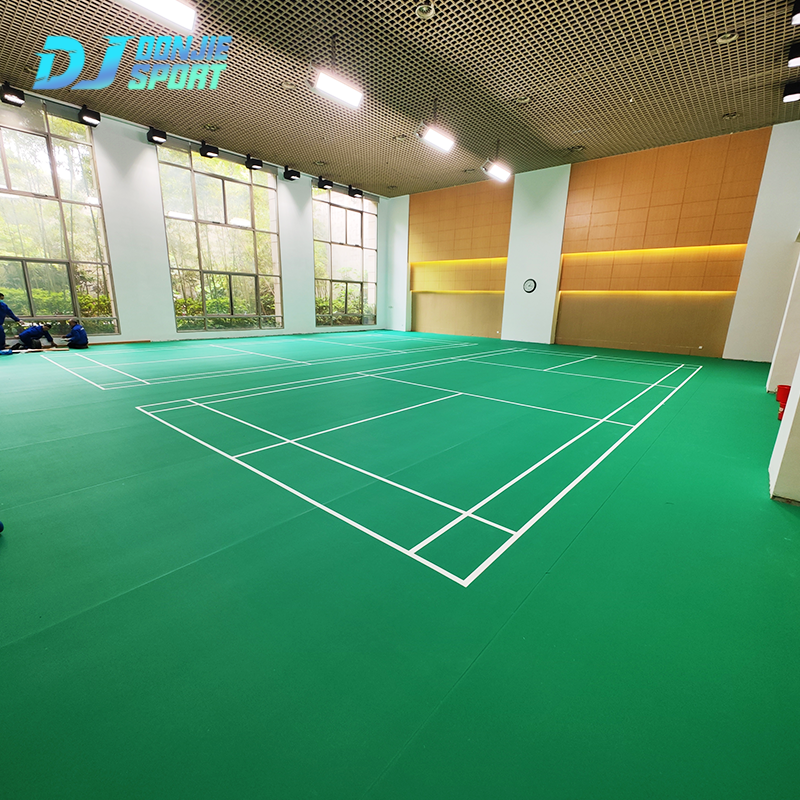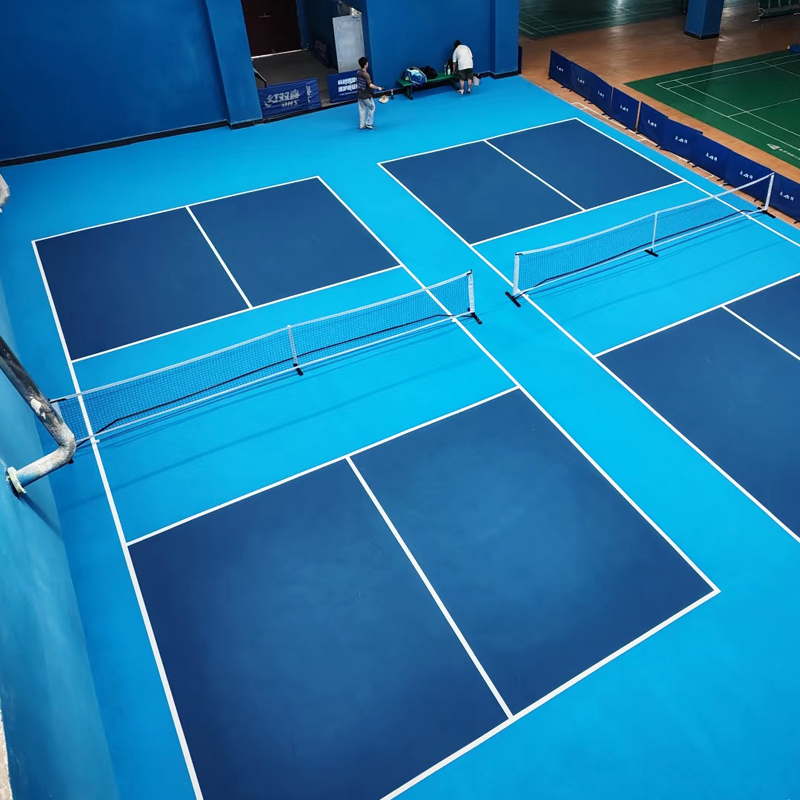
When it comes to creating a high-performance badminton court, one of the most important considerations is the flooring. The right flooring not only ensures a safe and comfortable playing environment but also enhances the overall playing experience. Whether you’re designing a professional arena or a recreational facility, the quality of the court surface plays a crucial role in player performance and safety. In this article, we will explore the essential features of badminton court flooring, the materials to consider, and key factors to keep in mind when choosing the best flooring for your facility.
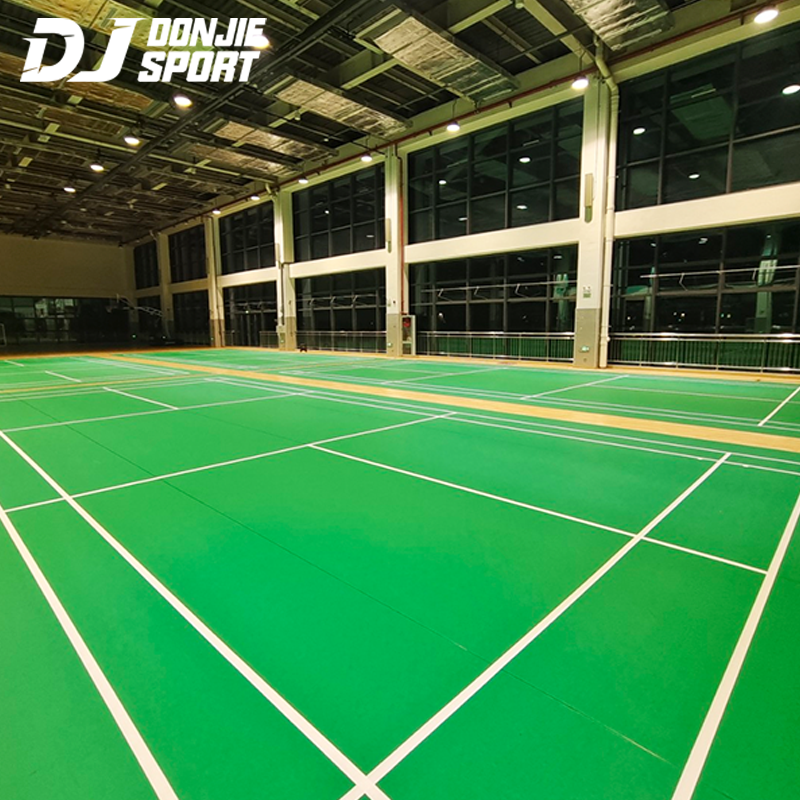
Why Quality Badminton Court Flooring Matters
Quality flooring is an investment in both the safety and performance of the players. The flooring directly affects how the shuttlecock behaves, the comfort level for players, and the long-term durability of the court itself. Badminton players require surfaces that allow them to move quickly and smoothly, while also providing the necessary cushioning to absorb the impact of their jumps and rapid directional changes.
Good flooring ensures that players are not at risk of injury due to slips, falls, or excessive impact on their joints. It also provides the right amount of rebound for the shuttlecock, allowing for fast, competitive play. A professional-grade surface not only supports players but also ensures the court remains in excellent condition over time, reducing the need for frequent repairs.
Essential Features of Badminton Court Flooring
When selecting flooring for a badminton court, several essential features should be considered to ensure an optimal playing environment.
-
Durability: Badminton courts are subject to heavy foot traffic and intense play, so the flooring needs to withstand regular use without losing its integrity. Choosing durable materials ensures that the court can handle long-term wear, minimizing maintenance and replacement costs.
-
Shock Absorption: One of the most important features of badminton court flooring is its ability to absorb shock. Players frequently make sudden movements, jumps, and quick pivots, so the flooring should reduce the strain on their knees, ankles, and joints. Floors with adequate shock absorption help minimize injuries and provide a more comfortable experience for athletes.
-
Grip and Traction: Proper grip is essential for player safety. A floor that is too slippery can lead to dangerous falls, while one with too much friction can hinder movement. Badminton court flooring must offer the right balance of grip, ensuring players can pivot, slide, and change direction without risk of slipping or overexerting themselves.
-
Consistency: A consistent surface ensures that players can rely on predictable behavior during play. Whether it’s a rubber, PVC, or wood surface, the flooring should offer uniform performance across the entire court. Any unevenness or inconsistencies can affect the players’ movements and overall experience, making consistency a key consideration.
Material Options for Badminton Court Flooring
There are various flooring options available for badminton courts, each offering unique advantages and drawbacks. The best choice depends on factors like budget, facility type, and expected usage.
-
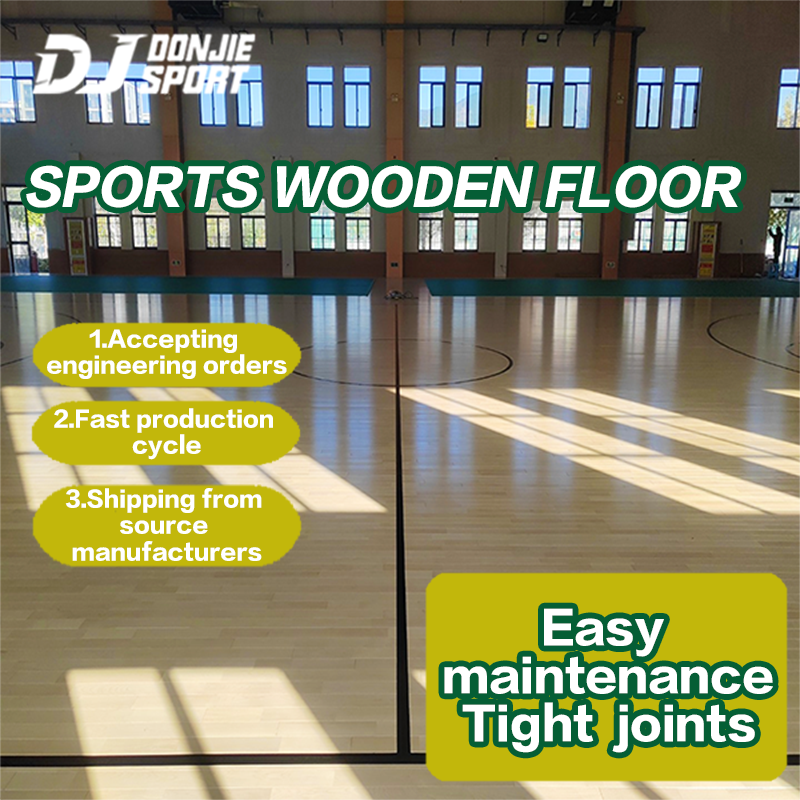
Wooden Flooring: Wooden flooring is a traditional choice for badminton courts, particularly in professional settings. It offers excellent traction and a natural look that appeals to many players. However, wooden floors require regular maintenance, including refinishing and protection from moisture, which can be a disadvantage for facilities looking for low-maintenance options.
-
Synthetic Flooring (PVC, Rubber, etc.): Synthetic options like PVC and rubber offer several benefits, including low maintenance and durability. PVC flooring, in particular, is a popular choice for badminton courts due to its shock-absorption properties and consistent performance. Rubber flooring, while a bit softer, also provides excellent traction and durability, making it suitable for both recreational and competitive courts. Synthetic materials are easy to clean and maintain, which makes them ideal for busy sports facilities.
-
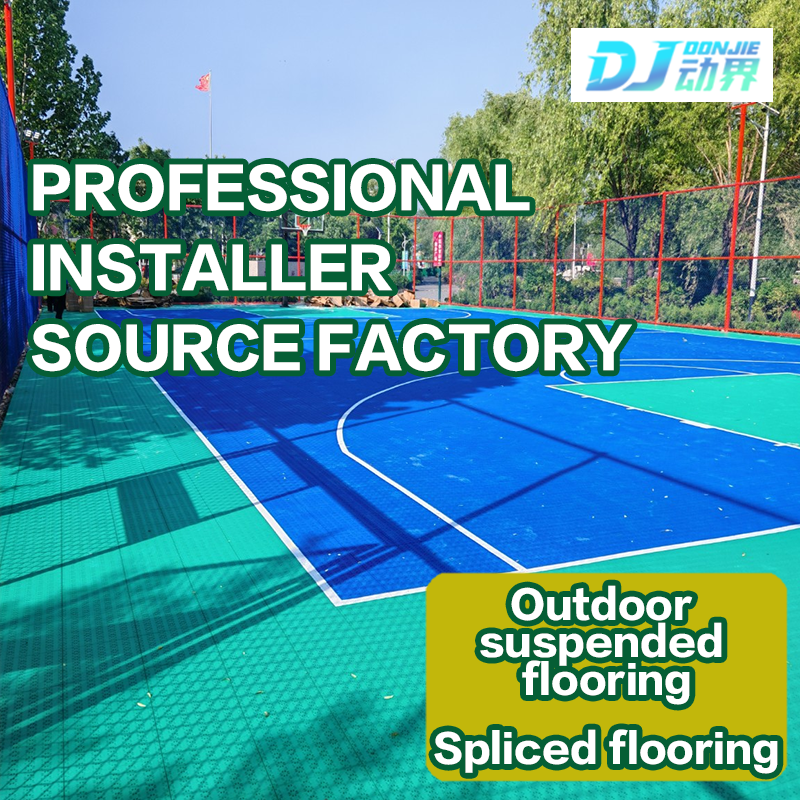
Modular Tiles: Interlocking modular tiles are becoming increasingly popular for badminton courts, especially for those in multi-purpose facilities. These tiles are easy to install and maintain, and they can be replaced individually if damaged. While they may not offer the same level of aesthetic appeal as wood, their practicality and ease of maintenance make them a strong contender for many badminton facilities.
How to Choose the Right Badminton Court Flooring for Your Facility
Choosing the right flooring for your badminton court involves considering several factors:
-
Budget: While wooden floors offer a premium look, they can be costly to install and maintain. Synthetic options, like PVC and rubber, offer cost-effective alternatives with long-lasting durability. Modular tiles are also an affordable option for facilities with limited budgets.
-
Player Needs: Consider the skill level and preferences of your players. Professional players may prefer wooden or high-quality synthetic flooring for a more responsive surface, while recreational players might be more comfortable with softer, shock-absorbent materials.
-
Facility Type: For multi-purpose sports halls, modular tiles or synthetic flooring might be the most practical choice, as they can easily be adapted to different sports. If you’re constructing a dedicated badminton facility, investing in professional-grade wooden or PVC flooring might be worth the extra cost.
Installation and Maintenance of Badminton Court Flooring
Installation and maintenance are crucial steps to ensure that your badminton court flooring stays in top condition.
-
Installation: Depending on the material, installation can vary. Wooden flooring often requires a professional installation process, while synthetic flooring and modular tiles are easier to install and may not require specialized skills. Be sure to choose a flooring option that suits your facility’s needs and installation capabilities.
-
Maintenance: Regular maintenance is key to prolonging the lifespan of your badminton court flooring. Wooden floors need to be refinished and protected from moisture, while synthetic flooring requires periodic cleaning and occasional resurfacing. Modular tiles are relatively low-maintenance and can be replaced as needed, making them a convenient option.
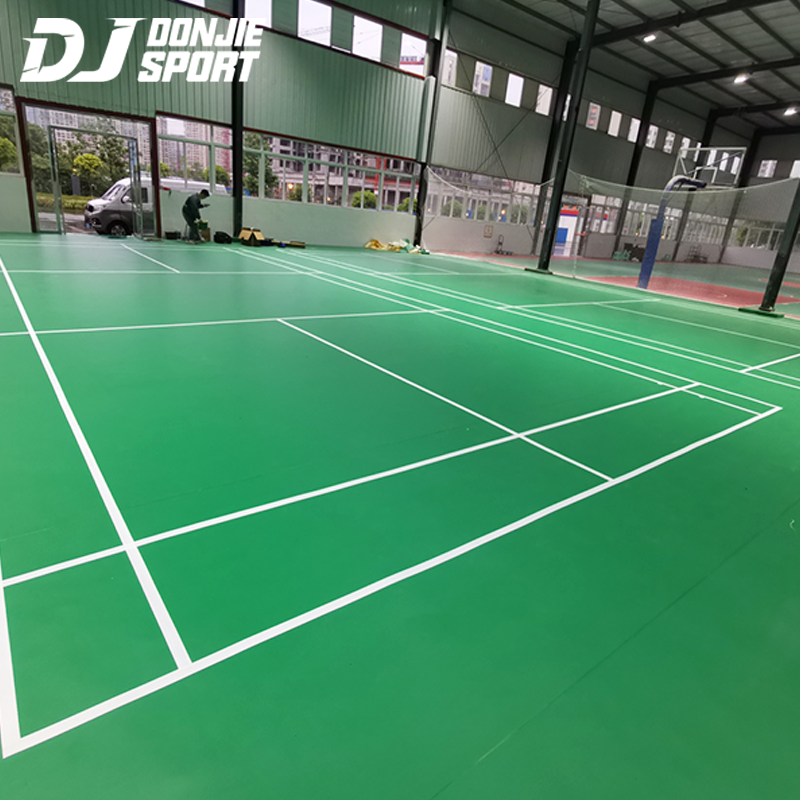
Cost-Effectiveness and Longevity of Badminton Court Flooring
While the upfront cost of installing high-quality badminton court flooring may seem significant, it’s important to consider the long-term benefits. Investing in durable, shock-absorbent flooring helps reduce the likelihood of injuries and ensures consistent play for years to come. Furthermore, low-maintenance options like synthetic flooring and modular tiles can save you money in the long run by reducing repair and upkeep costs.
In terms of longevity, synthetic flooring and modular tiles typically outperform wooden floors, which may require more frequent refinishing. Rubber and PVC flooring are both highly durable and offer excellent value for money, making them ideal for sports facilities on a budget.
Conclusion
Choosing the right badminton court flooring is an essential aspect of creating a safe, comfortable, and high-performing environment for players. Whether you opt for wood, synthetic materials, or modular tiles, it’s important to consider factors like durability, shock absorption, grip, and maintenance needs. By selecting the best flooring for your facility, you’ll ensure a long-lasting surface that enhances player performance and minimizes the risk of injury.