Choosing the right flooring for your badminton court is crucial for both player performance and safety. The right type of flooring can enhance the comfort and traction of players, making the game smoother and more enjoyable. On the other hand, improper flooring can lead to discomfort, fatigue, and even injury. Whether you are building a new badminton court or upgrading an existing one, understanding the impact of your flooring choice is essential.
In this guide, we will explore various types of badminton court flooring materials, highlighting the key features and benefits of each. We’ll also examine important factors to consider when selecting the right material for your specific venue, from budget constraints to the expected player traffic.
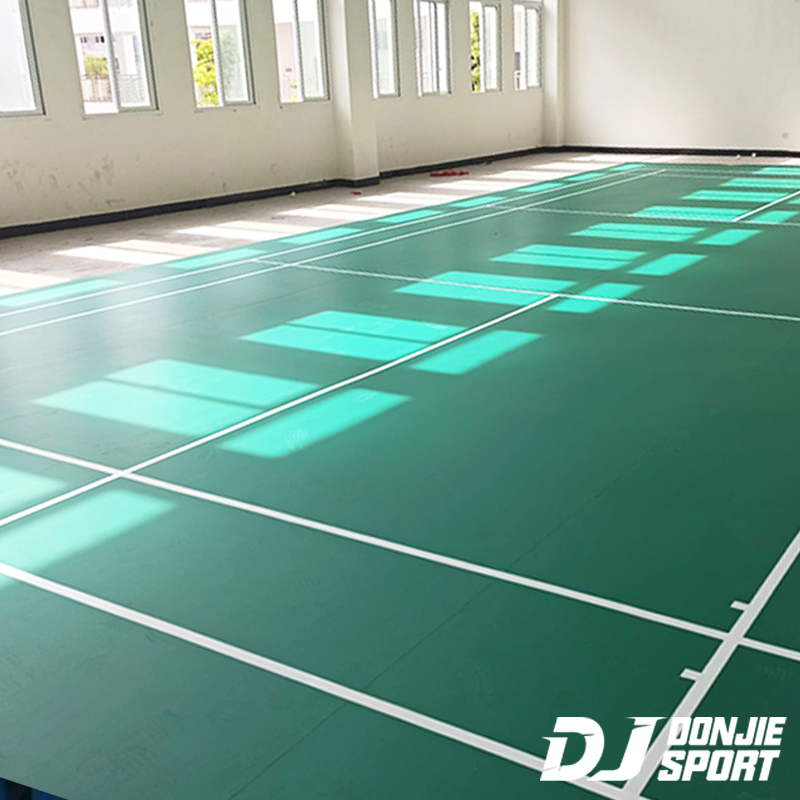
Understanding the Basics of Badminton Court Flooring
When selecting Badminton Court Flooring, it’s essential to understand the fundamental features that a high-quality court surface must offer. The best flooring provides the necessary support for players’ movements while ensuring safety and performance.
Key Features of Badminton Court Flooring
-
Durability: Since badminton is a high-impact sport, the flooring must be resistant to wear and tear, especially in high-traffic areas like the center of the court.
-
Shock Absorption: Proper shock absorption is crucial for reducing the risk of injuries such as joint strain. Flooring that absorbs shocks helps players land comfortably after jumps or quick pivots.
-
Slip Resistance: A safe playing environment requires flooring that provides adequate grip, preventing players from slipping during fast movements. Too much friction can also be problematic, as it could cause excessive wear on shoes.
-
Consistency: The surface should provide consistent bounce, making sure the shuttlecock reacts predictably when it hits the floor.
The right floor will balance all these features, creating a comfortable and safe environment that optimizes player performance.
Types of Materials for Badminton Court Flooring
Several materials are available for badminton court flooring, each with its unique benefits. Let’s examine the most common ones:
PVC Flooring
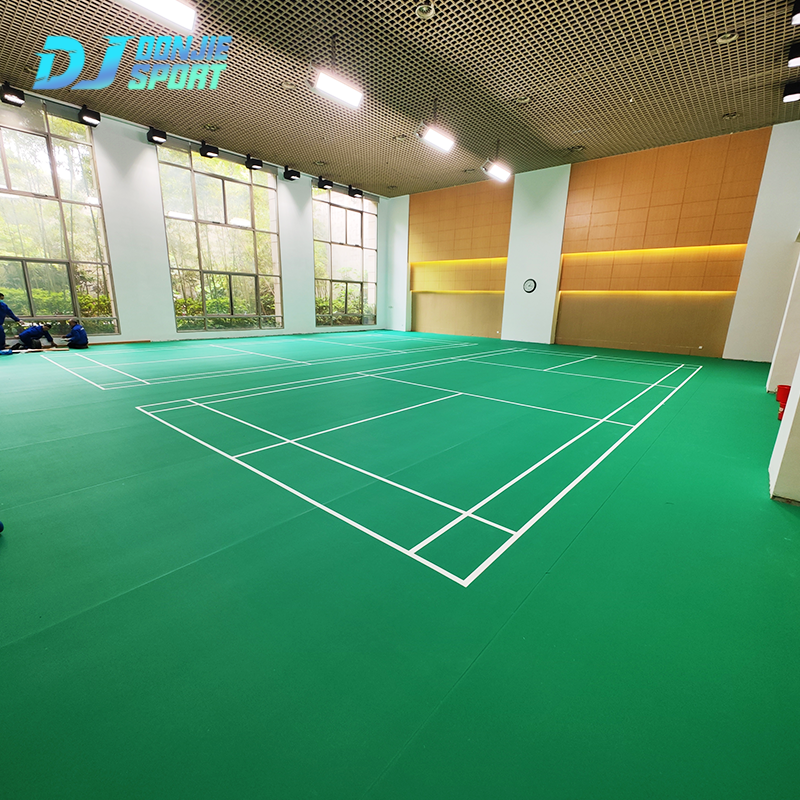
PVC flooring is a popular choice for indoor badminton courts due to its resilience and versatility. It offers excellent shock absorption, which reduces player fatigue and risk of injury. PVC also provides great slip resistance, ensuring players maintain optimal traction during the game. However, it may require more frequent maintenance if used in high-traffic environments.
Rubber Flooring
Rubber is another top contender for badminton courts, especially in multi-purpose venues. It’s highly durable and offers good shock absorption. Its elasticity allows for a comfortable playing experience while minimizing impact on joints. Rubber flooring also resists wear and can handle the stress of fast foot movements, making it ideal for professional-level play.
Wooden Flooring
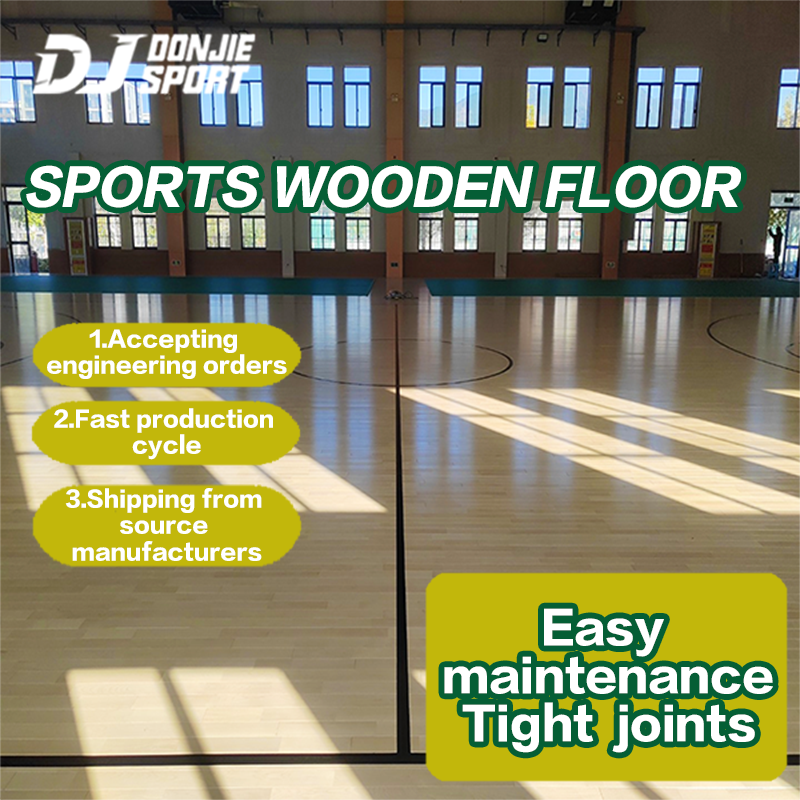
Wooden floors have long been the traditional choice for indoor sports courts, including badminton. They offer great shock absorption and a smooth surface, which makes them ideal for high-level play. Wooden floors, particularly maple or oak, are often favored for their aesthetic appeal and superior performance, especially in prestigious venues. However, they require careful maintenance to ensure they stay in top condition.
Vinyl Flooring
Vinyl is known for its durability and ease of maintenance. It’s a cost-effective option for badminton courts, offering resistance to scratches and scuffs. The material can be customized to suit various designs and color preferences, making it a versatile option for indoor badminton venues. It’s also relatively easy to install compared to wood or rubber.
Synthetic Sports Flooring
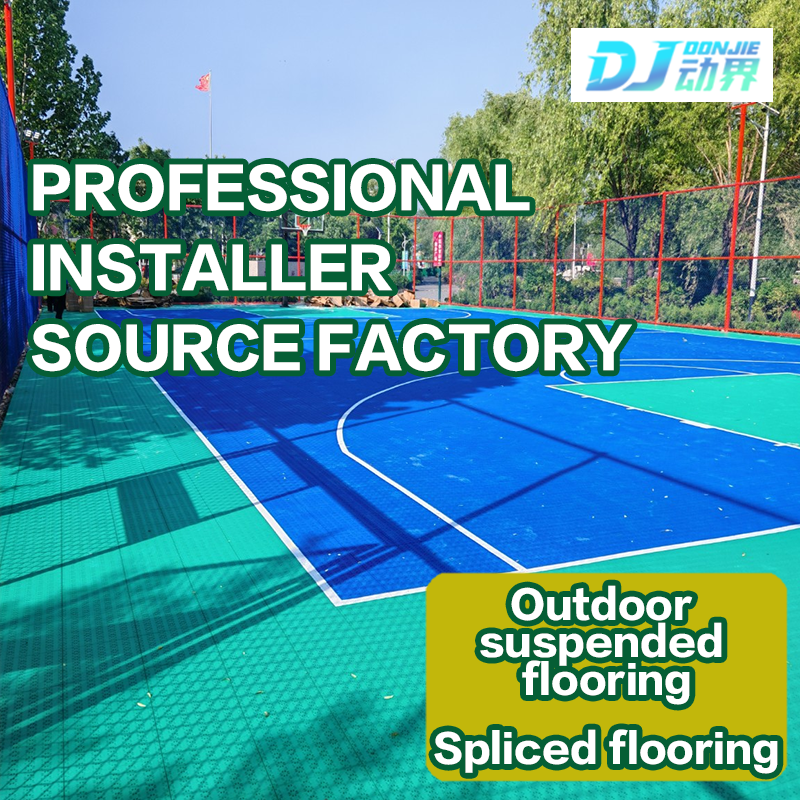
Synthetic sports flooring is designed specifically for athletic use, combining the benefits of other materials like rubber and PVC. It’s engineered for safety, performance, and durability, with additional features like moisture resistance and UV stability for outdoor courts. This type of flooring is ideal for venues that host multiple sports events, including badminton, as it can withstand heavy usage.
Factors to Consider When Choosing Badminton Court Flooring
Selecting the right Badminton Court Flooring depends on several factors that affect both the performance and longevity of the court. Below are the most important considerations:
Budget Considerations
Flooring materials vary significantly in cost. While premium options like wooden floors and high-quality synthetic surfaces may come with a higher price tag, they offer long-term durability and performance benefits. On the other hand, materials like PVC or vinyl offer a more budget-friendly alternative without compromising on essential features.
Indoor vs Outdoor Courts
The type of court—indoor or outdoor—greatly influences your choice of flooring. Indoor courts tend to use more controlled environments, making materials like PVC, rubber, and wood suitable choices. Outdoor courts require flooring that can withstand weather conditions, such as synthetic sports flooring or rubber, which is more resistant to UV degradation and moisture.
Maintenance Requirements
Consider how much time and effort you’re willing to put into maintaining the flooring. Wooden floors, while offering great performance, require regular maintenance to keep them in top shape. PVC and synthetic floors are easier to maintain, requiring only routine cleaning and occasional repairs.
Player Needs
When choosing the right flooring, it’s crucial to consider the players’ needs. High-level badminton players require flooring that offers excellent shock absorption and slip resistance. Additionally, some players may prefer certain types of surfaces based on their playing style, such as those who require a bit more bounce or those who prefer a fast court.
How to Choose the Best Material Based on Your Venue’s Needs
Choosing the best flooring material for your badminton venue is not a one-size-fits-all decision. The key to making the right choice lies in analyzing the specific needs of your venue.
Analyzing Court Size and Expected Traffic
The size of the badminton court plays a significant role in determining the flooring material. Smaller venues with limited traffic might be able to use more affordable options like vinyl or PVC. In contrast, larger venues with heavy foot traffic will benefit from more durable flooring options like rubber or synthetic surfaces.
Choosing Based on Venue Type
If your venue is a professional badminton facility or tournament center, it’s important to invest in premium flooring like high-quality wood or synthetic sports flooring that meets international standards. For recreational or multi-purpose venues, materials like PVC or rubber may be more than sufficient, providing excellent performance without the high cost.
Environmental Considerations
If sustainability is a priority, consider eco-friendly flooring options made from recycled materials. Some synthetic sports floors are designed with sustainability in mind, offering high performance without harming the environment.
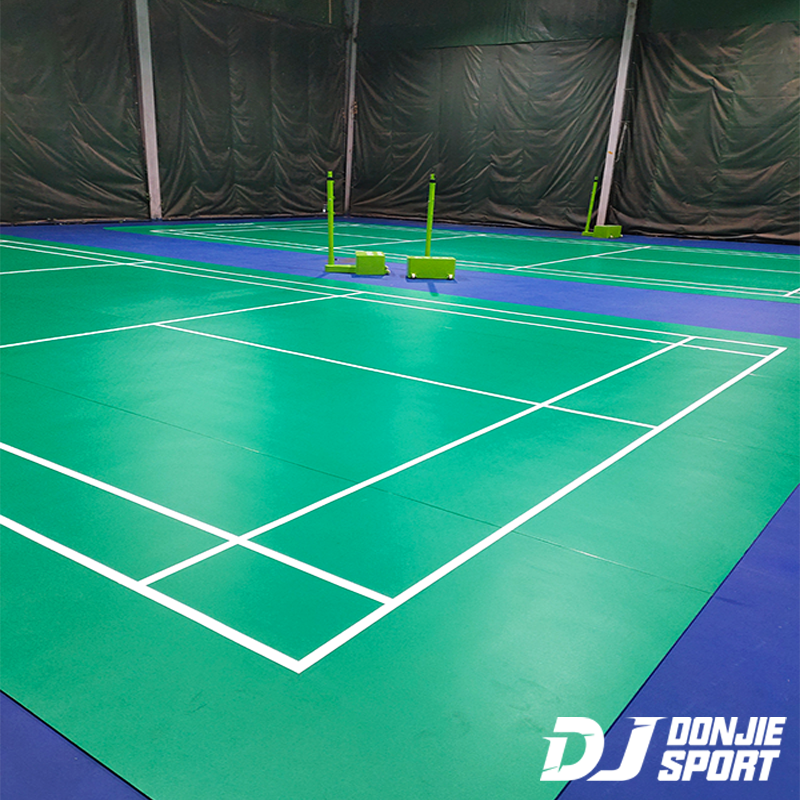
Installing Badminton Court Flooring
Proper installation is key to ensuring the longevity and performance of your Badminton Court Flooring. Professional installation is often recommended to ensure the flooring is laid correctly and aligned with safety standards. However, for smaller venues or budget-conscious projects, DIY installation may be an option with some flooring types like vinyl or interlocking tiles.
Conclusion
Choosing the right Badminton Court Flooring is essential for providing players with a safe and comfortable environment. Whether you go for PVC, rubber, wood, or synthetic options, each material offers unique benefits depending on your specific needs and budget. Consider the factors discussed in this article, and you’ll be well on your way to creating the perfect badminton court surface for your venue.
When it comes to selecting the right material, remember that durability, shock absorption, slip resistance, and maintenance requirements are the top priorities. With the right flooring in place, your venue will not only meet the demands of players but also stand the test of time.