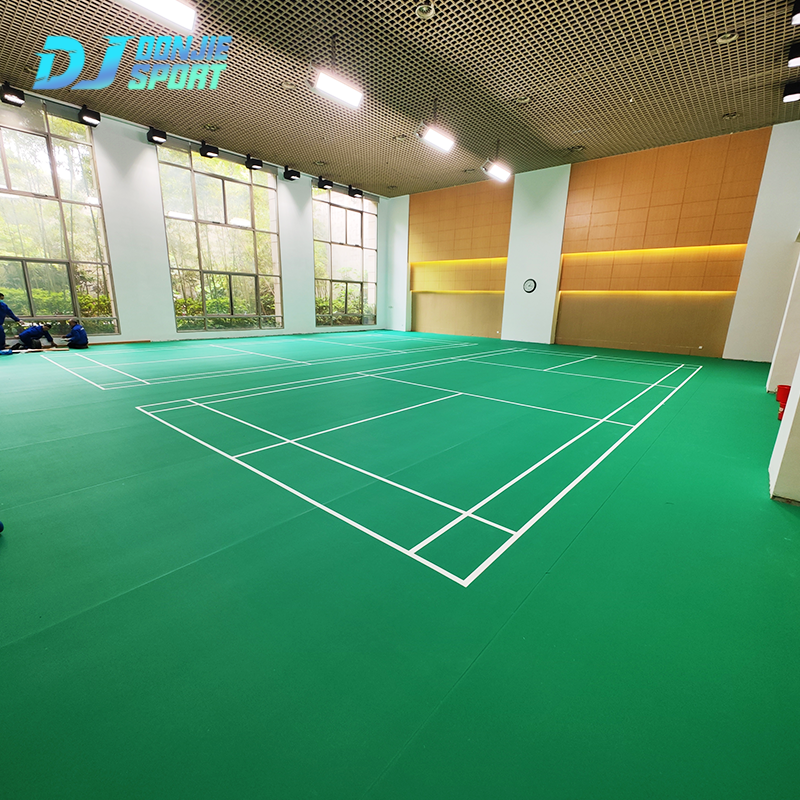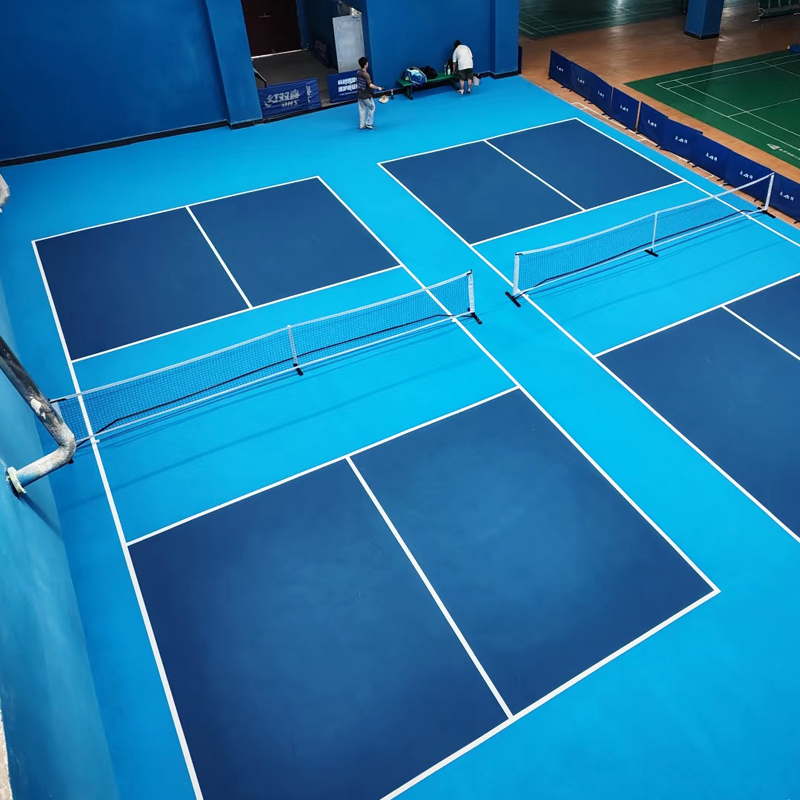
Badminton Court Flooring Installation is a critical process that directly affects player safety, game performance, and the overall lifespan of the court. Unlike general sports flooring, badminton court flooring must meet specific standards related to grip, shock absorption, and surface uniformity. A smooth installation process ensures that the flooring performs as designed under competitive and recreational use.
High-quality Badminton Court Flooring Installation minimizes the risk of injuries such as slips, joint strain, and muscle fatigue. It also ensures consistent shuttle movement and reliable footwork response, which are essential for fair play and professional-level matches.
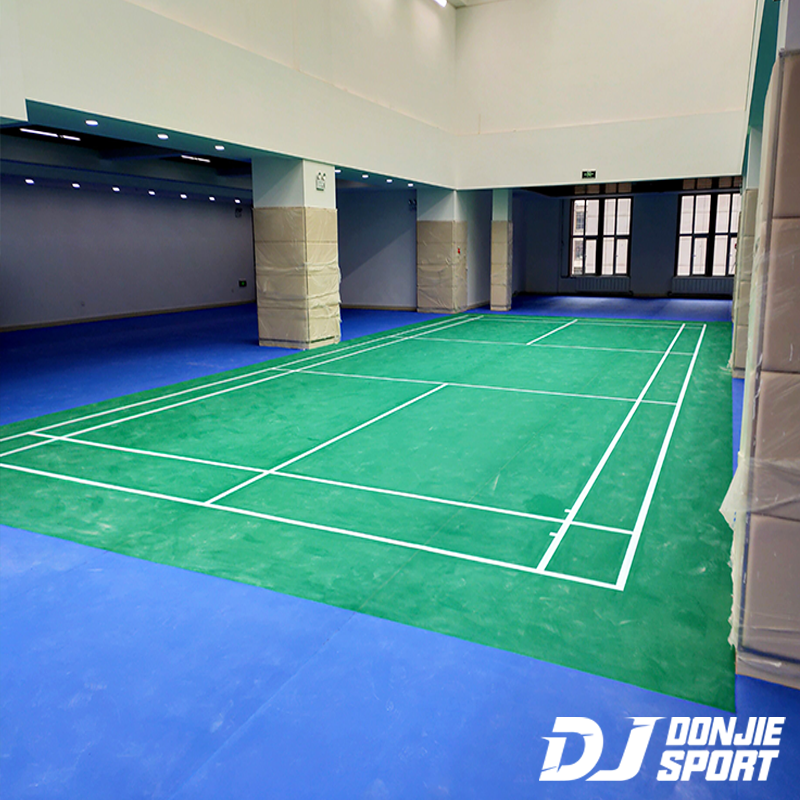
Planning Ahead for a Successful Badminton Court Flooring Installation
Proper planning is the foundation of any successful Badminton Court Flooring Installation. Before installation begins, it is important to assess how the court will be used. Courts designed for professional tournaments require different flooring specifications compared to school gyms or community centers.
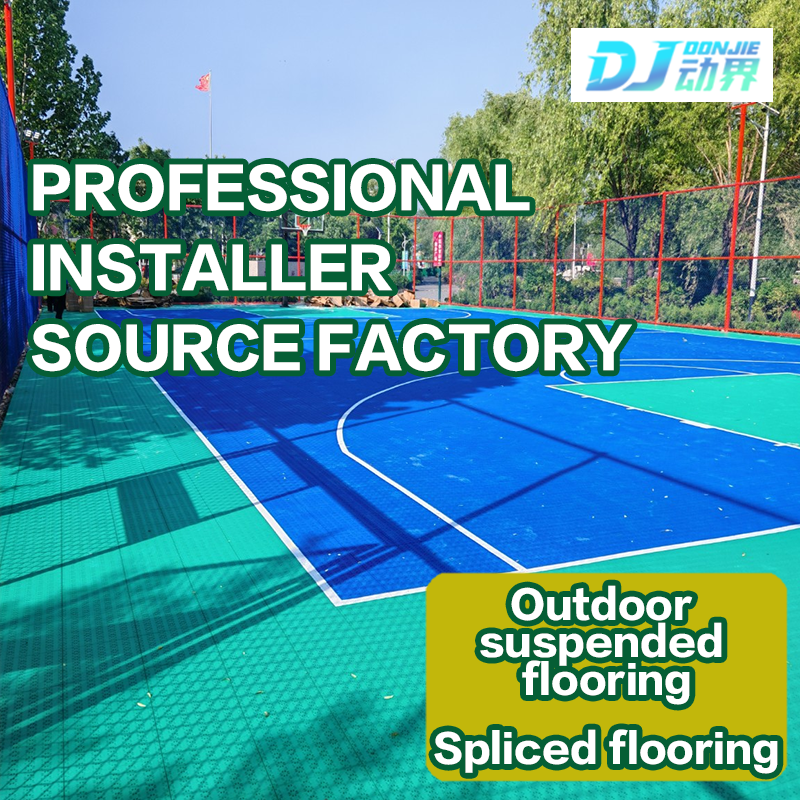
Indoor Badminton Court Flooring Installation focuses on controlled environmental conditions, while outdoor installations must account for weather exposure, temperature fluctuations, and UV resistance. Selecting the right Badminton Court Flooring material at this stage prevents costly modifications later and ensures long-term satisfaction.
Preparing the Subfloor Before Installing Badminton Court Flooring
Subfloor preparation plays a decisive role in Badminton Court Flooring Installation. A poorly prepared base can lead to uneven surfaces, premature wear, and adhesive failure. The subfloor must be clean, dry, smooth, and structurally sound before any flooring material is applied.
Concrete subfloors are commonly used for Badminton Court Flooring Installation and must be leveled precisely. Moisture testing is essential, as excess moisture can weaken adhesives and cause flooring deformation. Dust, oil, and debris must be removed to guarantee strong bonding and a flawless finish.
Selecting the Ideal Badminton Court Flooring System
Choosing the correct Badminton Court Flooring system is essential for installation success. PVC Badminton Court Flooring Installation is popular due to its consistent grip, shock absorption, and ease of maintenance. It is well-suited for both training and competition environments.
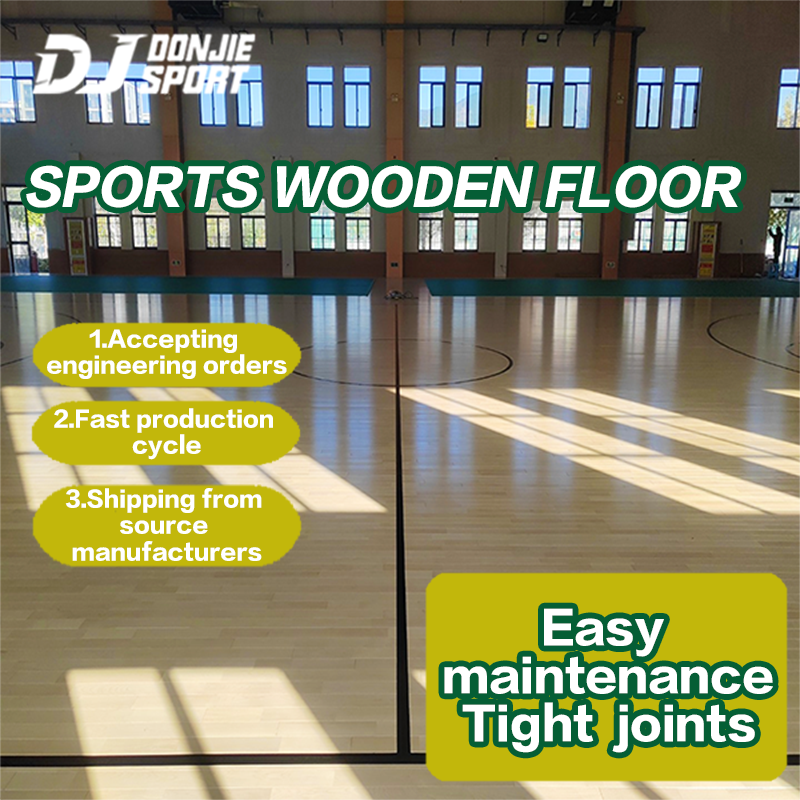
Wooden Badminton Court Flooring Installation requires more technical expertise and precise subfloor conditions. While it offers a classic aesthetic and excellent performance, it demands strict humidity control and professional handling. Synthetic and modular Badminton Court Flooring options provide flexibility and faster installation, making them suitable for multi-purpose facilities.
Step-by-Step Badminton Court Flooring Installation Process
The Badminton Court Flooring Installation process begins with accurate court layout marking. Precise measurements ensure that boundary lines, service areas, and center markings meet official badminton standards.
Adhesives or fixation systems must be applied evenly to prevent air pockets and surface irregularities. During installation, each section of Badminton Court Flooring should be aligned carefully to maintain uniform texture and appearance. After installation, sufficient curing time is essential before allowing foot traffic or equipment placement.
Avoiding Common Mistakes During Badminton Court Flooring Installation
Many issues during Badminton Court Flooring Installation arise from rushed preparation or overlooked environmental factors. Installing flooring on an uneven or damp subfloor can lead to long-term structural problems.
Temperature and humidity should be monitored closely, as they influence adhesive performance and material expansion. Incorrect line marking is another frequent error that affects playability and compliance with official standards. Attention to detail at every stage helps avoid costly corrections.
Post-Installation Inspection and Quality Control
After Badminton Court Flooring Installation is complete, thorough inspection ensures that the surface meets performance expectations. Shock absorption and slip resistance should be tested to confirm player safety.
Surface flatness and seam integrity must be checked to eliminate tripping hazards. Accurate court line placement ensures the court is ready for competitive use. A final quality control checklist guarantees that the Badminton Court Flooring is fully functional and visually consistent.
Maintenance Tips After Badminton Court Flooring Installation
Proper care immediately after Badminton Court Flooring Installation helps protect the surface during its most vulnerable period. Avoid heavy use during the initial curing phase and follow manufacturer guidelines for cleaning.
Long-term maintenance includes regular dust removal, controlled cleaning solutions, and periodic inspections. Well-maintained Badminton Court Flooring retains its performance characteristics and appearance for many years, reducing replacement costs.
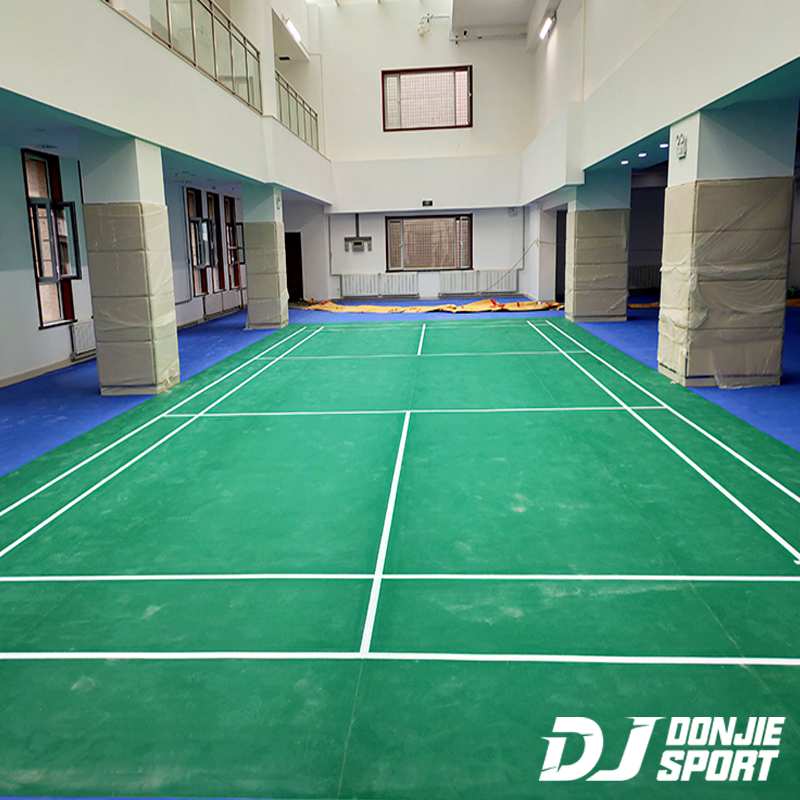
Professional Installation vs DIY Badminton Court Flooring
While some facilities consider DIY Badminton Court Flooring Installation, professional installation offers clear advantages. Experienced installers understand material behavior, environmental requirements, and technical standards.
Professional Badminton Court Flooring Installation reduces installation errors, ensures warranty compliance, and delivers consistent results. Although initial costs may be higher, professional installation often proves more cost-effective over the court’s lifetime.
Final Thoughts on Achieving a Smooth Badminton Court Flooring Installation
A smooth Badminton Court Flooring Installation requires careful planning, proper material selection, precise execution, and ongoing maintenance. Each step contributes to the safety, durability, and performance of the court. Investing time and resources into correct installation ensures that the Badminton Court Flooring delivers long-term value and a superior playing experience.