Choosing the right badminton court flooring is crucial for enhancing the performance of players and ensuring the durability and safety of the court. Whether you’re building a new badminton facility or upgrading an existing one, the flooring you select will play a significant role in both player experience and long-term maintenance costs. There are a variety of badminton court flooring options available, each with its unique benefits and considerations. This guide will explore these flooring options in detail to help you make an informed decision on what’s best for your space.
Types of Badminton Court Flooring
Wooden Flooring: The Classic Choice
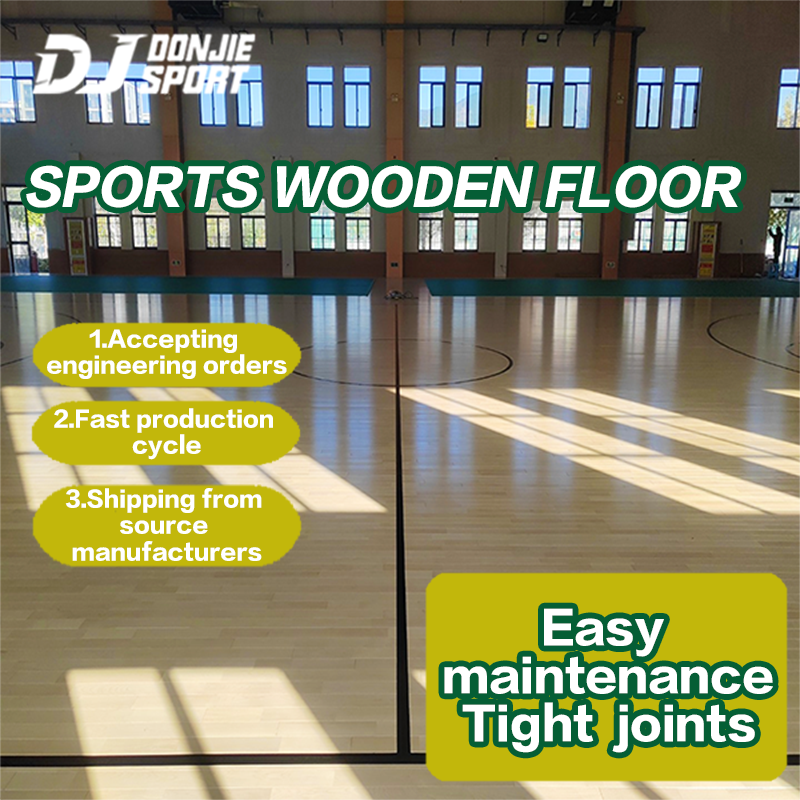
Wooden flooring is often considered the traditional and premium option for indoor badminton courts. It offers a smooth, consistent surface that provides excellent traction for players, making it ideal for professional-level play.
Pros and Cons of Wooden Flooring
-
Pros: Provides excellent grip, shock absorption, and a high-quality feel underfoot. It’s aesthetically pleasing, making it a great choice for sports arenas and high-end facilities.
-
Cons: Wooden floors require regular maintenance, including sanding, sealing, and refinishing over time. They can be more expensive than other options and are vulnerable to damage from moisture.
Ideal Environments for Wooden Flooring
Wooden flooring works best in indoor environments with controlled temperature and humidity. It is not suitable for outdoor courts due to its susceptibility to warping and deterioration from moisture exposure.
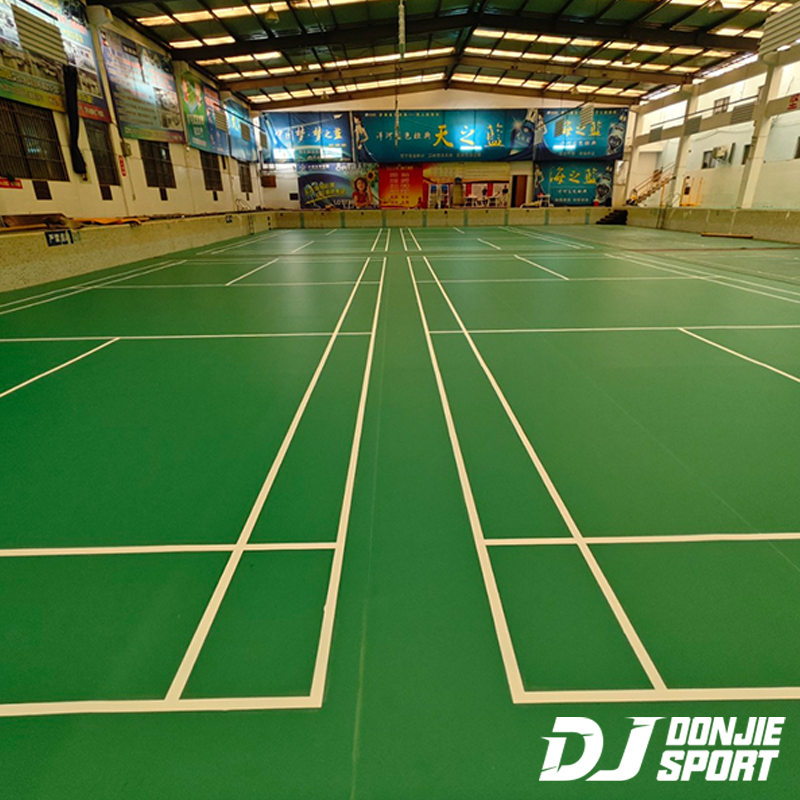
Synthetic Flooring: Durable and Cost-Effective
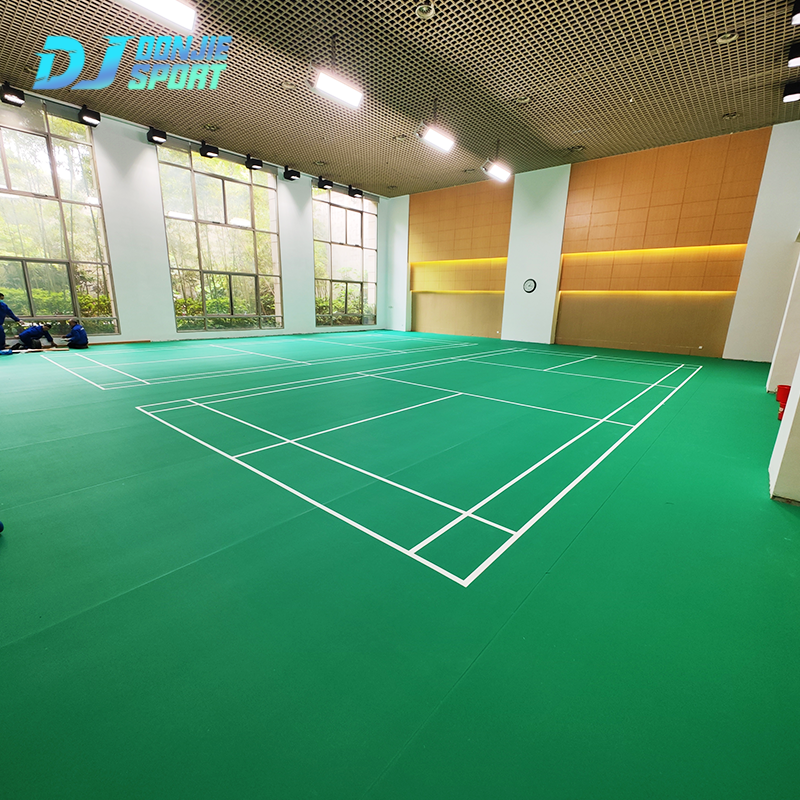
Synthetic flooring for badminton courts is designed to offer high performance while being budget-friendly and low-maintenance. Made from materials like polyurethane or vinyl, synthetic flooring provides a cushioned surface with excellent durability, making it a top choice for schools, sports complexes, and recreational centers.
Benefits of Synthetic Flooring
-
Durability: Synthetic floors are highly resistant to wear and tear, making them ideal for high-traffic areas.
-
Low Maintenance: Unlike wooden floors, synthetic options don’t require periodic refinishing. They are easy to clean and maintain, requiring only regular sweeping and occasional mopping.
-
Cost-Effective: Generally, synthetic floors are more affordable than wooden floors, making them a good option for those on a budget.
Common Materials Used in Synthetic Flooring
Synthetic flooring options come in various forms, including rubber, PVC, and polyurethane, each offering a slightly different combination of durability and cushioning.
PVC Flooring: Affordable and Versatile
PVC flooring for badminton courts has gained popularity due to its affordability and versatility. This flooring option is often used in both commercial and residential settings because of its long-lasting nature and ease of installation.
Why PVC is a Popular Choice
PVC flooring is durable, moisture-resistant, and can handle high levels of traffic, making it a great choice for multi-purpose spaces. It provides sufficient cushioning to protect players’ joints, while its smooth surface allows for quick foot movement.
How PVC Flooring Compares to Other Options
While not as premium as wood, PVC flooring offers an excellent balance of performance and price. It may not provide the same luxurious feel as hardwood floors, but it is often more than enough for casual or semi-professional play.
Rubber Flooring: High Performance and Safety
Rubber flooring is a high-performance option that prioritizes safety and comfort. It’s an excellent choice for venues that prioritize player safety, as it reduces the risk of injuries due to its excellent shock absorption qualities.
Rubber Flooring Features and Advantages
-
Shock Absorption: Rubber flooring excels at absorbing impact, which reduces stress on joints and muscles during intense play.
-
Slip Resistance: Rubber’s natural texture provides excellent grip, making it safer for players and reducing the risk of slips and falls.
-
Durability: Rubber floors are highly resistant to damage and can handle significant wear over time without showing signs of deterioration.
When to Choose Rubber Flooring
Rubber flooring is ideal for spaces where safety and comfort are paramount, such as community centers, schools, or multi-purpose sports halls. However, it may not provide the same aesthetic appeal as wood or synthetic flooring options.
Key Considerations in Choosing the Right Flooring
Budget: How Much Should You Spend on Badminton Court Flooring?
The cost of badminton court flooring can vary significantly depending on the material chosen. Wooden flooring is the most expensive option, while PVC and rubber flooring tend to be more budget-friendly. Be sure to factor in the long-term costs as well, including maintenance, installation, and potential replacements.
Durability and Maintenance
The lifespan of your flooring will largely depend on the material chosen. While wooden floors offer an unmatched playing experience, they require ongoing maintenance to preserve their quality. In contrast, synthetic and PVC flooring options tend to be lower maintenance, requiring less frequent upkeep.
Performance: How Flooring Affects Player Performance
Different flooring materials have a direct impact on player performance. Wooden floors provide excellent traction and cushioning, which is crucial for professional play. Synthetic and PVC flooring offer a consistent surface that ensures fast foot movements and good grip. When choosing your flooring, consider how it will affect the overall playing experience.
Grip and Traction for Safe Play
For badminton, proper grip is essential to prevent injuries. Flooring options like wooden and rubber floors typically provide the best traction. On the other hand, PVC and synthetic flooring might require additional considerations, like surface texture or a non-slip coating, to ensure safe play.
Cushioning and Shock Absorption for Comfort
Shock absorption is an important factor, especially for players who engage in intense, high-impact movement. Rubber and synthetic floors offer superior shock absorption, making them ideal for players who need extra joint protection. Wooden floors can provide a balance of comfort and performance but may not offer as much cushioning as rubber.
Installation Process: What You Need to Know
DIY Installation vs. Professional Help
While PVC flooring can often be installed by a DIY enthusiast, wooden and synthetic floors generally require professional installation to ensure the best results. Improper installation can affect the flooring’s performance, durability, and longevity.
Timeframe for Installing Your Court Flooring
Installation times can vary. PVC and synthetic flooring can be installed quickly, typically within a few days, while wooden flooring may take longer due to the need for proper acclimatization and finishing.
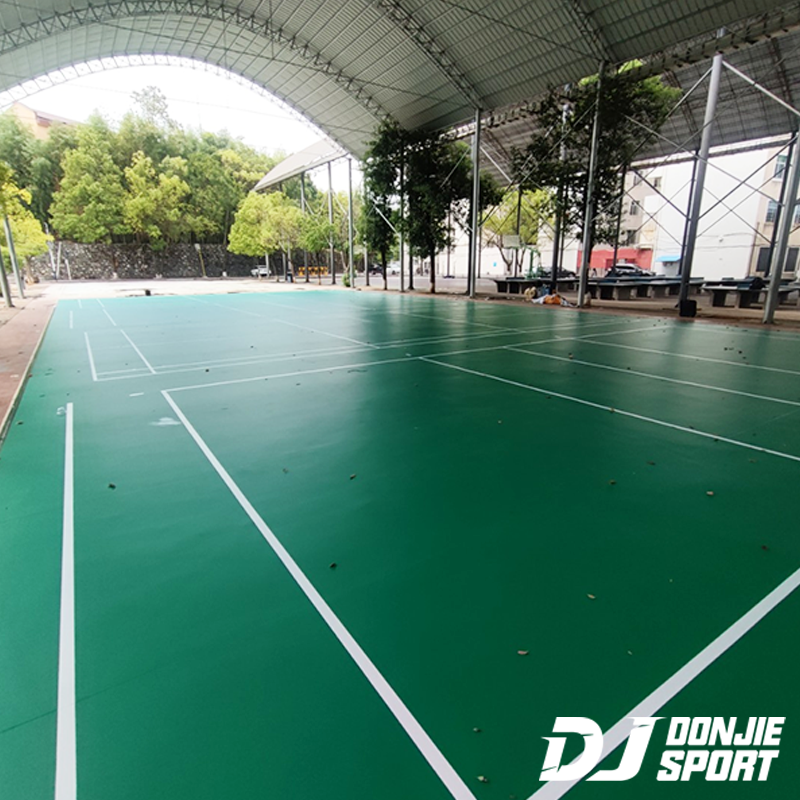
Environmental Factors That Influence Flooring Choice
Indoor vs. Outdoor Badminton Courts
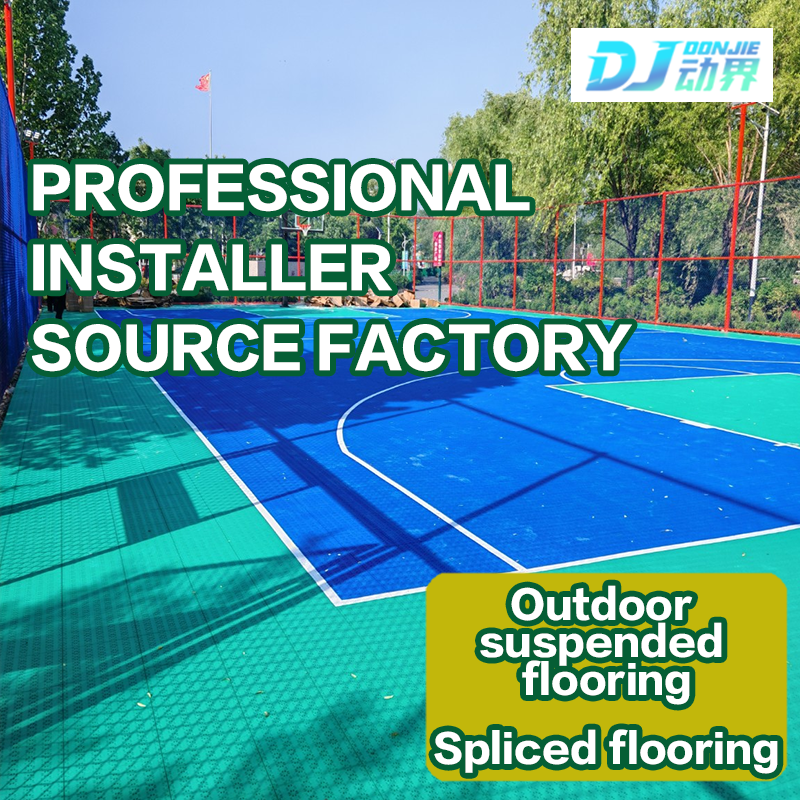
For indoor courts, you have a wider range of flooring options available, from wooden to synthetic materials. For outdoor courts, however, PVC and rubber flooring are better suited because of their resilience against the elements.
Climate Considerations for Outdoor Flooring
If you’re installing flooring for an outdoor badminton court, be mindful of the climate in your area. Moisture and temperature fluctuations can damage flooring materials like wood, making synthetic options like PVC a more practical choice.
How Flooring Holds Up Against Humidity and Temperature Fluctuations
Materials like wooden floors are susceptible to changes in humidity and temperature, leading to expansion or contraction. PVC and synthetic floors, on the other hand, maintain their integrity regardless of environmental changes, making them ideal for variable climates.
Conclusion
Choosing the right badminton court flooring for your space requires careful consideration of several factors, including budget, durability, performance, and maintenance needs. Whether you opt for the classic elegance of wooden flooring, the affordability of PVC, or the high-performance benefits of rubber, each option has its own set of advantages. Ultimately, selecting the right badminton court flooring comes down to your specific needs and the environment in which your court is located.