When planning a badminton court, one of the most critical decisions is selecting the right flooring material while staying within budget. Understanding badminton court flooring price differences helps facility owners, schools, gyms, and sports clubs make informed choices. Each flooring material offers unique performance characteristics, installation requirements, and maintenance demands that directly impact overall cost.
Rather than focusing only on initial purchase price, a smart comparison of badminton court flooring price considers durability, lifespan, safety, and long-term value. This article provides a comprehensive comparison of common flooring materials to help identify the most affordable option for your specific needs.
Why Badminton Court Flooring Price Varies by Material
Badminton court flooring price varies significantly because different materials are designed for different playing environments and performance standards. Professional tournament courts prioritize shock absorption and grip, while recreational courts may focus on affordability and easy maintenance.
Material composition, manufacturing technology, thickness, surface treatment, and compliance with sports standards all influence pricing. Additionally, transportation, installation complexity, and subfloor preparation contribute to variations in badminton court flooring price across materials.
Key Factors That Influence Badminton Court Flooring Price
Several key factors determine the final badminton court flooring price beyond the base material cost. These include floor thickness, wear layer quality, shock absorption capability, and slip resistance. Higher performance specifications typically result in higher prices.
Installation method also plays a major role. Flooring systems that require adhesives, leveling compounds, or professional labor increase total cost. Maintenance frequency, repair expenses, and expected lifespan should always be included when comparing badminton court flooring price options.
PVC Badminton Court Flooring Price and Cost Efficiency
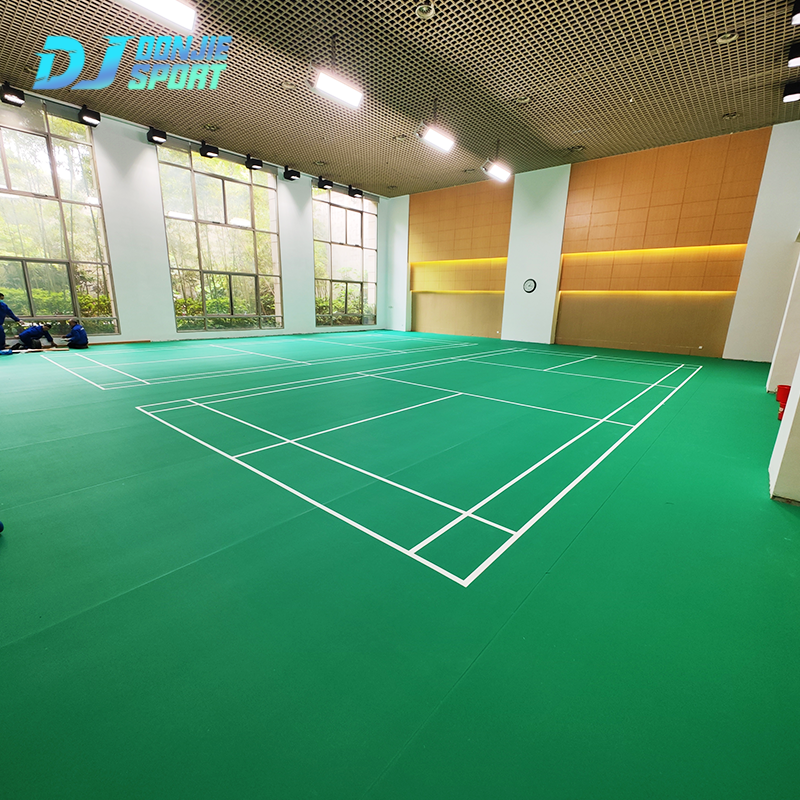
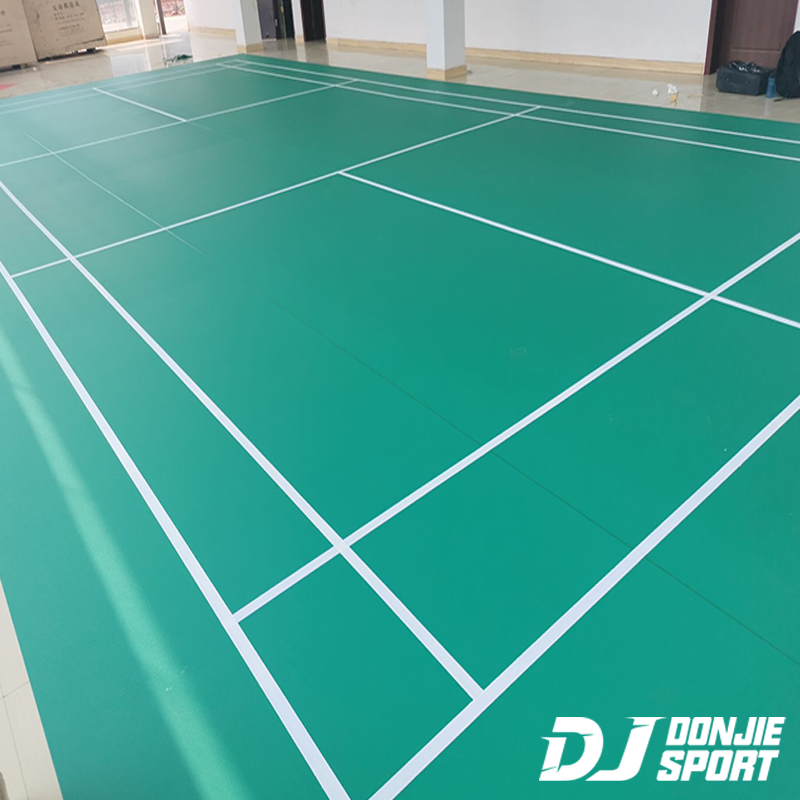
PVC flooring is widely regarded as one of the most cost-effective solutions when evaluating badminton court flooring price. It offers excellent shock absorption, consistent ball bounce, and strong grip at a relatively moderate price point.
PVC badminton court flooring price is usually lower than wooden systems while delivering professional-level performance. Its ease of installation and low maintenance requirements further reduce long-term costs, making it a popular choice for schools, training centers, and commercial sports venues.
Wooden Badminton Court Flooring Price for Professional Courts
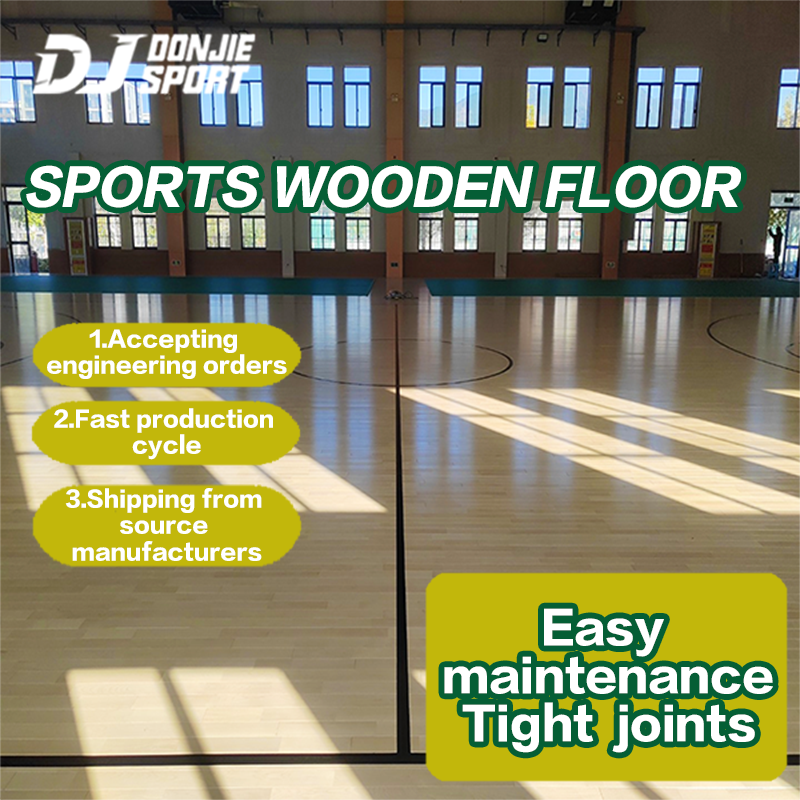
Wooden flooring remains a premium option in badminton facilities, especially for international-level competition courts. However, badminton court flooring price for wood is among the highest due to material cost, complex installation, and ongoing maintenance.
Solid or engineered wood systems require precise subfloor construction and regular refinishing. While wooden flooring delivers unmatched aesthetics and traditional playing feel, it may not be the most affordable option for budget-conscious projects.
Synthetic Badminton Court Flooring Price vs Performance Value
Synthetic badminton court flooring price typically sits between PVC and wooden systems. These floors are engineered to mimic professional playing characteristics while offering improved durability and lower maintenance demands.
Although the initial badminton court flooring price for synthetic materials may be slightly higher than basic PVC, the extended lifespan and reduced upkeep costs often result in better overall value. This makes synthetic flooring an attractive mid-range option.
Badminton Court Rubber Flooring Price for Multi-Purpose Use
Rubber flooring is commonly used in multi-purpose sports halls rather than dedicated badminton courts. The badminton court flooring price for rubber is generally affordable, especially for facilities hosting multiple activities.
However, rubber flooring may lack the precise ball response and surface grip required for competitive badminton. While cost-effective, it is better suited for recreational use rather than performance-focused environments.
Badminton Court Interlocking Tiles Price and Installation Savings
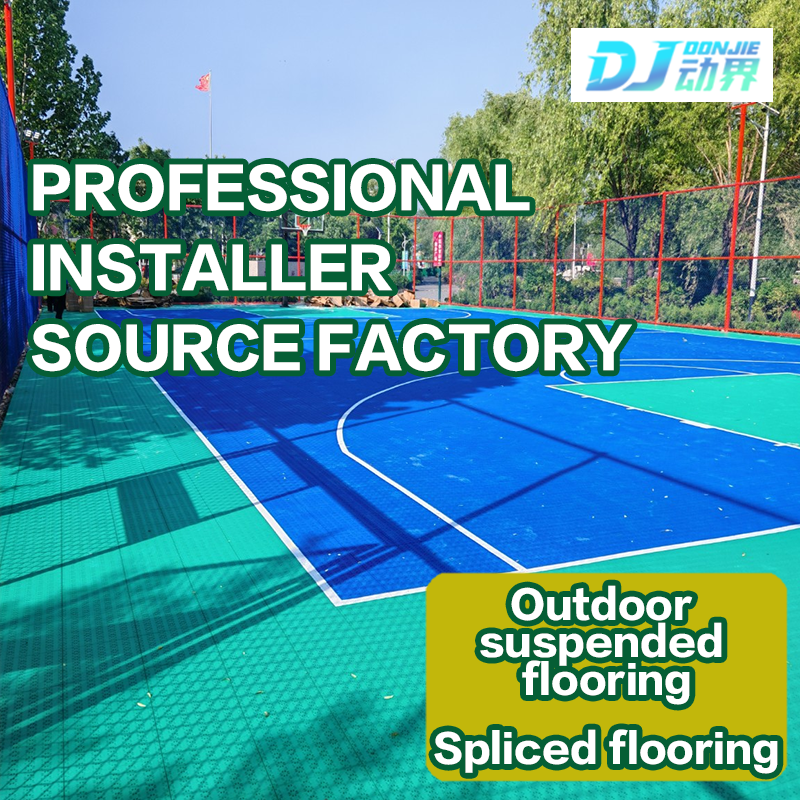
Interlocking tiles offer one of the lowest entry points when comparing badminton court flooring price. Their modular design allows for quick installation without adhesives, significantly reducing labor costs.
While interlocking tiles are affordable and easy to replace, they may not meet professional badminton performance standards. This option is ideal for temporary courts, outdoor setups, or community spaces seeking budget-friendly solutions.
Comparing Indoor and Outdoor Badminton Court Flooring Price
Indoor badminton court flooring price is typically lower than outdoor solutions due to reduced weather resistance requirements. Outdoor flooring must withstand UV exposure, moisture, and temperature changes, increasing material and manufacturing costs.
Facilities planning outdoor courts should factor in higher badminton court flooring price alongside reduced maintenance needs compared to indoor wooden systems.
Long-Term Maintenance Costs and Badminton Court Flooring Price
Maintenance plays a crucial role in determining the true badminton court flooring price over time. Flooring with frequent cleaning, resurfacing, or refinishing needs will incur higher lifetime costs.
PVC and synthetic flooring systems usually offer the lowest maintenance expenses, while wooden floors demand consistent care. Evaluating long-term costs helps identify the most affordable solution beyond initial pricing.
Badminton Court Flooring Price Comparison Table by Material
When comparing badminton court flooring price, PVC and interlocking tiles rank as the most affordable options upfront. Rubber flooring follows closely, while synthetic systems provide a balance between cost and performance. Wooden flooring remains the most expensive choice due to installation and maintenance demands.
This comparison highlights the importance of aligning flooring selection with usage frequency, skill level, and budget constraints.
Which Badminton Court Flooring Price Option Is Best for Your Budget
The most affordable badminton court flooring price depends on how the court will be used. For training facilities and schools, PVC flooring offers excellent value. Recreational spaces may benefit from rubber or interlocking tiles, while professional venues may justify higher wooden flooring costs.
Choosing the right balance between price and performance ensures maximum return on investment.
Common Mistakes That Increase Badminton Court Flooring Price
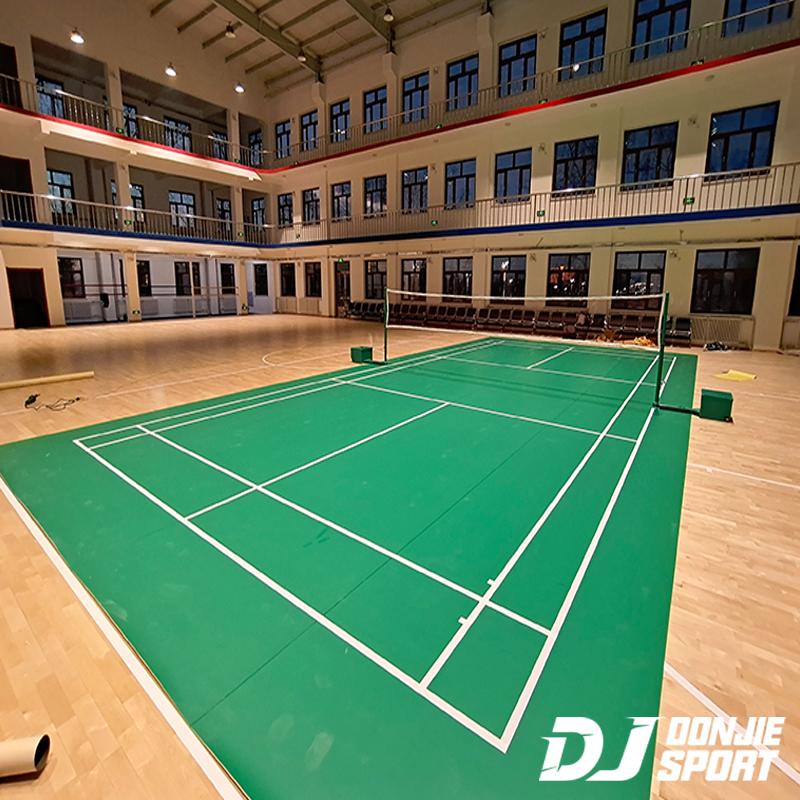
Common mistakes include overlooking subfloor preparation, choosing unsuitable materials for usage intensity, and ignoring long-term maintenance requirements. These errors can significantly increase badminton court flooring price over time.
Proper planning and expert consultation help avoid unnecessary expenses and ensure optimal flooring performance.
How to Reduce Badminton Court Flooring Price Without Sacrificing Quality
Reducing badminton court flooring price is possible by selecting standardized materials, optimizing court size, and choosing experienced installers. Investing in durable materials with low maintenance needs also lowers lifetime costs.
Bulk purchasing and working with reliable suppliers can further improve pricing efficiency.
Final Thoughts on Choosing the Most Affordable Badminton Court Flooring Price
Selecting the most affordable badminton court flooring price requires a comprehensive evaluation of material cost, installation complexity, durability, and maintenance. PVC flooring consistently stands out as the most cost-effective solution for most applications, while synthetic and wooden systems serve specific performance needs.