When setting up a professional or recreational badminton court, one of the most important decisions you’ll make is choosing the right flooring. The quality and type of flooring can significantly affect gameplay, safety, and maintenance. But alongside these considerations, price is always a determining factor. Understanding Badminton Court Flooring Price before purchasing is crucial for ensuring that you not only get a good deal but also select a flooring option that meets your needs in terms of performance and longevity.
In this article, we’ll break down the different factors that influence badminton court flooring prices, offer a comparison of materials, and help you make an informed decision. Whether you’re outfitting a new gym or upgrading an existing court, knowing what to expect in terms of cost will ensure that you stay within budget while investing in quality flooring that performs well on the court.
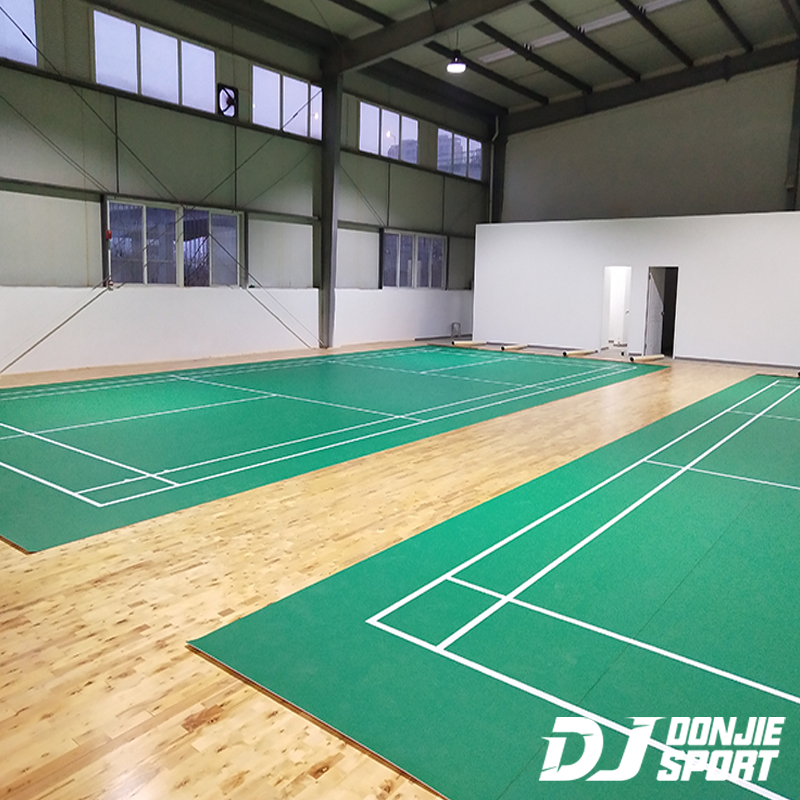
Types of Badminton Court Flooring and Their Price Range
Choosing the right badminton court flooring is not just about aesthetics or comfort; the material you select will have a direct impact on both the price and the performance of the court. Below are the most common types of flooring, along with their typical price ranges:
PVC Flooring
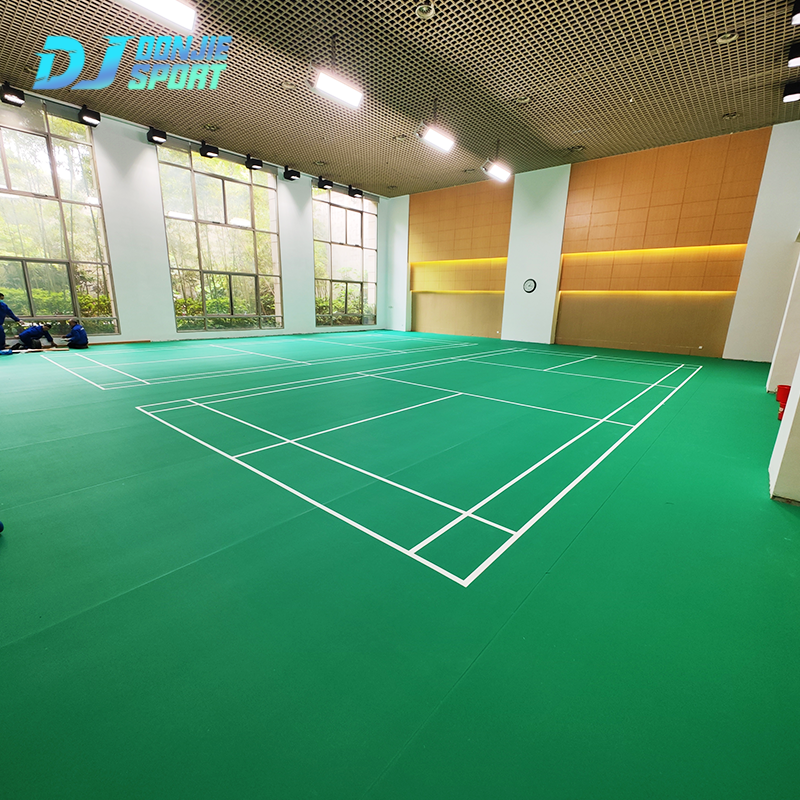
PVC flooring is a popular choice for indoor badminton courts because of its durability, comfort, and relatively low cost. It is available in various thicknesses and finishes, offering flexibility for both professional and recreational courts.
-
Price Range: Typically priced between $3 to $6 per square foot, PVC flooring is a cost-effective option for many gyms and sports facilities.
-
Benefits: Provides excellent grip, reduces injuries, and is easy to maintain. Ideal for multi-purpose indoor spaces.
Wooden Flooring
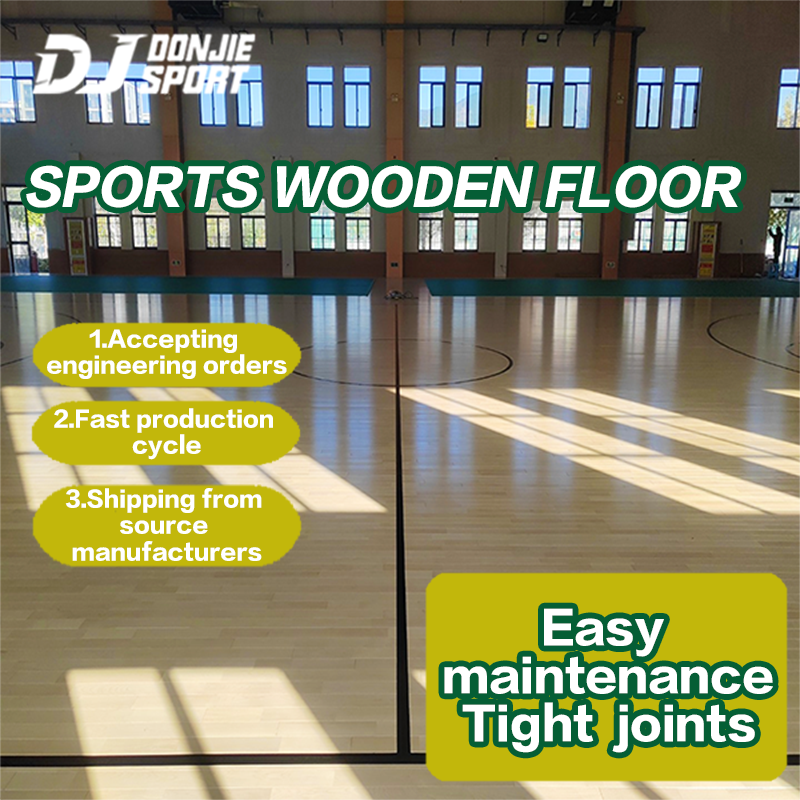
Wooden floors are often considered the gold standard for indoor badminton courts. They provide a premium playing surface that ensures a consistent bounce of the shuttlecock, which is critical for competitive play.
-
Price Range: High-quality wooden flooring can range from $6 to $12 per square foot, with certain premium brands or customized designs pushing the cost higher.
-
Benefits: Offers a natural, responsive feel and is known for its long-term durability. However, it requires more maintenance and regular refinishing.
Rubber Flooring
Rubber flooring is commonly used in multi-sport courts and is a budget-friendly option for non-professional badminton courts. It’s a resilient material that offers cushioning and protection against joint strain.
-
Price Range: Generally ranges from $2 to $4 per square foot.
-
Benefits: Affordable, easy to install, and provides decent shock absorption, though it doesn’t offer the same high-performance qualities as wood or PVC.
Vinyl Flooring
Vinyl flooring offers a good middle ground between durability and cost. It’s popular for both commercial and residential courts, providing a resilient and smooth playing surface.
-
Price Range: Prices usually fall between $4 and $7 per square foot.
-
Benefits: Resistant to wear and tear, relatively easy to clean, and offers excellent slip resistance.
Specialized Court Mats
For those who need portability or plan to set up temporary courts, badminton court mats are a convenient option. These mats can be rolled up and stored when not in use.
-
Price Range: These mats typically cost between $8 and $15 per square foot, depending on thickness and quality.
-
Benefits: Easy to install and move, suitable for short-term use or recreational purposes, but not as durable as permanent flooring solutions.
Factors That Affect Badminton Court Flooring Price
When assessing badminton court flooring price, several factors come into play that can impact the final cost of your flooring project.
Material Quality
The quality of the material used is the biggest factor affecting the price. Higher-quality materials such as premium wood or thicker PVC sheets will naturally increase the overall cost. Be sure to consider the specific needs of your court—if you’re setting up a professional facility, the extra investment in high-quality materials is often worth it for performance and durability.
Brand and Manufacturer
Brand recognition and the reputation of the manufacturer can also affect pricing. Well-known brands often provide better warranties and a higher level of service, but they come at a premium price. However, lesser-known manufacturers may offer comparable quality at a lower cost, so it’s important to balance brand value with overall quality.
Durability and Longevity
Flooring that can withstand heavy foot traffic and is resistant to wear and tear generally costs more. If you’re investing in a court that will be in use for years, it’s worth paying extra for durable options that require fewer repairs and maintenance over time.
Installation Costs
Professional installation can cost between $1 to $3 per square foot, depending on the complexity of the job. In some cases, DIY installation is possible, especially for easier-to-install options like mats or PVC flooring. However, improper installation could affect the flooring’s performance, making professional installation a worthwhile investment.
Maintenance Needs
Flooring that requires extensive maintenance—such as wooden floors, which may need periodic sanding and refinishing—could be more expensive over time. Conversely, materials like PVC or vinyl often require less maintenance and are easier to clean, reducing long-term costs.
Choosing the Right Flooring Based on Budget
Selecting the right badminton court flooring depends largely on your budget and the intended use of the court. Here’s how to make the best choice based on different price points.
For Budget-Friendly Options
If you’re working with a tight budget, PVC and rubber flooring are the most cost-effective choices. While they don’t offer the same premium feel as wood, they are still suitable for recreational or semi-professional use. These options will keep initial costs down while providing a solid playing surface.
Mid-Range Flooring Options
If your budget allows for a bit more flexibility, vinyl and mid-range wooden flooring options are ideal. Vinyl flooring is affordable, durable, and performs well in both amateur and professional settings. On the other hand, mid-tier wooden floors offer a more premium feel and are suitable for high-traffic courts where performance matters.
Premium Flooring Solutions
For those seeking the best quality for professional play, high-end wooden flooring or specialized badminton court mats provide the best experience in terms of bounce, grip, and longevity. Although these materials are expensive, they offer the durability and performance required for elite players.
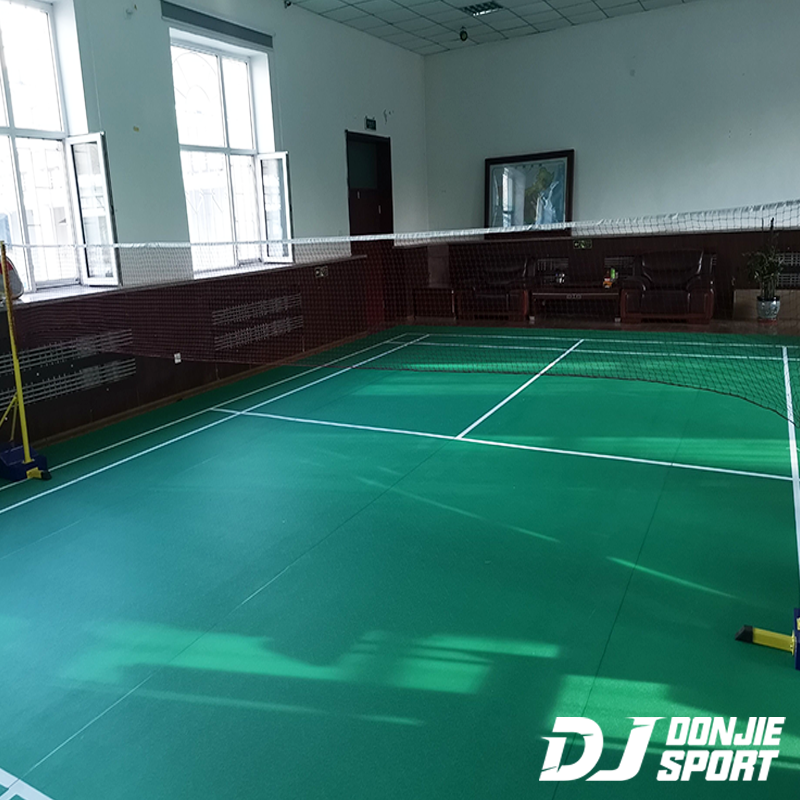
Hidden Costs When Purchasing Badminton Court Flooring
While the price per square foot is a major consideration, there are several additional costs that might not be immediately apparent:
Delivery and Shipping Fees
Shipping can sometimes add significant costs to your flooring project, especially for larger or heavier materials. Be sure to factor in delivery charges when comparing prices across different suppliers.
Customization Costs
Custom flooring designs, such as logos or branding, can add to the overall cost. If your court needs specialized designs, be prepared for additional charges.
Long-Term Costs
While certain types of flooring may have lower upfront costs, they could require more frequent replacement or maintenance. Wooden floors, for instance, need refinishing and can get damaged over time, making long-term upkeep more expensive. On the other hand, PVC and vinyl offer lower ongoing costs and last longer with less maintenance.
Price Comparison and What’s Best for You
When it comes to comparing prices, consider the long-term value and overall performance of the flooring. Here are a few tips to help you make the best decision:
Comparing Prices from Different Suppliers
Prices can vary significantly between suppliers. Be sure to compare quotes, keeping in mind that cheaper options might not always offer the best value in terms of quality and durability.
Local vs International Suppliers
Purchasing from local suppliers may reduce shipping fees and offer quicker delivery times. However, international suppliers may offer more competitive pricing or exclusive brands. Weigh these factors when deciding where to purchase your flooring.
Warranty and Guarantees
Consider flooring options that offer warranties or guarantees. Flooring with extended warranties can help you avoid unexpected costs down the road if any issues arise with the material.
Conclusion
In conclusion, understanding Badminton Court Flooring Price is essential for making an informed purchasing decision. With numerous types of flooring available, ranging from affordable PVC to premium wood and specialized mats, your choice should align with both your budget and performance needs. By considering material quality, installation costs, durability, and long-term maintenance, you can find a solution that balances cost-effectiveness with high-quality performance.
Choosing the right flooring is an investment that will affect the playability and longevity of your badminton court, so take your time to weigh the options carefully. Whether you’re setting up a casual recreational space or a professional facility, there’s a perfect flooring solution out there for you.