Choosing the right flooring for a badminton court is more than just a matter of aesthetics or comfort—it directly impacts player performance, safety, and the overall longevity of the facility. Whether you are planning a professional sports hall, a school gym, or a recreational badminton area, understanding badminton court flooring prices is essential for budgeting and making informed decisions. Prices can vary significantly depending on the type of flooring, materials used, installation complexity, and other key factors. In this guide, we will break down the main considerations that affect cost, helping you select the flooring that provides both quality and value.
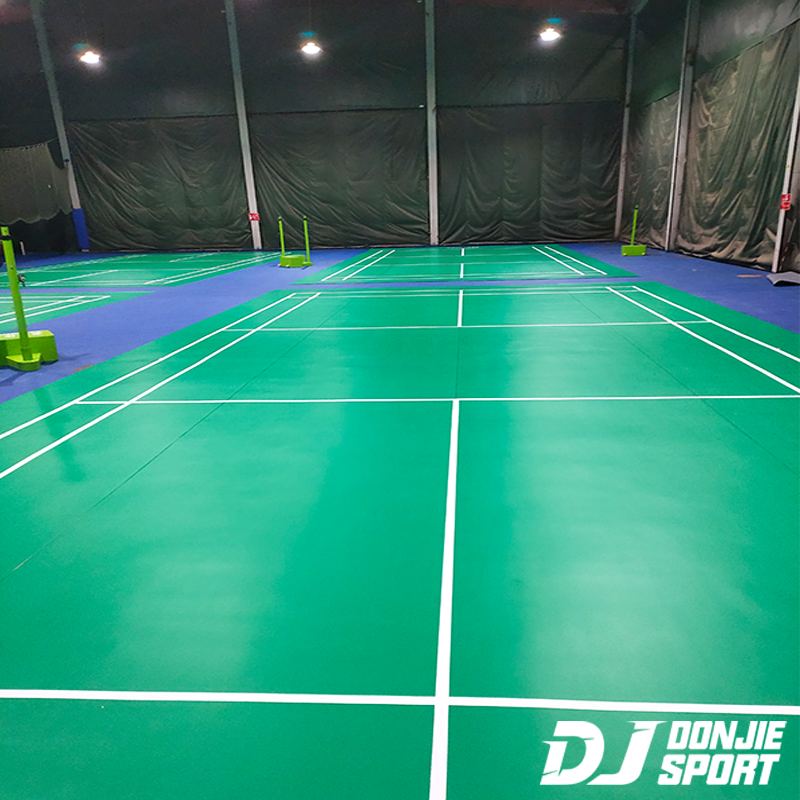
Understanding Badminton Court Flooring Types and Their Costs
Wooden Flooring for Badminton Courts
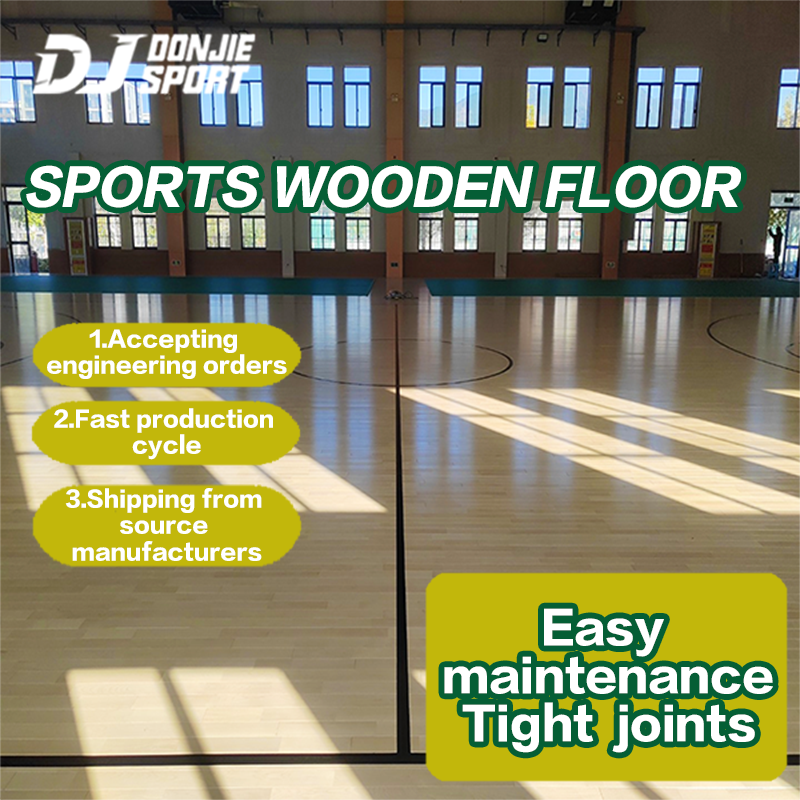
Wooden flooring remains the classic choice for professional badminton courts, especially in international competitions. High-quality hardwood such as maple or beech provides excellent shock absorption and consistent bounce for fast-paced gameplay.
-
Cost Range: Installing a wooden badminton court can range from $20 to $50 per square foot, depending on the wood grade, subfloor system, and finish.
-
Advantages: Exceptional durability, natural aesthetics, and superior performance for professional players.
-
Investment Perspective: Although initial costs are higher, wooden floors require less frequent replacement if properly maintained, making them a long-term investment.
Synthetic Flooring Options
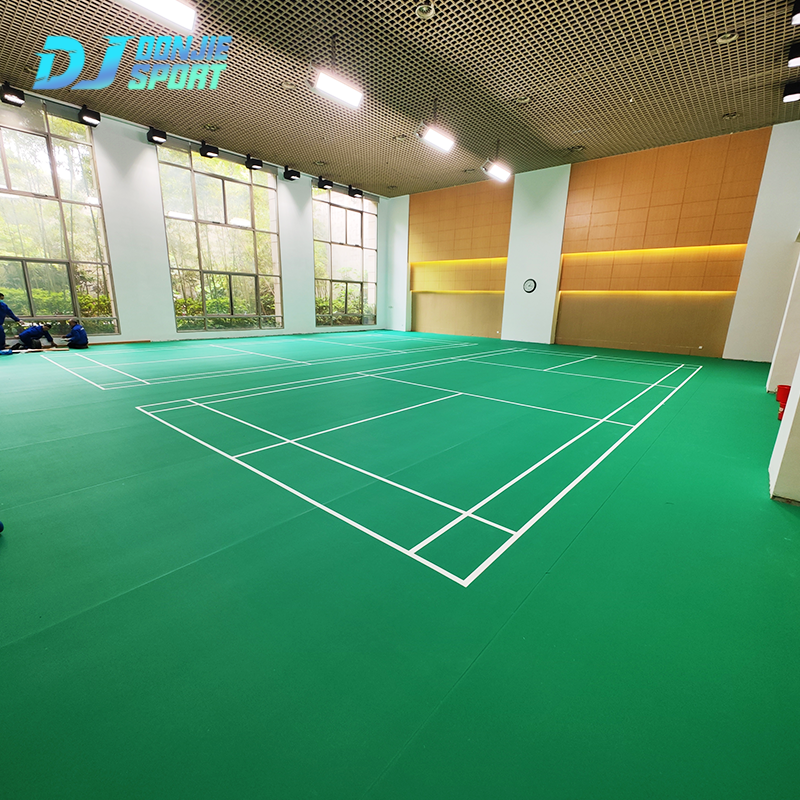
Synthetic flooring has gained popularity for both indoor and outdoor badminton courts due to its flexibility and cost-effectiveness. Common types include PVC and PU sports flooring.
-
PVC Flooring: Prices typically range from $10 to $25 per square foot. PVC floors are easy to install, provide good traction, and are suitable for multipurpose sports halls.
-
PU Flooring: Slightly more expensive, ranging from $15 to $30 per square foot, PU offers higher shock absorption and better comfort for players.
-
Performance vs Cost: While synthetic options are more affordable upfront than wooden floors, selecting higher-quality materials can improve durability and reduce maintenance costs over time.
Badminton Court Mats
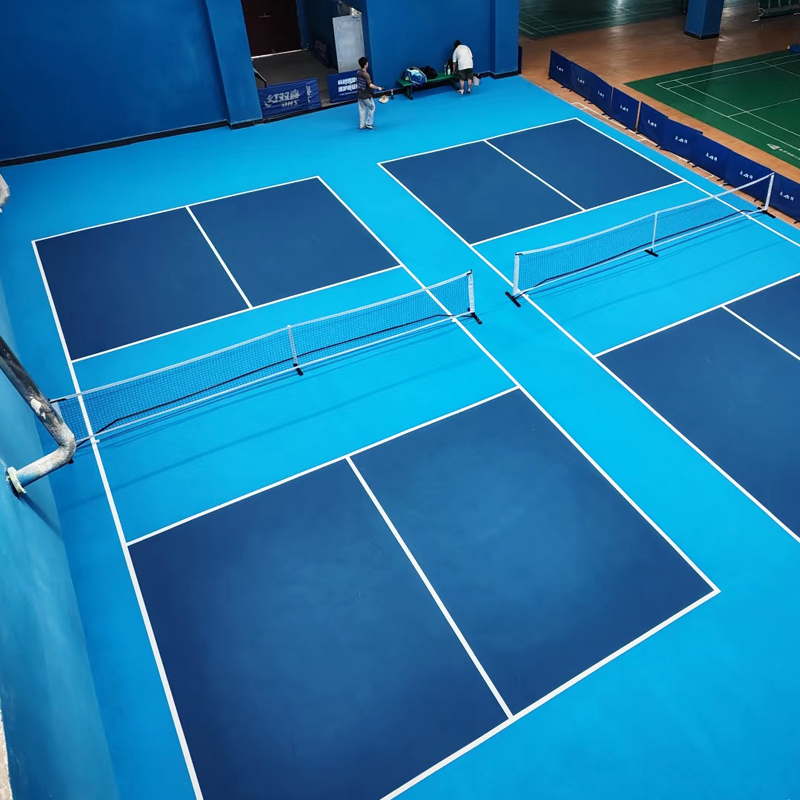
For temporary or smaller-scale setups, badminton court mats offer a convenient alternative. These mats are portable, easy to install, and available in varying thicknesses and material qualities.
-
Price Considerations: Professional-grade mats can cost $15–$40 per square foot, while recreational mats may be significantly cheaper.
-
Durability Factors: Higher-density mats with non-slip backing last longer and provide better support, impacting the overall cost.
Key Factors That Influence Badminton Court Flooring Prices
Material Quality
Material selection is a major determinant of cost. Premium materials, whether hardwood or synthetic, ensure better performance, durability, and player safety. Low-quality materials may reduce upfront costs but often lead to higher maintenance or early replacement.
Installation Complexity
Labor costs can represent a significant portion of total flooring expenses. Complex installations may involve leveling the subfloor, installing shock-absorption layers, and precise alignment of flooring panels or mats. Each additional step increases both time and labor costs.
Court Size and Layout
The size of your badminton facility directly affects total flooring costs. Standard courts require less material per square foot than non-standard or multi-court setups. Large facilities may also benefit from bulk purchase discounts, but the initial investment is naturally higher.
Brand and Supplier Reputation
Well-known brands often charge a premium, reflecting higher quality materials, certified performance standards, and warranty coverage. Budget options may save money upfront, but they can lack durability and support services, affecting long-term value.
Maintenance and Longevity Considerations
Initial flooring price should be considered alongside long-term maintenance costs. Hardwood may require periodic refinishing, while synthetic floors need cleaning and occasional replacement. Factoring in these ongoing expenses ensures a realistic view of total investment.
Comparing Badminton Court Flooring Prices Across Different Venues
Residential vs Commercial Courts
Residential badminton courts tend to be smaller and may opt for mats or cost-effective synthetic flooring, keeping prices lower. Commercial facilities, in contrast, often invest in premium hardwood or professional-grade synthetic flooring, reflecting higher badminton court flooring prices.
Indoor vs Outdoor Pricing Differences
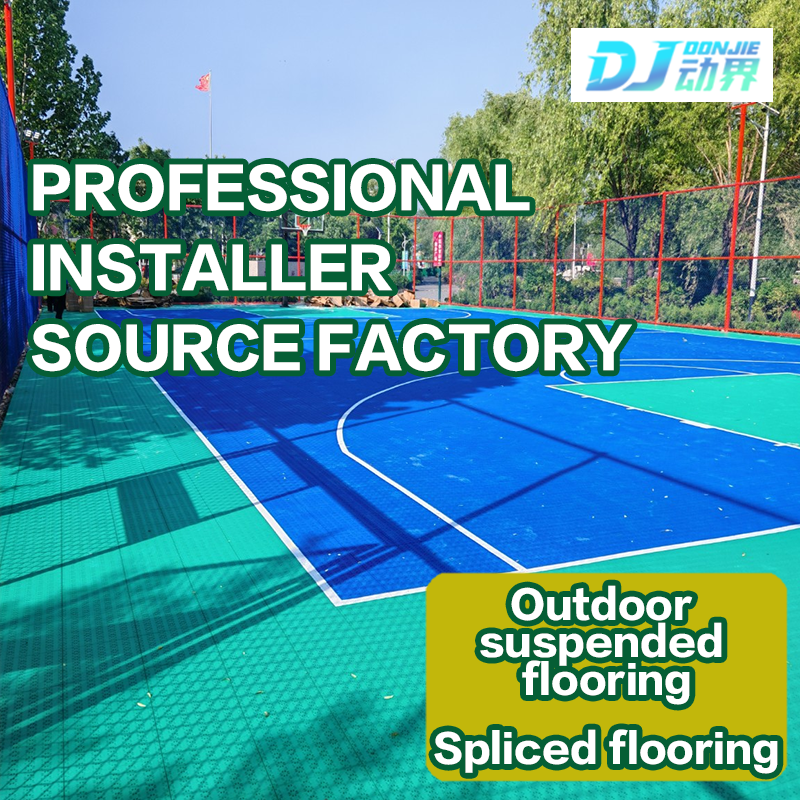
Outdoor courts require materials resistant to weather and UV exposure, which typically increases the cost per square foot. PVC and specialized outdoor mats are common solutions, balancing performance and durability at a moderate price point.
Regional Pricing Variations
Local market conditions, labor rates, and shipping costs can cause significant variations in flooring prices. It’s important to research regional suppliers and consider installation logistics when budgeting.
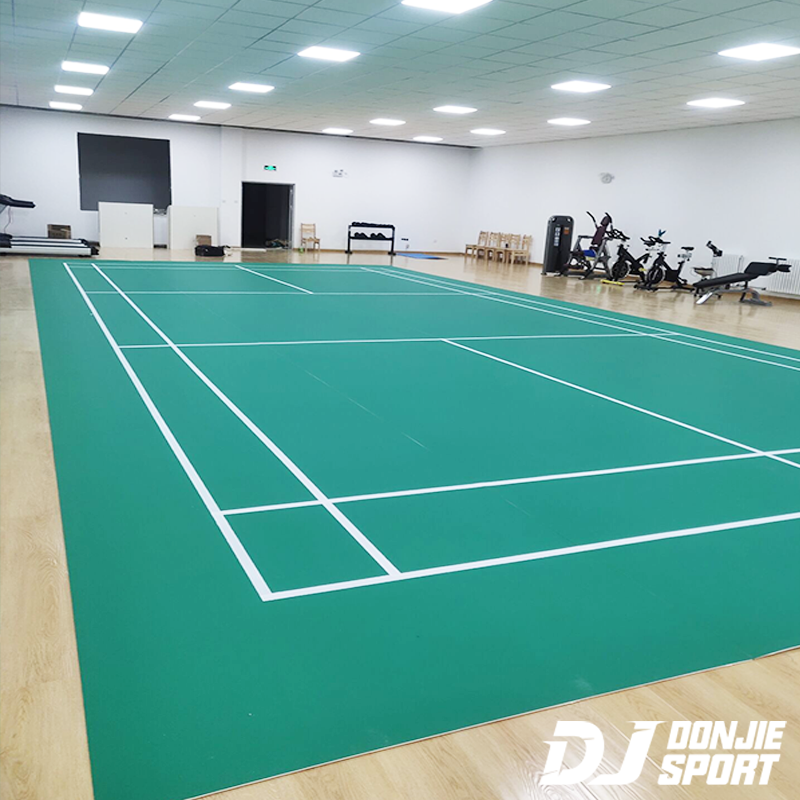
Tips to Get the Best Value for Your Badminton Court Flooring Investment
-
Balance Upfront Cost and Long-Term Benefits: Choosing the cheapest flooring may lead to higher maintenance or early replacement costs. Investing in quality often pays off over time.
-
Negotiate with Suppliers: Bulk purchases, seasonal discounts, or combined installation packages can lower costs.
-
Evaluate Warranties and Services: Extended warranties or maintenance support can save significant expenses in the long run.
-
Plan Installation Timing: Coordinating installations during off-peak periods or alongside other facility upgrades can reduce labor and material costs.
Conclusion
Understanding badminton court flooring prices is crucial for making informed choices that balance budget, performance, and longevity. Prices are influenced by material quality, installation complexity, court size, brand reputation, and maintenance requirements. By carefully evaluating these factors, facility managers, sports enthusiasts, and residential planners can select flooring that maximizes value, ensures player safety, and enhances the overall badminton experience. Whether opting for premium hardwood, high-quality synthetic flooring, or portable mats, informed decisions help turn flooring investments into lasting assets.