Understanding Badminton Court Flooring Prices is essential for anyone planning to build or renovate a court, whether for professional training or recreational use. Flooring is not just a surface; it directly impacts player performance, safety, and long-term durability. Investing in the right flooring ensures proper shock absorption, reduces injury risk, and enhances gameplay. Prices can vary widely depending on the material, installation method, and location of the court. This guide explores the different types of badminton court flooring, the factors affecting costs, and what you can expect to pay for each option.
Factors That Influence Badminton Court Flooring Prices
Several key factors determine the final cost of a badminton court flooring project:
Material Type: The choice between wooden, PVC, or synthetic flooring significantly impacts price. Wooden floors often offer superior bounce and comfort but come at a higher cost, while PVC and synthetic options are more affordable and easier to maintain.
Flooring Thickness and Cushioning: Courts designed for professional use typically feature thicker flooring or extra cushioning layers, increasing material and installation costs.
Brand Reputation and Quality Standards: Premium brands often charge more for high-quality finishes, durability, and certifications.
Installation Complexity and Labor Costs: Courts requiring precise leveling, special adhesives, or custom patterns can raise installation costs. Labor fees vary by region and the complexity of the project.
Maintenance Requirements and Long-Term Costs: Some materials may be inexpensive upfront but require frequent maintenance, which can increase total expenses over time.
Comparing Badminton Court Flooring Prices by Material
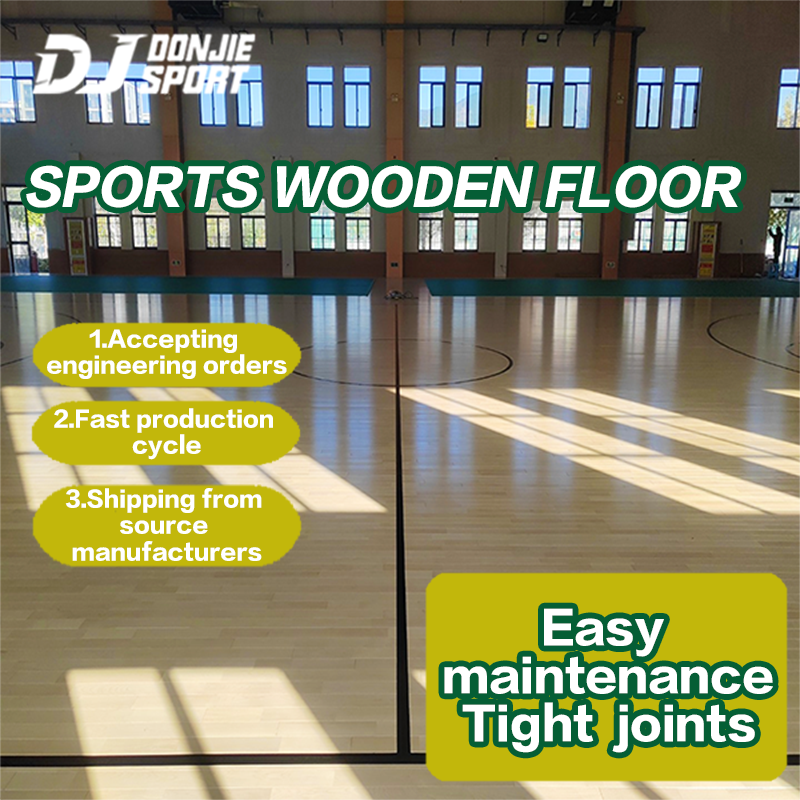
Wooden Flooring Prices: Wooden courts are the classic choice for professional indoor setups. Prices generally range from $30 to $80 per square foot, depending on the type of wood (maple, oak, or engineered wood) and quality of finish. The high initial investment is balanced by excellent durability and comfort.
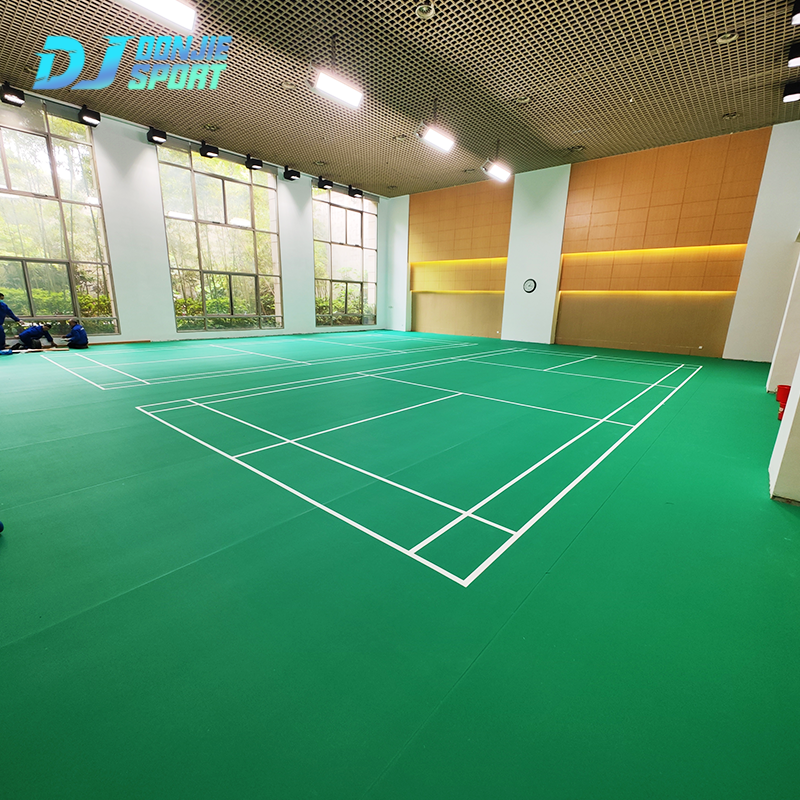
PVC Flooring Prices: PVC is a popular choice for both indoor and outdoor recreational courts. It is cost-effective, ranging from $15 to $40 per square foot, and offers durability and moderate shock absorption. PVC mats are easy to install and maintain, making them ideal for gyms and community centers.
Synthetic Flooring Prices: Synthetic floors, including polyurethane or hybrid modular systems, are designed for fast-paced gameplay and professional tournaments. Prices typically fall between $25 and $60 per square foot, depending on thickness, texture, and brand. They provide excellent traction, resilience, and long-term performance.
Hybrid and Modular Flooring Costs: Modular courts combine different materials for specific performance benefits. Prices vary widely, from $20 to $70 per square foot, depending on customization and installation complexity.
Cost Breakdown: Indoor vs Outdoor Badminton Court Flooring
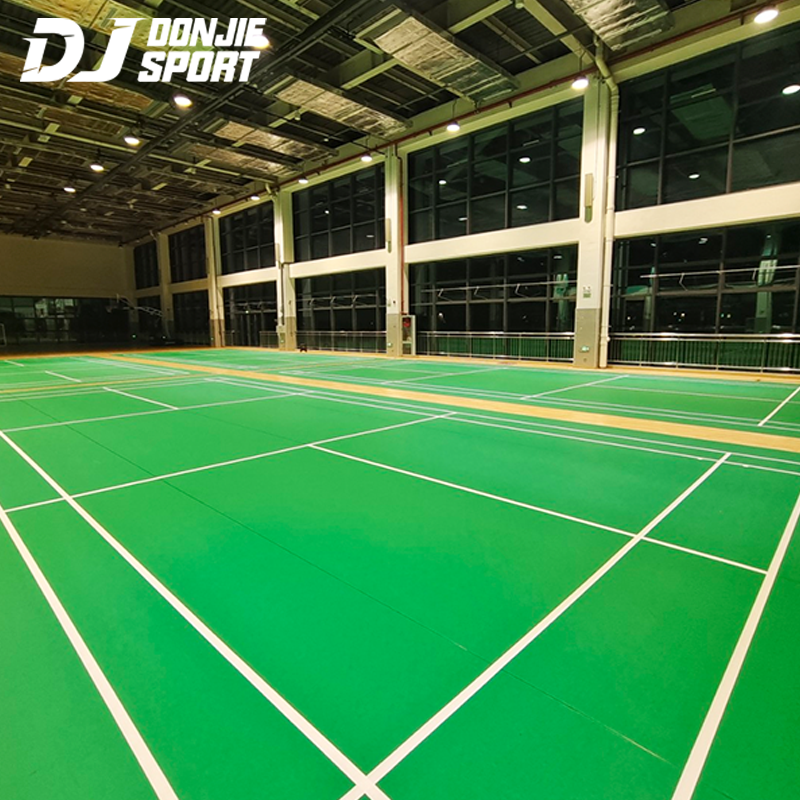
Indoor Flooring Prices: Indoor courts usually require controlled-environment flooring like wooden or synthetic surfaces. Professional indoor courts tend to be more expensive due to precision installation, premium materials, and long-term durability requirements. Recreational indoor courts may opt for PVC or modular options to reduce costs.
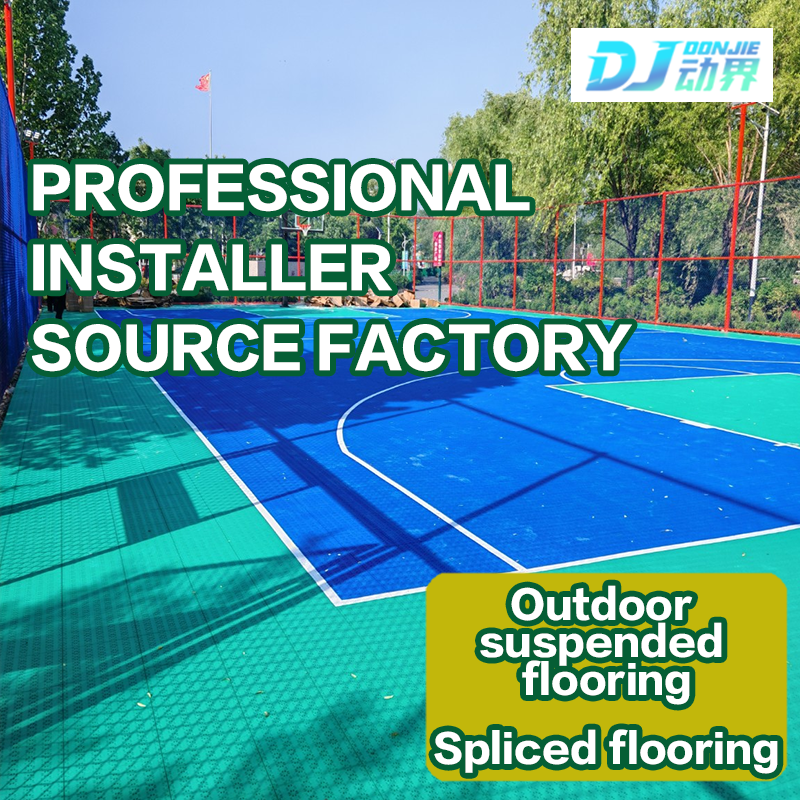
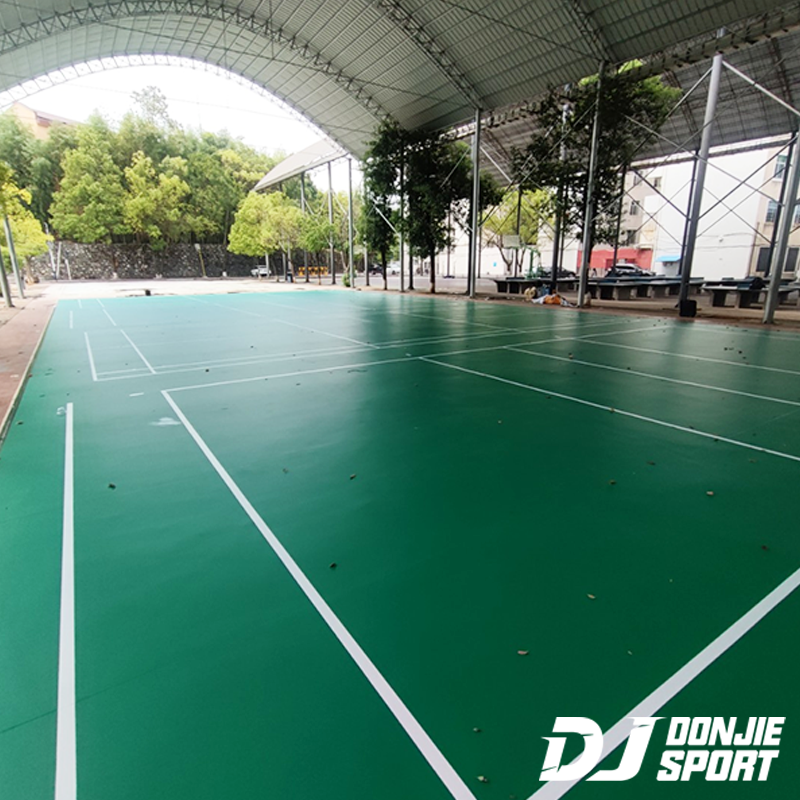
Outdoor Flooring Prices: Outdoor courts face weather exposure, UV damage, and moisture. Materials must be weather-resistant, such as specialized PVC or synthetic mats. Outdoor flooring prices range from $20 to $50 per square foot, slightly higher than basic indoor options due to material durability requirements.
Long-Term Cost Differences: While indoor flooring often has a higher upfront price, outdoor flooring may incur additional maintenance and replacement costs over time due to environmental factors. Planning for long-term expenses is critical when budgeting.
Additional Costs and Hidden Expenses
Several hidden costs can affect overall Badminton Court Flooring Prices:
-
Installation Labor and Site Preparation Fees: Leveling the ground, removing old surfaces, and professional installation can add significant costs.
-
Maintenance Supplies and Replacement Costs: Cleaning agents, floor polish, or replacement mats can increase long-term expenditure.
-
Shipping, Delivery, and Customization Charges: Large or specialized materials often come with added transportation or customization fees.
-
Warranty and Service Plans: Extended warranties and service agreements add upfront costs but offer peace of mind and reduce potential repair expenses.
Tips to Save Money on Badminton Court Flooring
Maximizing value while minimizing costs requires smart planning:
-
Choosing the Right Material for Your Budget: Consider your usage frequency and player level to select a flooring type that balances performance and affordability.
-
Buying in Bulk or Opting for Modular Flooring: Modular systems allow gradual expansion and easier replacement, which can save money in the long run.
-
Considering Refurbished or Pre-Owned Options: High-quality used flooring can be a cost-effective solution for community centers or recreational courts.
-
Long-Term Cost Planning: Evaluate both initial investment and maintenance to avoid unexpected expenses and maximize value over the court’s lifespan.
Conclusion
Badminton Court Flooring Prices vary widely based on material, installation, and intended use. Wooden floors offer classic appeal and premium performance but at a higher cost, while PVC and synthetic options provide affordability, durability, and versatility. Considering indoor versus outdoor requirements, hidden expenses, and long-term maintenance is critical for making a cost-effective investment. By understanding price ranges and evaluating your needs, you can choose a flooring solution that ensures safety, performance, and lasting value.