When it comes to creating an optimal playing environment for badminton, choosing the right flooring is crucial. The quality of the court flooring directly affects the performance of players, as well as their safety. A poorly chosen flooring type can lead to reduced traction, discomfort, or even injury, while a high-quality surface enhances grip, provides better cushioning, and improves overall gameplay.
Flooring types vary widely, with each offering distinct advantages and drawbacks. Whether you’re building a professional sports facility, setting up a recreational court, or revamping an existing one, understanding the different types of badminton court flooring will help you make an informed decision.

Different Types of Badminton Court Flooring
Wooden Flooring: The Traditional Choice for Indoor Courts
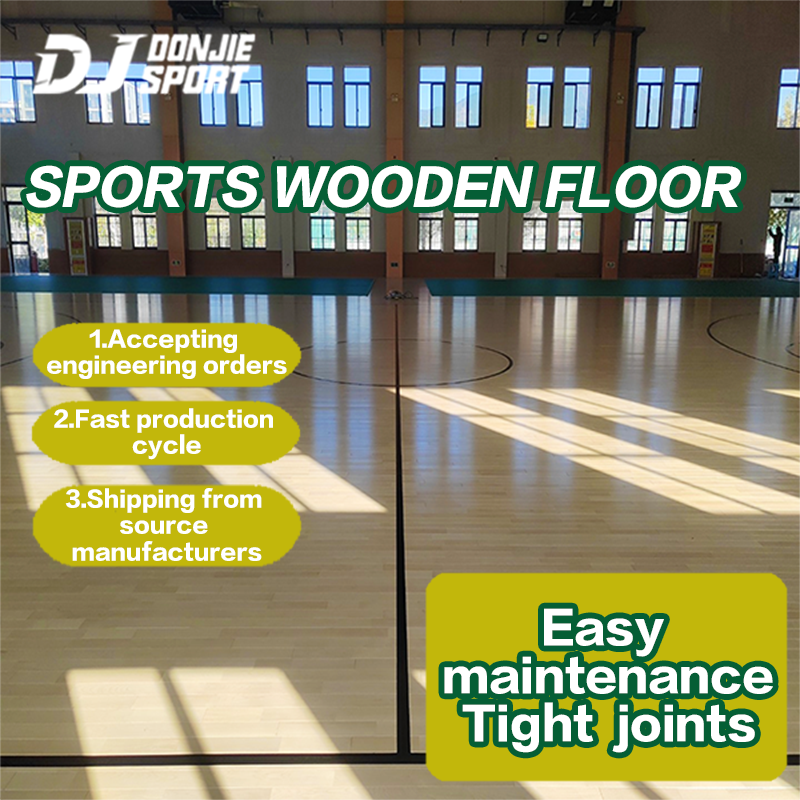
Wooden flooring remains one of the most common choices for badminton courts, especially in professional and indoor environments. This traditional option is known for its aesthetic appeal and durability, providing a solid yet slightly flexible surface ideal for fast-paced sports like badminton.
-
Pros and Cons:
-
Pros: Wood offers excellent resilience, providing a balance between firmness and shock absorption. It’s widely regarded for its classic look and is often found in multi-purpose sports halls and stadiums. It also allows for good traction, helping players make quick, precise movements.
-
Cons: The biggest downside to wooden flooring is its maintenance. It needs to be regularly refinished to keep its smooth surface, especially in high-traffic areas. It can also be expensive and is prone to damage from moisture and humidity.
-
-
Best Use Cases:
-
Wooden flooring is ideal for professional indoor badminton courts, especially in competitive settings. It’s perfect for venues where high-performance sports and aesthetic value are prioritized.
-
Synthetic Flooring: Versatile and Cost-Effective
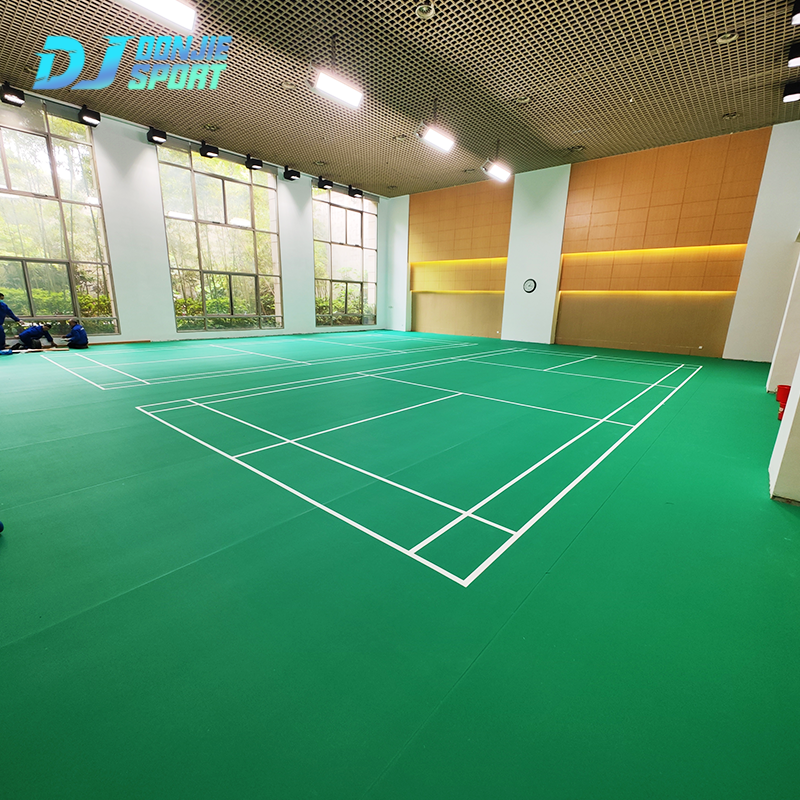
Synthetic flooring is one of the most popular choices for badminton courts due to its versatility and cost-effectiveness. This type of flooring can be made from various materials, including vinyl and rubber, offering a good balance between durability, safety, and price.
-
Benefits for Amateur and Professional Players:
-
Synthetic flooring provides a consistent playing surface that minimizes the risk of injury. It has excellent shock absorption, reducing strain on joints. Additionally, it is easier to install and maintain compared to wooden surfaces.
-
-
How It Compares With Wood Flooring:
-
Synthetic flooring tends to be less expensive than wood, making it a good option for schools, recreational centers, or anyone working within a tight budget. It’s also easier to clean and maintain, requiring only basic cleaning to keep it in top condition.
-
PVC Flooring: A Popular Choice for Multi-Sport Courts
Polyvinyl chloride (PVC) flooring is an affordable and highly durable option that’s commonly used for multi-sport courts. PVC tiles are designed for heavy use, which makes them perfect for environments where badminton is played alongside other sports, such as basketball or volleyball.
-
Durability and Maintenance:
-
PVC flooring is known for its resilience, and it’s designed to withstand a high volume of foot traffic without showing signs of wear and tear. It’s also easy to replace individual tiles if damaged, which makes maintenance relatively simple.
-
-
Ideal Environments for PVC:
-
PVC flooring is perfect for gyms and community centers where multiple sports are played. Its versatility allows for different court configurations, making it ideal for spaces that need flexible court setups.
-
Rubber Flooring: Shock-Absorbent and Protective
Rubber flooring provides exceptional shock absorption, making it one of the best choices for player safety. Its cushioned surface helps reduce the impact on joints, which is particularly beneficial for players who spend long hours on the court.
-
Why It’s a Top Choice for Health and Safety:
-
Rubber flooring is highly recommended for areas where injury prevention is a priority. The flooring offers excellent grip and reduces the likelihood of slips and falls, making it a great option for both indoor and outdoor courts.
-
-
Key Differences from Other Flooring Options:
-
Unlike wood or synthetic surfaces, rubber flooring is naturally resistant to moisture and provides more cushioning. It’s also easier to maintain and clean, though it can feel a bit “softer” underfoot compared to harder surfaces like wood or synthetic tiles.
-
Sports Tiles: Interlocking, Easy-to-Install Option
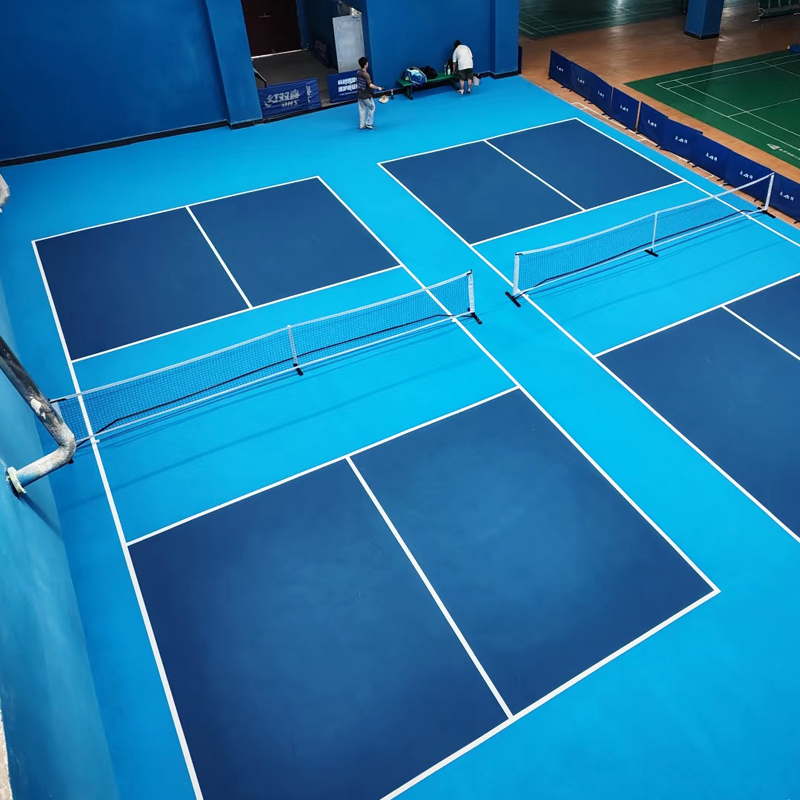
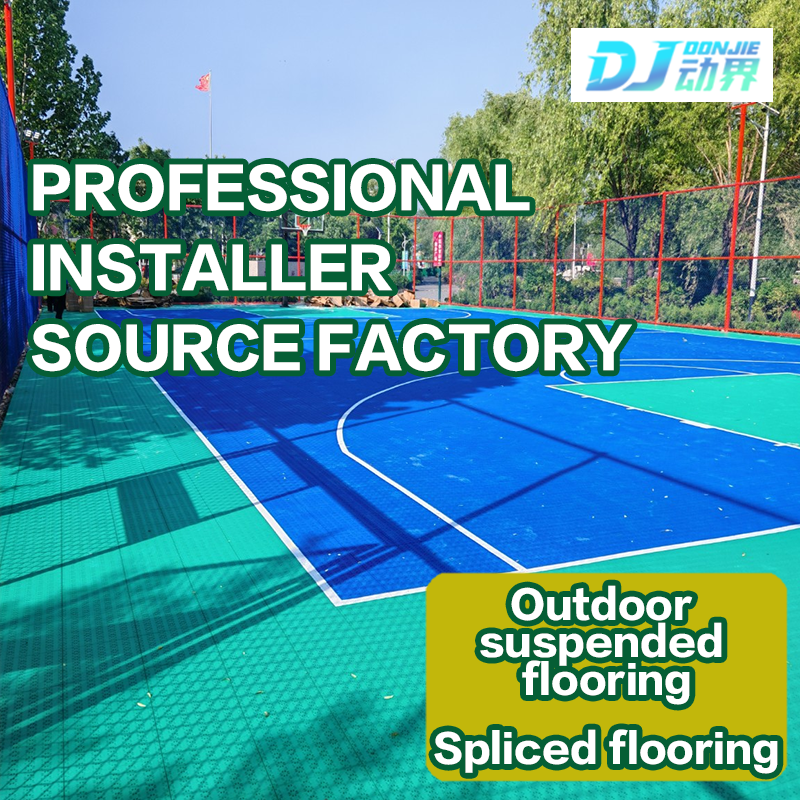
Sports tiles are an innovative solution that combines ease of installation with functionality. These interlocking tiles come in various materials, including PVC and rubber, and are designed to be quickly assembled without the need for adhesives.
-
Advantages for Both Temporary and Permanent Setups:
-
Sports tiles are ideal for venues that need to set up or dismantle badminton courts quickly. Their portability makes them popular in temporary sports events or schools with limited space. They are also highly customizable, allowing for different configurations and sizes.
-
-
How They Affect Performance:
-
Sports tiles provide a flat, consistent surface that’s easy on the joints and helps to maintain proper grip. While they may not offer the same premium feel as wood or rubber flooring, they offer a great balance of functionality and cost.
-
Factors to Consider When Choosing Badminton Court Flooring
Indoor vs. Outdoor Setup: Which Flooring Type Suits Different Environments
Indoor courts often benefit from traditional wooden flooring or synthetic surfaces, which can provide consistent performance and aesthetics. Outdoor courts, on the other hand, may require more durable options like rubber flooring or PVC tiles, which can better handle weather elements.
Durability and Maintenance: How Long-Lasting Is the Flooring?
When selecting flooring, it’s essential to consider how long the material will last under heavy use. Wooden floors may need refinishing every few years, while synthetic and PVC flooring are often more durable with minimal maintenance requirements.
Budget Considerations: Cost Breakdown of Various Options
-
Wooden Flooring: Expensive, especially for installation and long-term upkeep.
-
Synthetic Flooring: Moderate cost and great value for money.
-
PVC and Rubber Flooring: Generally affordable, with lower long-term maintenance costs.
-
Sports Tiles: One-time investment for easy setup and durability.
Player Safety: How Different Flooring Types Protect Players
The safety of players should always be a top priority. Rubber and synthetic floors are known for their shock-absorbing properties, which help minimize the risk of injuries from falls. Choosing a flooring material with the right amount of grip and cushioning is essential for preventing slips and strains.
Slip Resistance and Cushioning: How Flooring Affects Player Movement and Comfort
Flooring with proper cushioning, like rubber or synthetic tiles, can reduce player fatigue and offer better support during long matches. At the same time, adequate slip resistance ensures that players have enough traction to make quick, sharp movements without risking injury.
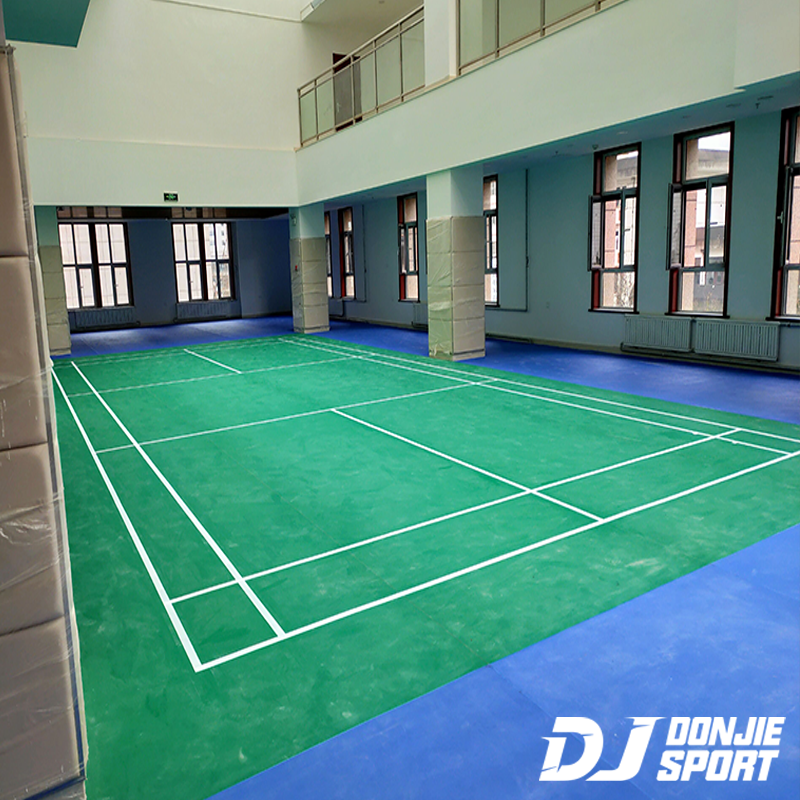
The Best Flooring for Professional Badminton Courts
Professional courts usually require high-quality flooring that can handle intense usage. Wooden floors remain the top choice in professional badminton arenas due to their durability, aesthetic appeal, and performance quality. However, synthetic and rubber floors are gaining popularity in professional setups where comfort and injury prevention are key priorities.
How to Maintain Your Badminton Court Flooring
Each type of flooring requires different care and maintenance. Wooden floors need periodic sanding and refinishing to maintain their smooth surface, while synthetic and rubber floors are much easier to maintain, needing only routine cleaning and occasional repairs. PVC and sports tiles are highly durable and often only require occasional sweeping and mopping.
Which Badminton Court Flooring Is Best for You?
Choosing the right badminton court flooring depends on your specific needs, budget, and priorities. Whether you opt for traditional wooden floors for their performance and aesthetic appeal or go for synthetic, rubber, or PVC options for their affordability and ease of maintenance, each flooring type has its own set of benefits. Carefully consider the factors discussed, such as durability, safety, and budget, to make the best choice for your court.
If you are looking to create a professional-level court, wooden flooring may be your best bet. However, for multi-sport venues or if cost is a concern, synthetic and PVC options provide excellent alternatives that don’t sacrifice performance.