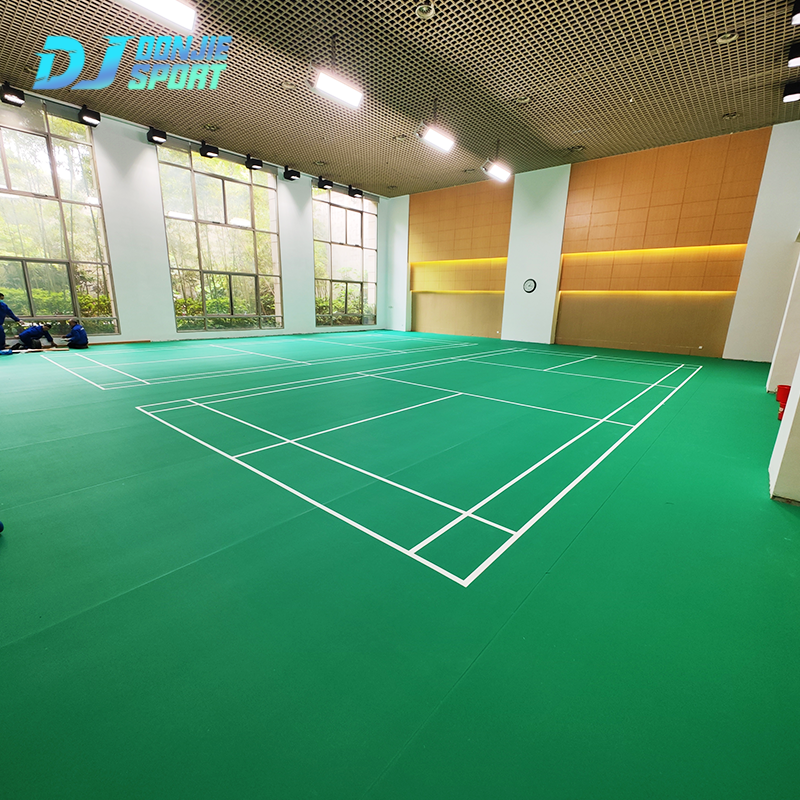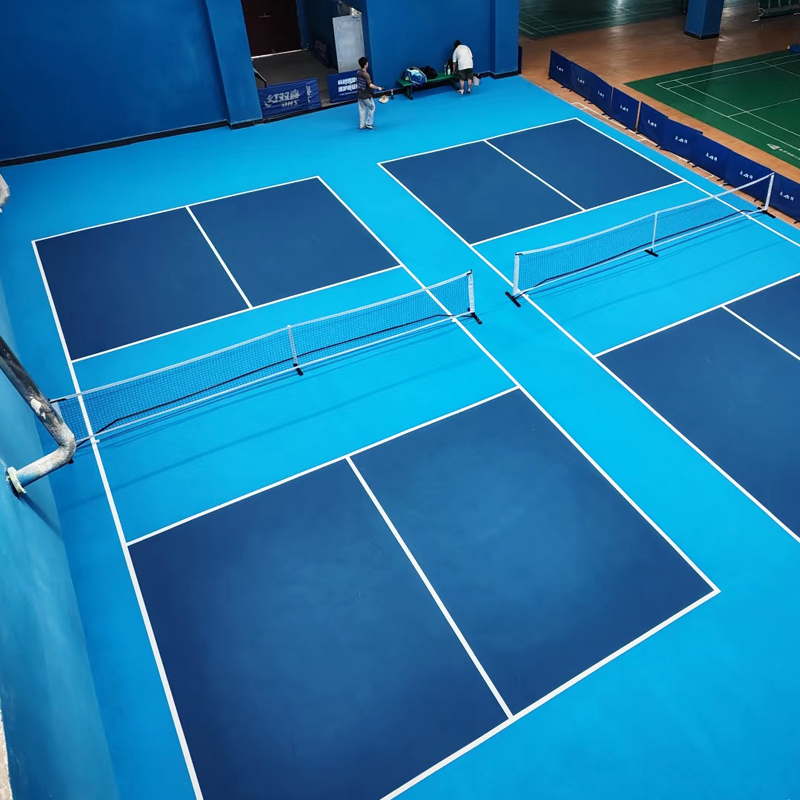
When setting up a badminton court, one of the most important decisions you’ll face is selecting the right court mat. Badminton court mats play a crucial role in ensuring player safety, enhancing performance, and providing an optimal playing surface. However, many people overlook the financial aspect of purchasing mats, which can significantly impact the overall cost of building or renovating a court.
Understanding the cost of badminton court mats is essential for anyone involved in court construction or maintenance, from gym owners to sports facility managers. The price of the mat can vary greatly depending on several factors, making it important to know what to expect before making a purchase. In this article, we will explore the various elements that influence the cost of badminton court mats, helping you make an informed decision for your budget and needs.
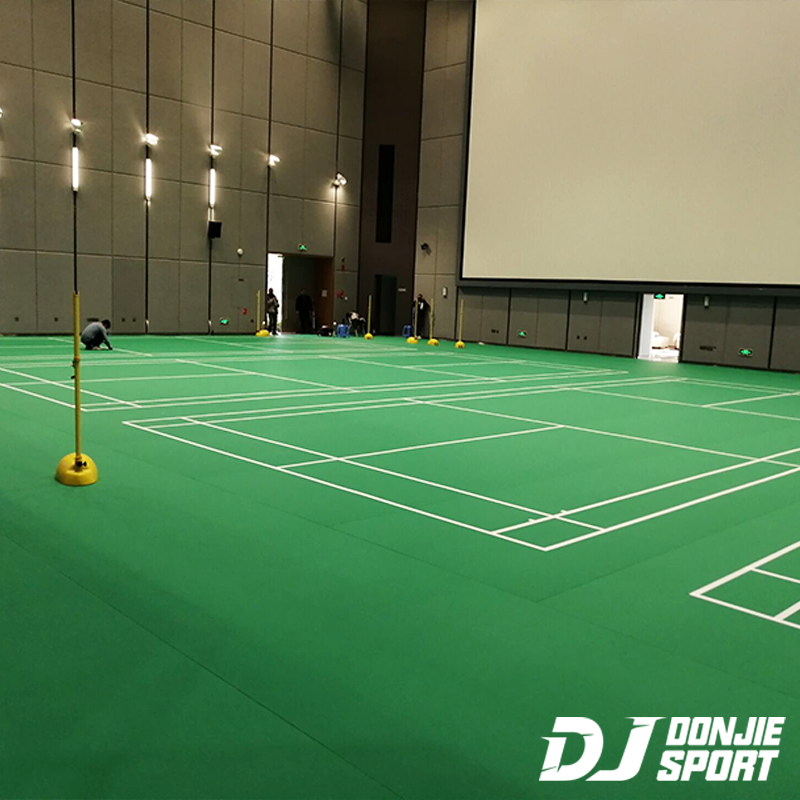
Factors Affecting Badminton Court Mat Cost
When it comes to determining the price of a badminton court mat, there are several key factors that play a crucial role. Understanding these factors will help you choose the right mat for your court while staying within your budget.
Material Type: How Different Materials Affect the Price
The material used for the badminton court mat is one of the most significant determinants of its cost. Various materials are available, each with unique characteristics that impact both performance and price.
-
PVC Mats: These mats are one of the most affordable options, offering durability and easy maintenance. PVC mats are ideal for indoor courts and are generally less expensive than rubber or wooden mats.
-
Rubber Mats: Known for their shock-absorbing properties and excellent grip, rubber mats are more expensive than PVC. The material’s ability to provide stability and reduce injury risk makes it a popular choice for professional courts.
-
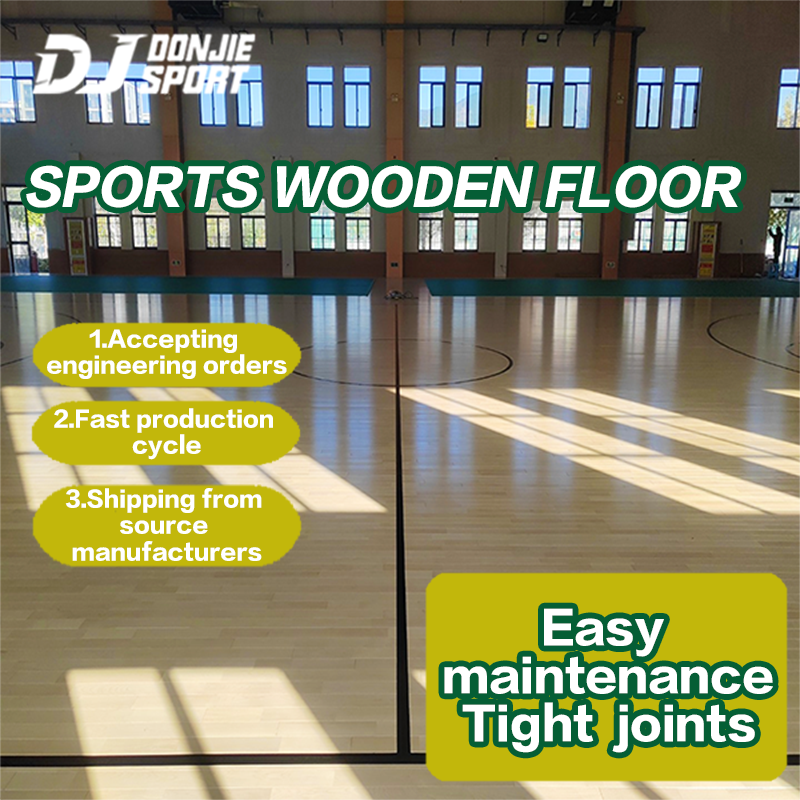
Wooden Mats: Wooden mats or wooden flooring provide a classic, high-end appearance with exceptional performance, but they come at a premium price due to the quality of the material and installation complexity.
-
Synthetic Mats: Synthetic mats offer a balance between cost and performance. They provide durability, good traction, and are generally more affordable than wooden flooring but slightly more expensive than PVC options.
Durability and Lifespan: The Relationship Between Longevity and Cost
Durability is another factor that directly impacts the price of badminton court mats. High-quality mats designed to withstand heavy usage and environmental factors tend to cost more. Investing in durable mats can save money in the long run, as they require fewer replacements. For example, while PVC mats may be cheaper upfront, they might wear out more quickly in high-traffic areas, leading to higher replacement costs.
-
Long-lasting Mats: Mats made from premium materials like rubber or specialized synthetic options often last for several years, making them a better investment despite their higher initial cost.
-
Shorter Lifespan Mats: Cheaper mats, like basic PVC mats, tend to wear out faster and may require frequent replacements, increasing overall costs over time.
Size and Thickness: How Dimensions Play a Role in the Cost Calculation
The size and thickness of a badminton court mat are also important factors when determining its cost. Larger mats that cover a bigger surface area will naturally cost more, as they require more material to produce. Additionally, thicker mats offer better cushioning and durability, but they are more expensive than thinner mats.
-
Standard Size Mats: These are generally less expensive since they follow the industry standard dimensions for badminton courts.
-
Custom Size Mats: If you need a mat customized for a unique court size, expect to pay a premium for the custom cutting and sizing.
-
Thickness: Thicker mats offer better comfort and protection, which is essential for professional or competitive play. However, this comes at a higher cost compared to thinner mats used in recreational settings.
Brand and Manufacturer: The Influence of Well-Known Brands on Price
Just like any other product, the brand of badminton court mat plays a role in determining its price. Established brands known for their quality and reliability often charge a premium for their mats. On the other hand, lesser-known brands may offer similar products at a lower cost.
-
Premium Brands: Well-known brands like Taraflex or Gerflor tend to offer high-end mats that are used in professional settings. These mats may cost more due to their reputation and specialized features.
-
Budget Brands: Lesser-known or generic brands may offer more affordable mats, but the quality may not always be as high. These can be a good option if you’re working with a limited budget but don’t necessarily need top-tier performance.
Customization and Features: The Cost Implications of Personalized Mats
Some buyers opt for customized badminton court mats to suit specific requirements, such as adding logos, team branding, or unique color schemes. While these custom features can add an aesthetic appeal, they can also drive up the price.
-
Custom Logos and Branding: Many facilities opt to personalize their mats with logos or unique designs, which often come with additional costs for design and printing.
-
Special Features: Some mats include additional features like anti-slip surfaces, UV resistance, or waterproof coatings. These extra features can make the mat more expensive but may be necessary for certain environments, especially in outdoor courts.
Installation Fees: The Added Cost of Professional Installation Services
While it’s possible to install some types of mats yourself, many buyers prefer to hire professionals to ensure the installation is done properly. Professional installation can add to the overall cost of purchasing a badminton court mat, especially for complex flooring systems like wooden or multi-layer synthetic mats.
-
DIY Installation: For simpler mats like PVC or rubber, DIY installation may be an option to reduce costs.
-
Professional Installation: If you’re installing a more complicated flooring system, such as wood or interlocking tiles, hiring a professional ensures that the installation meets the proper standards and extends the lifespan of the mat.

Comparison of Costs Based on Mat Types
When comparing badminton court mats, it’s essential to understand the price differences between the most common types available on the market.
-
PVC Mats: Typically the least expensive option, with prices ranging from $1 to $3 per square foot. They are suitable for recreational courts and indoor facilities where foot traffic isn’t as heavy.
-
Rubber Mats: Rubber mats generally range from $3 to $6 per square foot. These mats are ideal for indoor courts that require a higher level of durability and traction.
-
Wooden and Composite Mats: Wooden floors, used in professional or high-end courts, can cost anywhere from $6 to $10 per square foot. Composite mats that mimic wood may offer a more affordable alternative, with prices ranging from $4 to $8 per square foot.
-
Synthetic Mats: Synthetic mats can range from $2 to $5 per square foot, depending on the material and quality.
Where to Buy Badminton Court Mats
The cost of badminton court mats can vary depending on where you purchase them. Here are some common buying options:
-
Online Retailers: Websites like Amazon or specialized sports flooring companies offer a wide range of options. Buying online often gives you access to competitive prices and discounts.
-
Physical Retailers: Sports equipment stores may carry badminton court mats, but they may be more expensive due to higher overhead costs.
-
Bulk Purchase Discounts: If you need mats for a larger facility, consider purchasing in bulk. Many suppliers offer discounts for large orders, which can significantly reduce the cost per mat.
Long-Term Cost Considerations
While the upfront cost of your badminton court mat is important, it’s also crucial to consider the long-term costs associated with maintenance and replacements.
-
Maintenance Costs: Regular cleaning and care are essential for maintaining the appearance and functionality of your mats. Some mats may require specialized cleaners, while others can be maintained with basic cleaning products.
-
Replacement Costs: Over time, all mats wear down. More durable mats may take several years before needing replacement, while cheaper options may need to be replaced more frequently.
-
Value for Money: Ultimately, the goal is to find a mat that offers the best balance of quality, durability, and cost. While it might be tempting to go for the cheapest option, investing in a higher-quality mat can save money in the long run.
Making an Informed Decision on Badminton Court Mat Cost
The cost of a badminton court mat depends on several factors, including the material, durability, size, and additional features. By understanding these factors and comparing the options available, you can make an informed decision that fits both your budget and performance requirements. Whether you’re building a professional-grade court or setting up a recreational space, choosing the right mat is crucial for long-term success.