Choosing the right flooring is a critical decision for any badminton facility, as it directly affects player performance, safety, and long-term operational costs. Among the most popular solutions today are the Badminton Court Mat and synthetic flooring systems. Both options are widely used in professional and recreational settings, yet each offers distinct advantages depending on the venue’s needs.
As badminton continues to grow globally, facility owners are increasingly focused on flooring systems that balance comfort, durability, and cost efficiency. Understanding the differences between a Badminton Court Mat and synthetic flooring is essential for making a well-informed investment.
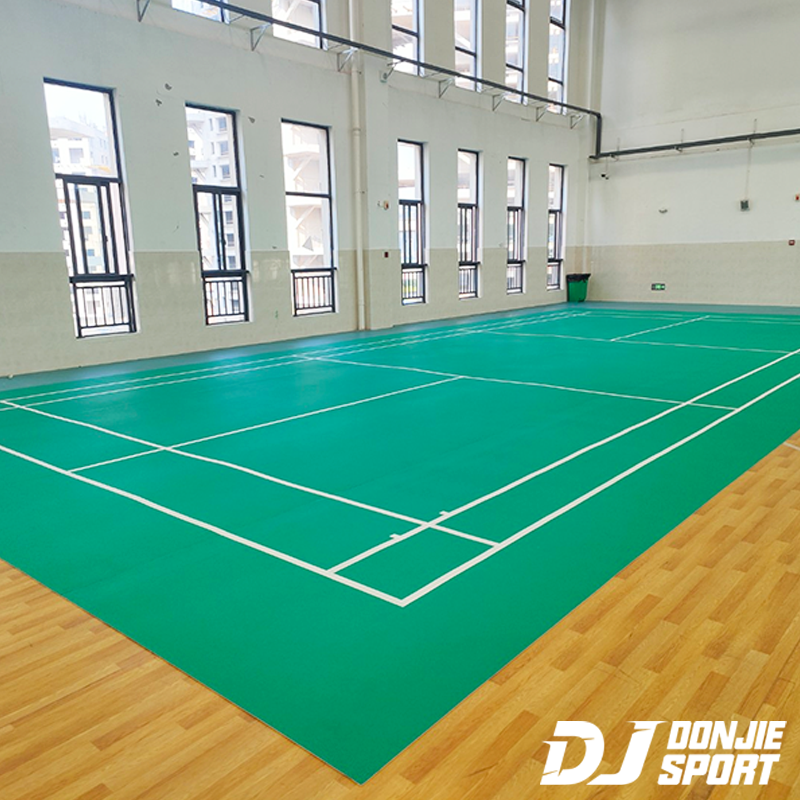
What Is a Badminton Court Mat?
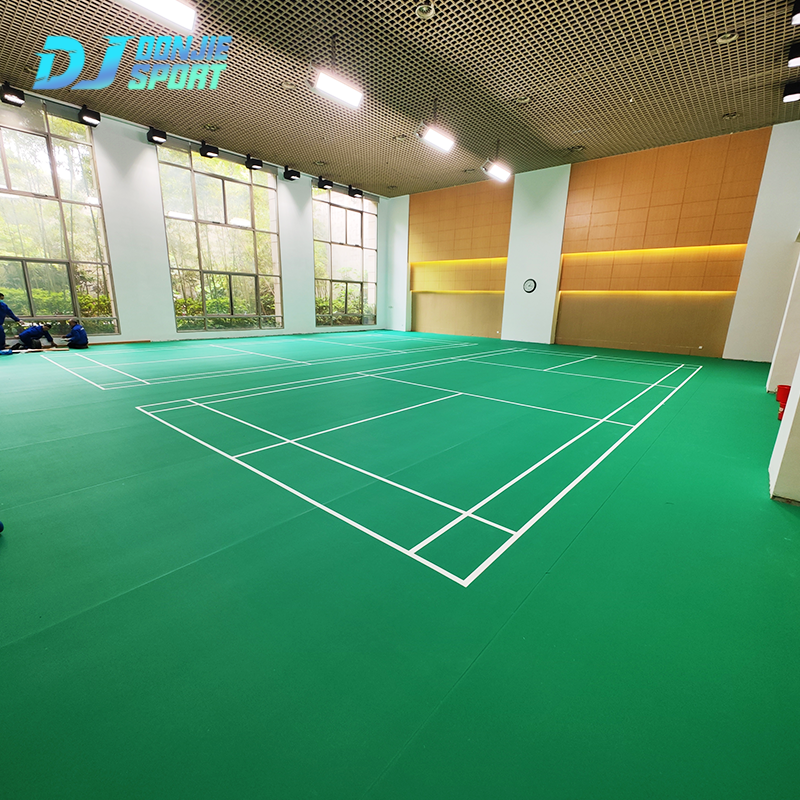
A Badminton Court Mat is a specialized sports surface designed specifically to meet the performance demands of badminton players. Typically manufactured using high-quality PVC or vinyl materials, these mats are engineered with multiple layers to provide optimal shock absorption and grip.
The layered structure of a Badminton Court Mat usually includes a wear-resistant top layer, a reinforced middle layer for stability, and a cushioned base layer to reduce impact on joints. This design helps minimize injury risks while supporting fast-paced footwork and sudden directional changes.
Badminton Court Mat systems are commonly used in indoor courts, training centers, and tournament venues due to their consistent playing characteristics and ease of installation.
Understanding Synthetic Flooring for Badminton Courts
Synthetic flooring refers to a broader category of man-made sports surfaces, often installed as a permanent solution. These floors are typically made from synthetic polymers and installed directly onto a prepared subfloor using adhesives or mechanical systems.
Unlike a Badminton Court Mat, synthetic flooring is often fixed in place and designed for long-term use. It offers a seamless surface that can be customized in thickness and finish to meet specific performance standards.
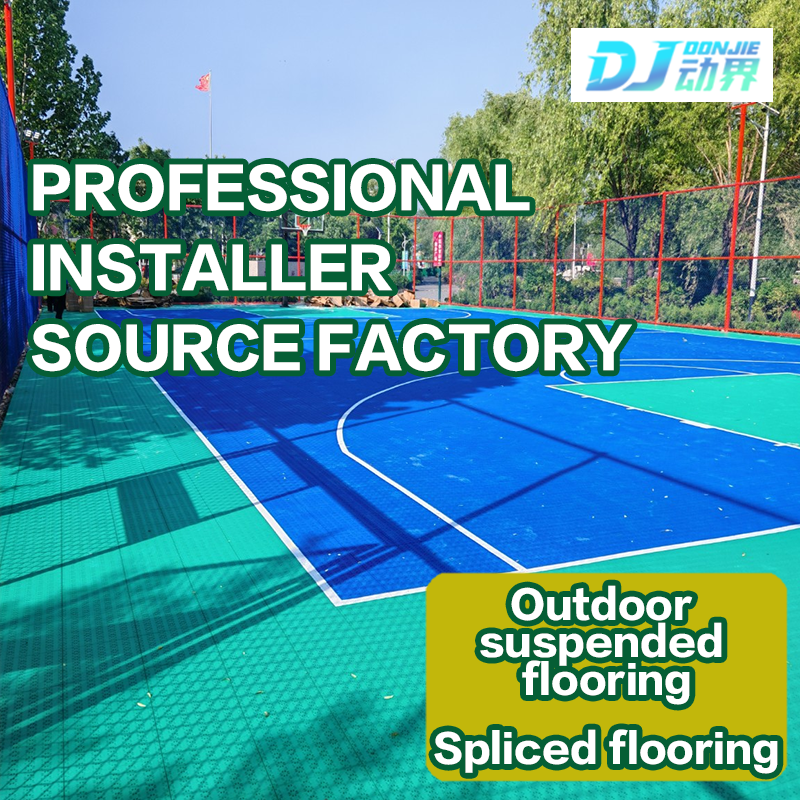
Synthetic flooring is popular in multi-sport facilities where durability and versatility are key priorities.
Badminton Court Mat vs Synthetic Flooring: Core Differences
One of the primary differences between a Badminton Court Mat and synthetic flooring lies in installation flexibility. A Badminton Court Mat can often be installed as a loose-lay or semi-permanent system, making it easier to replace or relocate. Synthetic flooring, on the other hand, usually requires professional installation and is intended as a permanent fixture.
Shock absorption is another critical distinction. Badminton Court Mat systems are specifically engineered to provide targeted cushioning for badminton movements, while synthetic flooring may vary in impact resistance depending on its design.
Surface grip also differs between the two options. A Badminton Court Mat is designed to deliver consistent traction tailored to badminton footwear, reducing the risk of slipping during rapid movements.
Performance Impact on Players
From a performance standpoint, a Badminton Court Mat offers excellent responsiveness, allowing players to maintain precise footwork and balance during rallies. The controlled friction level supports quick stops and explosive starts, which are essential in competitive badminton.
Synthetic flooring can also deliver strong performance benefits, particularly when designed for badminton use. However, the level of comfort and shock absorption may depend on the thickness and quality of the system.
Players who train or compete for extended periods often report reduced fatigue on a well-designed Badminton Court Mat due to its superior cushioning properties.
Durability and Lifespan Comparison
A premium Badminton Court Mat is built to withstand heavy foot traffic and repetitive movements. With proper care, it can maintain its performance characteristics for many years without significant degradation.
Synthetic flooring is generally known for its durability and resistance to wear. Because it is permanently installed, it can handle high usage levels, making it suitable for busy sports complexes.
The lifespan of both flooring options is strongly influenced by maintenance practices, including regular cleaning and timely repairs.
Installation and Maintenance Considerations
One of the key advantages of a Badminton Court Mat is its relatively straightforward installation process. Many systems can be installed quickly, reducing downtime for facilities.
Maintenance of a Badminton Court Mat typically involves routine cleaning and periodic inspections to ensure surface integrity. Synthetic flooring may require more specialized maintenance depending on the installation method and surface finish.
Facilities seeking flexibility and minimal disruption often favor Badminton Court Mat solutions.
Cost Analysis: Badminton Court Mat vs Synthetic Flooring
When comparing costs, a Badminton Court Mat often has a lower initial investment compared to high-end synthetic flooring systems. This makes it an attractive option for facilities with budget constraints or phased development plans.
Synthetic flooring may involve higher upfront costs due to installation requirements, but it can offer long-term value through durability and reduced replacement frequency.
Evaluating total cost of ownership, including maintenance and lifespan, is essential when choosing between these two options.
Suitability for Different Types of Badminton Facilities
Professional badminton tournaments often prefer a Badminton Court Mat due to its consistent playing characteristics and compliance with international standards.
Training academies and schools benefit from the safety and comfort provided by a Badminton Court Mat, especially for developing players.
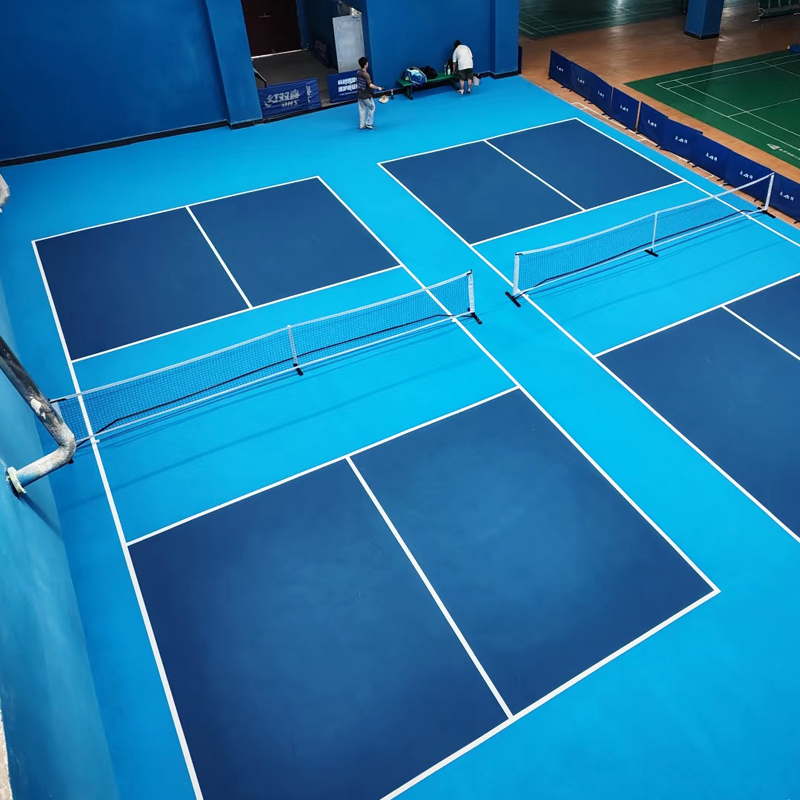
Synthetic flooring is often selected for multi-purpose venues where badminton shares space with other sports or activities.
Environmental and Safety Factors
Modern Badminton Court Mat systems are increasingly manufactured using eco-friendly materials and low-emission processes, contributing to better indoor air quality.
Slip resistance is a critical safety feature, and a high-quality Badminton Court Mat is designed to maintain reliable traction even under intense play.
Synthetic flooring manufacturers are also adopting sustainable practices, but material composition and installation methods should be carefully evaluated.
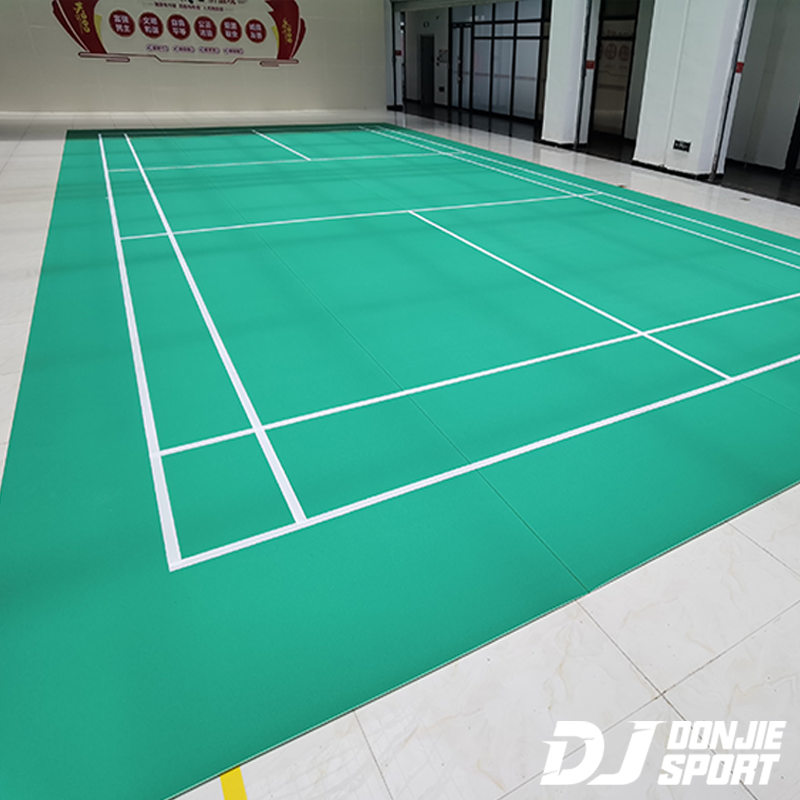
How to Choose Between Badminton Court Mat and Synthetic Flooring
Selecting the right flooring solution requires a clear understanding of facility goals, player needs, and budget constraints. Factors such as usage frequency, player skill level, and long-term maintenance plans should guide the decision.
A Badminton Court Mat is often the preferred choice for facilities focused solely on badminton performance, while synthetic flooring may be better suited for versatile sports environments.
Careful planning ensures the chosen flooring system supports both immediate needs and future growth.
Making the Right Flooring Decision for Your Badminton Court
Both Badminton Court Mat and synthetic flooring offer valuable benefits, but the best option ultimately depends on how the court will be used. By comparing performance, comfort, durability, and cost, facility owners can make a confident decision that enhances player experience and operational efficiency.