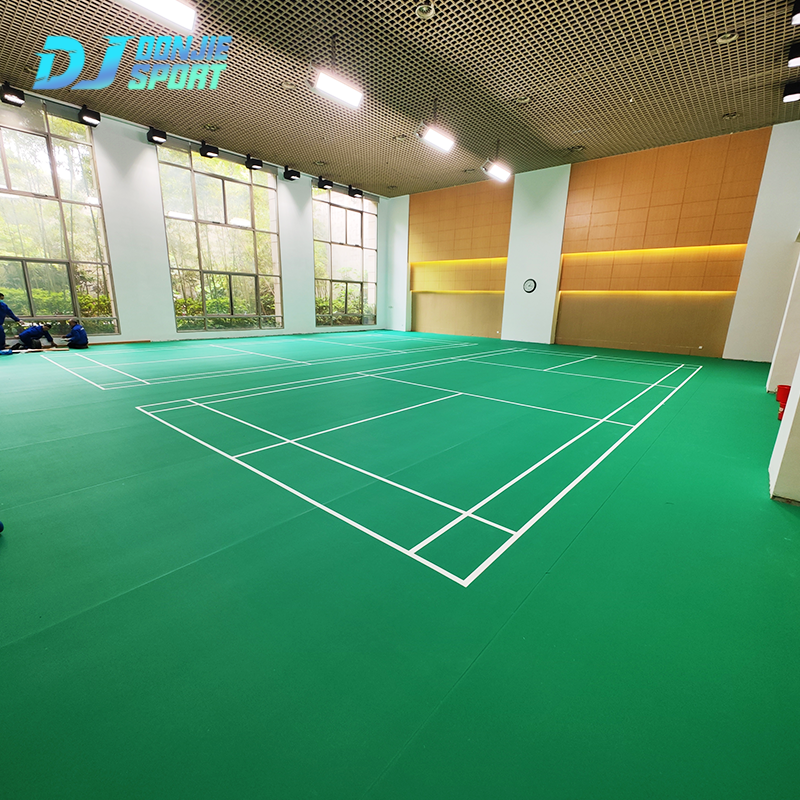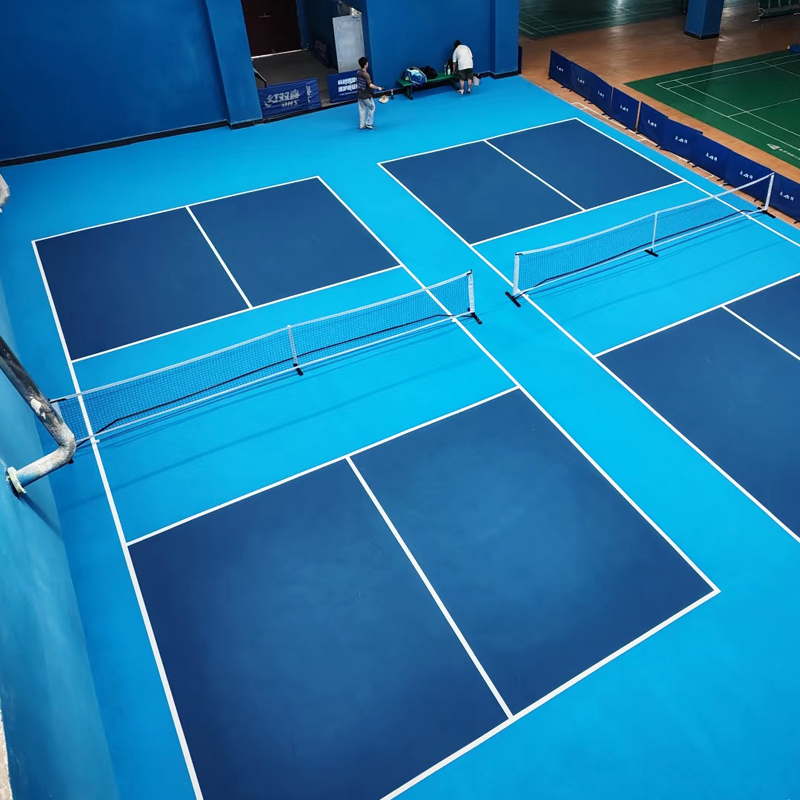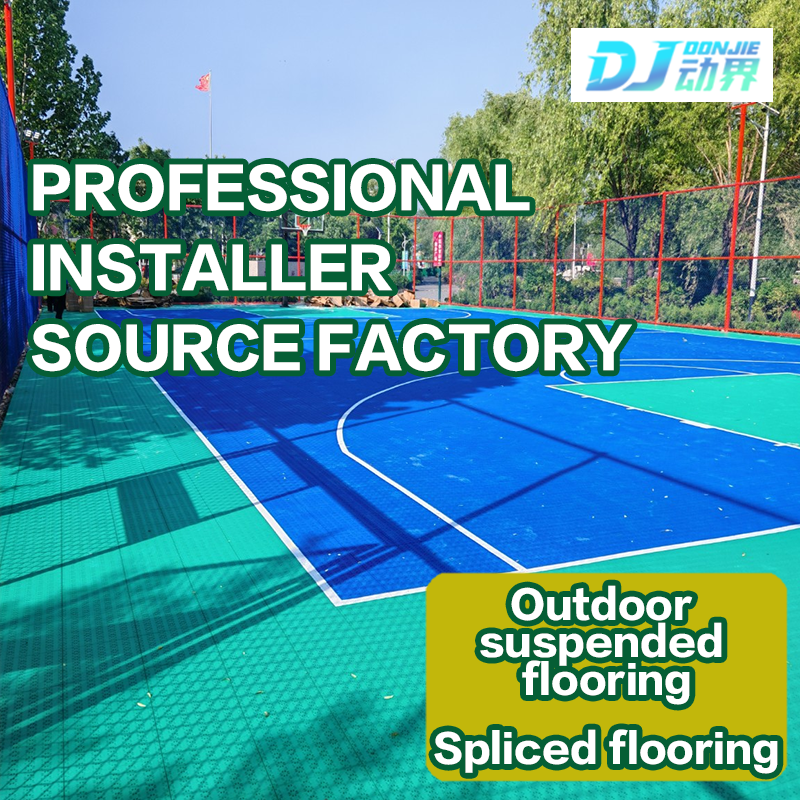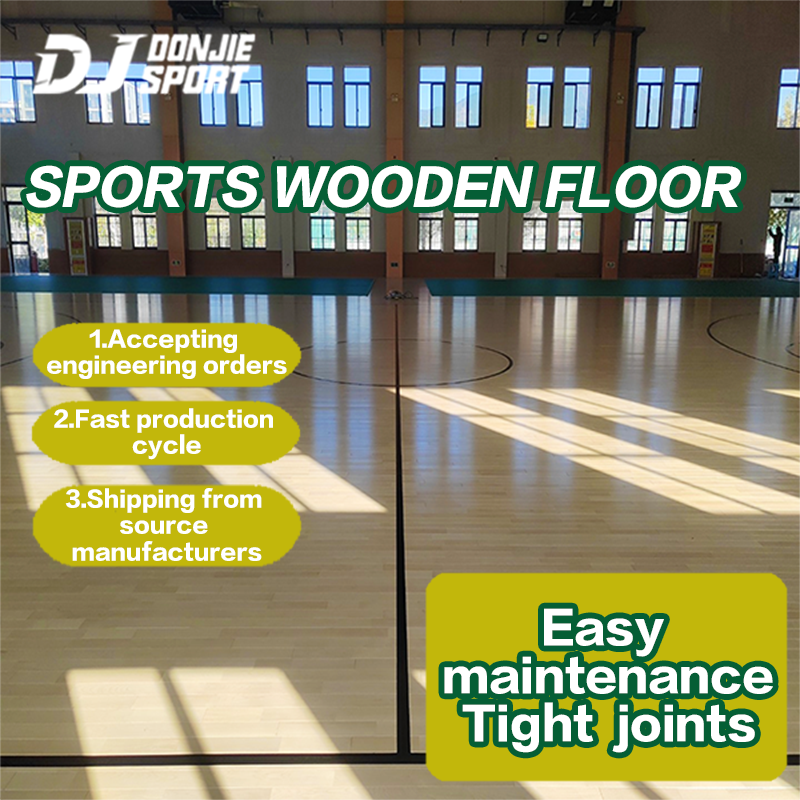
Selecting the right Badminton Court Mats is crucial for both amateur and professional players. The choice of mat material can significantly affect gameplay, player safety, and the longevity of the court itself. High-quality mats not only provide the right level of grip and shock absorption but also ensure consistent shuttlecock behavior during fast-paced games. With a wide range of materials available, including PVC, wooden, rubber, and hybrid options, understanding the strengths and weaknesses of each is essential for making an informed decision that aligns with your venue’s needs and budget.
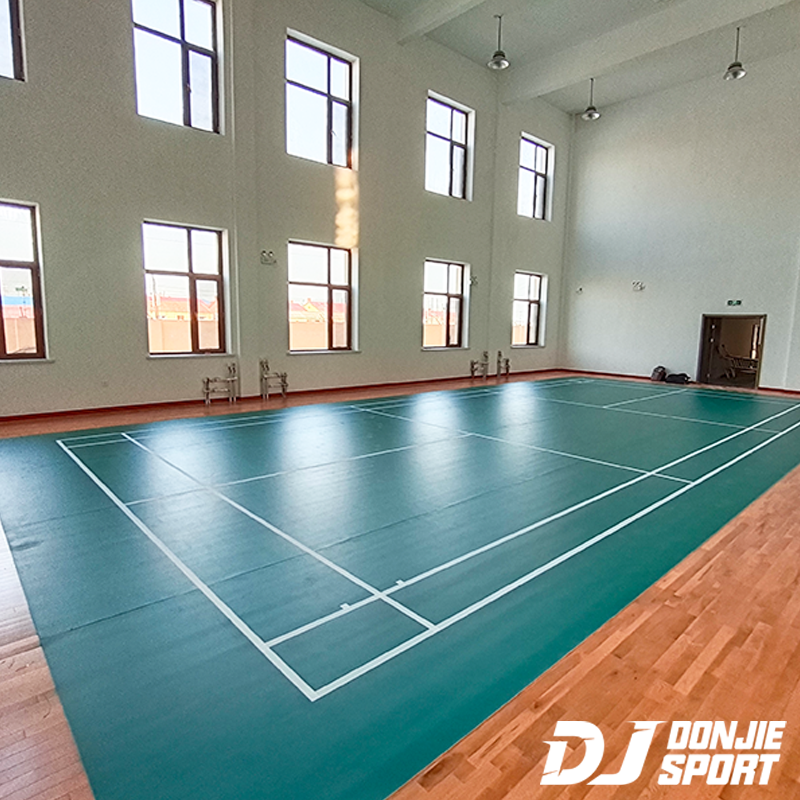
Types of Badminton Court Mats
PVC Badminton Court Mats: Features, Durability, and Maintenance
PVC (Polyvinyl Chloride) mats are among the most popular choices for indoor badminton courts. Known for their durability and easy maintenance, PVC mats provide excellent shock absorption and slip resistance. They are lightweight and easy to install, making them ideal for multi-purpose sports halls. Regular cleaning with a damp mop and mild detergent is sufficient to keep PVC mats in optimal condition, and their resistance to moisture and scratches ensures long-term use without significant wear.
Wooden Badminton Court Mats: Classic Appeal and Performance Benefits
Wooden mats offer a traditional feel favored by professional players and competitive tournaments. Maple and engineered wood are common choices due to their consistent bounce and smooth surface, which enhance gameplay precision. Wooden mats provide natural shock absorption, reducing the risk of joint injuries during intense play. However, they require more maintenance than synthetic options, including periodic polishing and humidity control to prevent warping or damage.
Rubber Badminton Court Mats: Shock Absorption and Comfort Advantages
Rubber mats are known for their excellent cushioning, making them a preferred option for recreational facilities or courts where player comfort is a priority. They absorb impact effectively, reducing fatigue and the likelihood of ankle or knee injuries. Rubber mats are also slip-resistant, even in environments prone to moisture. While installation can be more complex, the long-term comfort and safety benefits make them a worthy investment.
Hybrid and Other Synthetic Materials: Modern Innovations for Professional Play
Modern synthetic mats combine features from PVC, rubber, and other materials to create versatile solutions for high-performance play. These hybrid mats often offer the durability of PVC with the cushioning of rubber, providing a balance of safety, performance, and low maintenance. They are increasingly used in professional training facilities and multi-use sports complexes due to their adaptability and long lifespan.
Comparing Badminton Court Mat Materials
Durability and Longevity: Which Material Lasts the Longest?
When considering durability, PVC and hybrid mats generally outperform rubber and wooden mats in environments with high traffic. PVC mats resist scratches, moisture, and discoloration, while hybrid mats incorporate protective layers to extend longevity. Wooden mats, though durable under controlled conditions, can deteriorate if exposed to fluctuating humidity or improper maintenance. Rubber mats, while resilient, may compress over time under heavy usage.
Player Safety and Comfort: Minimizing Injuries Through Proper Mats
Safety is a top priority in selecting Badminton Court Mats. Rubber and hybrid mats excel in cushioning and shock absorption, reducing joint stress and injury risks. Wooden mats provide firm support for professional-level play but may require underlays or shock pads to enhance comfort. PVC mats strike a balance, offering a stable playing surface with moderate cushioning.
Performance Factors: How Different Mats Affect Bounce and Speed
The material of the mat can influence shuttlecock speed and bounce consistency. Wooden mats provide the most predictable bounce, preferred in competitive settings. PVC mats offer uniform performance with slight flexibility, suitable for both recreational and professional use. Rubber mats provide a softer landing but may slightly slow down shuttlecock speed. Hybrid mats are engineered to balance bounce consistency with shock absorption, catering to diverse playing styles.
Installation and Maintenance Considerations for Each Material
PVC mats are lightweight and easy to install, often coming in roll-out sheets. Wooden mats require professional installation and careful subfloor preparation, while rubber mats may need adhesives or interlocking tiles. Maintenance differs as well: PVC and hybrid mats are low-maintenance, requiring regular cleaning; wooden mats need polishing and humidity control; rubber mats benefit from occasional deep cleaning to remove embedded dirt.
Cost Comparison: Understanding Value Versus Price
Cost is a significant factor when choosing Badminton Court Mats. Wooden mats tend to be the most expensive due to material and installation complexity. Rubber mats are mid-range, offering comfort and durability at reasonable prices. PVC mats are generally the most affordable, providing solid performance and longevity for their price. Hybrid mats, while initially higher in cost, often offer long-term value through combined durability and comfort.
Choosing the Right Badminton Court Mat for Your Venue
Indoor vs Outdoor Courts: Material Suitability
PVC and rubber mats are suitable for indoor and semi-outdoor environments, providing resistance to moisture and temperature fluctuations. Wooden mats are best reserved for fully indoor courts where environmental conditions are controlled. Hybrid mats offer versatility and can sometimes be used in covered outdoor courts with proper maintenance.
Professional Training Halls vs Recreational Centers: Tailoring Your Choice
Competitive and professional training halls often prioritize wooden or hybrid mats for performance consistency, while recreational centers may favor rubber or PVC mats for safety, comfort, and cost efficiency. Matching the mat type to the primary users ensures a better experience and maximizes the lifespan of the flooring.
Space and Budget Constraints: How They Influence Material Selection
Budget and available space often determine material choice. Large multi-court halls may prefer cost-effective PVC mats for full coverage, while smaller venues with professional ambitions might invest in wooden or hybrid mats. Balancing cost with desired performance and maintenance requirements is key to making a sustainable choice.
Expert Tips for Selecting the Most Suitable Badminton Court Mats
Consulting with flooring professionals, testing sample mats, and considering long-term maintenance costs can guide the decision. Prioritizing player safety, performance consistency, and the court’s expected usage frequency ensures that the selected mat material meets both practical and budgetary needs.
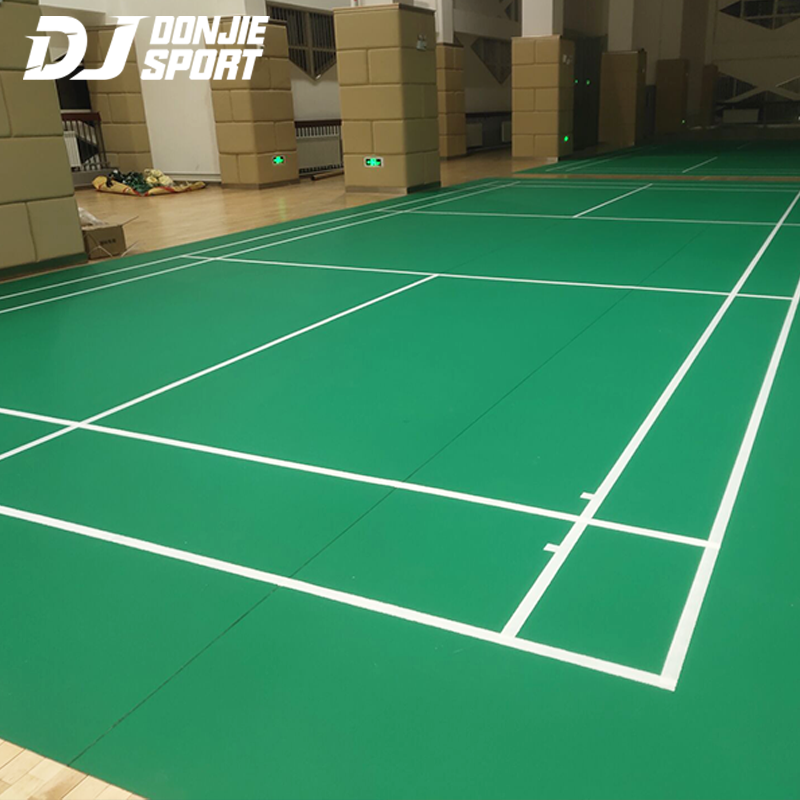
Maintenance and Longevity Tips
Regular Cleaning Practices for Different Mat Materials
Routine cleaning prevents dirt buildup and maintains surface grip. PVC and hybrid mats require only light mopping, while wooden mats benefit from dry dusting followed by occasional polishing. Rubber mats may need mild detergent cleaning to remove sweat and grime.
Preventing Wear and Tear: Best Practices for Longevity
Using appropriate footwear, avoiding heavy equipment on the mats, and controlling environmental conditions like humidity and temperature extend mat lifespan. Rotating areas of high use can also minimize localized wear.
When to Replace Your Badminton Court Mats: Signs to Watch
Signs such as surface cracking, uneven bounce, discoloration, or decreased traction indicate it’s time for replacement. Regular inspection ensures safe playing conditions and maintains the court’s professional standard.
Conclusion
Choosing the right Badminton Court Mats requires careful consideration of material types, performance, safety, and cost. PVC mats offer affordability and easy maintenance, wooden mats deliver classic performance, rubber mats prioritize comfort, and hybrid mats combine the best features for modern gameplay. Evaluating your venue’s needs, usage frequency, and budget ensures a decision that enhances player experience, protects against injuries, and maximizes the lifespan of the court. Making an informed choice in mat materials ultimately results in better gameplay, improved safety, and long-term value for your badminton facility.