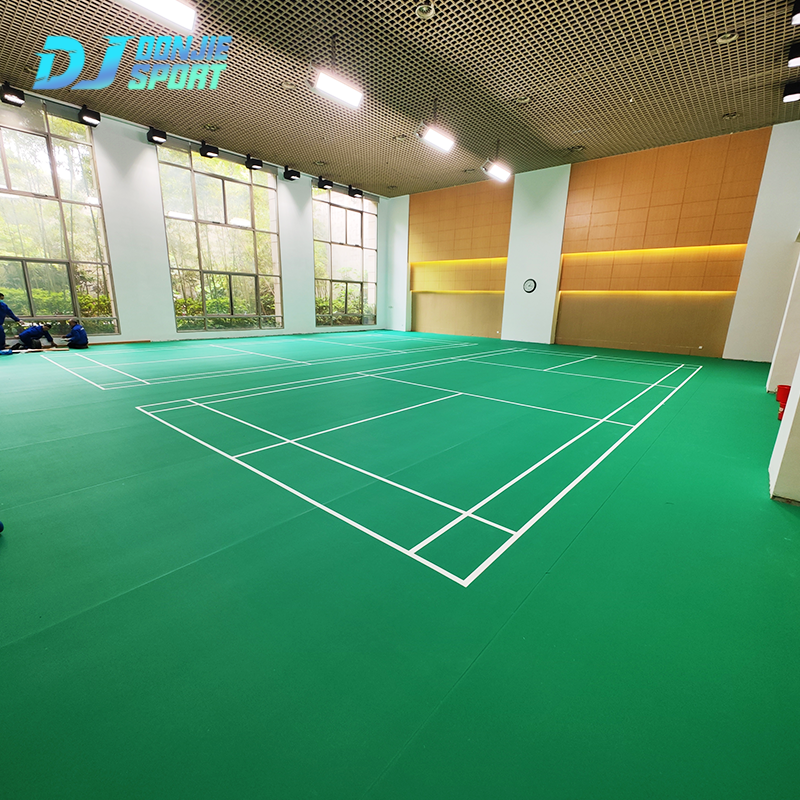
Choosing the right Badminton Court Surface Outdoor is essential for both casual players and professional athletes. Unlike indoor courts, outdoor courts are constantly exposed to varying weather conditions, including sunlight, rain, and temperature fluctuations, which can significantly affect the court’s durability and playability. Selecting a surface that can withstand these elements ensures a safe, consistent, and enjoyable playing experience.
When planning an outdoor badminton court, several factors come into play, such as material durability, maintenance requirements, and player safety. A well-chosen surface not only enhances performance but also minimizes long-term costs by reducing the need for frequent repairs or replacements. In this guide, we will explore different materials available for outdoor badminton courts, their benefits and drawbacks, and provide practical tips for installation and upkeep to help you make an informed decision for your space.

Understanding Outdoor Badminton Court Surfaces
Outdoor badminton courts differ significantly from their indoor counterparts. Indoor courts benefit from controlled environments with consistent temperature, humidity, and protection from sunlight. In contrast, an outdoor court is exposed to UV rays, rain, wind, and fluctuating temperatures, all of which can degrade materials over time if not properly selected.
Weather-related challenges are a major consideration. UV exposure can cause synthetic surfaces to fade or crack, moisture from rain or snow can lead to mold or slippery conditions, and temperature swings can cause expansion or contraction of certain materials. These factors make the choice of Badminton Court Surface Outdoor critical for maintaining long-term playability, safety, and aesthetics.
Popular Materials for Outdoor Badminton Courts
Synthetic PVC Flooring
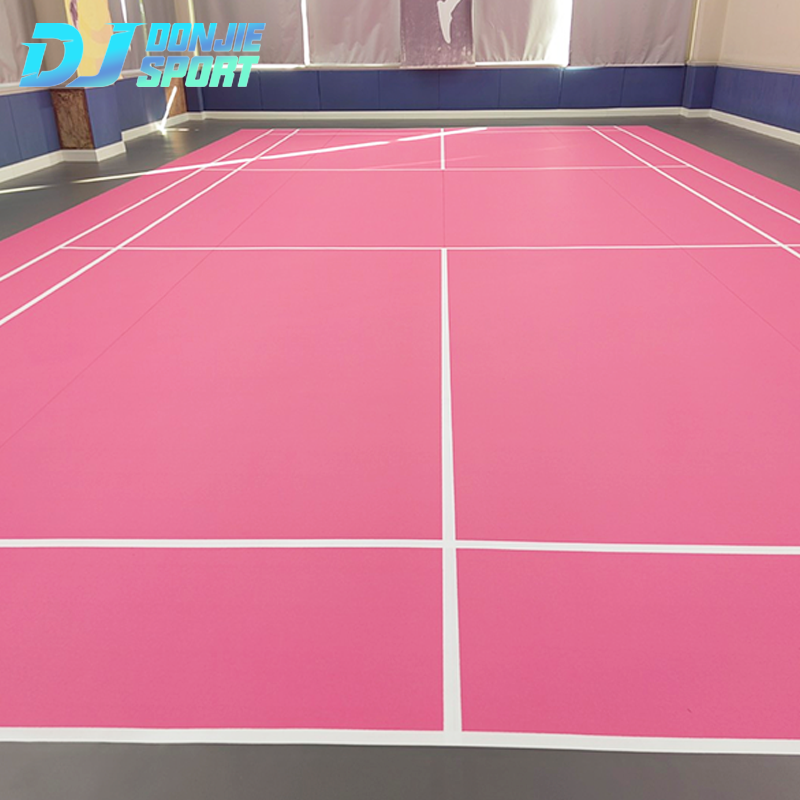
PVC or vinyl flooring is increasingly popular for outdoor badminton courts due to its combination of durability and comfort. High-quality PVC materials are resistant to UV damage, water, and general wear, making them ideal for outdoor environments. They provide good shock absorption, reducing the risk of joint injuries for players. Maintenance is relatively straightforward, requiring regular cleaning to prevent dirt buildup and occasional checks for surface damage. The main drawback is the higher upfront cost compared to concrete or asphalt.
Interlocking Modular Tiles
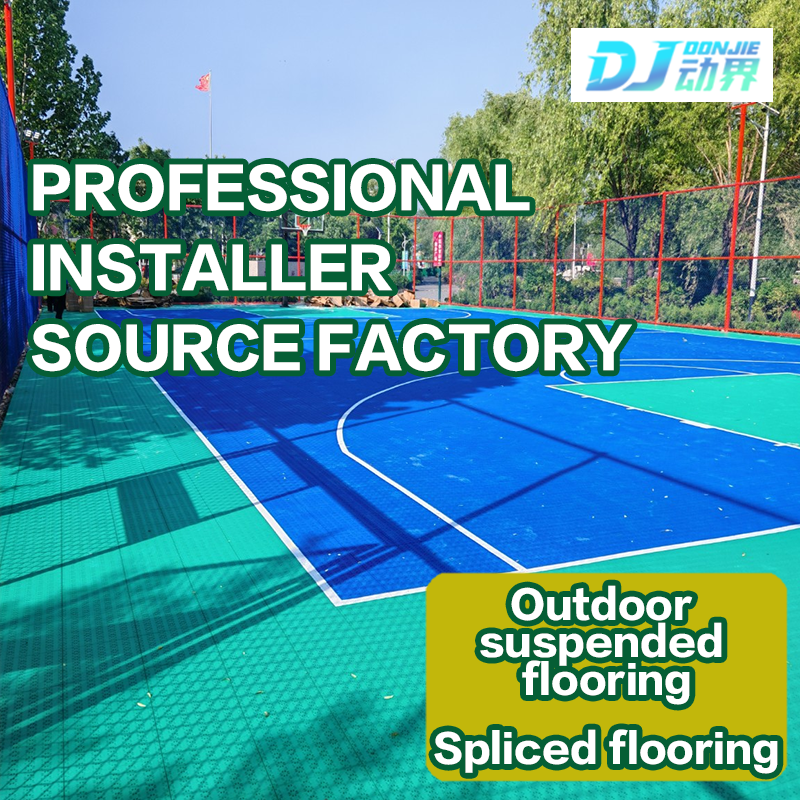
Modular tiles are made from durable plastics and can be easily assembled over existing surfaces. They offer excellent traction, shock absorption, and drainage, which is crucial for wet or humid climates. Interlocking tiles also allow for quick installation and relocation if needed. However, lower-quality tiles can become loose over time, and uneven installation may affect playability. Despite these challenges, modular tiles are a versatile solution for both residential and commercial outdoor courts.
Asphalt or Concrete with Coating
Traditional asphalt or concrete courts are cost-effective and highly durable. To enhance playability, these surfaces are often coated with acrylic or polyurethane layers that provide traction, cushioning, and resistance to weathering. While the initial investment is lower, the court may require resurfacing every few years to maintain optimal performance. Asphalt and concrete are less forgiving on joints, so additional mats or padding may be considered for safety.
Hybrid or Composite Surfaces
Hybrid surfaces combine synthetic and natural materials to balance performance, durability, and comfort. These courts often incorporate a synthetic top layer over a robust base, offering superior shock absorption and long-lasting resilience. Although hybrid courts are usually more expensive, they provide an excellent combination of low maintenance, durability, and professional-level playability.
Factors to Consider When Choosing Outdoor Court Materials
Climate and Weather Exposure
The local climate significantly impacts material selection. Regions with heavy rainfall may benefit from interlocking tiles with superior drainage, while sunny areas require UV-resistant synthetic surfaces to prevent fading and cracking.
Player Safety and Injury Prevention
Shock absorption, slip resistance, and surface consistency are critical for preventing injuries. Materials should offer a stable playing surface without compromising cushioning for joints and muscles.
Budget and Maintenance Costs
Consider both initial installation costs and long-term maintenance. High-quality synthetic and hybrid surfaces may require a higher upfront investment but reduce recurring costs due to their durability. Cheaper options may save money initially but can incur higher repair or replacement expenses over time.
Aesthetic Appeal and Court Branding
For public or professional venues, surface color, texture, and markings can enhance visual appeal and reflect branding. Choosing materials that maintain their appearance despite weather exposure adds value to the court experience.
Installation and Maintenance Tips for Outdoor Badminton Courts
Proper Ground Preparation
A stable, level sub-base is essential for longevity. Gravel or compacted soil foundations help prevent cracks and uneven surfaces.
Installation Techniques
-
PVC flooring should be carefully unrolled and adhered according to manufacturer guidelines.
-
Interlocking tiles require precise alignment to prevent gaps.
-
Asphalt and concrete surfaces must be coated evenly and allowed to cure properly for a uniform playing area.
Routine Maintenance
-
Regularly clean surfaces to remove debris and prevent moss or algae growth.
-
Inspect the court for cracks, loose tiles, or worn coating, addressing issues promptly.
-
Seasonal maintenance, such as covering courts in winter or UV treatment in summer, can extend lifespan significantly.
Cost vs. Performance: Making the Right Investment
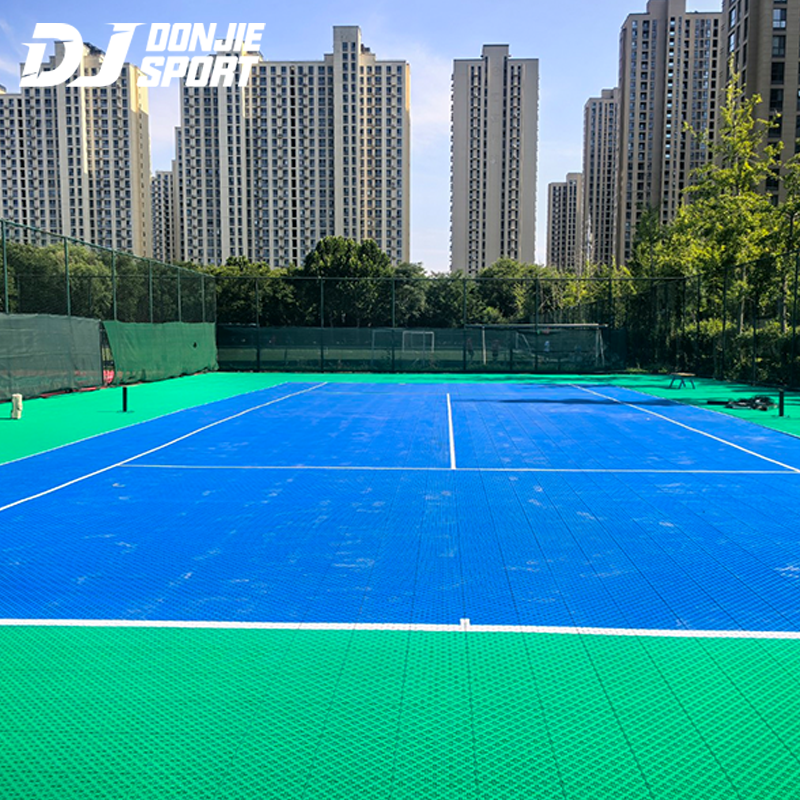
Balancing cost and performance is key when selecting an outdoor badminton court surface. While high-end synthetic or hybrid materials have a higher initial cost, their resistance to weathering and reduced maintenance often make them more cost-effective over time. Cheaper surfaces, such as uncoated asphalt or low-quality tiles, may save money upfront but can require frequent repairs, affecting overall playability.
For courts with frequent use, durability and player safety should outweigh initial cost considerations. For occasional recreational use, modular tiles or coated asphalt may offer a satisfactory compromise between cost and performance. Evaluating the long-term benefits and risks of each material type ensures a smart investment that delivers consistent quality and minimizes future expenses.
Conclusion
Choosing the right Badminton Court Surface Outdoor is a critical decision that affects playability, safety, and long-term durability. Synthetic PVC flooring, interlocking tiles, asphalt or concrete with coating, and hybrid surfaces each offer unique advantages and trade-offs, depending on climate, budget, and usage. Prioritizing weather resistance, player safety, and maintenance requirements ensures a court that performs well for years to come. Investing in a high-quality surface not only enhances the playing experience but also reduces long-term costs, making it a wise choice for both residential and professional venues.