When it comes to creating the perfect badminton court, the surface plays a crucial role in player performance, safety, and overall game experience. Badminton Court Tiles are increasingly recognized as a superior solution for both indoor and outdoor courts. Unlike traditional mats or wooden flooring, these tiles offer enhanced grip, shock absorption, and durability, ensuring that players can move swiftly and safely during matches. Choosing the right flooring is not just about aesthetics—it directly impacts injury prevention, ball response, and the longevity of the court itself. In this guide, we’ll explore everything you need to know about Badminton Court Tiles for indoor and outdoor settings, helping you make an informed decision for your court.
Understanding Badminton Court Tiles
What Are Badminton Court Tiles?
Badminton Court Tiles are modular flooring units specifically designed for sports like badminton. They interlock to form a smooth, even surface, providing consistent traction and comfort. These tiles can be made from various materials, each tailored to specific playing conditions.
Materials Commonly Used: PVC, PP, and Hybrid Composites
-
PVC Tiles: Popular for indoor courts due to their soft, non-slip surface, shock absorption, and ease of maintenance.
-
PP (Polypropylene) Tiles: Known for durability and resistance to wear, making them ideal for outdoor courts.
-
Hybrid Composites: Combine flexibility and strength, suitable for multi-purpose sports areas.
Differences Between Tiles and Traditional Mats or Wooden Flooring
Unlike rolled mats, tiles offer a stable surface without curling edges or uneven patches. Compared to wooden flooring, tiles are more resistant to moisture, temperature changes, and heavy foot traffic. This makes them particularly effective for venues where long-term durability and minimal maintenance are required.
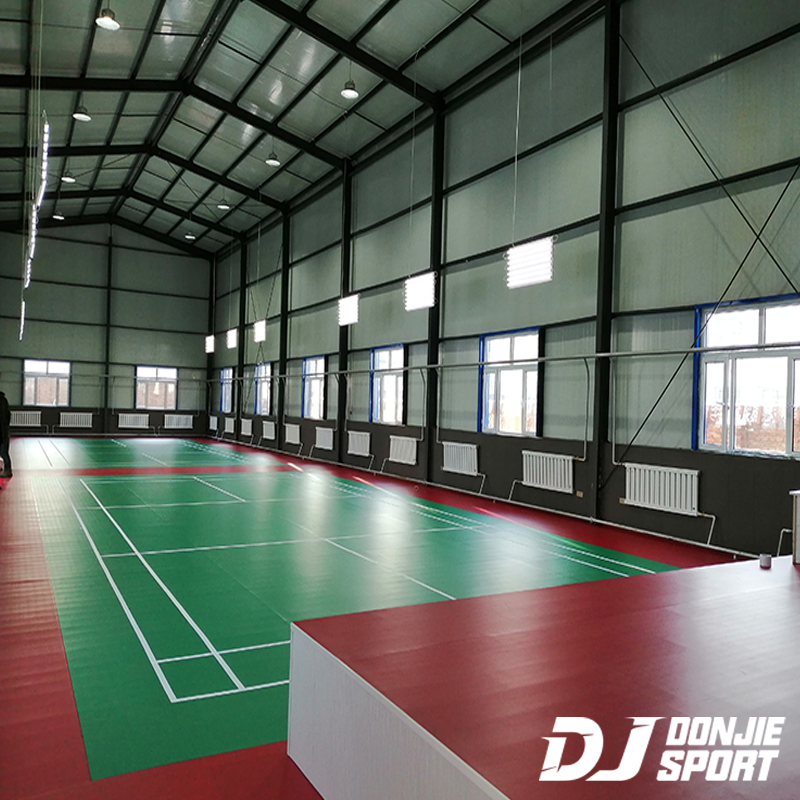
Indoor Badminton Court Mats: Key Considerations
Surface Traction and Player Movement
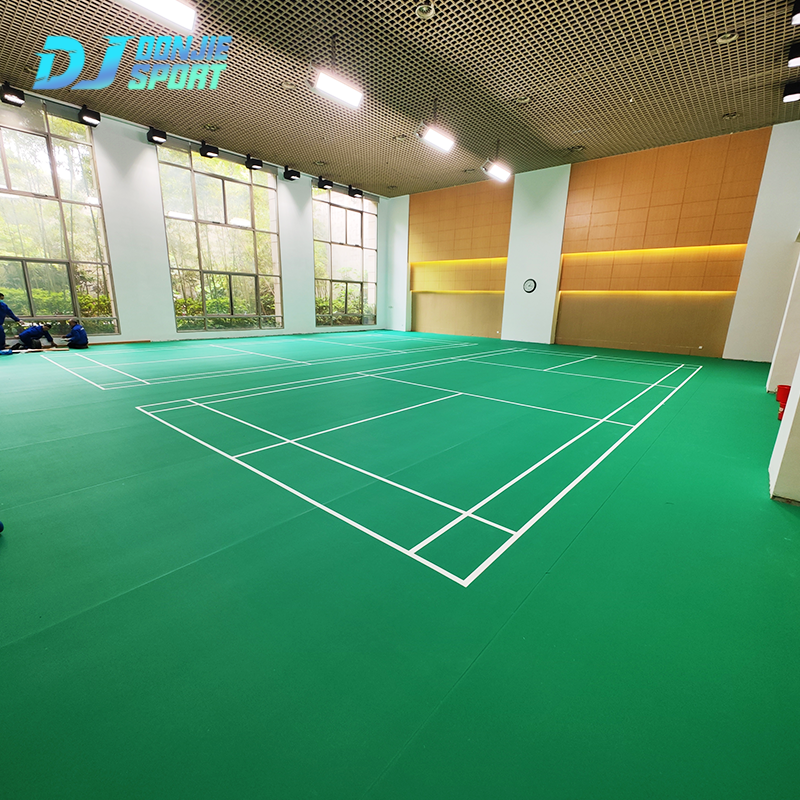
Indoor Badminton Court Tiles provide excellent grip, reducing the risk of slips and falls. Their interlocking design ensures uniform traction across the entire court, enabling players to execute fast movements and sudden direction changes confidently.
Shock Absorption and Injury Prevention
High-quality indoor tiles are designed to absorb impact, reducing stress on joints and minimizing the risk of injuries like ankle sprains or knee strain. This is especially important in professional or high-intensity training environments.
Maintenance and Cleaning for Indoor Tiles
Indoor tiles are easy to maintain with regular sweeping, mopping, or using a damp cloth. Stains and sweat can be easily cleaned without compromising the surface quality. This convenience extends the life of the court and keeps it hygienic for regular play.
How Indoor Tiles Enhance Professional Play
Professional players benefit from consistent ball bounce and movement dynamics offered by indoor tiles. The even surface allows for precise footwork and rapid shuttlecock reactions, critical for competitive play.
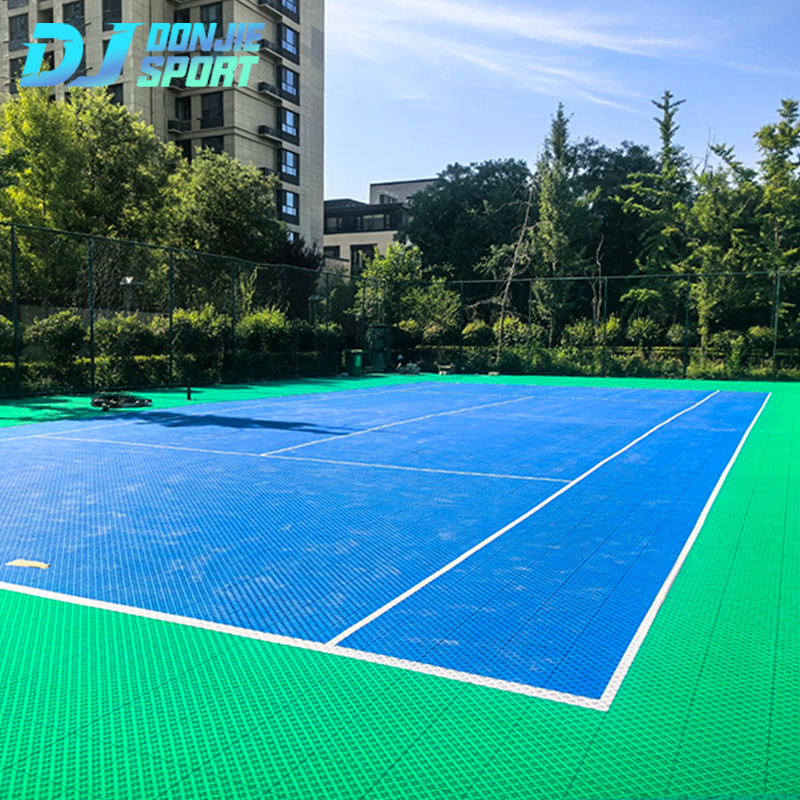
Outdoor Badminton Court Mats: What You Need to Know
Weather-Resistant and UV-Protected Materials
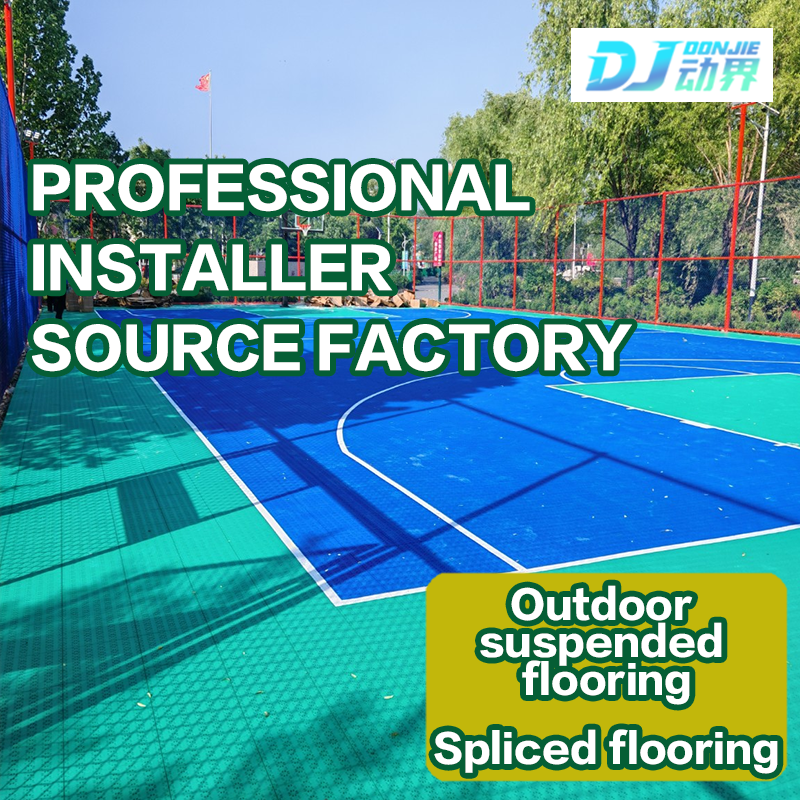
Outdoor Badminton Court Tiles are engineered to withstand direct sunlight, rain, and temperature fluctuations. UV-protected surfaces prevent discoloration and material degradation over time.
Drainage and Water-Resistant Design
Many outdoor tiles feature perforated or elevated designs to allow water to drain quickly, preventing puddles and ensuring safe play even after rainfall.
Longevity and Durability Considerations for Outdoor Tiles
Outdoor tiles must resist wear from shoes, environmental conditions, and frequent use. Choosing high-quality PP or hybrid tiles ensures a long-lasting surface that maintains its integrity over years of play.
Installation Tips for Outdoor Courts
Outdoor installation requires proper ground leveling and secure interlocking to prevent movement. Unlike indoor setups, outdoor tiles may require slight spacing to allow expansion and contraction due to temperature changes.
Installation Guide for Badminton Court Tiles
Measuring and Preparing the Court Area
Accurate measurement of court dimensions is essential. Ensure the subfloor is clean, level, and free of debris to prevent uneven tile placement.
Step-by-Step Installation for Interlocking Tiles
-
Start from one corner and gradually work row by row.
-
Ensure each tile locks securely with its neighbor.
-
Trim edges for a precise fit along walls or boundaries.
Common Mistakes to Avoid During Installation
Avoid uneven subfloors, improper interlocking, or skipping expansion gaps, which can lead to warping or gaps over time.
DIY vs Professional Installation: Cost and Time Comparison
DIY installation is possible for smaller courts and cost-conscious users. For larger or professional-grade courts, professional installation ensures durability, correct alignment, and long-term performance.
Maintenance and Longevity of Badminton Court Tiles
Regular Cleaning Routines for Indoor and Outdoor Tiles
Sweep daily and mop with mild detergent. Outdoor tiles may require pressure washing periodically.
Preventing Wear and Tear
Rotate high-traffic areas if possible and use protective covers when the court is not in use.
Repairing Damaged Tiles vs Full Replacement
Individual tiles can often be replaced without disrupting the entire court, making tiles a cost-effective choice over other flooring options.
Tips for Extending Lifespan and Maintaining Performance
Avoid dragging heavy equipment, keep shoes clean, and maintain proper drainage for outdoor courts to preserve tile quality.
Comparing Badminton Court Tiles with Other Flooring Options
Wooden Flooring vs Tiles: Advantages and Disadvantages
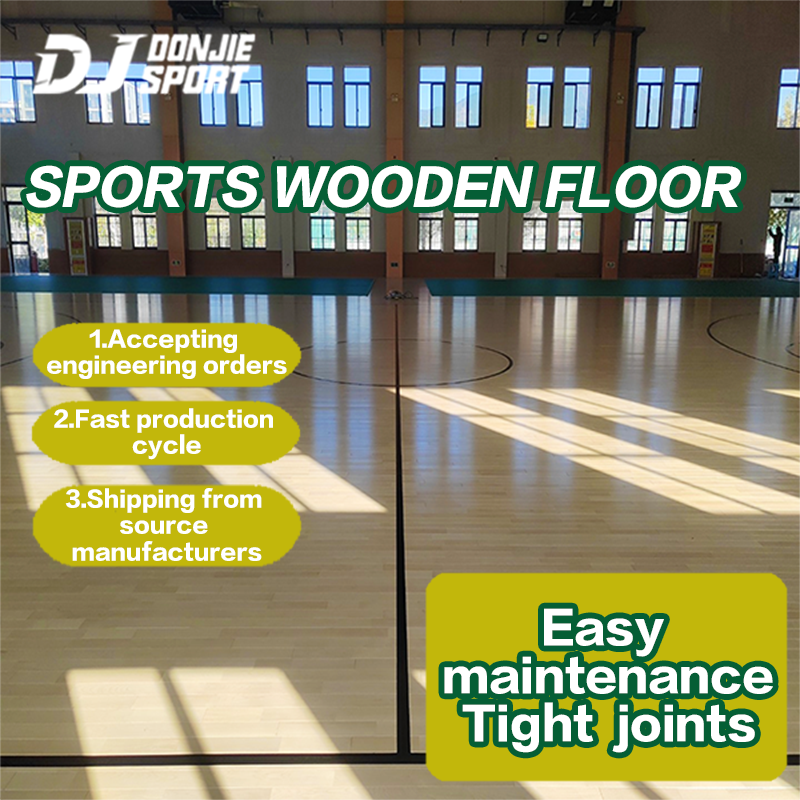
Wooden flooring provides a traditional feel and elegant aesthetics but is prone to moisture damage and requires regular maintenance. Tiles, in contrast, are easier to maintain, more durable, and adaptable for both indoor and outdoor use.
Synthetic Mats vs Tiles: Which Is Better for Different Scenarios
Synthetic mats are flexible and portable but may lack the stability and longevity of tiles. Tiles offer a consistent, permanent solution that supports professional-level play.
Cost Comparison and ROI Analysis
While initial investment in high-quality tiles may be higher than mats, the long-term durability, low maintenance, and replaceable modular sections provide superior ROI.
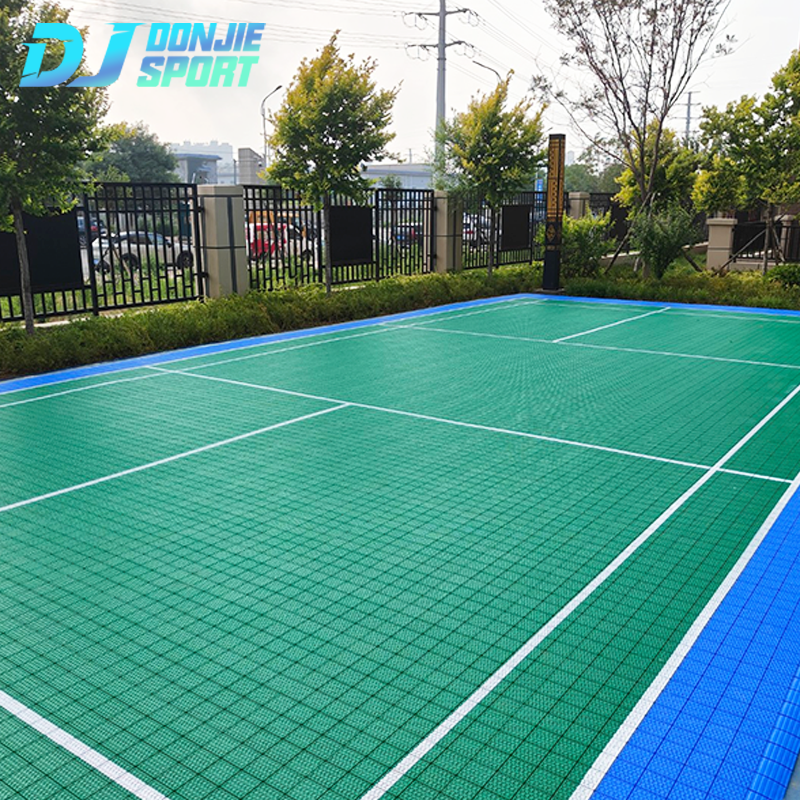
Choosing the Right Badminton Court Tiles for Your Needs
Factors to Consider: Level of Play, Budget, Indoor/Outdoor Use
Assess the frequency of use, type of players, and environmental conditions. Professional training courts may prioritize shock absorption and consistency, while recreational setups may focus on affordability and ease of installation.
Recommended Tile Types for Amateur vs Professional Courts
-
Amateur: PVC or PP tiles with basic interlocking features.
-
Professional: Advanced hybrid composites with superior grip, cushioning, and UV protection.
Expert Advice on Selecting Durable and Safe Flooring
Choose tiles from reputable manufacturers, check for certifications, and consider long-term maintenance before purchasing. High-quality tiles reduce the risk of injuries and enhance player experience.
Elevate Your Game with the Right Badminton Court Tiles
Investing in high-quality Badminton Court Tiles transforms both indoor and outdoor courts. These tiles provide unmatched durability, safety, and performance compared to traditional flooring options. From enhanced grip and shock absorption to easy maintenance and long-term cost-effectiveness, they are the ideal choice for players at all levels. By selecting the right tiles, you ensure a safer, more enjoyable, and professional-standard playing environment, helping every player elevate their game.