When it comes to setting up the perfect badminton court, one of the most crucial elements to consider is the flooring. A well-chosen surface can significantly impact the performance of the players, the longevity of the court, and the safety of those using it. But what exactly makes a badminton court surface ideal? Whether you’re setting up a professional sports facility or creating a recreational court at home, understanding the key characteristics of badminton flooring is essential.
Badminton flooring needs to provide a delicate balance between performance, comfort, and durability. From professional competitions to casual games, players require a surface that not only supports their movement but also prevents injuries. A quality court can contribute to faster footwork, better agility, and more controlled play, all while ensuring that the flooring remains resilient under heavy foot traffic.
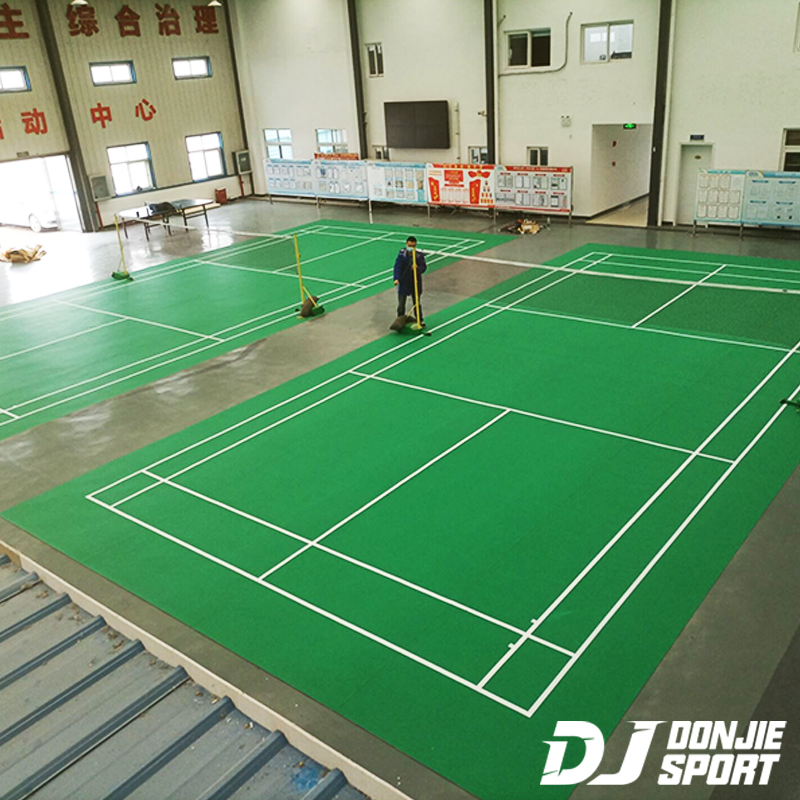
Key Characteristics of Ideal Badminton Flooring
When selecting badminton flooring, several key characteristics must be considered to ensure the court provides optimal performance and safety. These features contribute to the overall playing experience and can enhance or hinder the players’ performance.
-
Traction and Grip for Safety
The right level of traction is crucial for preventing slips and falls. Badminton players rely heavily on fast footwork, sudden stops, and rapid directional changes. Flooring that offers too much or too little grip can increase the risk of injury. The ideal badminton court surface should provide enough traction to ensure players can move freely and confidently, without the risk of slipping or twisting an ankle.
-
Shock Absorption to Protect Joints
Badminton is a high-impact sport, with players frequently jumping and landing. A flooring material with adequate shock absorption will reduce the strain on players’ knees, ankles, and hips, helping to prevent long-term injuries. Flooring with cushioned layers can absorb impact efficiently, providing a softer landing for players during intense gameplay. This characteristic is especially important for indoor courts, where hard surfaces like concrete can contribute to joint pain over time.
-
Consistency in Ball Bounce and Surface Uniformity
For a high-quality badminton court, the ball bounce needs to be consistent and predictable. A surface that is uneven or too soft can cause unpredictable bounces, disrupting the flow of the game. The ideal court surface ensures that the shuttlecock bounces uniformly, regardless of where it hits the court, giving players full control over their shots. Consistency in the surface texture also contributes to overall fairness in gameplay.
-
Durability for Long-Lasting Performance
A badminton court is subject to heavy wear and tear, especially in professional environments. The flooring must be durable enough to withstand frequent use, from competitive matches to recreational play. High-quality flooring materials resist scratches, stains, and fading, ensuring that the court maintains its appearance and performance over time. The durability of the flooring also reduces the need for frequent maintenance and replacement, saving long-term costs.
Materials Used in Badminton Flooring
Choosing the right material for your badminton court is essential to achieving the desired performance and durability. Below are the most common types of flooring materials used in badminton courts:
-
PVC and Vinyl Flooring
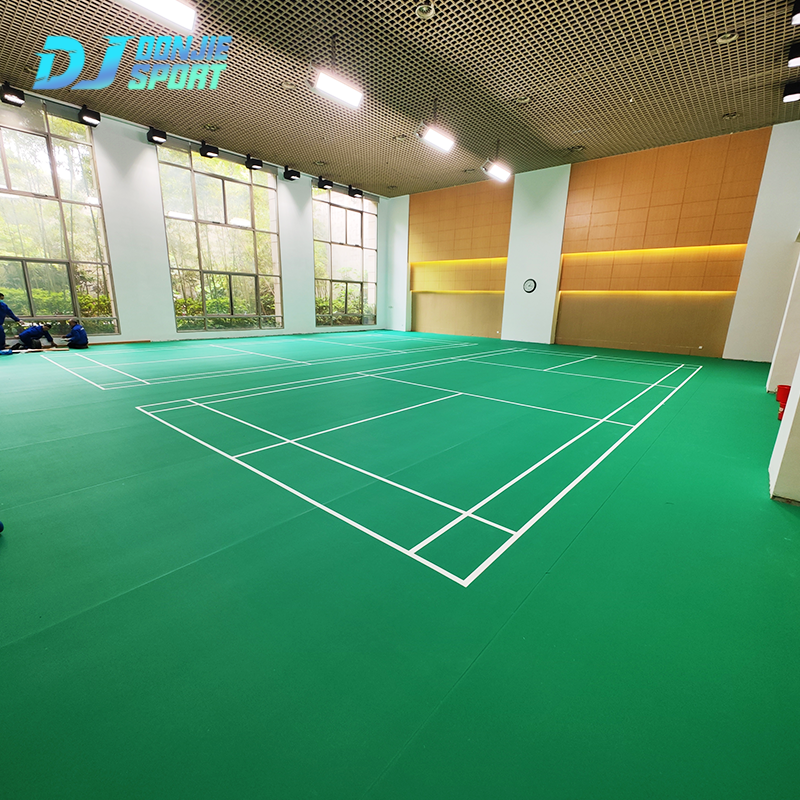
PVC (Polyvinyl Chloride) and vinyl flooring are among the most popular choices for badminton courts. These materials are affordable, easy to install, and come in a variety of styles and colors. PVC and vinyl offer excellent traction, durability, and shock absorption, making them ideal for both recreational and professional courts. They also provide a consistent and smooth playing surface, which is essential for top-level play.
-
Wood Flooring Options
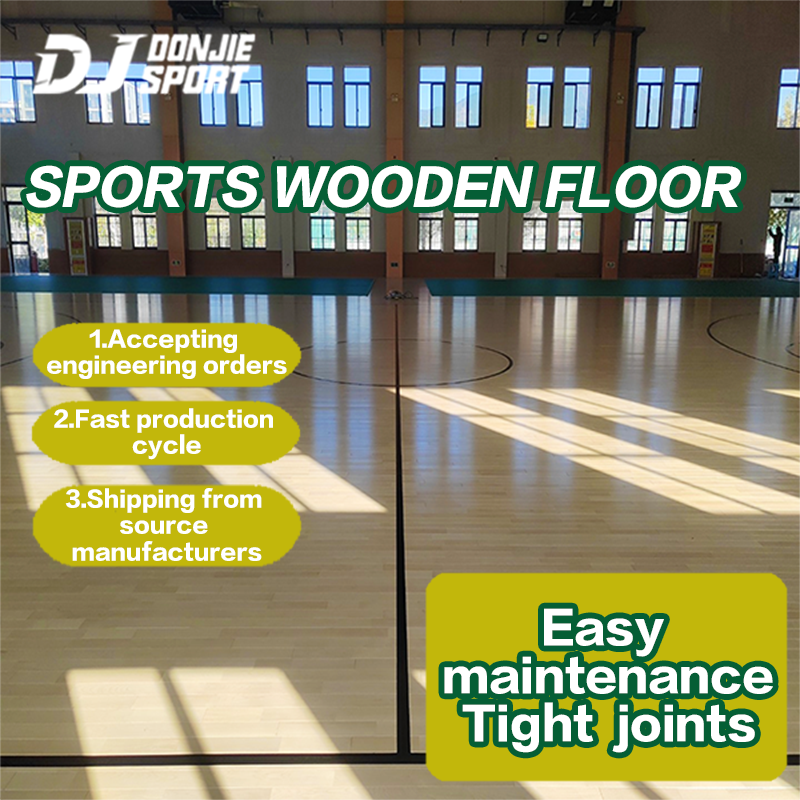
Wooden flooring has been a traditional choice for badminton courts, particularly for indoor use. Hardwood floors such as maple are known for their natural resilience and aesthetic appeal. They provide a firm, yet comfortable surface that enhances player performance. However, wood flooring requires regular maintenance, including sanding and refinishing, to preserve its smoothness and durability. While wood is a classic choice, it is also more expensive and requires a well-maintained environment to avoid warping.
-
Synthetic Rubber Flooring
Synthetic rubber flooring is a versatile and durable option for badminton courts. It offers a high degree of shock absorption and traction, making it suitable for players who need support during intense play. Rubber flooring is often used in multi-purpose sports halls where badminton courts may be shared with other sports. This flooring option is easy to maintain and provides a durable surface that can last for many years with minimal wear.
Factors Affecting the Choice of Badminton Flooring
Choosing the right badminton flooring depends on several factors, including the intended use, environment, and budget. Here are some important considerations:
-
Indoor vs. Outdoor Considerations
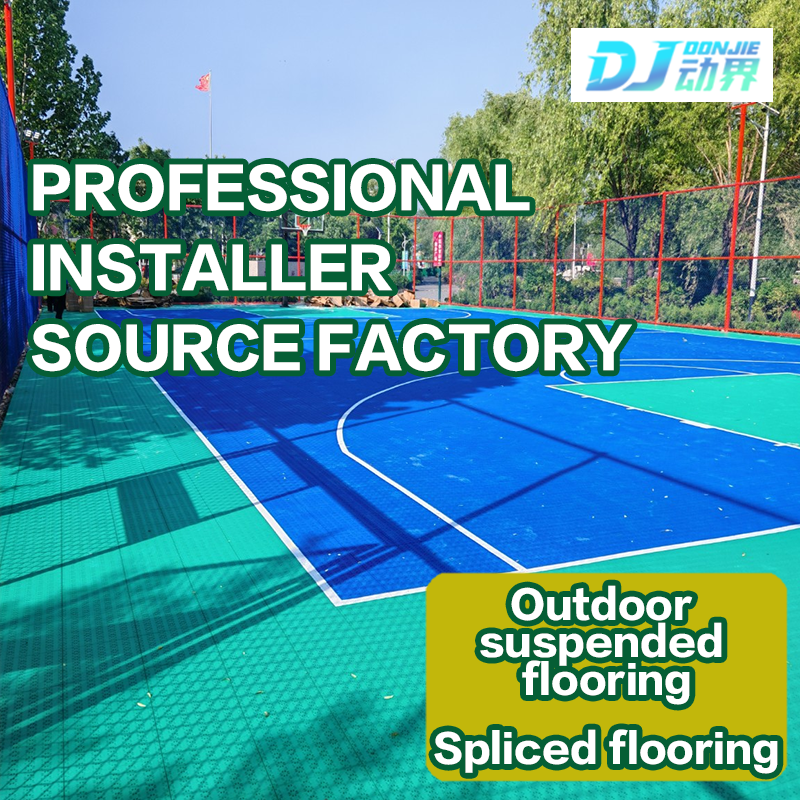
Badminton courts are typically designed for indoor play, where climate control ensures the longevity of the flooring. Outdoor courts, on the other hand, need to withstand environmental elements such as rain, UV rays, and fluctuating temperatures. When choosing flooring for an outdoor badminton court, materials like rubber or specific outdoor PVC coatings may be more suitable as they are resistant to weathering.
-
Court Size and Environment
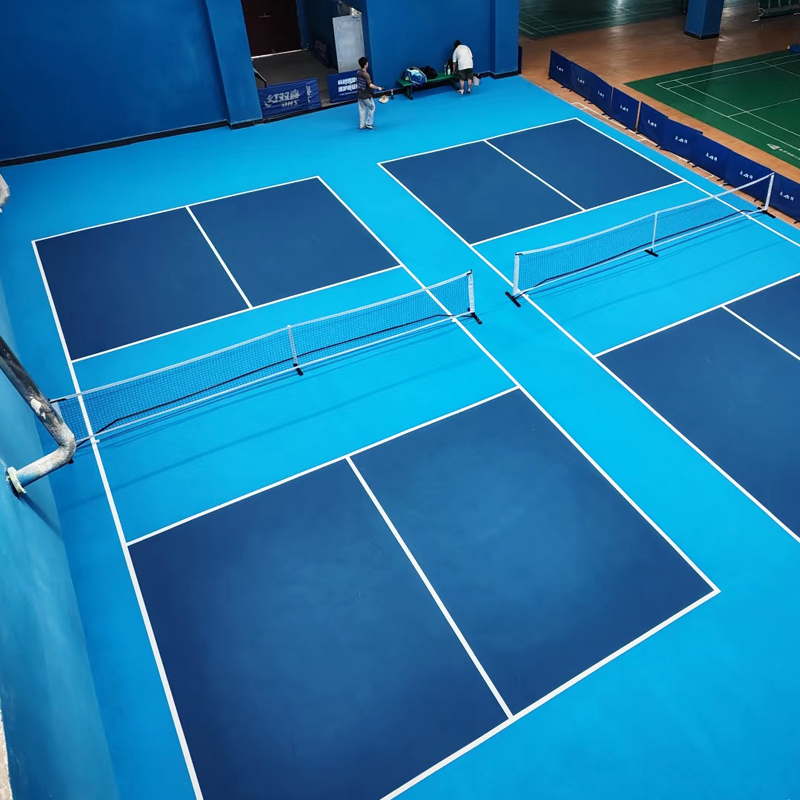
The size of your court and the environment in which it is located also influence the type of flooring you choose. For smaller courts or multi-purpose spaces, interlocking tiles or modular flooring may be the best option. For larger professional facilities, a seamless, high-quality vinyl or wooden floor may be preferred.
-
Budget and Maintenance Needs
Your budget plays a critical role in determining the flooring material you choose. While materials like wood or premium vinyl flooring can be expensive, they offer long-term benefits in terms of performance and durability. On the other hand, more budget-friendly options like PVC may have lower upfront costs but require more frequent maintenance.
Installation and Maintenance Tips for Badminton Courts
Once you’ve chosen the right material for your badminton flooring, proper installation and maintenance are crucial to ensure its longevity and performance.
-
Installation Methods: Glue-Down vs. Interlocking Tiles
Badminton court flooring can be installed in two main ways: glue-down or interlocking tiles. Glue-down installations provide a smooth, seamless finish but may be more challenging to replace or repair. Interlocking tiles offer flexibility, allowing for easier installation and removal, making them ideal for multi-use spaces.
-
Regular Care and Maintenance for Longevity
To maintain the quality of your badminton flooring, regular cleaning is essential. Sweep or vacuum the surface frequently to remove dust and debris, and use a damp cloth to wipe away any stains. For vinyl and PVC flooring, a gentle detergent can be used to maintain its appearance without damaging the surface. Wooden floors, on the other hand, may require occasional refinishing to prevent scratches and wear.
The Role of Badminton Flooring in Player Performance
The flooring on a badminton court has a direct impact on player performance. A surface that provides good traction and shock absorption helps players move more efficiently and safely. Flooring that allows for quick starts, stops, and lateral movements enhances a player’s speed and agility, critical attributes in a fast-paced sport like badminton.
The right flooring can also contribute to a more comfortable playing experience. Badminton requires quick reflexes, and players will perform better if their feet are well-supported and the flooring absorbs some of the shock from jumps and sprints.
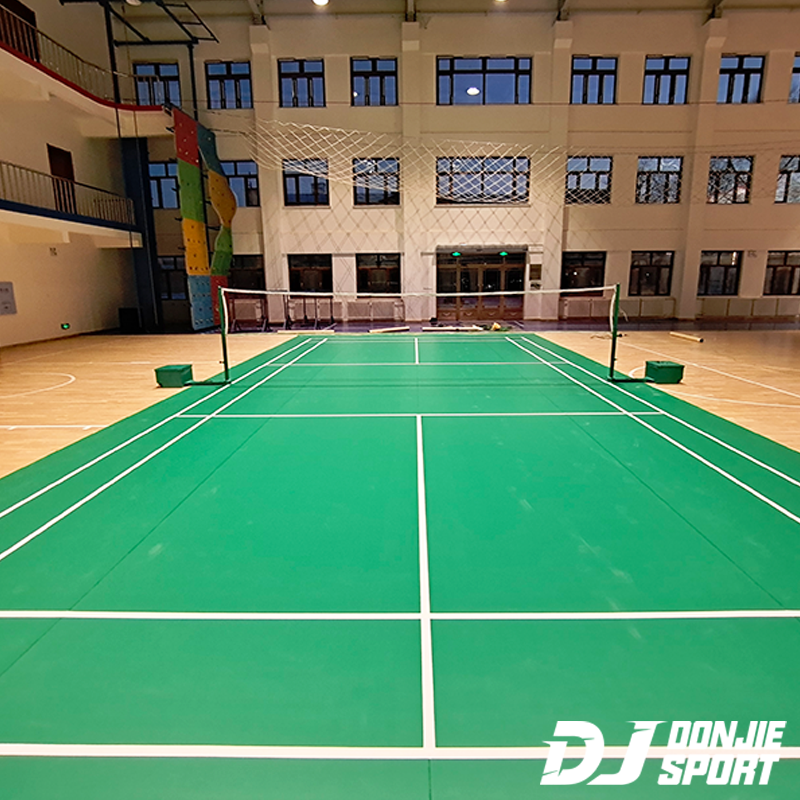
Choosing the Right Badminton Flooring for Your Facility
When selecting flooring for a badminton court, it’s important to ask yourself a few key questions:
-
What type of players will use the court (e.g., recreational, professional)?
-
Is the court indoor or outdoor?
-
What is your budget for installation and maintenance?
-
How much traffic will the court experience?
Answering these questions will guide you toward the best flooring material for your needs, ensuring that both the players and the facility benefit from a high-performance court.
Elevating Your Game with the Perfect Badminton Flooring
In conclusion, the right badminton flooring can significantly enhance both the safety and performance of the players on the court. Whether you choose PVC, wood, or rubber, it’s essential to consider factors such as traction, shock absorption, and durability. By carefully selecting the ideal flooring for your badminton court, you can create an environment that promotes excellent gameplay, reduces injury risks, and provides a long-lasting court for years to come.