When it comes to ballet, the environment in which dancers perform and practice plays a significant role in their development and safety. Ballet dance floors are more than just surfaces to dance on; they are crucial to preventing injuries and ensuring optimal performance. The right dance floor can help minimize stress on dancers’ bodies, enhance technique, and provide a safe space for growth. But why is it so essential for ballet floors to meet specific standards? In this article, we’ll explore why ballet dance floors are indispensable for professional training and how they contribute to a dancer’s overall success.
The Unique Demands of Ballet Dance
The Impact of Ballet on the Body
Ballet is a physically demanding art form that places significant strain on a dancer’s body, especially their joints, tendons, and muscles. The movements involved in ballet—whether it’s a delicate pirouette or an energetic grand jeté—require precise control and often high-impact force, which can lead to fatigue or injury if not managed properly. This is where the ballet dance floor plays a pivotal role.
Unlike other dance forms, ballet relies heavily on repetitive motions that can stress the body over time. A proper ballet floor ensures that dancers can execute these demanding movements without absorbing too much shock from the hard ground beneath them. The right floor offers essential cushioning, reducing the likelihood of injuries like sprains, strains, or stress fractures that can arise from repeated high-impact movements.
The Importance of Consistent, Smooth Surfaces
In addition to injury prevention, a smooth, consistent surface is vital for a dancer’s overall performance. Any irregularities in the flooring—such as bumps, uneven seams, or slippery spots—can impede a dancer’s ability to execute movements correctly. Ballet requires precision, and a floor that provides a uniform, predictable surface enhances the dancer’s ability to maintain balance and execute movements with accuracy.
Key Features of Professional Ballet Dance Floors
Shock Absorption for Injury Prevention
One of the primary considerations when selecting a ballet dance floor is its ability to absorb shock. The right floor material absorbs some of the impact during jumps and landings, protecting the dancer’s joints from excessive stress. Without adequate shock absorption, dancers can experience wear and tear on their knees, hips, and lower back over time.
Spring floors, for example, are specifically designed to reduce shock and increase comfort while dancing. These floors incorporate a cushioned underlay that provides bounce without compromising the dancer’s ability to move fluidly. The balance between cushion and firmness is crucial for preventing long-term injuries and enhancing performance.
Surface Texture for Optimal Grip
Another essential feature of ballet dance floors is their surface texture. Ballet dancers need a floor that provides just the right amount of grip. Too little friction, and a dancer risks slipping and losing control during turns or jumps. Too much friction, and their movements may become restricted, especially during spins or slides.
Ideal ballet floors, like Marley or other vinyl surfaces, are designed to offer moderate grip that allows dancers to move confidently while still enabling fluidity in movement. This balance is key for preventing falls, aiding technique, and ensuring smooth transitions between steps.
Material Choices for Ballet Dance Floors
Wooden Floors: Tradition and Versatility
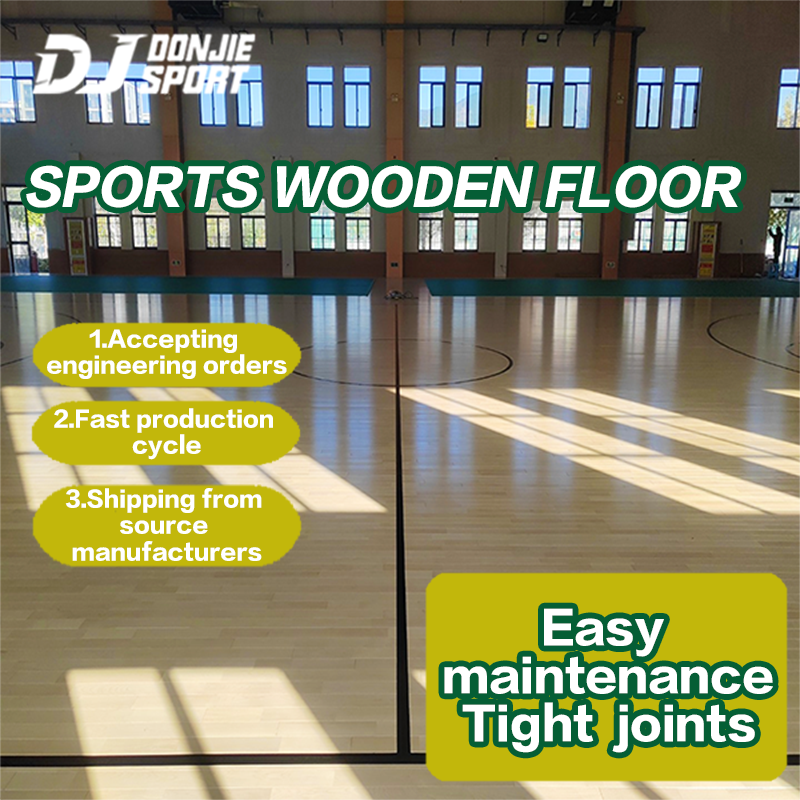
Wooden ballet dance floors have long been a staple in professional ballet studios. The traditional wood floor offers both aesthetic appeal and a high level of functionality. A sprung wooden floor, made with a flexible system of layers, provides excellent shock absorption and creates a forgiving surface for dancers.
Wood floors are also highly durable, making them an excellent choice for busy studios with heavy foot traffic. Furthermore, they offer a sense of elegance and authenticity that many ballet studios prefer. The natural texture of wood can also help maintain the right balance of grip needed for various ballet techniques.
Vinyl and Marley Flooring: Modern Solutions
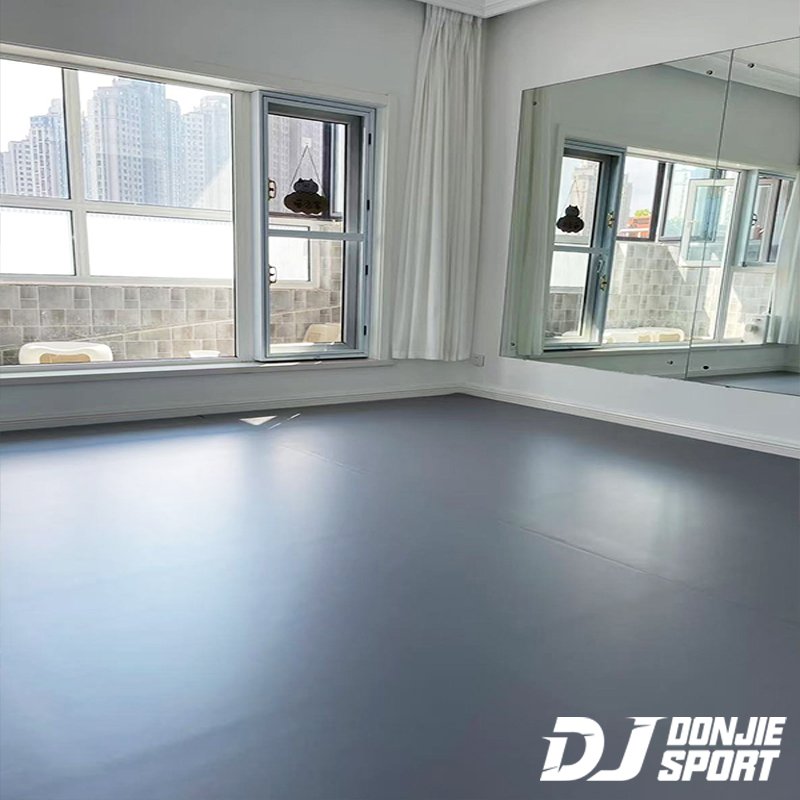
While wooden floors remain popular, modern vinyl ballet floors (also known as Marley floors) are quickly gaining traction in professional settings. These floors are made from high-quality, flexible vinyl that can be rolled out over existing floors. Marley floors provide an excellent balance between durability, comfort, and ease of maintenance.
One of the main advantages of Marley flooring is its lightweight and portable nature. For dancers and studios that need flexibility, Marley floors can be moved, replaced, or customized to fit different spaces. Marley floors also offer a consistent, smooth surface with excellent grip, making them ideal for a variety of dance styles, especially ballet.
The Role of Dance Floors in Enhancing Performance
Creating the Right Environment for Technique Development
The ballet dance floor is more than just a safety feature—it’s an essential component of a dancer’s training environment. A proper floor enables dancers to perfect their technique with precision. The right level of shock absorption, coupled with a smooth surface, allows dancers to execute movements like pirouettes and grand battements with more control, grace, and fluidity.
When dancers feel supported and confident on the floor, they can focus solely on technique rather than worrying about possible slips or discomfort. This mental peace leads to better performance, allowing dancers to push the boundaries of their abilities.
Helping Dancers Achieve Their Full Potential
As dancers strive to improve, having an optimal ballet floor is key. Floors that provide the right support can significantly impact a dancer’s ability to jump higher, turn faster, and maintain balance longer. A floor that offers the correct amount of bounce and stability enables dancers to increase their power and performance without compromising their technique.
Factors to Consider When Choosing a Ballet Dance Floor
Studio Size and Flooring Needs
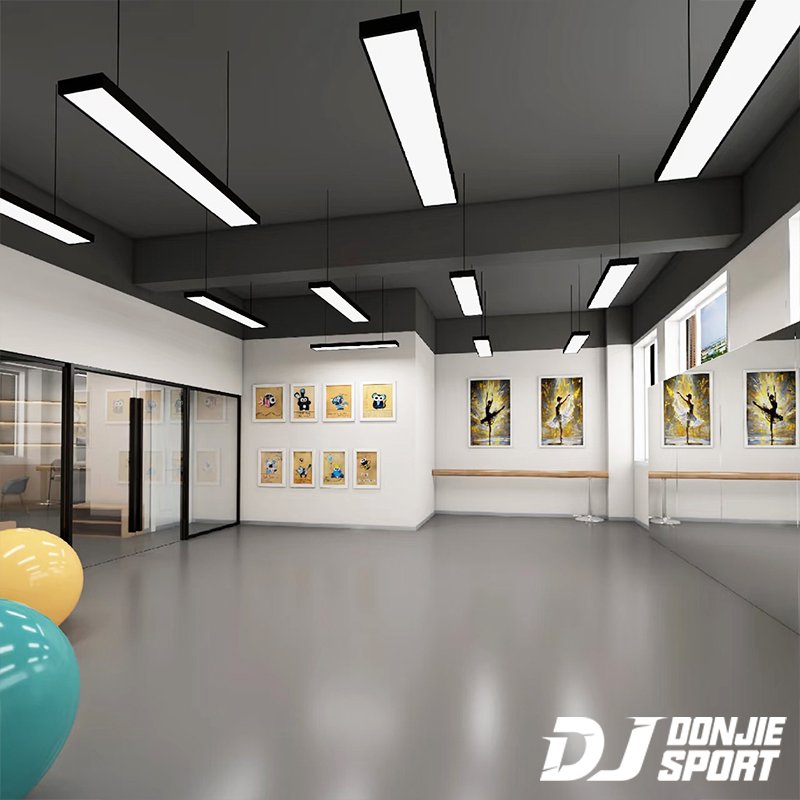
Choosing the right ballet dance floor is not a one-size-fits-all decision. The size of the studio plays a critical role in determining what type of floor is best suited for the space. Larger studios may require more robust flooring options that can handle intense foot traffic, while smaller studios might opt for portable Marley floors that can be easily stored.
Furthermore, some studios may have specific requirements, such as floors that are easy to clean or that accommodate different styles of dance. Customization is key when selecting the right floor to match the specific needs of a studio.
Budget and Maintenance Considerations
The cost of professional-grade ballet dance floors can vary depending on material, size, and customization options. While wooden floors tend to be more expensive, they are a long-term investment that will endure for many years with proper maintenance. Marley and vinyl floors may be more budget-friendly upfront but may require periodic replacements or upkeep.
Another important factor to consider is the ease of maintenance. Wooden floors may require periodic refinishing, while vinyl floors are typically easier to clean and maintain. Weighing these factors will help ensure the floor’s longevity and performance in the long run.
Case Studies of Successful Ballet Studios
Examples of Professional Studios with Exceptional Floors
Some of the world’s top ballet schools and studios have invested in high-quality ballet dance floors to ensure their dancers’ success. For example, the Royal Ballet School in London has opted for sprung wooden floors, which offer optimal shock absorption and support. These floors not only enhance performance but also reduce the risk of injury for young dancers still developing their technique.
In contrast, many contemporary ballet studios, like those in New York, have incorporated Marley floors due to their portability and versatility. These floors have allowed dancers to perform on a variety of surfaces without compromising performance, and they are easily customized to different studio sizes and setups.
Reinforcing the Crucial Role of Ballet Dance Floors in Professional Training
The right ballet dance floor is not just a luxury but a necessity for professional training. From preventing injuries to enhancing performance, a well-chosen floor allows dancers to train with confidence and precision. Whether it’s the classic appeal of wood or the modern benefits of vinyl and Marley floors, selecting the right flooring is an investment in a dancer’s health and success. For those serious about ballet training, the floor is just as important as the shoes and technique. The right surface can elevate performance, prevent injuries, and ultimately help dancers reach their full potential.