When it comes to building or renovating a basketball court, one of the most important decisions is selecting the right flooring. Basketball court flooring isn’t just about looks; it directly impacts game performance, player safety, and the overall longevity of the court. Among the various types of flooring options, parquet and hardwood are two of the most popular choices. Each offers distinct advantages and drawbacks that can influence both the aesthetics and function of the court.
What is Parquet Flooring?
Parquet flooring is a type of wooden flooring made from small pieces of wood arranged in geometric patterns. Typically, these pieces are engineered to create a more visually appealing, interlocking design compared to solid planks. Parquet is often used for its aesthetic value, offering a distinct and classic look that enhances the overall design of the court.
Pros of Parquet Flooring:
-
Visual Appeal: Parquet floors often feature intricate designs and can provide a stylish, unique look for basketball courts. The patterns can be customized to fit specific team logos or branding.
-
Flexibility in Installation: Due to the smaller pieces used, parquet can be easier to install in some cases, especially for courts with complex shapes.
-
Economic Option: In some cases, parquet flooring may be more cost-effective than solid hardwood, as the materials and installation might be cheaper.
Cons of Parquet Flooring:
-
Durability: Parquet is generally not as durable as hardwood. The small pieces of wood are more prone to damage, particularly with heavy use. Over time, parquet flooring may show signs of wear, such as scratches or dents.
-
Maintenance: Parquet requires more regular maintenance and care to preserve its appearance, and it can be more difficult to repair individual panels compared to solid hardwood.
-
Performance: The smaller tiles of parquet can cause unevenness in bounce or player traction if not installed properly, which may negatively affect gameplay.
What is Hardwood Flooring?
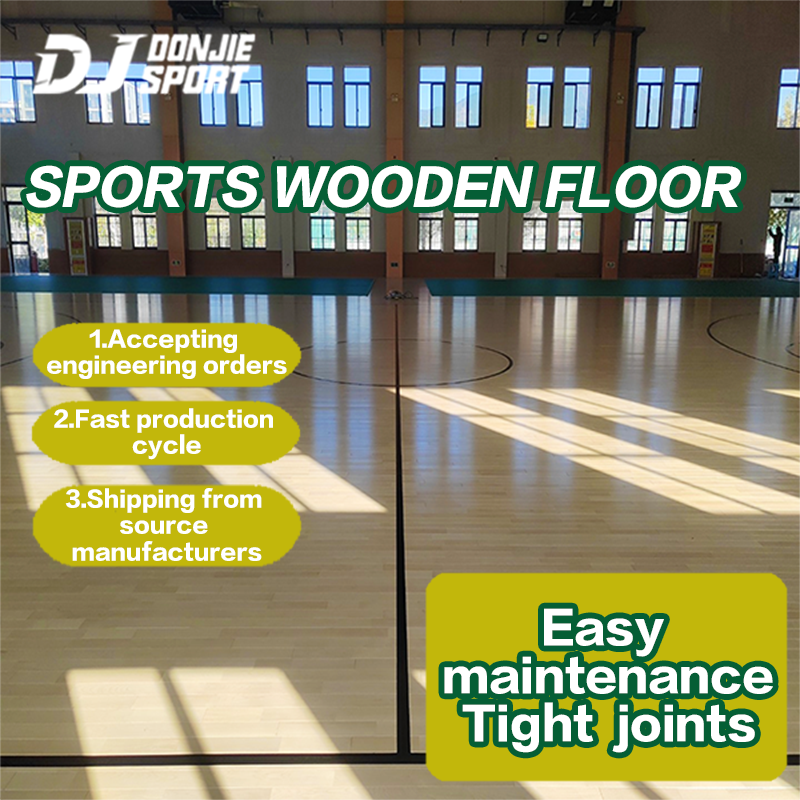
Hardwood flooring, made from solid wood, is the traditional choice for basketball courts. Hardwood options vary, but maple is the most commonly used wood for professional basketball courts due to its resilience and excellent playability.
Pros of Hardwood Flooring:
-
Durability: Hardwood is known for its exceptional durability. It can withstand heavy use, making it a top choice for both professional and recreational courts. With proper care, hardwood floors can last for decades.
-
Game Performance: Hardwood flooring provides a consistent and reliable surface, promoting optimal ball bounce and excellent player movement. The wood’s natural resilience offers a great balance of grip and slide, ensuring player safety.
-
Easy to Repair: Unlike parquet flooring, if a section of hardwood gets damaged, it is easier to replace individual planks or sand down the entire surface for repairs.
-
Long-Term Investment: Although initially more expensive, hardwood floors can offer significant value over time due to their longevity and low maintenance needs.
Cons of Hardwood Flooring:
-
Cost: The initial cost of installing hardwood flooring can be higher than parquet. The material itself is often more expensive, and the installation process may be more labor-intensive.
-
Vulnerability to Moisture: While hardwood floors are resilient, they are sensitive to moisture. In areas with high humidity or exposure to water, hardwood can warp or swell if not properly sealed.
-
Requires Regular Care: Although durable, hardwood floors do require regular care to maintain their appearance. This may include periodic refinishing to prevent wear and tear.
Durability: Which Flooring Option Lasts Longer?
When it comes to durability, hardwood flooring takes the lead. Solid wood, particularly maple, is designed to endure constant impact and wear, which makes it ideal for high-traffic sports environments. Parquet, being made up of smaller pieces, is more susceptible to individual panel damage. While it may initially be cheaper, it may need replacement or repair more frequently than hardwood.
Hardwood flooring can last several decades, especially when properly maintained. In contrast, parquet may show visible wear and tear after just a few years of heavy use, particularly in high-contact sports like basketball.
Performance and Playability: How Flooring Affects the Game
Performance on the court is heavily influenced by the type of flooring. Hardwood flooring is the gold standard when it comes to providing a surface that enhances gameplay. The consistent texture of hardwood ensures that the ball bounces predictably and that players maintain good traction while running, pivoting, or jumping.
Parquet flooring, due to its segmented nature, might not offer the same level of consistency. The seams between the pieces can lead to slight variations in ball bounce and player movement, which may not provide the same seamless experience on the court. Additionally, parquet may not offer the same shock absorption qualities as hardwood, which can lead to more joint strain over time.
Aesthetic Appeal: Which Option Looks Better on the Court?
Both parquet and hardwood offer aesthetic advantages, but they cater to different styles. Parquet floors are often seen as more decorative, with intricate patterns and designs. They can be customized to represent team logos or other branding, offering a distinctive appearance that makes them stand out.
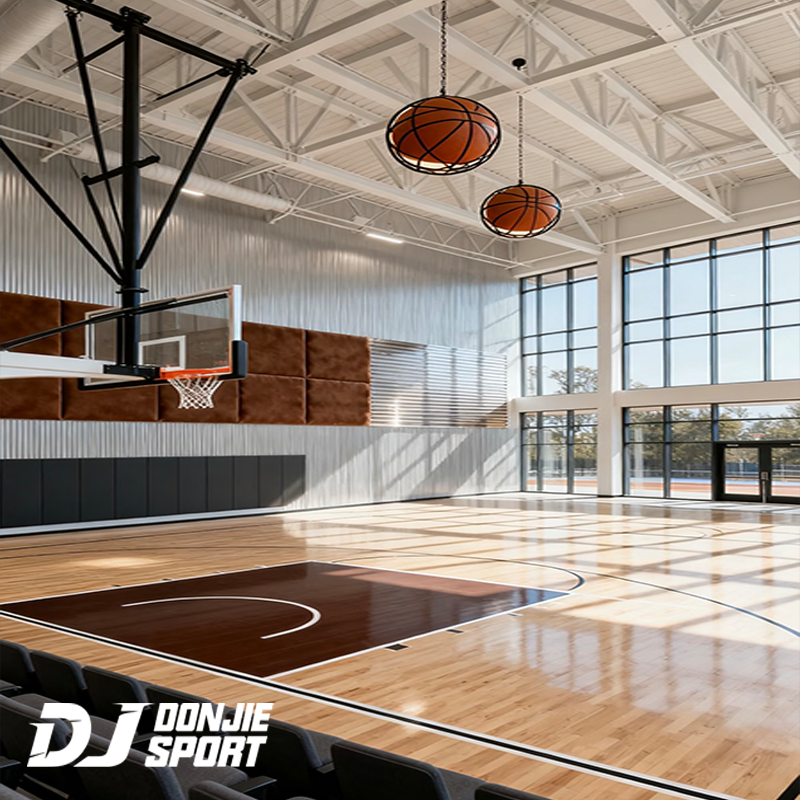
On the other hand, hardwood flooring has a timeless, classic look. The natural grain of the wood provides a clean and polished surface that gives courts a professional, sleek appearance. While it might not offer the same range of patterns, it still allows for customization in terms of finish and varnish.
For a more modern or unique look, parquet might be the better option. For a traditional, high-performance court, hardwood would be the choice for a clean and functional aesthetic.
Cost and Maintenance: Which Flooring Option Offers Better Value?
Initial Cost:
Parquet is typically more affordable to install, especially in terms of both materials and labor. Its modular design can lower costs, particularly if you’re building a court on a budget. However, the long-term costs of parquet, especially related to repairs and maintenance, can make it a less economical option over time.
Hardwood is a more significant upfront investment, but its durability and longevity make it a better long-term investment. The initial cost will be higher, but the reduced need for repairs and the longer lifespan mean that hardwood can actually provide better value over the years.
Maintenance:
Parquet floors require regular cleaning and refinishing. Since individual pieces can become damaged, the overall maintenance cost can accumulate over time. Hardwood, while requiring periodic maintenance like sanding and refinishing, is generally easier to maintain and repair in the long run.
Environmental Impact: Choosing Sustainable Basketball Court Flooring
When considering sustainability, both parquet and hardwood options have their advantages. Parquet flooring is often made from engineered wood, which uses smaller pieces and can be more eco-friendly by utilizing less material. Many manufacturers also ensure that the wood is sourced responsibly.
Hardwood flooring, especially when certified by organizations like the Forest Stewardship Council (FSC), can be sustainable as well. Hardwood is often harvested from well-managed forests, making it a responsible choice if you’re aiming for environmentally conscious construction.
Choosing the Right Flooring for Your Basketball Court
Ultimately, the decision between parquet and hardwood flooring depends on several factors, including your budget, aesthetic preferences, and the level of play. Hardwood flooring stands out as the more durable and performance-oriented option, making it the ideal choice for serious athletes and professional courts. While parquet offers a more decorative look at a lower initial cost, it may require more upkeep and not perform as well over time.
For those who want long-term durability, optimal gameplay performance, and minimal maintenance, hardwood is the clear winner. However, if you’re working with a limited budget and are willing to compromise on durability and performance, parquet could be a viable option.