When it comes to building or renovating a basketball court, one of the most crucial decisions to make is selecting the right flooring. Basketball court flooring directly impacts the safety, performance, and overall aesthetics of the court, making it a key factor in player satisfaction and longevity. The two main options that dominate the market today are wood and synthetic flooring, each with its unique set of advantages and considerations.
Why Flooring Matters in Basketball Courts
The flooring you choose for a basketball court isn’t just about the look—it’s about performance, safety, and the longevity of the surface. A court’s flooring can have a major impact on how well players perform, the level of protection they receive from injuries, and the maintenance required to keep the court looking great for years to come.
-
Impact on Performance and Player Safety
Basketball requires a high level of agility and constant movement. The right flooring provides the necessary cushioning to prevent injuries while offering a consistent, predictable bounce for the ball. The flooring should also offer enough grip to prevent slipping but not be so rough that it causes friction burns or discomfort during play. -
Durability and Long-Term Value of Flooring Options
Whether you’re installing flooring in a high-traffic school gym or a professional sports arena, durability is key. Flooring that can withstand constant use while maintaining its appearance and functionality will ultimately save money in the long run by reducing the need for frequent repairs or replacements. -
How Flooring Affects the Aesthetic of the Court
Beyond function, basketball court flooring is a central part of the court’s overall design. A visually appealing surface enhances the game-day experience for both players and spectators. The right flooring can even contribute to the ambiance, creating an energetic atmosphere for games.
Understanding Wood Basketball Court Flooring
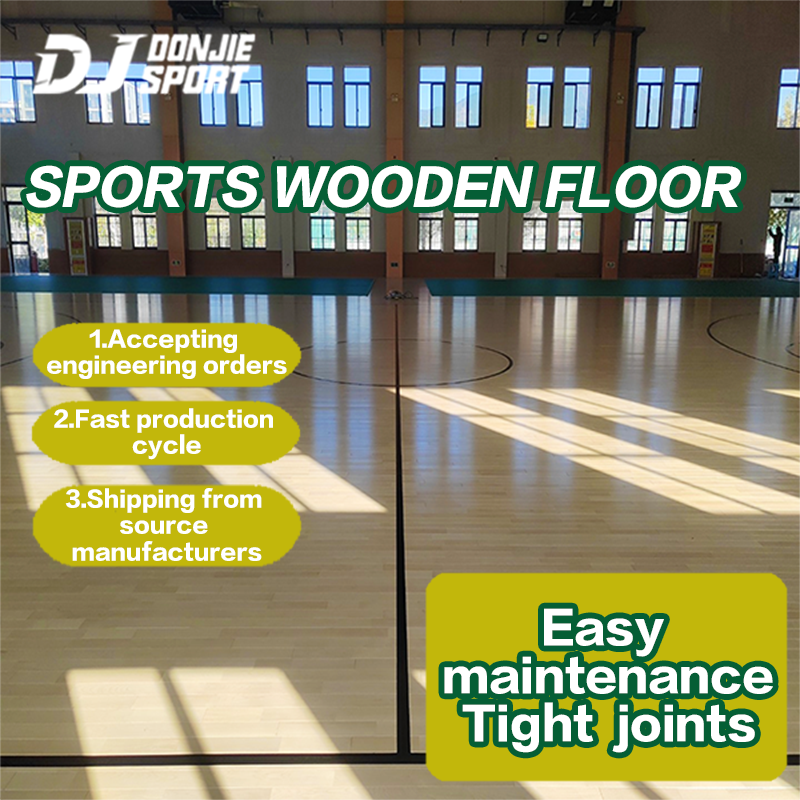
Wood flooring has been the gold standard for basketball courts for decades, and it’s still a popular choice for professional arenas, schools, and community centers. Here’s a closer look at what makes wood flooring stand out.
-
History and Popularity of Wood Flooring
Traditionally, wood has been the flooring of choice for basketball courts. The classic maple wood floors are especially known for their use in high-level competitions like the NBA, offering an authentic basketball experience that’s both visually and functionally optimal. Wood flooring is often favored for its premium feel and consistent playability. -
Benefits of Wood Flooring
-
Superior Shock Absorption for Injury Prevention: Wood floors are designed to absorb impact, reducing stress on joints and minimizing the risk of injury, which is crucial for basketball players who make sudden, high-impact movements.
-
Authentic Playing Experience: Wood surfaces offer a smooth, consistent bounce for the basketball, making it ideal for both competitive and recreational play.
-
Longevity and Easy Maintenance: With proper care, wood flooring can last for decades. Its durability, combined with refinishing options, ensures that the surface retains its functionality and appearance for a long time.
-
-
Drawbacks of Wood Flooring
-
Higher Initial Installation Cost: Wood flooring is often more expensive to install than synthetic options, which can be a significant consideration for facilities with tight budgets.
-
Requires Regular Maintenance: Over time, wood floors can show wear and tear, requiring regular maintenance like refinishing, resealing, and cleaning to maintain their durability and appearance.
-
Sensitivity to Environmental Conditions: Wood is susceptible to humidity and temperature changes, which can cause it to warp or shrink, particularly in climates with extreme weather conditions.
-
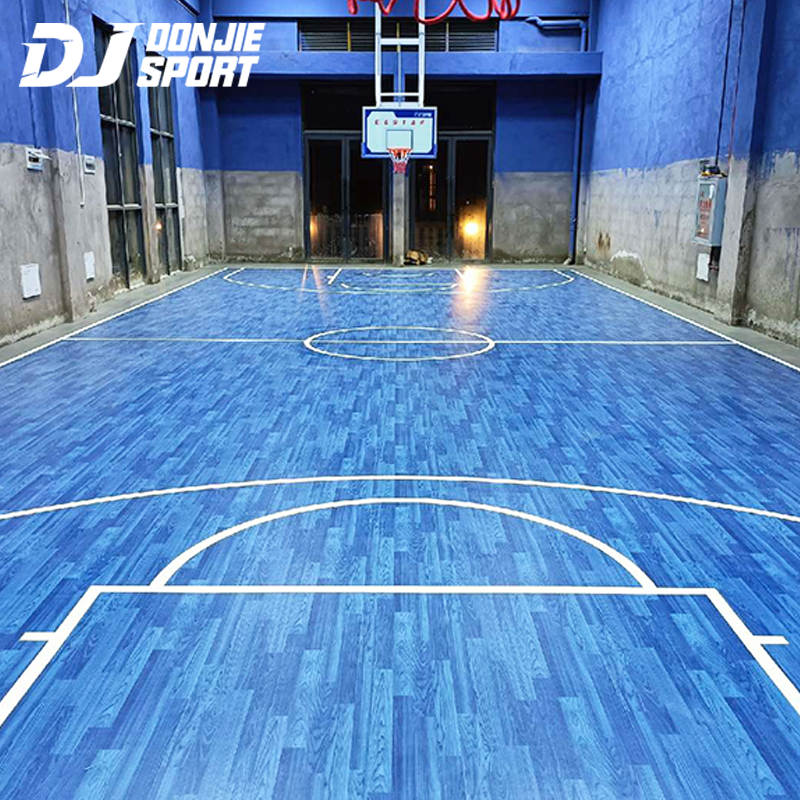
Exploring Synthetic Basketball Court Flooring
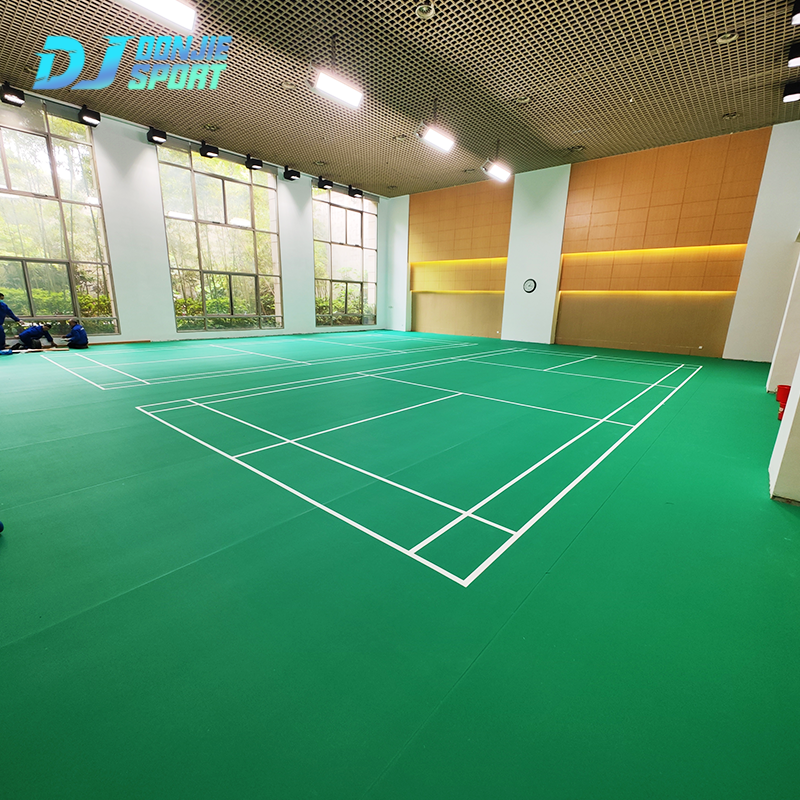
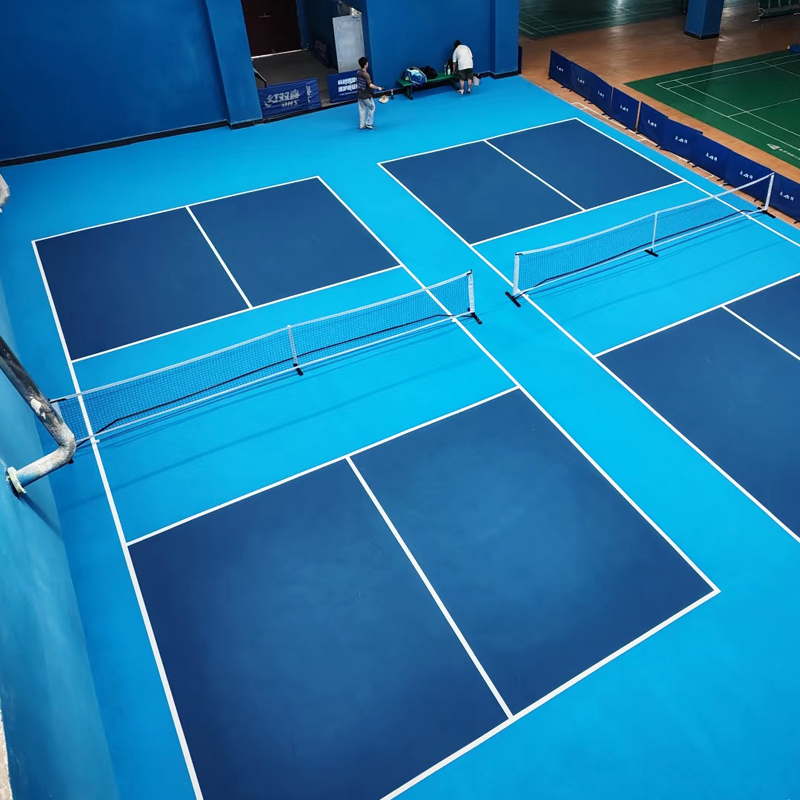
While wood flooring is a long-standing tradition, synthetic options have grown increasingly popular in recent years. From vinyl to rubber and polyurethane, synthetic floors offer a wide variety of materials with distinct features.
-
Types of Synthetic Flooring
-
Vinyl: A cost-effective and durable material, vinyl is easy to clean and offers a smooth, consistent surface that is ideal for recreational courts.
-
Rubber: Often used in multi-sport facilities, rubber flooring is durable and shock-absorbent, offering great protection for players.
-
Polyurethane: Polyurethane flooring provides a more premium synthetic option, offering better performance characteristics, such as increased grip and shock absorption.
-
-
Advantages of Synthetic Flooring
-
Cost-Effective and Quick Installation: Synthetic flooring tends to be more affordable to install than wood, and it often requires less time to complete the installation process.
-
Low Maintenance and High Durability: These floors require less upkeep than wood, making them a more practical choice for some facilities. They are less likely to fade or show wear, and they are resistant to stains and water damage.
-
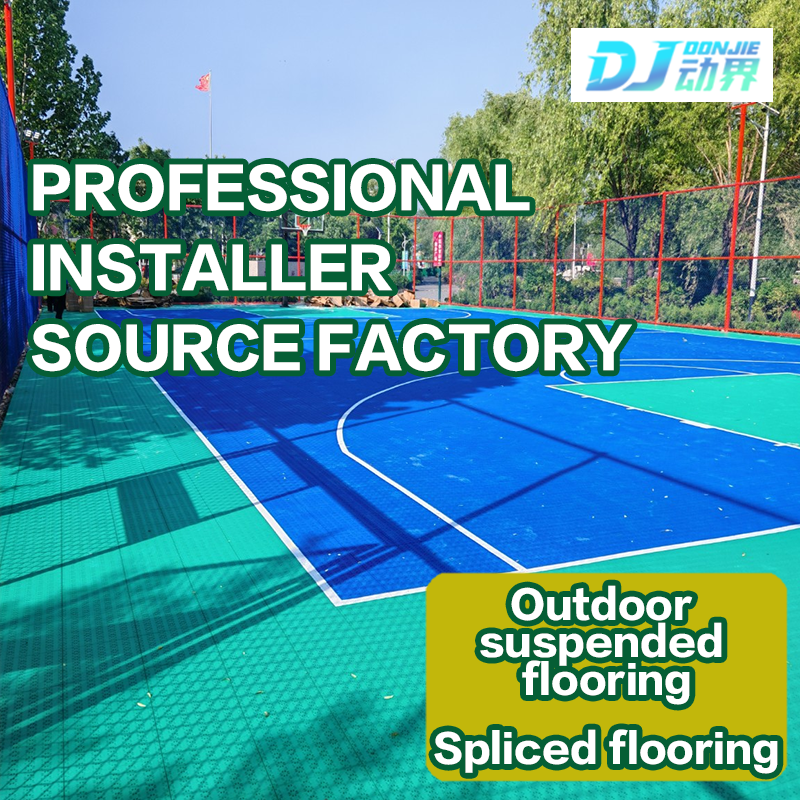
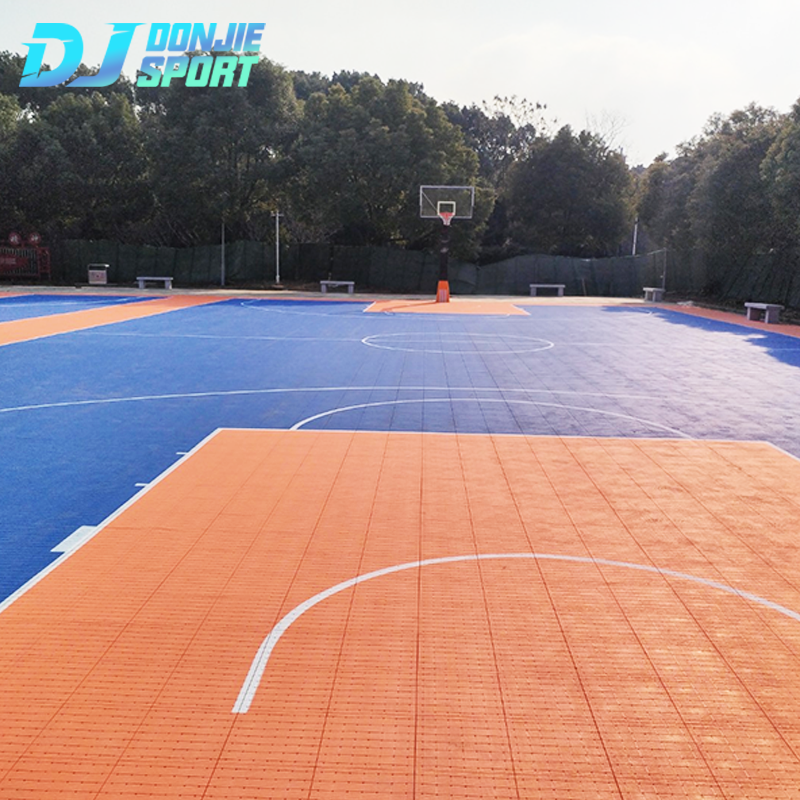
Better Resistance to Weather and Temperature Changes: Synthetic flooring materials are much more stable in fluctuating temperatures and humidity, which is why they’re often used in outdoor courts or areas with high moisture.
-
-
Disadvantages of Synthetic Flooring
-
Less “Bounce” Compared to Wood: While synthetic floors can provide a smooth surface, they typically don’t offer the same level of bounce and responsiveness that wood floors provide, which can impact the gameplay experience for players.
-
Less Authentic Feel: For purists and professional athletes, the feel of synthetic flooring may not compare to the authenticity of wood flooring, which may detract from the overall experience.
-
Wear and Tear Reduces Aesthetic Value Over Time: While synthetic floors are durable, their appearance can diminish with extensive use. Scratches, scuffs, and fading may become more visible, particularly in high-traffic areas.
-
Comparing Wood vs. Synthetic Flooring: Performance and Safety
When choosing between wood and synthetic flooring, it’s important to consider the performance characteristics of each material, especially when it comes to player experience and safety.
-
Player Experience: Wood floors offer a more natural feel and consistency in ball bounce, making them ideal for competitive games. Synthetic floors, while offering a smoother surface, don’t provide the same “bounce-back” performance, which could be a dealbreaker for serious players.
-
Long-Term Durability: While wood flooring can last a long time with proper care, synthetic options typically require less maintenance, offering better longevity with less investment in upkeep.
-
Maintenance Considerations: Wood flooring demands more regular care to maintain its integrity. On the other hand, synthetic floors are easy to clean and require less attention, making them a more hassle-free choice for certain facilities.
-
Environmental Impact: The environmental impact of synthetic flooring is often a consideration for eco-conscious facilities. Wood, particularly if sustainably sourced, can have a lower environmental footprint, while synthetic options are sometimes criticized for their use of non-renewable materials.
Cost Comparison: Which Flooring is Right for Your Budget?
Cost is one of the most significant factors when deciding between wood and synthetic flooring. Both options come with different price points, so understanding your budget is essential.
-
Initial Costs: Wood flooring generally comes with higher installation costs due to the materials and labor involved. Synthetic flooring, on the other hand, is usually more affordable to install, making it a better choice for facilities looking to save money upfront.
-
Ongoing Maintenance Costs: While synthetic floors require minimal maintenance, wood floors will need refinishing and resealing over time, adding to the long-term costs. For those on a tight budget, synthetic flooring might be the more economical choice in the long run.
-
Cost-Effectiveness Over Time: Ultimately, the decision will depend on how frequently the court will be used and the level of performance expected. For high-use courts, synthetic options may offer better cost efficiency, while wood flooring may be the preferred option for higher-end facilities and professional venues.
Making the Right Choice for Your Basketball Court
When selecting the best flooring for your basketball court, several factors should influence your decision. Consider the following:
-
Size of the Court, Frequency of Use, and Budget: The size of the court and how often it will be used play a significant role in determining the best flooring option. For example, a professional arena may prioritize wood for its high-end performance, while a school gym might opt for synthetic flooring for its affordability and ease of maintenance.
-
Type of Facility: Whether you’re building a professional basketball court or a community gym, the needs of your players will guide your choice. High-level competitive environments may require wood for authenticity, while a recreational court may benefit more from the durability and low-maintenance nature of synthetic options.
Conclusion
Choosing between wood and synthetic basketball court flooring involves weighing the pros and cons of each option. Wood floors provide the authentic experience and long-term durability desired for professional courts, while synthetic flooring offers affordability, easy maintenance, and resilience in varying environments.
Ultimately, the best choice depends on your specific needs, budget, and facility requirements. Whatever your choice, understanding the differences between wood and synthetic options will help you create a basketball court that performs well and stands the test of time.