When it comes to designing or upgrading a basketball court, one of the most crucial decisions is choosing the right type of flooring. Basketball court floors are not just about aesthetics; they play a significant role in player performance, safety, and overall court functionality. The right flooring can enhance the experience for both players and spectators, while poor-quality flooring may result in frequent maintenance costs, safety hazards, and decreased performance levels.
In this article, we will explore the various types of basketball court floors available today, comparing their pros and cons to help you make an informed decision based on your specific needs. Whether you’re building a new gymnasium, upgrading an existing court, or outfitting a recreational space, understanding the different options available will guide you in finding the ideal surface for your basketball court.
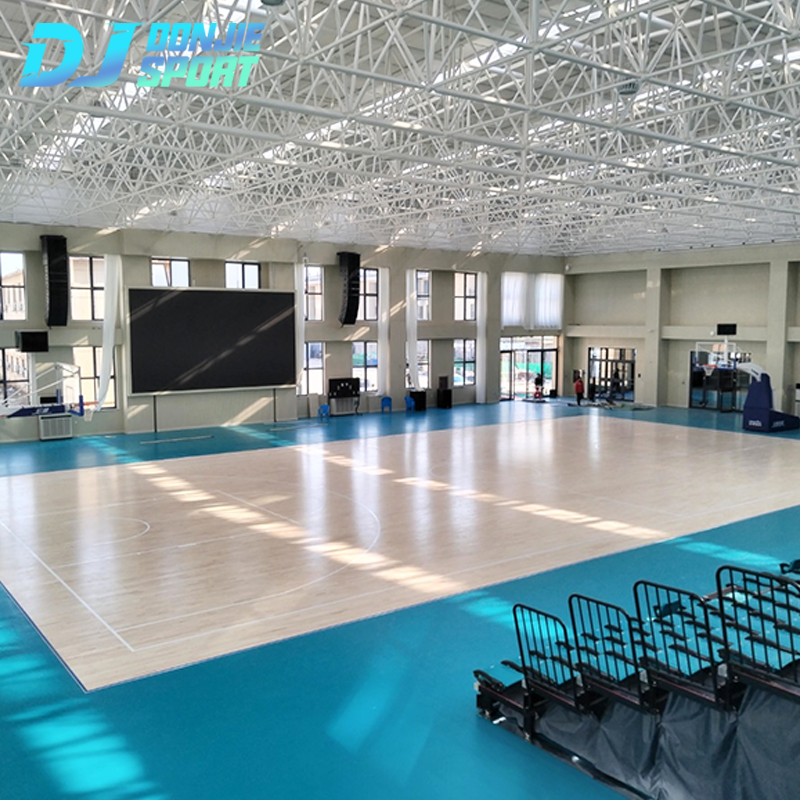
Why Choosing the Right Flooring Matters
Selecting the right basketball court flooring isn’t just about appearance; it directly impacts the game itself. The flooring should provide sufficient grip for players to move quickly and safely, yet allow for smooth, consistent ball bounce. It should also be durable enough to withstand the high-impact nature of the sport, and easy to maintain, ensuring long-term value. With so many different flooring materials available, understanding their characteristics is key to making a wise investment.
As basketball courts vary in use—from school gyms and community centers to professional arenas—each type of flooring has its own set of benefits tailored to specific needs. The right choice will help prevent injuries, ensure top-tier performance, and offer a visually appealing surface that enhances the court’s overall functionality.
Overview of Common Flooring Types for Basketball Courts
There are several types of flooring commonly used for basketball courts, each with unique qualities that cater to different preferences, budgets, and performance levels. The most common materials include:
-
Hardwood Flooring: A classic, high-performance option found in professional and collegiate arenas.
-
Rubber Flooring: Known for its affordability, rubber flooring is often found in recreational or multi-purpose gyms.
-
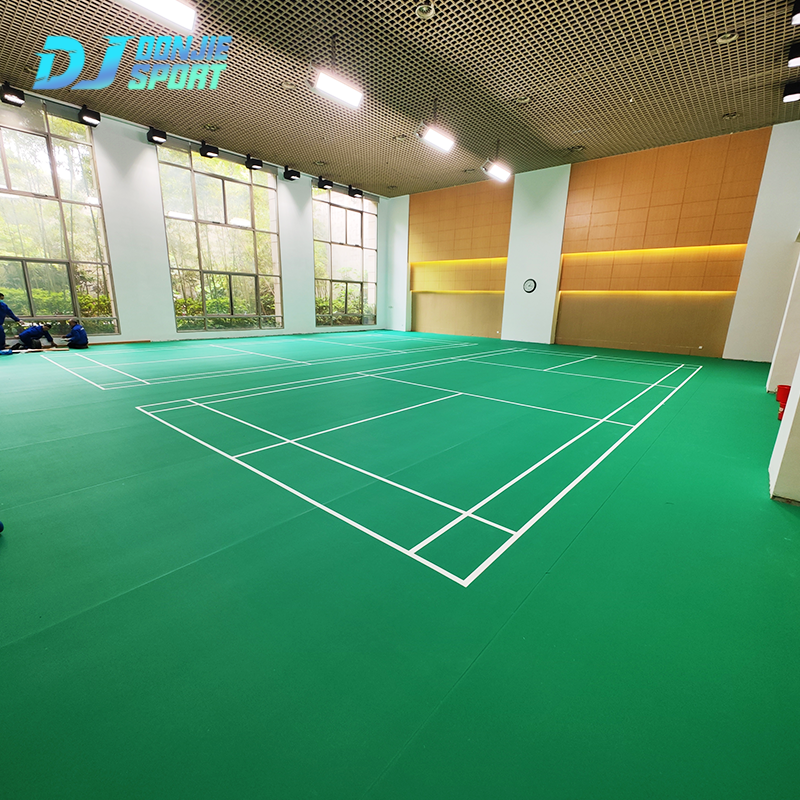
Synthetic Flooring: Often used in schools or indoor recreational centers, synthetic floors provide a versatile and durable solution.
-
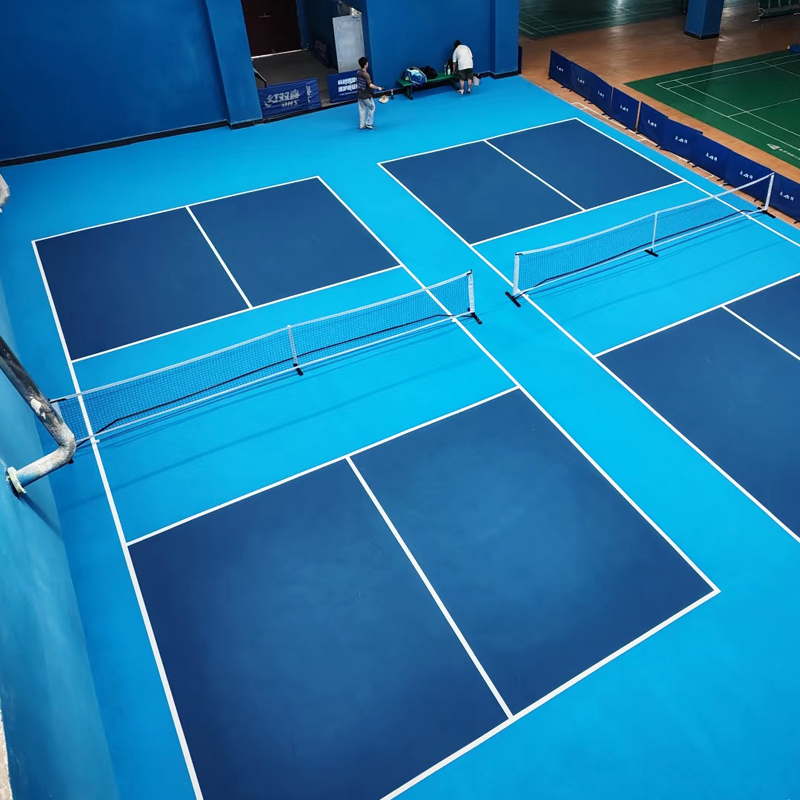
Modular Flooring Tiles: These interlocking tiles are an increasingly popular choice for DIY installations and temporary courts.
Different Types of Basketball Court Floors
When it comes to basketball court flooring, the material you choose will depend on several factors such as performance needs, budget, durability, and maintenance. Each type of flooring has its advantages and limitations. Below, we break down the most popular types of basketball court floors to help you make an informed decision.
Hardwood Flooring: The Classic Choice for Performance and Durability
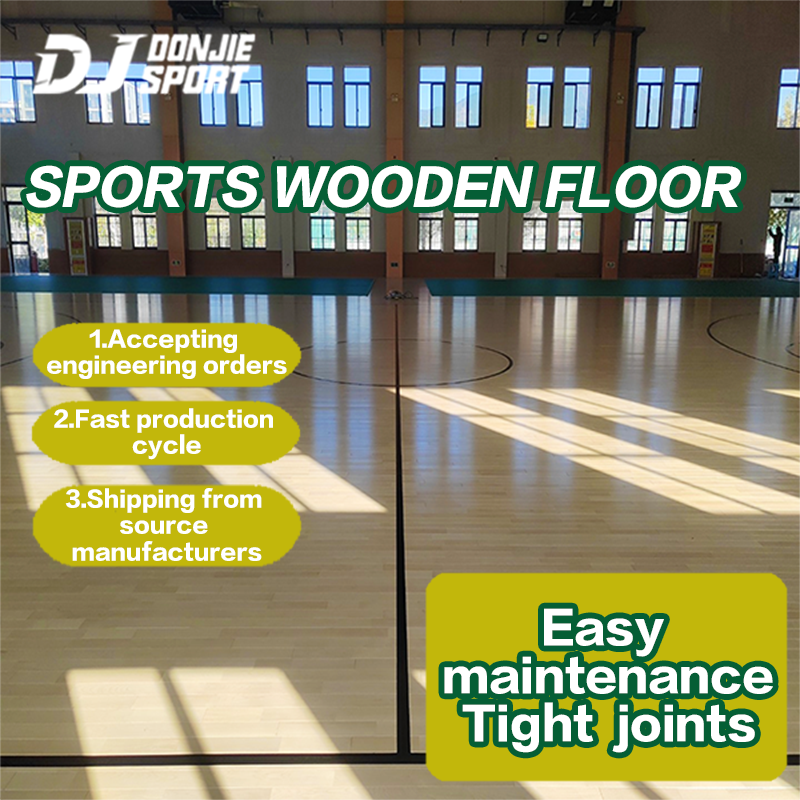
Hardwood is the gold standard for basketball courts, especially in professional and collegiate settings. It offers a smooth, high-performance surface that provides excellent grip and bounce, crucial for players to perform at their best.
Advantages:
-
Performance: Hardwood flooring delivers an optimal bounce and consistent surface for basketball, making it the preferred choice for competitive play.
-
Durability: High-quality hardwood floors can last for decades with proper care. They’re resistant to wear and tear and maintain their appearance over time.
-
Aesthetics: The warm, polished look of hardwood is visually appealing and adds an element of prestige to the court.
Disadvantages:
-
Cost: Hardwood is one of the more expensive flooring options, both in terms of installation and maintenance.
-
Maintenance: It requires periodic refinishing and care to maintain its condition, which can be costly and time-consuming.
Rubber Flooring: Cost-Effective and Safe
Rubber flooring is a popular choice for gyms, community centers, and recreational courts. It provides a cushioned surface, which helps reduce the impact on joints and reduces the risk of injuries during play.
Advantages:
-
Affordability: Rubber floors are one of the most budget-friendly flooring options, making them ideal for schools or multi-use facilities with limited budgets.
-
Safety: The cushioning effect of rubber flooring provides a safer surface for players, especially for non-competitive play or when the court is used for other activities.
-
Low Maintenance: Rubber floors are relatively easy to clean and maintain. They don’t require refinishing like hardwood and are resistant to damage from high-impact play.
Disadvantages:
-
Performance: Rubber floors don’t offer the same level of ball bounce or traction as hardwood, which can impact the overall playing experience.
-
Aesthetic Appeal: While functional, rubber flooring may not have the same visual appeal as hardwood or other materials, which could be a concern for high-end courts.
Synthetic Flooring: A Modern Solution for High-Traffic Courts
Synthetic flooring is a versatile option that mimics the feel and performance of hardwood while offering the added benefit of being easier to install and maintain. It’s made from a variety of materials like vinyl or polyurethane, offering durability and cost-effectiveness.
Advantages:
-
Durability: Synthetic floors are highly resistant to wear, making them ideal for high-traffic areas like school gyms or recreational centers.
-
Low Maintenance: Synthetic floors don’t require the same level of upkeep as hardwood. Cleaning is straightforward, and they don’t need to be refinished.
-
Affordability: Compared to hardwood, synthetic flooring is usually more affordable and provides a good balance between cost and performance.
Disadvantages:
-
Performance: While synthetic flooring performs well for casual play, it may not offer the same bounce or grip as hardwood, which can be a drawback for competitive play.
-
Aesthetic Appeal: Some synthetic floors may lack the premium look of hardwood, which might be important for high-profile venues.
Modular Flooring Tiles: Flexibility and Ease of Installation
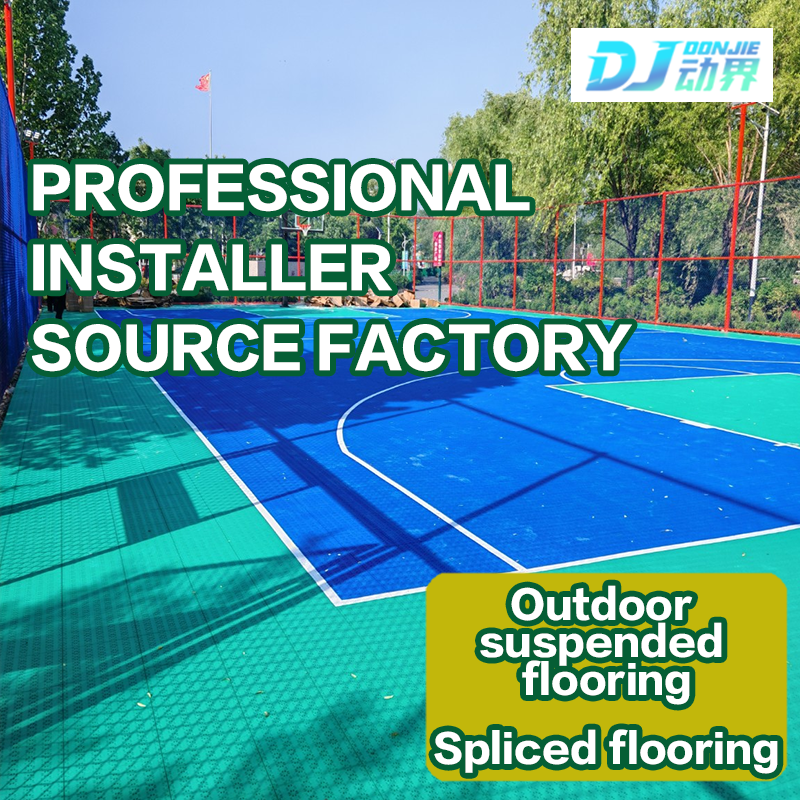
Modular flooring tiles are interlocking tiles made of durable materials like polypropylene or PVC. These tiles are designed for easy installation and removal, making them a popular choice for temporary courts or facilities that need flexible setups.
Advantages:
-
Ease of Installation: Modular tiles can be quickly installed and removed, which is perfect for temporary setups or multi-purpose gyms.
-
Durability: These tiles are highly durable and resistant to wear and tear, providing a long-lasting solution for facilities with frequent use.
-
Customizability: Modular flooring allows for customization in terms of color, design, and layout, providing a unique look to your basketball court.
Disadvantages:
-
Cost: Although modular tiles are affordable compared to hardwood, they can be expensive in larger installations, especially for high-quality options.
-
Performance: Modular floors may not provide the same level of performance as hardwood. The seams between tiles can sometimes affect the overall surface quality, especially in high-performance games.

Key Factors to Consider When Choosing Basketball Court Floors
Choosing the right basketball court floor involves more than just picking a material. There are several factors you need to take into consideration to ensure you’re selecting the best flooring for your specific needs.
Performance Needs: What Type of Play Surface Suits Your Requirements?
If you’re outfitting a professional or high-performance basketball court, hardwood flooring is likely your best choice due to its superior grip and bounce. For recreational or multi-purpose courts, rubber or synthetic floors may be more suitable due to their cost-effectiveness and safety features.
Durability: How Long Will Your Flooring Last?
Durability is key for basketball courts that see frequent use. Hardwood, synthetic, and modular flooring all offer long-lasting durability, but they require different levels of care. Hardwood floors require periodic refinishing, while synthetic and modular tiles are more resistant to long-term wear.
Maintenance: Ease of Care and Long-Term Costs
Some floors, like hardwood, require a high level of maintenance, including sanding, refinishing, and waxing. Rubber and synthetic floors, on the other hand, are easier to maintain and don’t require refinishing but may need to be replaced after extensive use.
Budget: Finding the Balance Between Quality and Cost
If you’re working with a tight budget, rubber or synthetic flooring could be the best options, offering good performance at a lower cost. Hardwood and modular flooring come with higher upfront costs but may be a better long-term investment for high-traffic courts.
Pros and Cons of Different Basketball Court Flooring Options
This section gives a recap of the benefits and drawbacks of the most popular basketball court flooring options.
-
Hardwood Floors: Best for high-performance courts but requires more maintenance and higher investment.
-
Rubber Floors: Affordable and safe but lacks the performance of hardwood.
-
Synthetic Floors: Affordable and low-maintenance, but not ideal for competitive play.
-
Modular Tiles: Flexible and customizable, but may not provide the same playing surface quality as hardwood.
Installation and Maintenance Tips for Basketball Court Floors
Proper installation and maintenance are crucial for the longevity of your basketball court flooring. Below are some tips for each type of flooring:
-
Hardwood: Install by professional contractors to ensure the best fit. Regularly maintain by refinishing every few years.
-
Rubber: Easy to install yourself. Regularly clean with mild soap and water to prevent dirt buildup.
-
Synthetic: Use professional installers for optimal results. Regular sweeping and occasional mopping will keep it in good condition.
-
Modular Tiles: DIY installation is possible, but professional help ensures durability. Regular cleaning is enough to maintain the tiles.
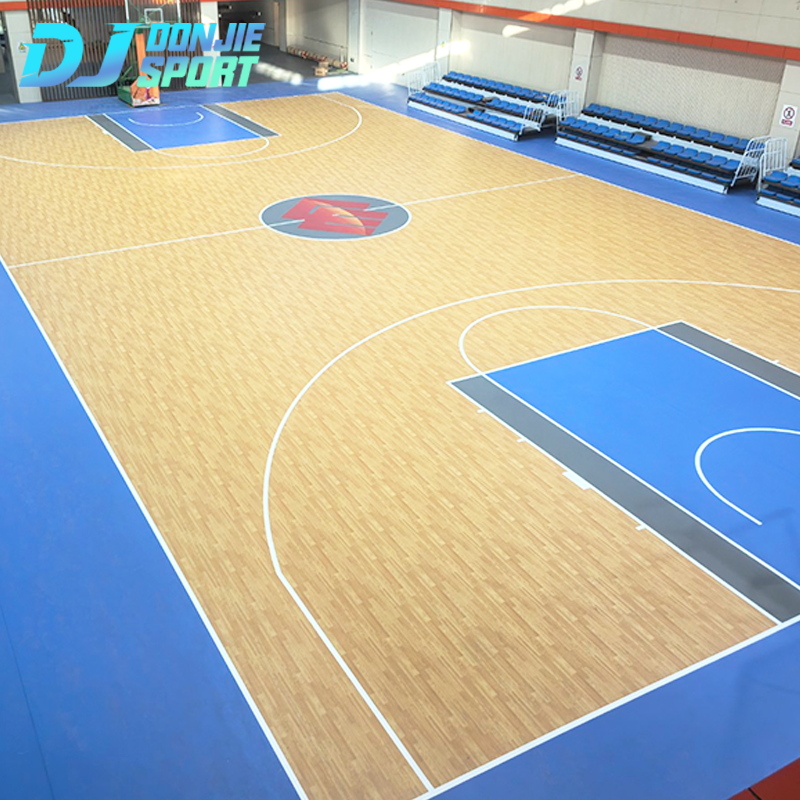
Choosing the Best Flooring Based on Your Specific Needs
When selecting flooring, consider the specific needs of your court:
-
Commercial Courts: Hardwood is the best option for high-end, high-traffic commercial courts.
-
School Gyms and Recreational Courts: Synthetic and rubber flooring offer a great balance between performance and cost.
-
Outdoor vs. Indoor: Outdoor courts may benefit from modular tiles or rubber flooring that can withstand the elements, while indoor courts prioritize performance with hardwood or synthetic materials.
Making the Right Choice for Your Basketball Court Floors
In conclusion, selecting the right basketball court flooring is a significant decision that affects player performance, safety, and the long-term functionality of the court. By considering factors such as budget, maintenance, durability, and performance, you can make an informed decision that best suits your needs. Whether you opt for the high-end performance of hardwood, the affordability of rubber, or the versatility of modular tiles, there is a flooring option that fits every requirement.