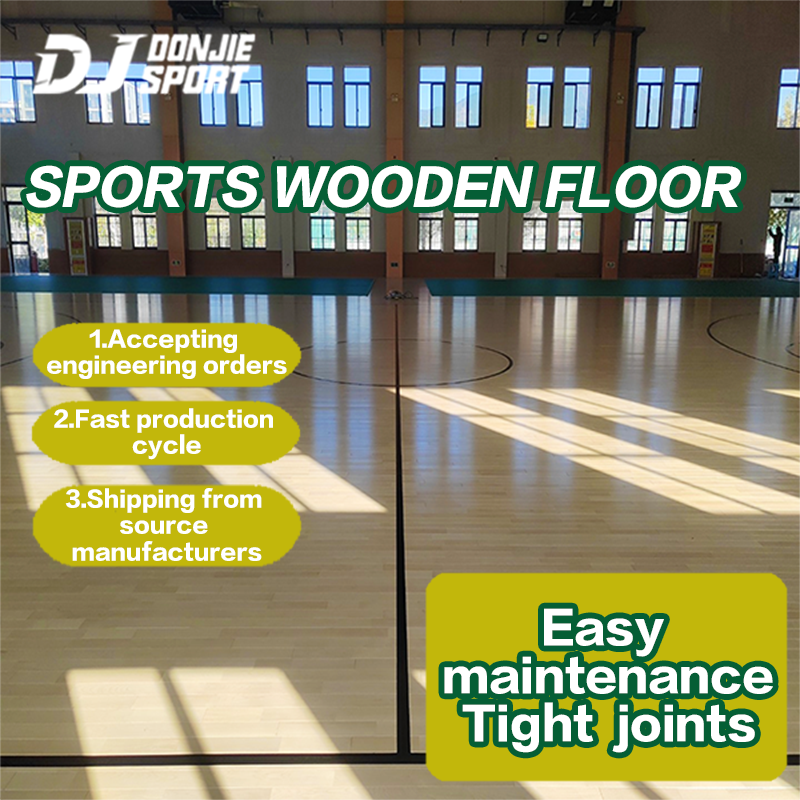
When it comes to building or upgrading a basketball court, one of the most important decisions you’ll make is choosing the right type of flooring. Hardwood flooring, particularly maple, is widely regarded as the gold standard for basketball courts, offering a combination of performance, durability, and aesthetic appeal. Whether you’re installing a professional-grade court or a recreational one, the flooring plays a critical role in the overall experience. It impacts player safety, performance, and even the longevity of the court itself. In this article, we’ll explore why basketball court hardwood flooring is such a popular choice, how to make an informed investment, and how to ensure it serves you well for years to come.
Why Hardwood is the Top Choice for Basketball Court Flooring
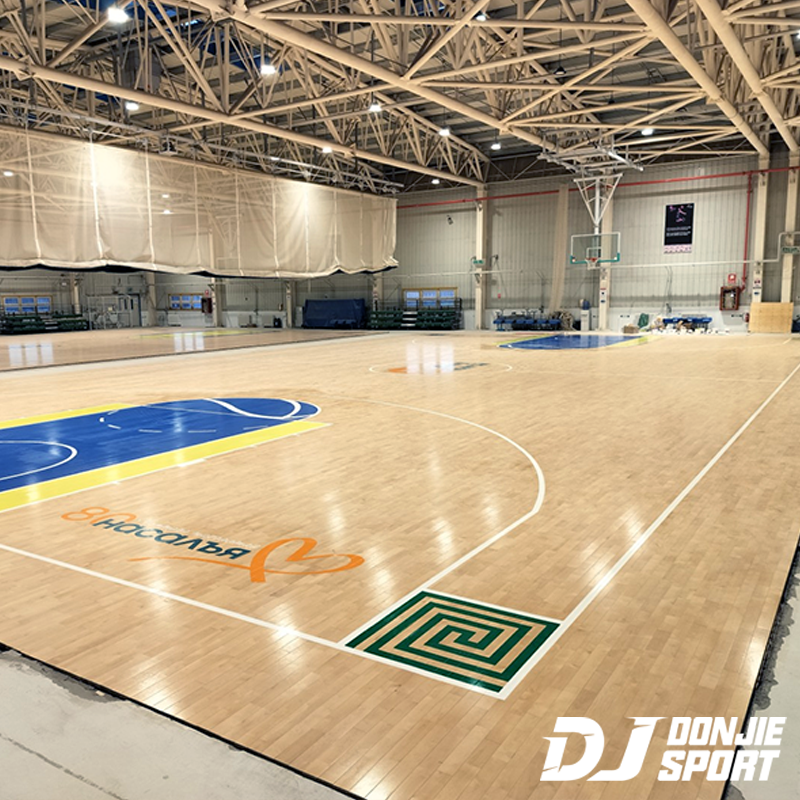
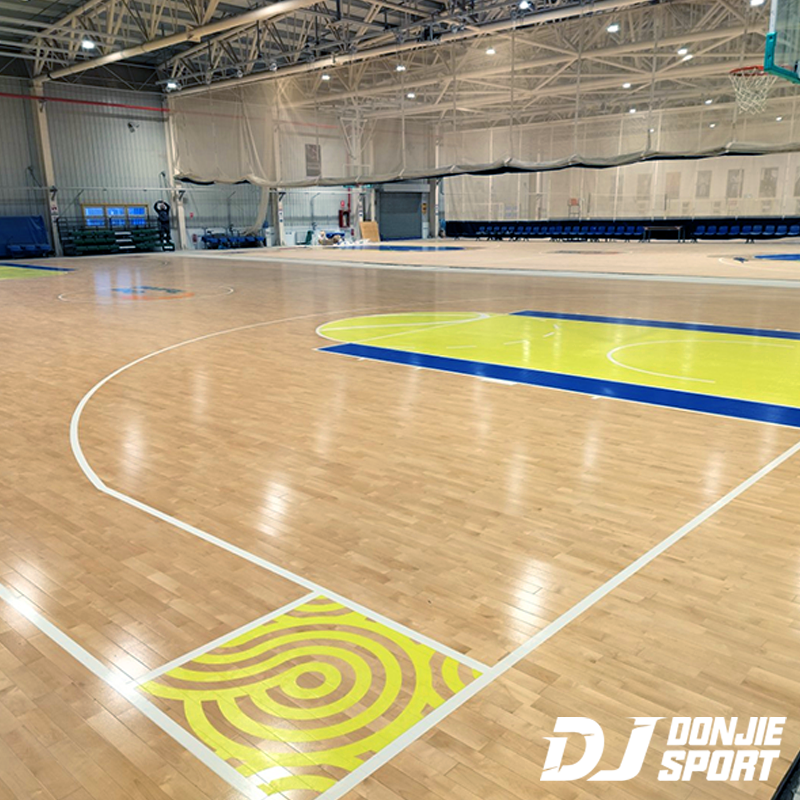
When it comes to basketball court flooring, hardwood stands out as the top choice for a variety of reasons. One of the primary benefits of hardwood is its durability. Hardwood floors, particularly maple, are known for their strength and ability to withstand the heavy use that comes with high-impact sports like basketball. These floors can last for decades if properly maintained, making them a wise long-term investment.
Hardwood flooring also enhances player performance. The smooth, consistent surface allows players to make quick movements, such as pivoting or jumping, without the risk of injury that might arise from uneven or slippery flooring. Additionally, hardwood floors offer superior traction, which helps prevent accidental slips during intense games.
Safety is another crucial factor. Hardwood provides a shock-absorbing surface that reduces the risk of joint injuries. It helps in absorbing the impact of high jumps, providing a cushion that protects athletes’ knees, ankles, and backs. This level of safety and comfort is hard to match with other types of flooring, making hardwood an ideal choice for professional and amateur courts alike.
Key Considerations When Investing in Hardwood Flooring
Choosing hardwood for your basketball court involves more than just picking a material. There are several factors to consider to ensure that you get the best possible flooring for your needs.
Types of Hardwood
The two most common types of hardwood used for basketball courts are maple and oak. Maple is the most preferred because of its durability, smooth grain, and ability to handle heavy foot traffic without showing wear. It also has excellent shock absorption properties, making it the top choice for high-performance courts. Oak is another option, though it’s less common due to its harder surface, which may not provide the same level of shock absorption as maple.
Finish Options
The finish you choose for your hardwood floor has a significant impact on its performance. A high-quality finish protects the wood from moisture, dirt, and wear while providing the ideal level of grip for athletes. There are various finishes available, including polyurethane, which is the most popular for basketball courts due to its durability and ease of maintenance. Be sure to select a finish that can withstand the constant friction of basketball shoes and the wear from regular games.
Professional-Grade vs. Recreational Flooring
There are two main categories of hardwood basketball flooring: professional-grade and recreational-grade. Professional-grade floors are designed to meet the rigorous standards of major sports leagues and feature the highest quality materials and finishes. These floors are often installed in arenas and other high-end facilities. On the other hand, recreational-grade flooring is more budget-friendly but still offers excellent performance for home courts and smaller gyms. Make sure to choose the grade that aligns with your intended use and budget.
Understanding the Costs of Installing Hardwood Basketball Flooring
Installing hardwood basketball flooring is an investment that requires careful consideration of both upfront and long-term costs. The price can vary depending on several factors, including the size of the court, the type of hardwood, and the quality of the installation.
Factors Influencing Cost
The cost of hardwood flooring installation can range significantly, from $3 to $12 per square foot, depending on the quality of the wood and the installation process. Maple hardwood, being the most common material for basketball courts, tends to fall in the mid-range of this pricing spectrum. Larger courts and more intricate installations will naturally increase the cost. Additionally, professional installation services may add to the overall expense, though this ensures the job is done correctly.
Hardwood vs. Other Flooring Options
While hardwood floors are often more expensive than alternatives like vinyl or rubber, they offer long-term savings. Other flooring types may need to be replaced or repaired more frequently, while a well-maintained hardwood floor can last for decades. When you factor in durability, performance, and safety, hardwood floors are often the more cost-effective choice in the long run.
Budgeting for Maintenance
In addition to installation costs, you’ll need to budget for maintenance. Hardwood floors require regular cleaning and occasional refinishing to keep them looking and performing their best. Refinishing costs can range from $1 to $3 per square foot, depending on the condition of the floor and the extent of the work needed.
Installation Process: What to Expect
The installation of hardwood flooring for a basketball court is a meticulous process that requires precision. Here’s a brief look at what you can expect.
Step-by-Step Installation
-
Preparation: The existing floor must be cleared, and the subfloor must be checked for levelness. Any imperfections are corrected before the new hardwood is installed.
-
Acclimatization: Hardwood needs to acclimate to the room’s temperature and humidity to prevent expansion or contraction after installation.
-
Laying the Flooring: Professional installers will begin laying the hardwood in the correct pattern, ensuring that the boards are properly aligned for both aesthetic and performance purposes.
-
Finishing Touches: Once the flooring is laid, it will be sanded, stained (if necessary), and finished with a protective coating.
DIY vs. Professional Installation
While some people may opt for a DIY installation, it is highly recommended to hire professionals for hardwood basketball court installation. The precision required for optimal court performance and safety is difficult to achieve without the right experience and tools.
Maintenance Tips to Extend the Life of Hardwood Basketball Floors
Hardwood basketball floors require regular care to maintain their appearance and performance. Here’s how to keep your court in top condition.
Cleaning
Use a soft-bristled broom or dust mop to remove dirt and debris regularly. A wet mop can be used for deeper cleaning, but be careful not to use excess water, as this can damage the wood. Specialized floor cleaners are available that are safe for hardwood and help maintain the finish.
Preventing Damage
Place mats at entryways to reduce dirt being tracked onto the court. Encourage players to wear clean shoes to minimize scuff marks and dirt buildup. Regularly inspect the floor for any signs of wear, such as scratches or dents, and take action immediately to prevent further damage.
Refinishing
Over time, your hardwood court may need to be refinished to restore its appearance and performance. Refinishing involves sanding down the surface to remove old finishes and applying a fresh coat. This process is essential for maintaining the court’s grip and ensuring player safety.
How to Protect Your Investment: Floor Mats, Covers, and More
Protecting your hardwood basketball court goes beyond maintenance. Here are a few additional ways to safeguard your investment.
Floor Mats and Covers
Using floor mats during off-season periods can protect the hardwood from unnecessary wear. Floor covers are also ideal for safeguarding the court from heavy equipment or adverse weather conditions when not in use.
Protective Layers
Some court owners choose to apply an extra protective layer of finish to ensure that their floors are resistant to stains and scratches. Additionally, mats placed in high-traffic areas can protect from abrasions and discoloration caused by frequent use.
Making the Right Decision for Your Basketball Court
Investing in hardwood flooring for your basketball court is a smart decision that will pay off in the long run. Hardwood floors offer superior performance, safety, and durability, making them the preferred choice for both professional and recreational courts. By considering factors such as the type of wood, finish options, installation, and maintenance, you can ensure that your hardwood basketball court remains in top condition for many years.