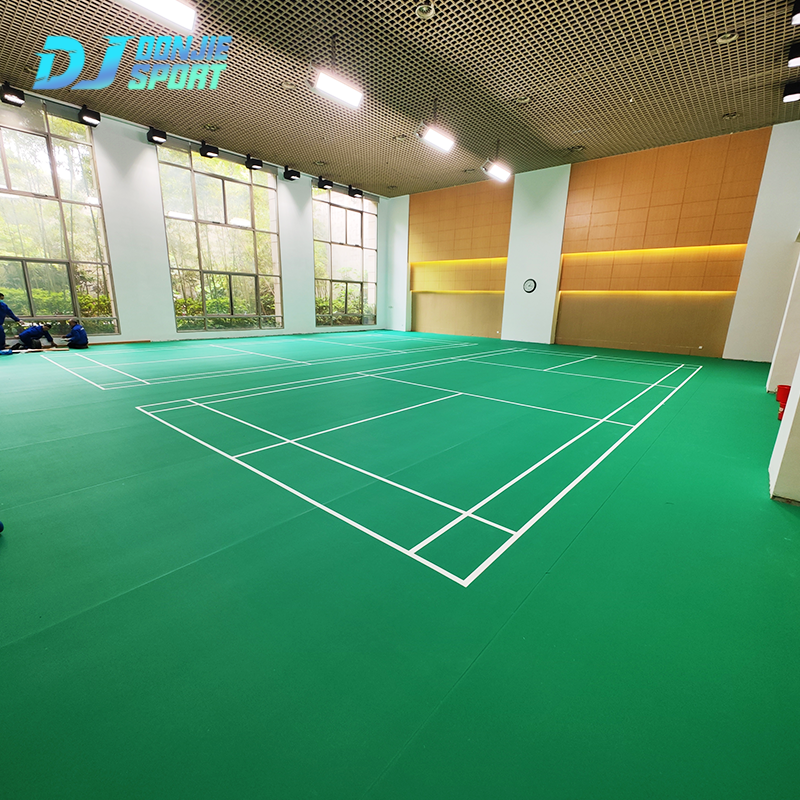
When it comes to designing and constructing a basketball court, choosing the right surface is paramount. Whether you’re building a professional sports facility or simply upgrading your backyard court, the right basketball court tiles can make all the difference in terms of performance, safety, and durability.
Basketball court tiles are available in various materials and configurations, each offering unique benefits. This guide will help you navigate the different types of basketball court tiles available and guide you through the factors that should influence your decision-making process.
Basketball court tiles not only improve the aesthetic appeal of your court but also enhance the playing experience by providing safety features, such as shock absorption, and offering a smooth surface with the necessary traction. Whether you’re installing tiles for an indoor court or an outdoor setup, understanding these tiles’ characteristics will ensure you select the right surface for your needs.
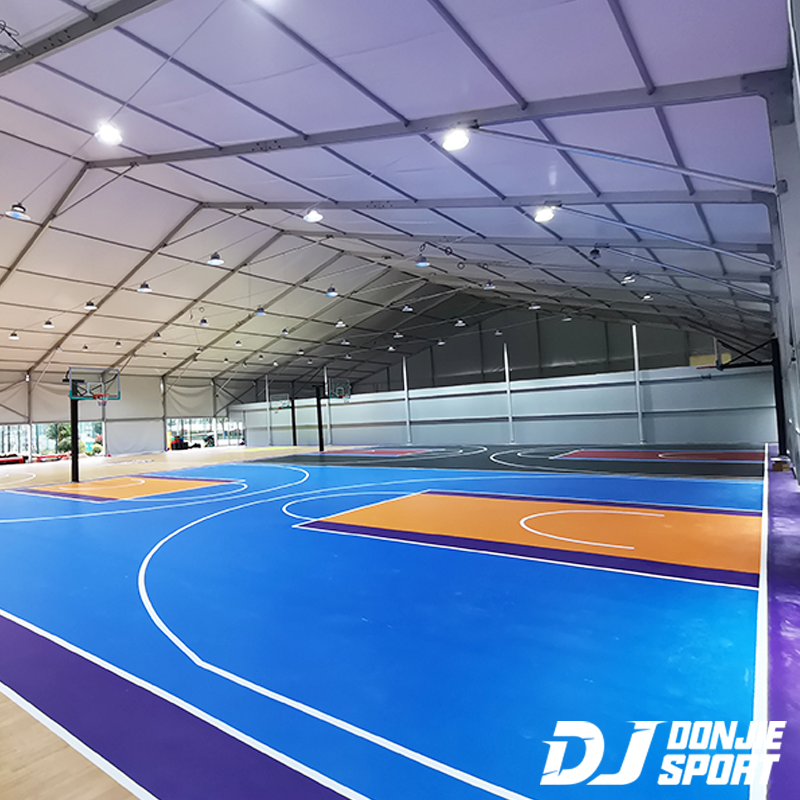
Types of Basketball Court Tiles
When choosing the right basketball court tiles, it’s essential to understand the various types available. Each type has distinct features that cater to different court needs, whether for professional competitions or recreational play. Here’s a breakdown of the most common types:
Interlocking Tiles: A Versatile and Easy-to-Install Option
Interlocking basketball court tiles are a popular choice for both professional and recreational courts due to their ease of installation. These tiles typically feature a “snap-together” design, allowing for quick and simple assembly without the need for adhesives or special tools. Their interlocking design ensures that the tiles stay securely in place, providing a seamless and stable surface.
Advantages:
-
Quick installation
-
Easy to replace damaged tiles
-
Minimal maintenance
-
Ideal for temporary courts or personal use
Modular Tiles: Advanced Design for Customized Courts
Modular tiles offer a higher degree of customization compared to interlocking tiles. They are designed for long-term use and are available in various sizes, colors, and textures, enabling users to create a personalized court layout. Modular tiles are often used for professional courts where specific performance features are necessary.
Advantages:
-
High customization options
-
Durable and built for long-term use
-
Superior performance features, including shock absorption and non-slip surfaces
Outdoor vs. Indoor Tiles: Understanding the Differences
The main difference between outdoor and indoor basketball court tiles lies in their durability and weather resistance. Outdoor tiles are designed to withstand harsh weather conditions, including UV rays, rain, and snow. Indoor tiles, on the other hand, focus more on providing the perfect grip and comfort for players, with less emphasis on weather resistance.
Outdoor Tiles:
-
UV resistant
-
Durable and weatherproof
-
Easy drainage to prevent water accumulation
Indoor Tiles:
-
Smooth surface for enhanced player performance
-
Cushioning for comfort and reduced impact on joints
-
Enhanced traction for better grip during play
Comparison of Materials: PVC, Rubber, and More
Basketball court tiles come in various materials, each offering specific benefits. Here are the most common options:
-
PVC Tiles: These tiles are known for their durability and resistance to wear and tear. PVC tiles are often used for both indoor and outdoor courts, offering great comfort and performance features.
-
Rubber Tiles: Rubber tiles provide excellent shock absorption, making them ideal for reducing impact and protecting players’ joints. They are commonly used in indoor courts and gymnasiums.
-
Polypropylene Tiles: These tiles are designed to handle high-impact activities, making them suitable for both indoor and outdoor courts. They are highly resistant to UV damage and can withstand extreme weather conditions.
Key Factors to Consider When Choosing Basketball Court Tiles
Selecting the right basketball court tiles requires careful consideration of several factors that will impact the performance, safety, and longevity of your court. Here are the key elements to take into account:
Durability and Longevity
Durability is one of the most critical factors when choosing basketball court tiles. Whether you’re installing tiles in a high-traffic area or a personal space, they must be able to withstand years of intense use. Look for tiles that are made from materials known for their durability, such as polypropylene or PVC.
Weather Resistance for Outdoor Courts
If you’re planning to install tiles outdoors, weather resistance becomes an essential factor. Outdoor basketball court tiles must be able to handle exposure to the elements, including sun, rain, and temperature fluctuations. UV resistance is particularly important to prevent the tiles from fading and deteriorating over time.
Safety Features Like Shock Absorption
Basketball is a high-impact sport, and the safety of the players should be a top priority. Tiles with good shock absorption qualities help reduce the strain on players’ joints, offering a more comfortable playing experience. This is particularly important for younger players and those who practice regularly.
Traction and Grip for Better Player Performance
The traction of the tiles is another key consideration. A tile surface with adequate grip ensures players can make sharp turns and quick movements without slipping. This factor is particularly crucial for competitive play, as proper traction enhances player control and performance on the court.
Aesthetic Appeal: Color and Design Options
While functionality is the main priority, the look of your court matters too. Basketball court tiles come in a variety of colors, patterns, and designs. Whether you’re creating a professional-looking court or a fun, personalized design, there are plenty of aesthetic options to choose from.
Maintenance and Cleaning Requirements
Finally, it’s important to think about how much maintenance your court will require. Some tiles are easier to clean and maintain than others. Rubber and PVC tiles are relatively low-maintenance, requiring only occasional sweeping and mopping to keep the surface in good condition. Outdoor tiles, in particular, may require additional care to prevent buildup of dirt or debris.
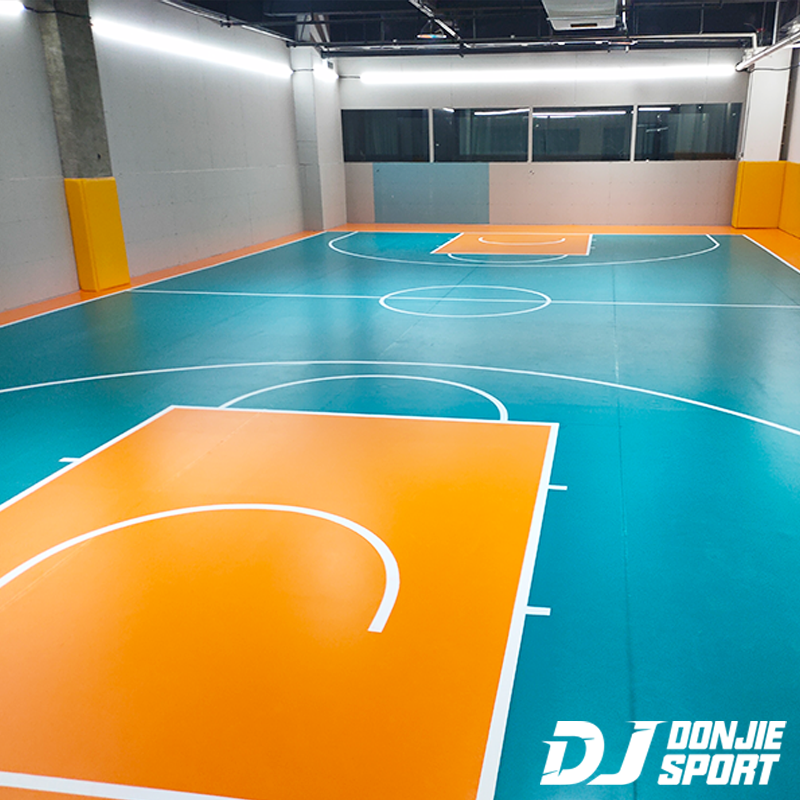
How to Install Basketball Court Tiles
DIY Installation vs. Professional Help
Installing basketball court tiles can be a DIY project or something that requires professional help. If you opt for a DIY installation, ensure that you follow the manufacturer’s instructions carefully to avoid damaging the tiles. For larger, more complex court setups, hiring a professional may be a better option to ensure proper installation.
Step-by-Step Guide to Laying Down Tiles
-
Preparation: Clean and level the installation surface.
-
Laying the Tiles: Begin from one corner of the court and work your way outward. Interlocking or modular tiles are usually easy to snap into place.
-
Finishing Touches: Make sure all tiles are aligned properly and fit snugly together. Use spacers if necessary to maintain uniformity.
-
Inspection: Inspect the tiles for any gaps or misalignments, and make adjustments as needed.
Tools Required for Installation
For most tile installations, you will need:
-
A rubber mallet for gently tapping the tiles into place
-
A utility knife for cutting tiles to fit the edges of the court
-
A measuring tape to ensure the tiles are aligned correctly
-
A level to make sure the surface is even
Cost and Time Considerations for Installation
Installing basketball court tiles can be relatively affordable compared to traditional flooring. However, costs will vary depending on the material you choose, the size of the court, and whether you hire professionals. Typically, installation can take anywhere from a few hours to a couple of days, depending on the complexity of the setup.
The Benefits of Using Basketball Court Tiles
Cost-Effectiveness Compared to Traditional Flooring
One of the biggest advantages of basketball court tiles is their cost-effectiveness. Traditional flooring, such as hardwood, can be expensive and requires more time to install. Basketball court tiles are more affordable, especially if you’re installing a court at home or in a community space.
Quick Installation Time and Ease of Maintenance
Unlike traditional flooring options, basketball court tiles are quick and easy to install. With interlocking tiles, you don’t need specialized skills, making it a great DIY project. They’re also much easier to maintain, requiring only basic cleaning to keep them in top shape.
Enhanced Player Experience
Tiles that offer shock absorption, proper traction, and a smooth surface contribute to a more enjoyable playing experience. Players will appreciate the comfort and stability that high-quality court tiles provide.
Customization Options for Both Indoor and Outdoor Courts
With a variety of tile options, you can customize your court to suit your specific needs. Whether you’re designing a court for professional use or a fun recreational setup, you can choose from different colors, materials, and designs to create the ideal playing surface.
How to Maintain Basketball Court Tiles
Routine Cleaning and Care Tips
To keep your basketball court tiles looking and performing their best, regular cleaning is essential. Sweep the surface regularly to remove dirt and debris, and mop the tiles with a gentle cleanser to maintain their shine.
Preventing Wear and Tear
Proper maintenance also involves preventing wear and tear. Be mindful of how often the court is used and whether there are any heavy objects or equipment that could damage the surface.
Seasonal Maintenance for Outdoor Tiles
Outdoor courts will require more attention, particularly during the changing seasons. Before winter, make sure to clean the surface thoroughly and store any removable accessories. In spring and summer, inspect the tiles for any damage caused by the elements.
Conclusion
Choosing the right basketball court tiles is essential for creating a safe, durable, and high-performance playing surface. Whether you’re designing a court for personal use or for professional play, consider the type of tile, durability, safety features, and aesthetic appeal to ensure a long-lasting investment. With the right tiles, you can enhance both the safety and enjoyment of your basketball court.