When it comes to designing or upgrading a basketball court, one of the most important decisions to make is the type of wood flooring to use. Basketball court wood flooring plays a crucial role in the performance of the court, from providing optimal ball bounce to ensuring player safety with proper shock absorption. But with so many options available, choosing between solid wood and engineered wood can be challenging.
Both solid wood and engineered wood have their unique benefits and drawbacks. In this article, we’ll explore the characteristics of each, how to choose between them, and the factors you need to consider before making your final decision. Whether you’re building a new facility or renovating an existing one, understanding the differences between these two types of wood flooring will help you make an informed choice that suits your needs and budget.
Understanding Basketball Court Wood Flooring
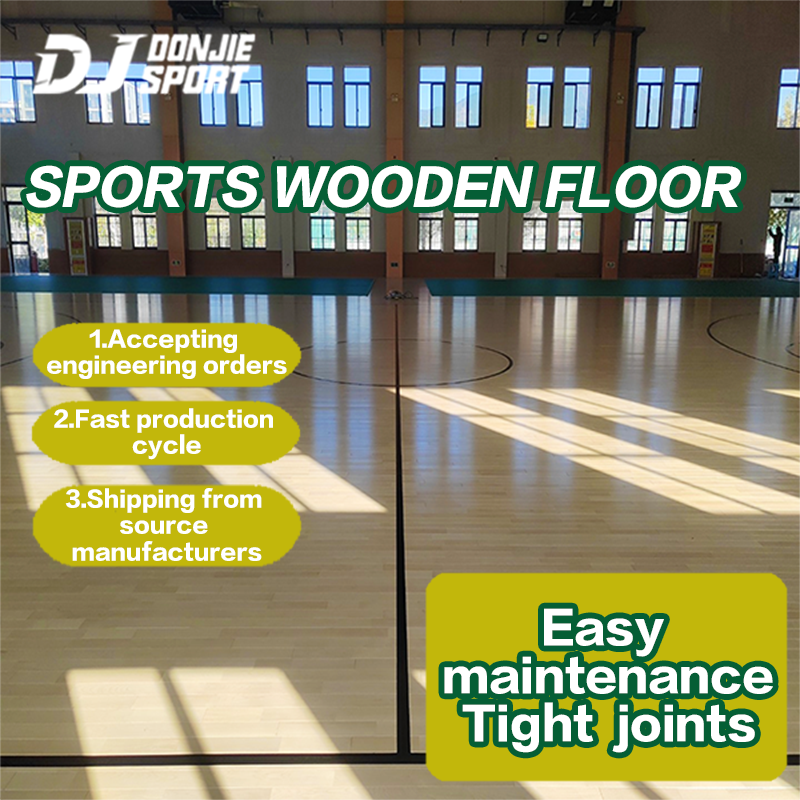
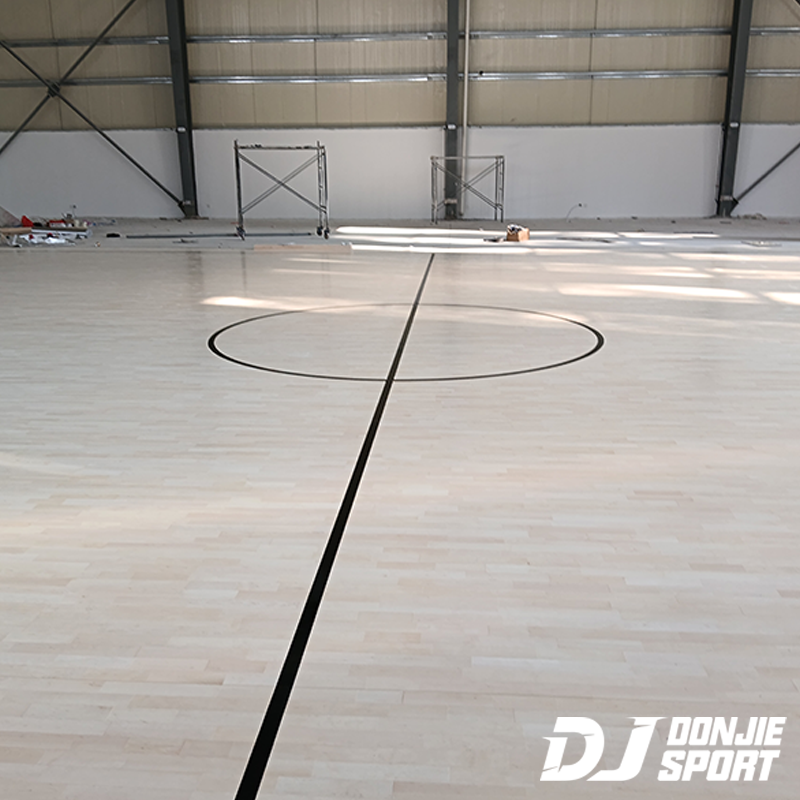
Basketball court wood flooring is specifically designed to meet the unique demands of a high-impact, high-traffic sports environment. The primary function of such flooring is to provide a durable, shock-absorbent surface that enhances player performance while minimizing the risk of injury. A well-chosen wood floor ensures consistent bounce and provides a smooth, stable surface for players to move and pivot with ease.
There are two main types of wood flooring commonly used for basketball courts: solid wood and engineered wood. Each has its characteristics, advantages, and disadvantages. Understanding these options is essential to making the right decision for your court.
Solid Wood Flooring: A Timeless Choice for Basketball Courts
Solid wood flooring is often considered the traditional choice for basketball courts. It consists of a single, solid piece of wood that is typically made from hardwoods like maple, oak, or ash. Solid wood offers a classic aesthetic that appeals to those who want a high-quality, visually striking court surface.
Advantages of Solid Wood Flooring:
-
Durability and Longevity: Solid wood floors are incredibly durable and can last for decades when properly maintained. They are known for their ability to withstand heavy foot traffic, making them a great long-term investment.
-
Aesthetic Appeal: Solid wood offers a rich, natural look that is both beautiful and timeless. The grain of the wood enhances the visual appeal of the court and adds to its overall prestige.
-
Performance: Solid wood provides excellent performance in terms of bounce and ball response. It offers great shock absorption, reducing the strain on players’ joints during play.
Disadvantages of Solid Wood Flooring:
-
Sensitivity to Environmental Conditions: Solid wood flooring is highly sensitive to changes in temperature and humidity. In regions with fluctuating climates, wood can expand or contract, potentially leading to warping or cracking over time.
-
Cost: The initial cost of solid wood flooring can be higher than engineered wood due to the quality of the material and the installation process. Additionally, solid wood may require more maintenance, including refinishing every few years.
Common types of wood used for solid wood basketball courts include maple, which is favored for its durability, smoothness, and resilience.
Engineered Wood Flooring: A Modern Alternative
Engineered wood flooring is a more modern solution that combines several layers of wood, with the top layer being a veneer of real wood and the underlying layers being made from plywood or MDF (medium-density fiberboard). This design provides the visual appeal of real wood, while offering enhanced stability and resistance to environmental changes.
Advantages of Engineered Wood Flooring:
-
Stability: Engineered wood is less susceptible to warping and shifting due to temperature or humidity changes. This makes it a better choice for climates with high moisture or fluctuating temperatures.
-
Cost-Effective: Engineered wood flooring is typically more affordable than solid wood flooring. It also tends to be easier and faster to install, reducing labor costs.
-
Installation Flexibility: Engineered wood can be installed over a variety of surfaces, including concrete, making it a more versatile option in some scenarios.
Disadvantages of Engineered Wood Flooring:
-
Durability: While engineered wood can last many years, it generally does not offer the same level of long-term durability as solid wood. The veneer layer can wear down over time, and it may not be as easily refinished as solid wood.
-
Aesthetic Appeal: While engineered wood looks great, it may not offer the same premium feel as solid wood. The grain of the veneer layer may not be as distinctive as a solid plank, which some may find less attractive.
How to Choose Between Solid and Engineered Wood Flooring for Your Basketball Court
When deciding between solid and engineered wood flooring, several factors must be considered. Here’s what you should evaluate to make the best decision:
-
Budget: If you’re working with a limited budget, engineered wood may be the more cost-effective option. It provides excellent performance without the high price tag of solid wood.
-
Climate: In areas with fluctuating temperatures and humidity, engineered wood offers better stability and resistance to environmental changes. Solid wood may be more prone to warping or cracking in such conditions.
-
Court Usage: The level of use your basketball court will see plays a big role in this decision. If your facility is used by a large number of people or for professional sports, solid wood may be the better option for long-term durability and performance.
-
Maintenance: Solid wood requires more regular maintenance, including refinishing every few years, while engineered wood is easier to care for. If minimizing maintenance is a priority, engineered wood might be the more practical option.
When Solid Wood is the Better Option:
-
For high-performance professional basketball courts where longevity and aesthetic appeal are critical.
-
In regions with stable indoor climates or temperature-controlled environments.
-
For those willing to invest in long-term durability and quality performance.
When Engineered Wood is the Better Option:
-
For budget-conscious facilities that need a cost-effective yet high-performing solution.
-
In areas with fluctuating humidity or moisture levels.
-
For facilities where ease of installation and minimal maintenance are priorities.
Installation Process: Solid Wood vs. Engineered Wood
Both solid wood and engineered wood flooring require professional installation for optimal results. However, the installation process for each differs slightly:
-
Solid Wood: Installing solid wood flooring is more labor-intensive and time-consuming. The floorboards need to be nailed or stapled down to the subfloor, and the wood may require sanding and finishing after installation.
-
Engineered Wood: Engineered wood is easier and faster to install. It can often be glued down or installed with a click-lock system, which is a more convenient option for quick installation.
The installation cost for solid wood is typically higher due to the additional labor and expertise required. Engineered wood tends to be quicker to install, leading to lower overall costs.
Maintenance and Longevity: Solid Wood vs. Engineered Wood
-
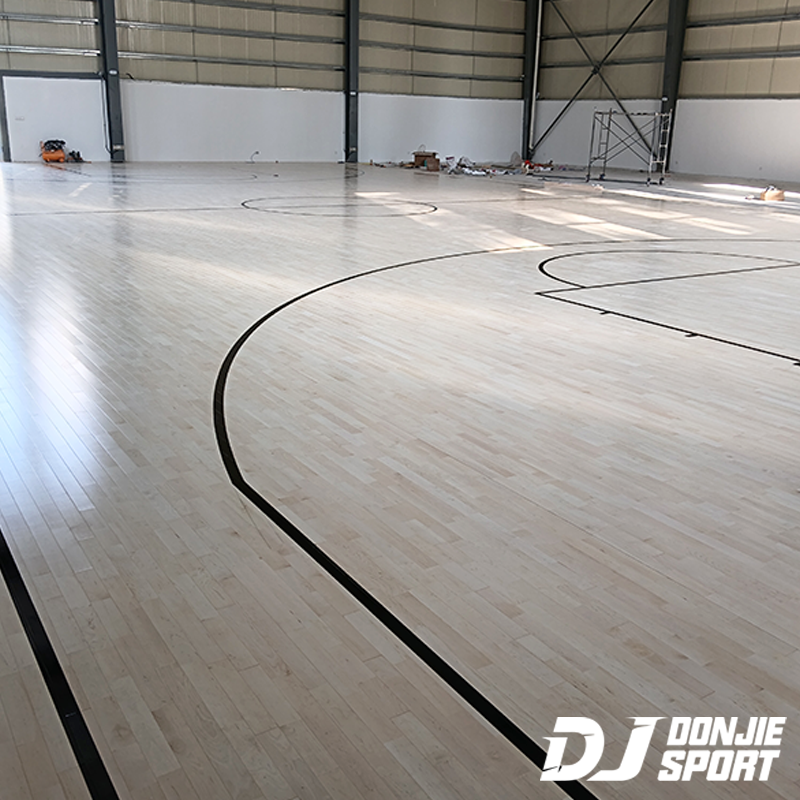
Solid Wood Maintenance: Solid wood flooring requires periodic refinishing to maintain its appearance and performance. It is also more prone to scratches and dents, which may require repair or refinishing.
-
Engineered Wood Maintenance: Engineered wood is easier to clean and maintain. However, since it cannot be refinished as easily, it may not last as long as solid wood.
Longevity: While solid wood can last for decades, engineered wood may only last 15-25 years, depending on usage and care.
Conclusion
Choosing between solid wood and engineered wood for your basketball court flooring requires careful consideration of your budget, climate, and the level of use the court will see. Solid wood offers timeless beauty and long-lasting durability, while engineered wood is a more affordable, stable, and low-maintenance option.
Ultimately, the best choice for your facility will depend on your specific needs and priorities. Whether you opt for the classic appeal of solid wood or the practicality of engineered wood, both options provide excellent performance for basketball courts.