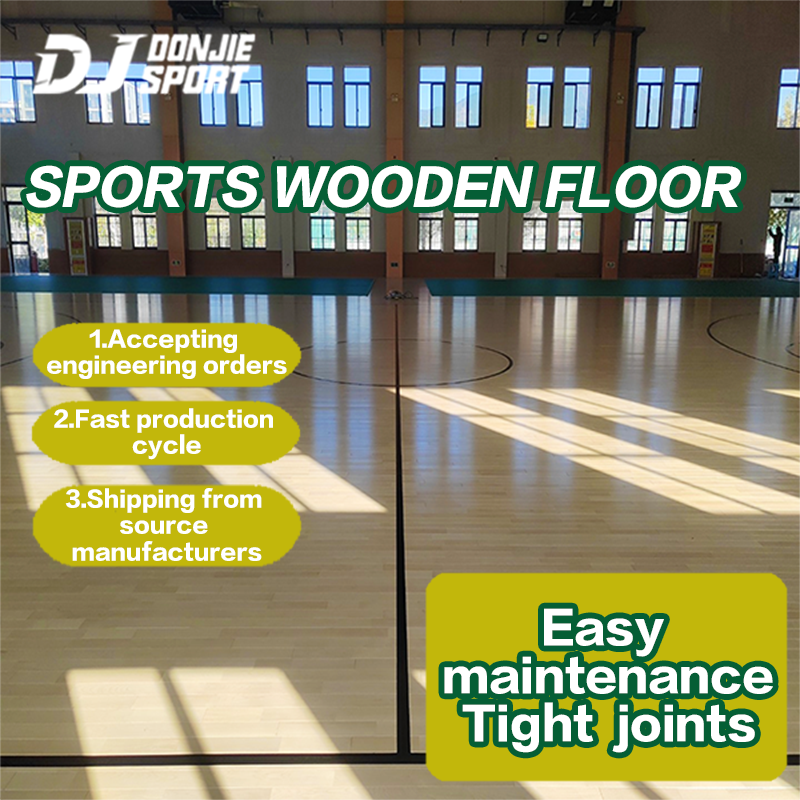
Basketball court wood flooring has been the gold standard for indoor courts for decades, offering a unique blend of elegance, performance, and durability. When it comes to high-performance sports like basketball, the flooring plays a crucial role in both the game and the athletes’ well-being. Hardwood floors, particularly those made from maple, are a timeless choice, offering both aesthetic appeal and unmatched functionality. In this post, we will explore the enduring appeal of basketball court wood flooring, diving into its performance benefits, ease of maintenance, and the lasting impact it has on the game. Whether you are building a professional court or refurbishing an existing one, hardwood flooring provides the perfect balance of style, performance, and longevity.
The Allure of Wood Flooring in Basketball Courts
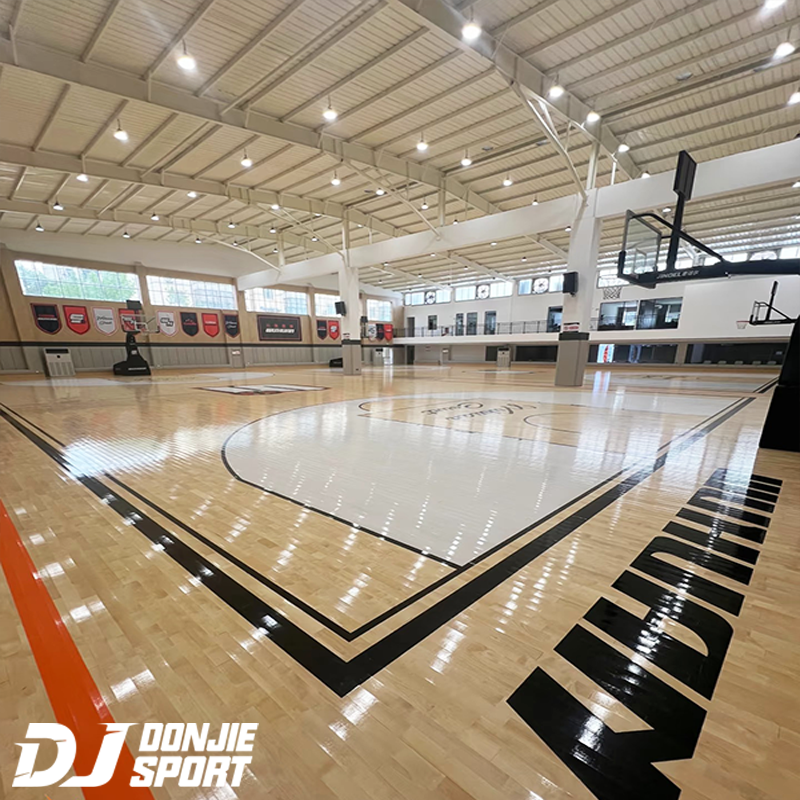
Wood flooring has long been synonymous with high-quality sports facilities. Its sleek finish and professional appearance make it the ideal choice for top-tier basketball courts worldwide. But beyond its visual appeal, there’s a deeper connection between hardwood flooring and the history of basketball. The aesthetic value of wood is undeniable; it has a timeless, classic look that elevates any gymnasium. Whether it’s the smooth, polished surface or the rich, natural grain of the wood, hardwood flooring adds an element of prestige to any basketball court.
Moreover, hardwood floors have a cultural significance in basketball. Many professional leagues, including the NBA, play on iconic wood courts. This association with elite sports contributes to the enduring popularity of wood flooring in basketball courts at all levels, from schools to professional arenas.
Durability and Performance: Why Hardwood is Built to Last
One of the main reasons hardwood remains the go-to choice for basketball courts is its exceptional durability. Basketball is a high-impact sport, with players constantly jumping, sprinting, and making sharp turns. These physical demands can take a toll on a court surface, but hardwood flooring is built to withstand the stress.
Wood floors have natural shock-absorbing qualities that help reduce the impact on players’ joints and ligaments, contributing to a safer playing experience. High-quality hardwood, such as maple, is dense and resilient, able to endure the constant wear and tear from intense gameplay. With proper maintenance, hardwood flooring can last for decades, retaining its structure and aesthetic appeal without significant damage.
Additionally, hardwood’s ability to maintain its smooth surface over time is another reason it’s so highly regarded in sports arenas. Unlike some synthetic surfaces, hardwood doesn’t degrade or lose its performance characteristics with age. When cared for properly, it continues to perform just as well as it did on the first day it was installed, ensuring that players enjoy consistent traction and a high-quality playing surface for years.
Comfort and Safety for Players
Beyond its durability, the comfort and safety of players are paramount in the choice of flooring for basketball courts. Hardwood floors are designed with player well-being in mind. The natural spring of wood provides a slight cushion, which helps reduce fatigue during long games or practice sessions. This cushion is especially important for players who spend a lot of time on their feet and are at risk of stress-related injuries such as sprains or strains.
The shock-absorption properties of hardwood floors can help mitigate the impact on joints during jumps, landings, and quick pivots. This can significantly reduce the risk of injuries, particularly to the knees and ankles, which are common in basketball. A high-quality wood surface can help ensure that players move freely and safely, contributing to better overall performance.
Moreover, hardwood’s surface offers superior grip, preventing slipping or sliding during gameplay. This enhanced traction helps players maintain control and stability while performing complex moves. As a result, hardwood floors provide not only comfort and safety but also the optimal performance conditions for athletes.
Maintenance: Keeping Basketball Court Wood Flooring in Prime Condition
While hardwood basketball courts are undeniably durable, they do require proper care and maintenance to keep them looking and performing their best. Thankfully, maintaining wood floors is relatively simple when following a regular upkeep schedule.
Routine cleaning is essential to remove dust, dirt, and debris that can wear down the surface over time. A simple sweep with a soft-bristle broom or a vacuum with a hardwood setting can keep the court clean without causing damage. Periodic mopping with a wood-safe cleaner will maintain the floor’s shine and prevent any buildup of grime.
For long-term care, it’s crucial to ensure that the court is refinished periodically. Refinishing the hardwood every few years helps restore its smooth surface and polished appearance. This process involves sanding down the top layer of the wood to remove scratches and scuffs, followed by applying a fresh coat of protective finish. Refinishing not only improves the floor’s look but also maintains its protective qualities, ensuring that the surface remains strong and resistant to damage.
The Environmental Benefits of Hardwood Flooring
In today’s eco-conscious world, many buyers are increasingly looking for sustainable materials. Hardwood floors, when sourced responsibly, can be an environmentally friendly choice for basketball courts. Unlike synthetic flooring, which is often made from non-renewable resources, wood is a natural, renewable material.
Wood flooring can also be recycled or repurposed at the end of its life cycle, further reducing its environmental impact. Many suppliers now source their wood from certified sustainable forests, ensuring that their products have minimal environmental footprints.
Furthermore, hardwood floors tend to last longer than synthetic alternatives, meaning fewer replacements over time and a lower overall environmental cost. Choosing hardwood flooring is a responsible decision for both the court and the planet, combining beauty, durability, and sustainability in one choice.
Cost Considerations: Is Hardwood Worth the Investment?
While the initial cost of installing hardwood basketball flooring can be higher compared to synthetic options, the long-term benefits make it a worthwhile investment. Hardwood floors not only increase the performance and aesthetic quality of the court, but they also tend to last longer, reducing the need for costly replacements.
The value hardwood flooring brings to a sports facility is significant, especially for schools and universities looking to make a statement with their facilities. A high-quality wood court can improve the overall atmosphere and add to the prestige of the venue, attracting athletes and fans alike. Additionally, maintaining hardwood floors is less expensive than replacing worn-out synthetic or tile floors, making it a more cost-effective choice in the long run.
When considering the investment, it’s also important to factor in the potential for increased property value. Sports facilities with high-end hardwood flooring can be more appealing to potential buyers or renters, giving them an edge in the competitive market.
Choosing the Right Hardwood for Basketball Courts
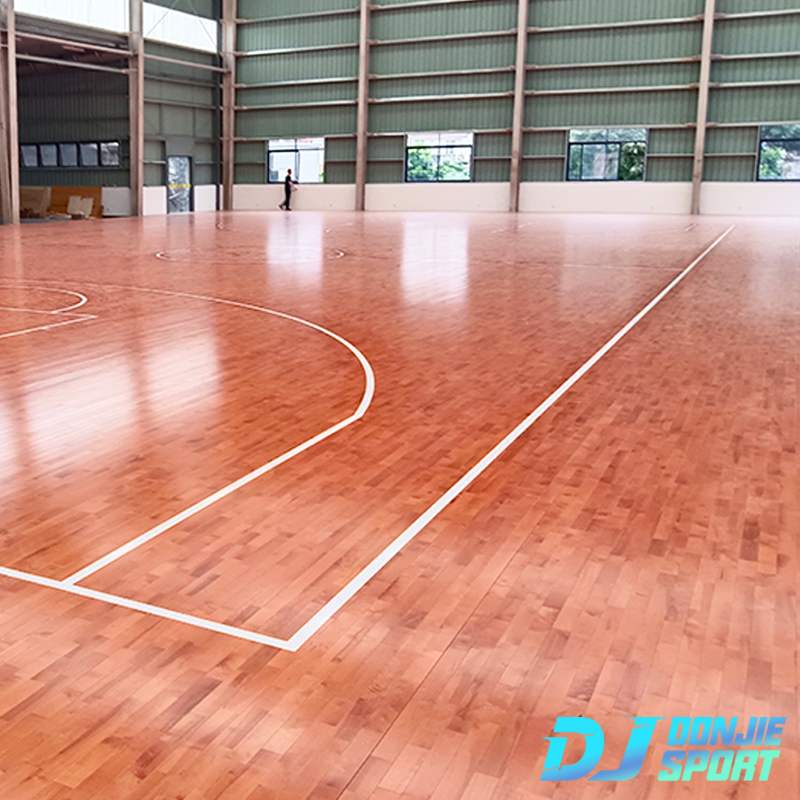
Selecting the right type of wood is crucial to getting the best performance from your basketball court flooring. While there are many types of hardwood available, maple is the most commonly used for basketball courts. It’s favored for its durability, smooth surface, and ability to withstand the impacts of the game. Other hardwoods, such as oak and cherry, can also be used, but they may not offer the same level of resilience as maple.
When selecting wood, it’s important to consider factors such as grain pattern, color, and texture, as these elements will affect both the look and performance of the court. Additionally, the cost of wood varies depending on the species, so budget constraints will play a role in the decision-making process. It’s always advisable to consult with an expert to determine which wood will best meet the needs of your basketball court, factoring in your budget and the amount of use the court will see.
Conclusion
The timeless appeal of basketball court wood flooring lies in its combination of durability, aesthetic charm, and performance benefits. Hardwood remains the top choice for basketball courts due to its ability to withstand heavy use, provide comfort and safety for players, and enhance the overall playing experience. Its natural beauty and prestige also contribute to a court’s atmosphere, making it a highly desirable option for both professional and recreational courts.
With proper maintenance, hardwood floors can last for decades, offering long-term value and performance that other materials simply can’t match. Choosing wood flooring is a decision that balances style, safety, sustainability, and cost-effectiveness, making it the ideal choice for any basketball facility.