
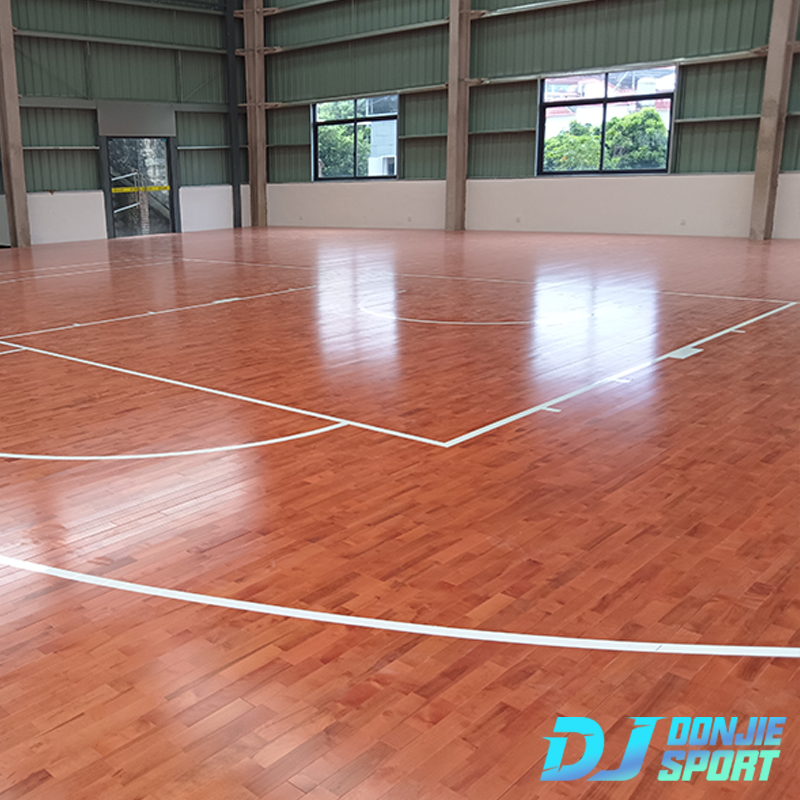
When it comes to building or renovating a basketball court, the flooring choice is one of the most crucial decisions. Basketball court wood flooring not only affects the performance of players but also impacts the longevity and overall aesthetics of the court. Wood is a preferred material for many reasons, including its natural appearance, durability, and superior performance characteristics. This guide will take you through everything you need to know about installing and maintaining basketball court wood flooring, ensuring that you get the most out of your investment.
Understanding Basketball Court Wood Flooring
Types of Wood Commonly Used in Basketball Courts
When selecting basketball court wood flooring, understanding the different types of wood available is key. The most common types of wood used for sports flooring are maple, oak, and beech.
-
Maple is the most popular choice for basketball courts because of its durability and consistent grain pattern, which provides excellent ball bounce and traction.
-
Oak is also a sturdy choice, but it’s less common in basketball courts due to its heavier weight and slightly lower shock-absorption capacity compared to maple.
-
Beech provides a balanced combination of durability and flexibility, though it’s less widely used in professional courts.
Why Hardwood is the Preferred Material for Performance and Durability
Hardwood is the material of choice for basketball courts for several reasons. It offers excellent durability under constant foot traffic and high-impact activities. The dense grain structure of hardwood also allows it to maintain a consistent surface, ensuring better performance in terms of ball bounce, player safety, and overall aesthetics.
Differences Between Solid Wood and Engineered Wood Flooring
There are two primary options when choosing wood flooring for basketball courts: solid wood and engineered wood.
-
Solid wood is cut directly from trees and provides a classic, traditional look. It’s thick, durable, and offers long-lasting performance, especially when properly maintained.
-
Engineered wood, on the other hand, is made from layers of wood pressed together, making it more resistant to environmental changes such as humidity. It’s often a cost-effective option, but might not be as durable in the long run as solid wood.
Factors to Consider Before Installation
Selecting the Right Wood for Your Specific Needs
Not all basketball courts are the same, and neither are the flooring needs. Factors such as court size, the type of use (professional vs. recreational), and specific performance requirements should guide your choice of wood. For example, professional courts may require premium maple wood, while smaller, recreational courts may be satisfied with engineered wood at a lower cost.
Budget Considerations for Wood Flooring
When deciding on wood flooring for your basketball court, budget plays a significant role. Hardwood flooring, especially maple, tends to be more expensive due to its quality and performance. However, it’s a long-term investment that will withstand years of high-impact use. If you’re working with a tighter budget, engineered wood can still offer good performance but at a reduced cost.
Room Size and Layout Impact on Flooring Choices
The size and layout of your basketball court can affect the type of wood flooring you choose. Larger courts may require larger, more durable boards, while smaller courts can accommodate narrower planks. Additionally, the installation method might differ based on the court’s dimensions and layout, with some areas needing more specialized flooring installation techniques.
Climate and Its Effect on Wooden Floors
Wood is sensitive to environmental changes such as humidity and temperature fluctuations. In humid climates, engineered wood might be a better option, as it is less prone to expanding and contracting compared to solid wood. For locations with stable indoor climates, solid hardwood is a great option that will perform well over time.
Step-by-Step Guide to Installing Basketball Court Wood Flooring
Preparing the Subfloor and Ensuring Proper Moisture Control
Before installing basketball court wood flooring, proper preparation of the subfloor is essential. The subfloor must be level, clean, and dry. Moisture control is crucial, as excess moisture can damage the wood and compromise the flooring’s longevity. Using a vapor barrier or moisture control system will help prevent warping or swelling of the wood.
How to Choose the Right Installation Method: Glue-Down vs. Nail-Down
There are two main installation methods for wood basketball flooring: glue-down and nail-down.
-
Glue-down installation is preferred for engineered wood or when moisture control is a priority, as it helps create a more stable surface.
-
Nail-down installation is often used for solid wood flooring and involves securing the planks to the subfloor using nails or staples. This method is best for larger courts where natural expansion and contraction of the wood are more easily accommodated.
Installing the Basketball Court Wood Flooring: Professional vs. DIY
While DIY installation might seem like a cost-saving option, it’s generally recommended to hire a professional installer. Basketball court wood flooring requires precision and expertise to ensure the best results. Professionals will have the right tools and knowledge to install the floor correctly, ensuring the court’s performance and safety are not compromised.
Tools and Equipment Needed for Installation
Installing basketball court wood flooring requires specific tools, including a saw, a moisture meter, an adhesive applicator (for glue-down installation), and a hammer or pneumatic stapler (for nail-down installation). Professional installers will also have access to equipment for sanding and finishing the floor once it’s installed.
Maintenance and Care for Basketball Court Wood Flooring
Cleaning and Daily Upkeep of Wood Floors
To maintain the beauty and functionality of your basketball court wood flooring, regular cleaning is essential. Sweeping or using a dust mop daily will help remove dirt and debris that could cause damage to the surface. For deeper cleaning, use a wood-safe cleaner to avoid damaging the finish.
Dealing with Scuffs, Dents, and Damage
Even with the best care, your basketball court wood floor will eventually show signs of wear. Scuffs and minor dents can be addressed with a floor buffer or by sanding the affected area. For more severe damage, such as large gouges, professional refinishing may be required.
Seasonal Care Tips to Protect the Wood Flooring
In colder months or in areas with higher humidity, it’s important to regulate the temperature and humidity levels in the gymnasium. Using a dehumidifier in high-moisture areas can help prevent wood warping. Additionally, during off-seasons, protect the floor by covering it with a protective mat or covering to prevent dirt and moisture from causing long-term damage.
Recommended Products for Maintaining Wood Floors in High-Traffic Areas
There are several products designed specifically for basketball court wood flooring, including polish, cleaners, and sealers. Using these products will help protect the surface from wear and keep it looking new for longer.
Long-Term Benefits of Proper Maintenance
How Consistent Care Prolongs the Life of Your Court Flooring
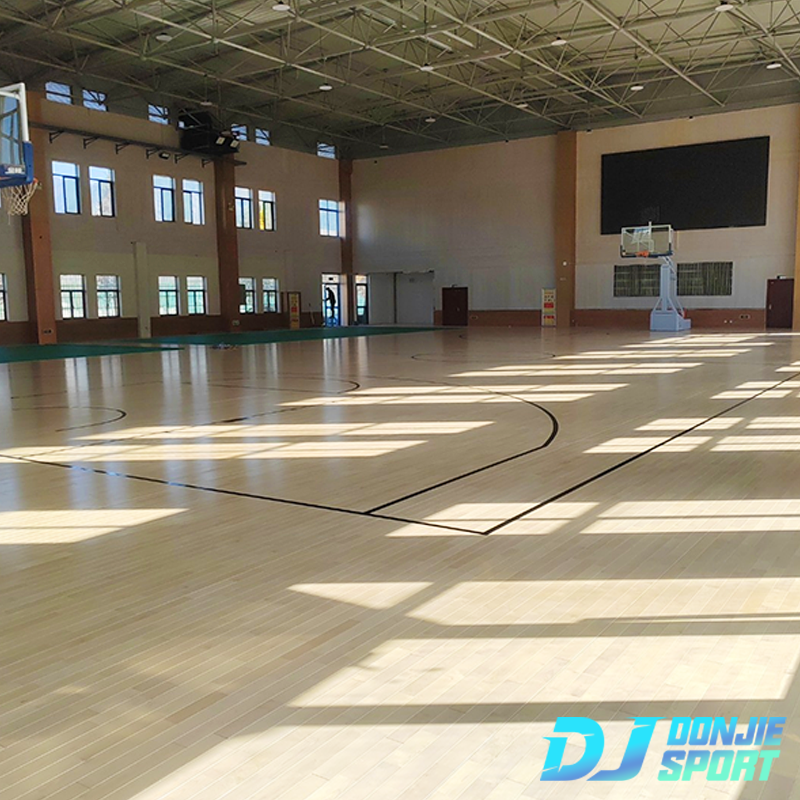
Regular maintenance ensures that your basketball court wood flooring remains in top condition for years. Proper care prevents unnecessary wear and tear, reduces the need for costly repairs, and ensures consistent playing performance.
The Impact of Maintenance on Court Performance and Aesthetics
In addition to extending the lifespan of the flooring, regular maintenance improves the performance of the court. A well-maintained floor provides better ball bounce, reduces the risk of injuries, and enhances the court’s overall appearance.
Common Mistakes to Avoid in Basketball Court Wood Flooring Care
Overuse of Certain Cleaning Chemicals
Some cleaning chemicals can be too harsh for wooden surfaces and may strip the protective finish or cause discoloration. Always choose cleaning products that are specifically designed for hardwood floors.
Ignoring Early Signs of Damage
Ignoring small cracks, dents, or discolorations can lead to larger issues over time. Address any issues immediately to prevent further damage.
Skipping Regular Inspections and Upkeep
Regular inspections are essential to catch minor issues before they become major problems. Schedule periodic checks to ensure that your wood flooring remains in optimal condition.
Investing in High-Quality Basketball Court Wood Flooring
Investing in high-quality basketball court wood flooring ensures that your court is both functional and visually appealing for years to come. With the right wood selection, installation methods, and maintenance plan, you can maximize the longevity and performance of your court. Remember, the key to maintaining basketball court wood flooring lies in regular care, timely repairs, and using the proper products for cleaning and upkeep. By following the steps outlined in this guide, you can create and maintain a top-tier basketball court that supports both players and the game itself.



